ZOE’s New Free App Put to the Test
In this blog post, we will explore how photologging is revolutionizing the way people approach healthy eating by addressing two common challenges. The first challenge is the overwhelming array of products available in stores, making it difficult to determine which ones are the best choice for supporting our health. With so many options to choose from, it can be a daunting task to make informed decisions about what to eat.
Secondly, many individuals struggle with tracking their food intake as they strive for a well-balanced and diverse diet. Traditional food logging methods, such as manual entry in apps, can be cumbersome and time-consuming. This not only deters people from consistently tracking their meals but also introduces the risk of errors due to imperfect memory or intentional omissions.
Fortunately, the field of nutrition science is evolving, and photologging has emerged as a promising solution to these challenges.
Understanding Photologging
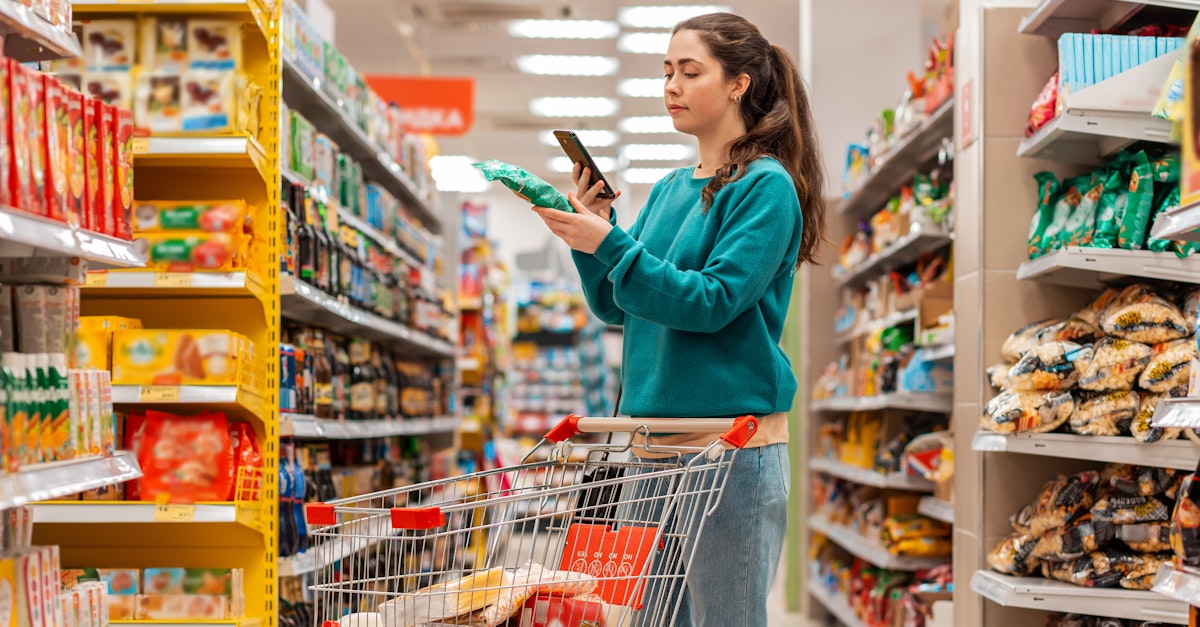
Advancements in artificial intelligence technology have made photologging increasingly popular. By simply taking a photo of product packaging, a food item, or a meal, individuals can quickly access essential nutritional information.
While AI tools can sometimes be inconsistent in their accuracy, the potential benefits of photologging are significant. This technology offers a faster and more reliable alternative to traditional food diaries, facilitating a more efficient and precise approach to tracking food intake.
At ZOE, we recently conducted a study to evaluate the accuracy of our photologging technology. The results, presented at the American Society for Nutrition conference, demonstrated the effectiveness of our AI in analyzing nutritional content.
Key Findings from the Study
Our analysis of 10,000 meals from over 2,000 participants revealed that ZOE's photologging technology performs well in identifying and estimating nutritional components. The AI's performance varied across different food groups, with high accuracy in categories like tea and coffee, and room for improvement in items like plant milk and soup.
Despite minor discrepancies in estimating macronutrients, photologging emerged as a reliable and efficient method for assessing dietary intake. The convenience and speed of this approach make it a valuable tool for individuals seeking to make informed food choices.
Exploring ZOE's Free App Features
In addition to photologging, ZOE's free app offers a range of features designed to support users in their nutrition journey. From identifying macronutrient composition to providing personalized nutrition advice, the app empowers individuals to make smarter food choices.
One standout feature is the ZOE Processed Food Risk Scale, which evaluates the health impact of processed foods based on key factors like energy density and additives. This tool helps users navigate the complexities of food labeling and select products that align with their health goals.
With ZOE's new app, users can access valuable insights, educational resources, and personalized guidance to enhance their overall well-being. By leveraging cutting-edge technology and scientific research, ZOE is committed to revolutionizing the way we approach nutrition and health.
