Wait Why Is Everyone Washing Produce With Baking Soda?
Have you ever wondered if common household items could elevate your food safety practices? The trend of washing produce with baking soda is rapidly catching attention among health-conscious individuals and experts alike. This method is said to remove up to 96% of certain pesticides, a significant improvement compared to plain water.
Historically, people used simple water rinsing for their fruits and vegetables, but recent studies have prompted a shift. A research study at the University of Massachusetts revealed just how effective baking soda can be. This natural and cost-effective solution resonates with both modern consumer concerns and scientific validation.
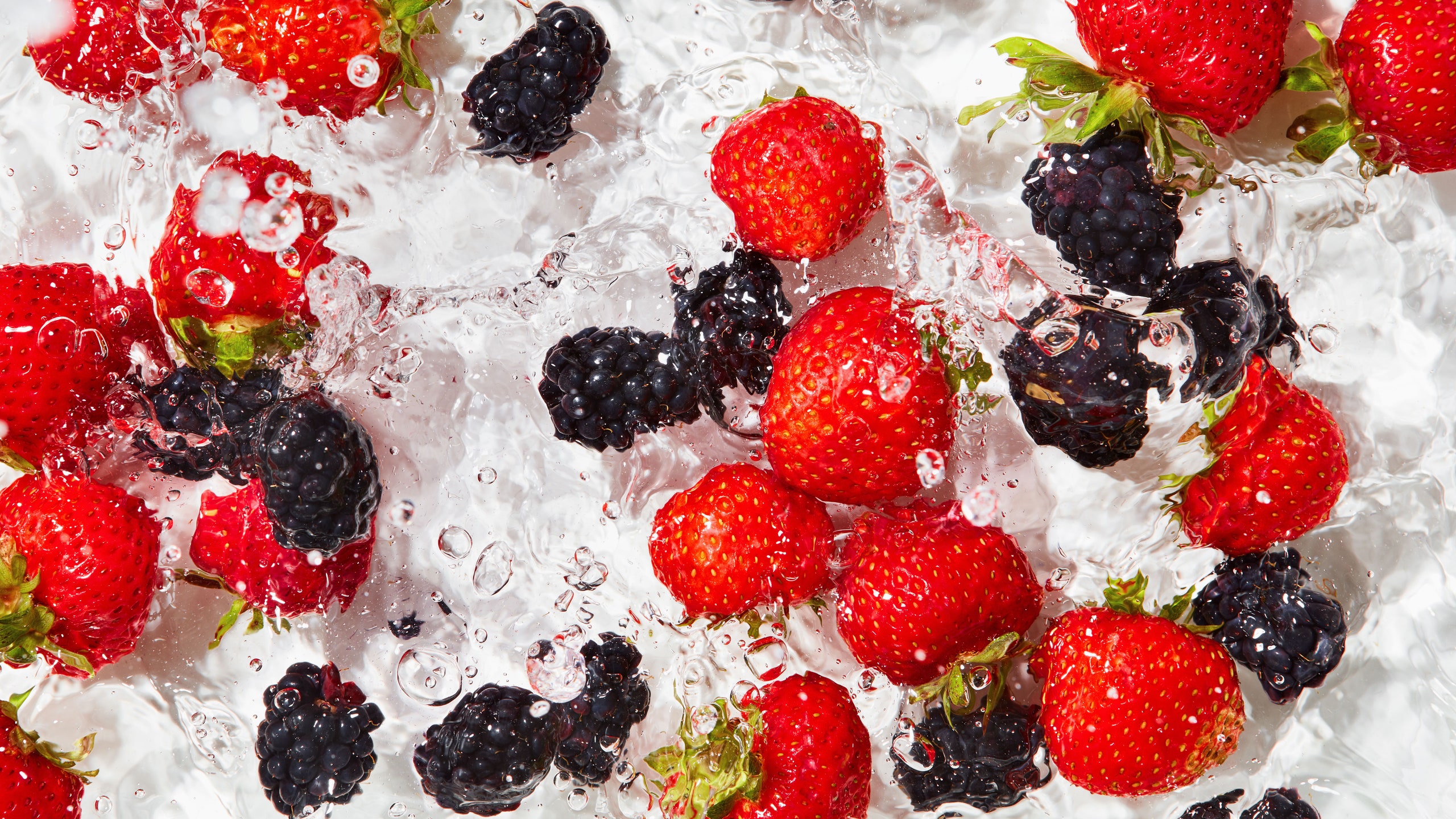
The Emergence of the Baking Soda Trend for Washing Produce
In recent times, many households have started using baking soda to wash their fruits and vegetables. This trend is not only gaining popularity among regular consumers but also among health experts. People are constantly seeking safer and more effective ways to clean produce.
Unlike conventional washing methods, using baking soda provides a safer alternative. It helps remove harmful chemicals that water alone can't eliminate. This method is backed by studies, making it widely accepted.
Moreover, baking soda is a cost-effective solution. It is easily available and inexpensive, making it accessible to everyone. Many households find it to be an economical choice for daily use.
One of the reasons for its popularity is the increasing awareness about pesticides and chemicals. People want to ensure that their food is as clean as possible. Using baking soda has become a simple yet effective way to address these concerns.
Understanding the Science behind Baking Soda and Produce Washing
Baking soda, or sodium bicarbonate, is a natural compound that interacts with the chemical residues on produce. It works by breaking down the waxy surfaces where pesticides often stick. This helps to effectively remove harmful substances.
When baking soda is dissolved in water, it creates a mild alkaline solution. This alkaline environment can neutralize many acidic pesticides, making them easier to wash away. This is why using baking soda has become a trusted method for cleaning produce.
Another scientific benefit is its gentle abrasiveness. Baking soda can scrub off residues without damaging the fruit or vegetable. This ensures that you get a cleaner product without reducing its quality.
Overall, the science behind baking soda as a cleaning agent is sound. It's not just a trend; it's a method grounded in chemical principles. Understanding this can help you make informed choices about how to clean your produce.
How Baking Soda Reacts with Pesticides
The chemical structure of baking soda allows it to react with acidic pesticides. This reaction breaks down the pesticide molecules, making them easier to remove. It's a simple but effective chemical interaction.
For instance, when you mix baking soda with water, it releases carbon dioxide. This bubbling action helps to dislodge dirt and pesticide residues. It's like giving your fruits and vegetables a deep clean.
Not all pesticides are removed, but many common ones are significantly reduced. This makes your produce safer to eat. The effectiveness of this method is backed by various studies.
The Mechanics of Alkaline Cleaning
Alkaline solutions are known for their cleaning power. Baking soda's properties make it an excellent agent for creating such a solution. It creates an environment where many contaminants can't survive.
In practical terms, this means that alkaline solutions can soften and break down tough residues. This makes it easier to wash them away. It's a key reason why baking soda is so effective.
Moreover, an alkaline environment can help in killing some types of bacteria. This adds another layer of safety to your produce cleaning routine. Using baking soda thus achieves multiple cleaning goals.
Effectiveness Backed by Research
Various studies have shown that baking soda is effective in reducing pesticide residues. Research from the University of Massachusetts highlights this. It's considered a reliable method of cleaning produce.
These studies involve testing different types of produce and pesticides. The results consistently show that baking soda performs well. This scientific backing adds credibility to its use.
Consumers rely on such research to make informed choices. Knowing that baking soda is effective helps in its widespread adoption. It's a scientifically proven method that people can trust.
Evidential Support: The University of Massachusetts Study
The University of Massachusetts conducted a notable study on baking soda's effectiveness. Their research found that baking soda significantly reduces pesticide residues on produce. This finding has been eye-opening for many consumers.
Researchers used a method of soaking produce in a baking soda solution. They discovered that this method removed up to 96% of pesticides from apples. This scientific evidence bolsters the trust in baking soda as a cleaning agent.
The study compared different washing methods. These included plain water, commercial washes, and baking soda solutions. The results showed that baking soda outperformed the other methods.
This research involved rigorous testing and detailed analysis. It provided concrete data supporting the use of baking soda for washing produce. These findings have motivated more people to adopt this practice.
The Advantages of Using Baking Soda for Washing Produce
One major advantage of using baking soda is its effectiveness. Baking soda can remove up to 96% of certain pesticides, which water alone cannot achieve. This makes it a superior option for those concerned about food safety.
Another benefit is its affordability. Baking soda is inexpensive and widely available. Families can easily incorporate it into their regular grocery shopping without stretching their budgets.
Baking soda is also environmentally friendly. It’s a natural substance that doesn't harm the environment. This makes it a sustainable choice for cleaning produce.
Additionally, using baking soda is simple and convenient. All you need is a small amount dissolved in water, and your produce is ready for a thorough clean. It’s an easy step that anyone can follow.
Baking soda is gentle on your hands and your produce. Unlike harsh chemical cleaners, it doesn’t cause irritation. This ensures that your fruits and veggies stay fresh and intact.
Lastly, baking soda has multiple uses around the house. Beyond cleaning produce, it can be used for various other cleaning tasks. This versatility adds to its value as a household staple.
Potential Downsides and Limitations of Washing Produce With Baking Soda
Despite its advantages, washing produce with baking soda has certain limitations. One significant concern is its inability to remove all types of pesticides. Some residues may still remain even after thorough washing.
Another limitation is the cost associated with using large quantities. While baking soda is generally affordable, frequent use can add up. For people with tight budgets, this might be a concern.
Using baking soda can also be time-consuming. The process often requires soaking and scrubbing, which may not be convenient for busy households. This can make other quicker methods more appealing.
There is also a chance of improper use. If too much baking soda is used, it could leave a gritty residue. This might affect the taste and texture of your produce.
Additionally, baking soda might not be effective against certain bacteria. While it helps with pesticides, it doesn't guarantee the removal of all pathogens. Other cleaning methods or additional steps might be necessary.
Lastly, some people may have sensitivities to baking soda. Though rare, skin irritation or allergies could occur. It's essential to observe any reactions and discontinue use if necessary.
Comparison with Other Cleaning Methods for Produce
Baking soda is just one of many methods people use to clean their fruits and vegetables. Compared to plain water, baking soda is more effective in removing certain pesticides. However, using just water is quicker and doesn't require any additional materials.
Vinegar is another common cleaning agent. It works well to remove bacteria but may not be as effective as baking soda for pesticide residue. Vinegar can also leave a strong smell on your produce, which some people find unappealing.
Commercial produce washes are specifically designed to clean fruits and vegetables. They often contain various chemicals that can be effective but are also more expensive than baking soda. Some people worry about the safety of the ingredients in these products.
Soap is sometimes used, but many experts advise against it. Soap can leave behind a residue that’s not safe to consume. Rinsing off soap thoroughly can also be more challenging than washing with baking soda or other natural methods.
Yet another method is using a brush to scrub produce under running water. This physical method can remove dirt and some pesticide residues. However, it might not be as thorough as soaking in a baking soda solution.
Expert Opinions on Washing Produce with Baking Soda
Many health experts endorse the use of baking soda for washing produce. They highlight its effectiveness in removing pesticides and other residues. This backing from professionals gives consumers confidence in the method.
Dr. Londa Nwadike, a food safety expert, notes that baking soda can effectively clean certain types of pesticides. She adds that this method is simple yet reliable. The endorsement from specialists like Dr. Nwadike helps to validate the practice.
Some nutritionists also recommend using baking soda over commercial washes. They point out that baking soda is free from artificial chemicals. This makes it an excellent choice for those looking to avoid added substances.
Chemists often stress the scientific basis behind using baking soda. They explain how its chemical properties make it ideal for breaking down harmful pollutants. This scientific validation further supports its use.
A few skeptics do exist among experts who caution about possible over-reliance on this method alone. They suggest combining it with other cleaning practices for maximum safety. Diversifying your produce cleaning techniques can ensure better results.
Practical Considerations: How to Effectively Wash Your Produce with Baking Soda
Washing your produce with baking soda is not complicated. Using it correctly ensures that you remove as many pesticides and residues as possible. Proper technique is key.
Start by filling a clean sink or large bowl with water. Add about one teaspoon of baking soda for every two cups of water. Mix well to make sure the baking soda is fully dissolved.
Place your fruits and vegetables into the solution. Let them soak for around 15 minutes. This soaking time allows the baking soda to break down residues.
After soaking, gently scrub your produce with your hands or a soft brush. Rinse thoroughly under cold running water. Make sure all baking soda residues are washed off before consumption.
For leafy greens, separate the leaves before soaking. This ensures that the solution can reach all parts. Be gentle to avoid damaging the leaves.
Regularly cleaning your produce using this method can make a big difference. It helps ensure that what you eat is as safe and clean as possible. Incorporating this routine into your kitchen habits is simple and highly effective.
Frequently Asked Questions
Many people are curious about the benefits and practices of washing produce with baking soda. Here, we answer some of the most common questions related to this topic.
1. How does baking soda remove pesticides from produce?
Baking soda creates an alkaline environment that helps break down pesticide residues on produce. This makes it easier to wash away these harmful substances, ensuring cleaner and safer fruits and vegetables.
Studies have shown that soaking produce in a solution of baking soda and water can significantly reduce pesticide levels. The mild abrasiveness of baking soda also aids in dislodging dirt and residues without damaging the produce.
2. Is using baking soda more effective than commercial produce washes?
Baking soda is often more effective at removing certain pesticides compared to many commercial washes. It is also a natural solution, free from artificial chemicals that might be present in store-bought cleaners.
Commercial washes can be expensive, while baking soda is inexpensive and widely available. This cost-effectiveness makes baking soda a popular choice among consumers looking for safe food cleaning methods.
3. Can I use baking soda to wash all types of produce?
Baking soda can safely clean a wide range of fruits and vegetables, including apples, grapes, leafy greens, and root vegetables. However, it is essential to rinse thoroughly to ensure no residue remains on the food.
The gentle scrubbing action provided by baking soda works well with both firm and delicate items like berries or tomatoes. Always test a small area first if you are unsure about its effect on your specific type of produce.
4. How long should I soak my produce in a baking soda solution?
For optimal results, most experts recommend soaking your fruits and vegetables for about 15 minutes in a solution of water mixed with a few teaspoons of baking soda. This soaking period allows adequate time for the breakdown of any pesticide residues.
After soaking, rinse your produce under cold running water to remove any remaining traces of baking soda or loosened contaminants. This step ensures your food is clean and ready for consumption.
5. Are there any disadvantages to using baking soda on produce?
While generally safe, overusing baking soda can leave a gritty residue if not rinsed properly from your fruits and vegetables. Some people may also have skin sensitivities requiring them to wear gloves during the cleaning process.
Additionally, it might not remove all types of bacteria or contaminants found on some agricultural products. It's advisable to combine this method with regular inspection for any spoilage or damage signs before ingestion.
Conclusion
Washing produce with baking soda has emerged as a reliable and effective method for removing pesticides and residues. Supported by scientific studies, this practice provides an affordable and natural solution for enhancing food safety. Its simplicity has contributed to its widespread adoption.
While not without its limitations, baking soda offers numerous benefits compared to other cleaning methods. It’s essential to combine this practice with other food safety measures for the best results. By doing so, you can ensure that your fruits and vegetables are both clean and safe to eat.
