The Role Of Art Therapy In Mental Health
What if the strokes of a brush could mend the mind just as effectively as medication? Interestingly, art therapy is doing just that for countless individuals battling mental health issues. The fusion of artistic expression and therapeutic techniques forms a unique pathway to emotional healing.
Art therapy, officially recognized in the mid-20th century, has since emerged as a credible and effective treatment. Studies reveal that patients engaging in art therapy experience a significant reduction in anxiety and improvement in overall well-being. This integrative approach addresses psychological difficulties while fostering creativity and self-discovery.
Unraveling the Concept of Art Therapy
Art therapy combines artistic expression and psychology to help people explore their emotions. It leverages various forms of art, such as painting, drawing, and sculpture, to create a therapeutic experience. This form of therapy is beneficial for people of all ages.
By engaging in creative processes, individuals can express feelings they might struggle to communicate with words. Art therapy offers a safe space for self-expression and exploration. This is particularly helpful for those dealing with trauma or complex emotions.
Art therapists play a crucial role in guiding the process. They help interpret the artwork and provide insights into the emotional or psychological issues depicted. These professionals are trained to connect therapeutic techniques with artistic activities.
Many find art therapy empowering because it emphasizes strengths rather than limitations. It allows people to confront and resolve issues in a non-verbal and creative way. This unique approach can lead to significant improvements in mental health and well-being.
Evolution of Art Therapy as a Therapeutic Discipline
Art therapy has come a long way since its origins in the mid-20th century. Initially, it was seen as an extension of traditional psychotherapy. Now, it is recognized as a legitimate and effective therapeutic practice.
Early Beginnings and Recognition
The roots of art therapy can be traced back to the works of early pioneers like Adrian Hill and Margaret Naumburg. Hill first introduced the concept while recovering from tuberculosis, noticing the healing effects of artistic creation. Naumburg established art therapy as a distinct profession by integrating art into psychoanalysis.
During the 1940s and 1950s, art therapy began gaining formal recognition. Hill and Naumburg's groundbreaking work paved the way for official training programs. This period marked the beginning of acknowledging art therapy as a valuable mental health discipline.
Growth and Establishment
In the 1960s and 1970s, art therapy saw substantial growth. Professional organizations, like the American Art Therapy Association (AATA), were founded to standardize practices and ethics. These developments solidified the role of art therapy in mainstream mental health treatment.
Art therapists began working in various settings, from schools to hospitals. The versatility of art therapy allowed it to reach diverse populations, including children, veterans, and the elderly. Its effectiveness in different contexts further validated its therapeutic importance.
Modern Developments and Future Directions
Today, art therapy continues to evolve with advancements in mental health research. Technological innovations, like digital art therapy, are emerging. These new methods offer convenient and accessible therapeutic options.
Research supports the benefits of art therapy in treating conditions like PTSD, depression, and anxiety. Ongoing studies and clinical trials aim to refine techniques and expand applications. The future of art therapy looks promising, as it integrates traditional practices with modern innovations.
The Mechanism Behind Art Therapy
Art therapy works by engaging both the creative and logical parts of the brain. Creating art helps people access and express emotions that may be difficult to articulate verbally. This process serves as a bridge between internal feelings and external communication.
When someone participates in art therapy, they often reach a state of "flow," where they are fully immersed in what they're doing. This flow state is beneficial for mental health, reducing stress and anxiety. Art therapy also provides a safe space to explore one's thoughts.
The process is not just about creating art but also about reflecting on it. Therapists guide clients to interpret their artwork, helping them understand deeper psychological issues. This reflection aids in gaining insights and developing coping strategies.
Art therapy incorporates various techniques, such as drawing, painting, and sculpture. Different methods are chosen based on individual needs and preferences. This flexibility makes art therapy a highly personalized form of treatment, catering to unique emotional and psychological needs.
Art Therapy Techniques in Practice
Various art therapy techniques are employed to address different therapeutic goals. One common method is drawing, which allows clients to visualize their feelings. Drawing can be spontaneous or guided by prompts from the therapist.
Painting is another popular technique that lets individuals use color to express emotions. The act of painting can be very calming and offers a tactile experience that's engaging. Clients often find this medium helps them articulate feelings they can't put into words.
Collage-making involves cutting and assembling images and text from various sources. This technique can help clients piece together different aspects of their lives. Collages are particularly effective for those who find it challenging to start with a blank canvas.
Sculpting with clay or other materials provides a three-dimensional way to explore emotions. The tactile nature of sculpting can be very grounding. Sculpture allows for the expression of complex, layered emotions.
Art journaling combines writing and art to create a visual diary. This technique allows for continuous self-reflection and emotional exploration. Clients can revisit their journals to track their emotional growth.
Each technique has its own strengths, making art therapy versatile. Therapists often tailor techniques to the individual's specific needs. This personalized approach enhances the effectiveness of the therapy.
The Psychological Impact of Art Therapy
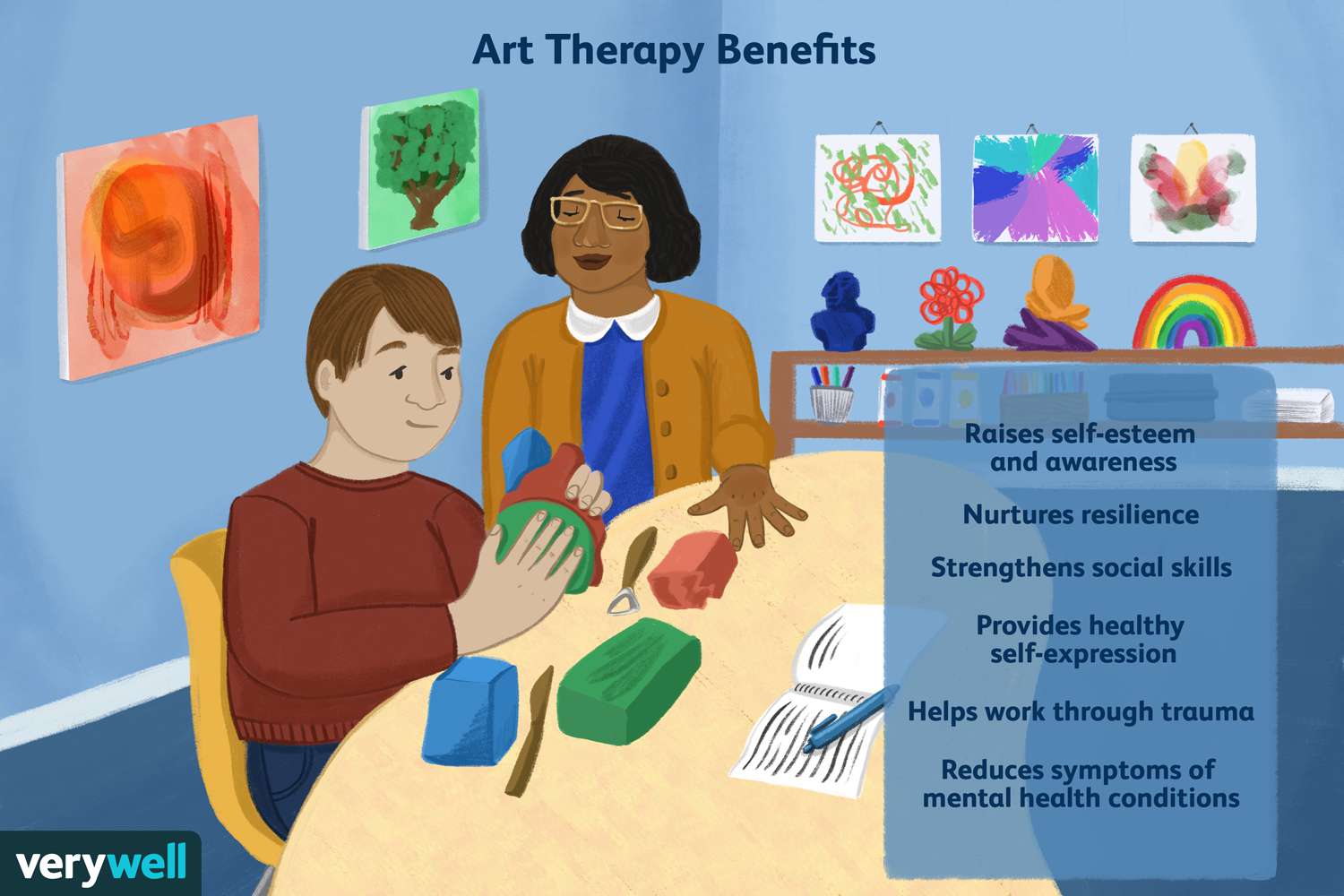
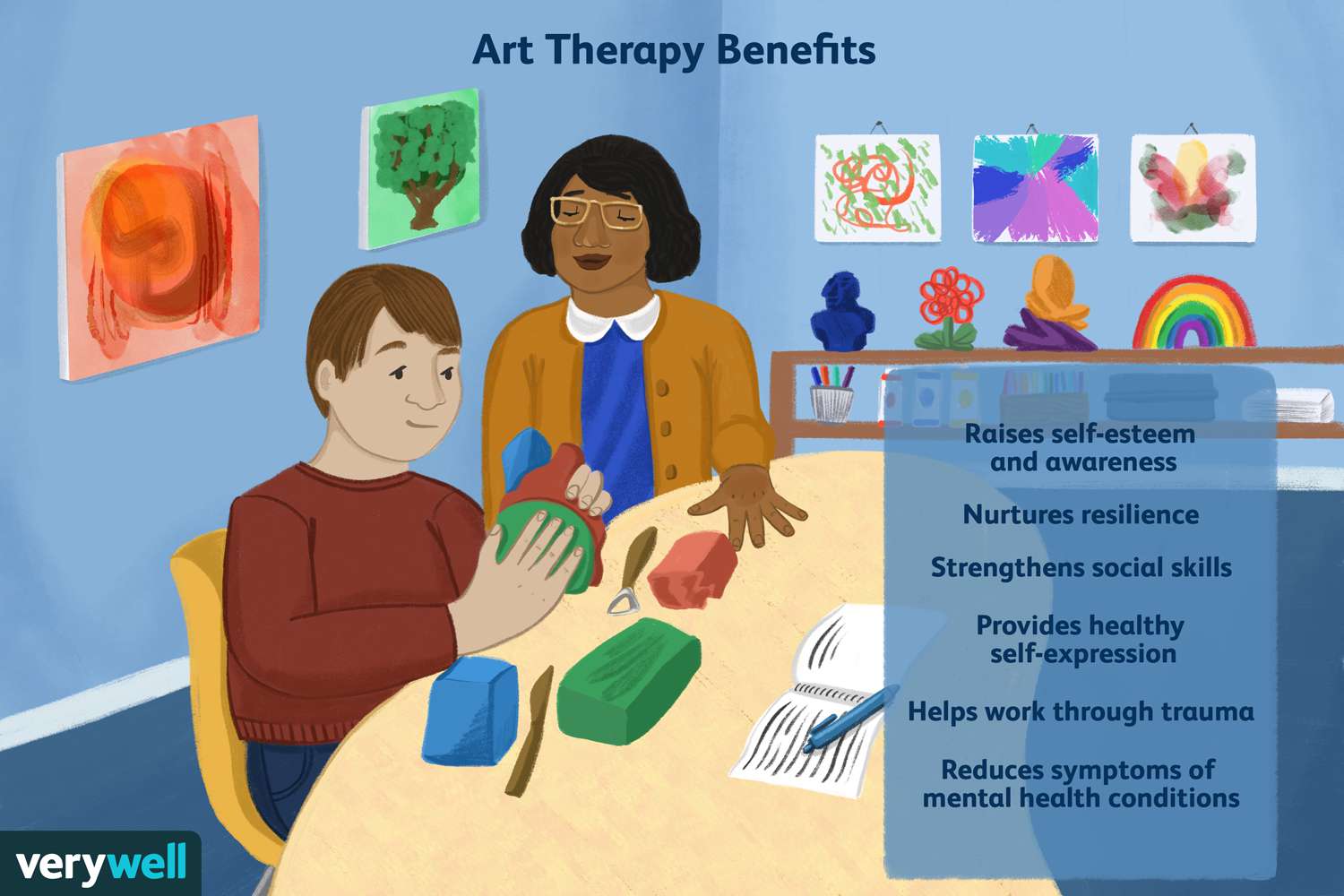
Art therapy offers profound psychological benefits. It helps reduce anxiety and stress levels, providing a creative outlet for emotional release. Engaging in artistic activities promotes relaxation.
This type of therapy also fosters self-awareness. By creating art, individuals can uncover hidden emotions. Art therapy serves as a mirror reflecting internal thoughts and feelings.
Art therapy can help improve self-esteem. Completing an art project gives a sense of accomplishment. Seeing their creations can make clients feel more confident and self-assured.
It enhances communication skills, especially for those who struggle to express themselves verbally. The artwork becomes a medium for conversation. Therapists and clients can discuss the creations to explore deeper issues.
Art therapy also aids in trauma recovery. Creating art helps process traumatic experiences. This method provides a safe way to explore and release painful memories.
Overall, the psychological impact of art therapy is multi-faceted. It not only promotes emotional well-being but also stimulates cognitive functions. Art therapy offers a holistic approach to mental health treatment.
Art Therapy and Mental Health Disorders
Art therapy is highly effective for treating various mental health disorders. It provides a non-verbal outlet for individuals to express complex emotions. This can be especially beneficial for those struggling with conditions like depression and anxiety.
One key benefit is how art therapy helps manage anxiety. The act of creating art can be calming, reducing stress and tension. Studies have shown that engaging in artistic activities lowers anxiety levels.
Individuals with depression also find relief through art therapy. It encourages self-expression and helps in identifying negative thought patterns. Creating art can boost mood and provide a sense of accomplishment.
Art therapy is also useful in treating post-traumatic stress disorder (PTSD). It allows individuals to process traumatic experiences in a safe environment. This method supports the release and understanding of painful memories.
For individuals with eating disorders, art therapy offers a way to explore body image issues. Art therapists help clients create visual representations of their feelings. This helps in addressing distorted perceptions and fostering a healthier self-image.
Art therapy also aids those with substance abuse problems. It provides a healthy coping mechanism to deal with cravings and emotional struggles. Engaging in art activities can serve as a constructive alternative to substance use.
Comparison of Art Therapy with Other Therapeutic Approaches
Art therapy differs from traditional talk therapy in several significant ways. Unlike talk therapy, which focuses on verbal communication, art therapy uses creative expression as a primary tool. This makes it accessible for individuals who find it challenging to articulate their feelings verbally.
Cognitive-behavioral therapy (CBT) is another common therapeutic approach. While CBT emphasizes changing negative thought patterns, art therapy offers a more holistic experience. The focus in art therapy is not only on thoughts but also on emotions and physical sensations experienced during the creative process.
- Art Therapy: Uses creative activities to express feelings and explore issues
- Cognitive-behavioral Therapy: Focuses on identifying and changing negative thought patterns
- Talk Therapy: Centers around verbal communication and discussion
Psychoanalysis involves exploring deep-seated issues through dialogue. In contrast, art therapy can quickly tap into subconscious material through visual mediums. Many clients find this approach less intimidating than extensive oral exploration.
Group therapy sessions often rely on shared conversation and experience. Conversely, in group art therapy, participants create individual artworks that may be shared later for discussion. This allows for personal expression, along with group support and feedback.
Each therapeutic method has its unique strengths. The choice between them depends on an individual's needs, preferences, and comfort levels. Overall, art therapy provides a uniquely holistic way to address mental health concerns.
The Future of Art Therapy in Mental Health Treatment
The future of art therapy looks promising with increasing acceptance in the mental health field. Emerging research supports its effectiveness in treating a variety of disorders. New technologies are also expanding the scope of art therapy.
Digital art therapy is one such advancement. It uses digital tools to create art, making therapy more accessible. Apps and online platforms offer virtual therapy sessions, reaching people who may not have access to traditional methods.
More schools and healthcare facilities are incorporating art therapy programs. This broadens its reach to younger populations and diverse communities. Early intervention through art therapy can address issues before they escalate.
Interdisciplinary approaches are on the rise. Combining art therapy with other therapies, like music or dance therapy, provides a more comprehensive treatment. This holistic approach enhances overall mental well-being.
Research will continue to play a vital role. Ongoing studies aim to refine techniques and demonstrate the long-term benefits of art therapy. Evidence-based practices will continue to validate its role in mental health treatment.
As society becomes more open to alternative therapies, art therapy's role will likely expand. Increased funding and awareness can drive this growth. The future holds many possibilities for art therapy to transform mental health care.
Frequently Asked Questions
Art Therapy combines creative practices with psychological methods to help people explore emotions, reduce stress, and improve mental health. These FAQs will provide answers to common questions about the practice and its benefits.
1. What kinds of conditions can art therapy help treat?
Art therapy is effective in treating a range of mental health conditions such as anxiety, depression, PTSD, and eating disorders. This form of treatment provides a safe space for individuals to express their emotions non-verbally, which can be especially beneficial for those who find it hard to articulate their feelings.
Besides these well-known conditions, art therapy is also used for managing stress and improving emotional well-being in general. It is adaptable to various therapeutic settings including clinics, schools, and private practices, making it accessible to different age groups from children to older adults.
2. How long does a typical art therapy session last?
A typical art therapy session lasts between 45 minutes to an hour. The duration allows sufficient time for clients to engage deeply in their creative process while also providing time for discussion and reflection with the therapist afterwards.
This time frame helps ensure that the individual feels heard and supported throughout the session. Regular weekly sessions are common but the frequency may vary depending on individual needs and treatment goals.
3. What materials are often used in art therapy sessions?
Diverse materials like paints, markers, clay, pastels and collage materials are commonly used in art therapy sessions. The choice depends on what best suits the individual's needs or what they feel most comfortable using during that particular session.
The wide variety of materials encourages creativity and self-expression while giving individuals multiple ways to explore their thoughts and feelings visually. Clients are usually encouraged to pick whatever material resonates most strongly with them at any given moment.
4. Is artistic talent necessary for participating in art therapy?
No artistic talent is required for participating in art therapy; its focus lies on expression rather than skill or aesthetic quality. Anyone can benefit from this treatment because it’s about letting out emotions and thoughts through creative activities without judgement or evaluation of artistic ability.
The value comes from the opportunity to express oneself freely without fear of criticism or failure. This removes pressure from clients enabling them better exploration which leads toward personal growth healing achieving goals set during therapeutic journey.
5.Can art therapy be conducted online?
Yes digital platforms make it possible conduct effective online art therapy sessions.All required either video call some basic materials home like paper pen color pencils etc.clients similarly therapists guiding facilitating discussions observations around created works Internet overcoming distance barriers particularly useful situations pandemic remote areas limited access professionals medically needed support too
Conclusion
Art therapy plays a crucial role in mental health treatment, offering unique benefits that traditional therapies may not provide. Its ability to use creative expression as a tool for emotional release and self-discovery makes it versatile and effective. The future looks promising as it continues to gain recognition.
As research advances and more people experience its benefits, art therapy is likely to become an even more integral part of mental health care. By combining artistry with psychological methods, it opens new pathways for emotional healing and well-being. This holistic approach offers hope and resilience for those dealing with mental health challenges.
