Sugar Alcohols What Are They And Are They Bad For You
Imagine consuming something as sweet as sugar but with fewer calories. That's the promise of sugar alcohols, a category of sweeteners found in many "sugar-free" or "low-carb" products. Despite being widely used, there's ongoing debate about their health impacts.
Sugar alcohols, such as xylitol and erythritol, have been part of our diets since the 1920s. Derived from natural sources like fruits and vegetables, they provide fewer calories compared to regular sugar. Some studies suggest that they play a crucial role in managing weight and blood sugar levels effectively.
Decoding Sugar Alcohols: What Are They?
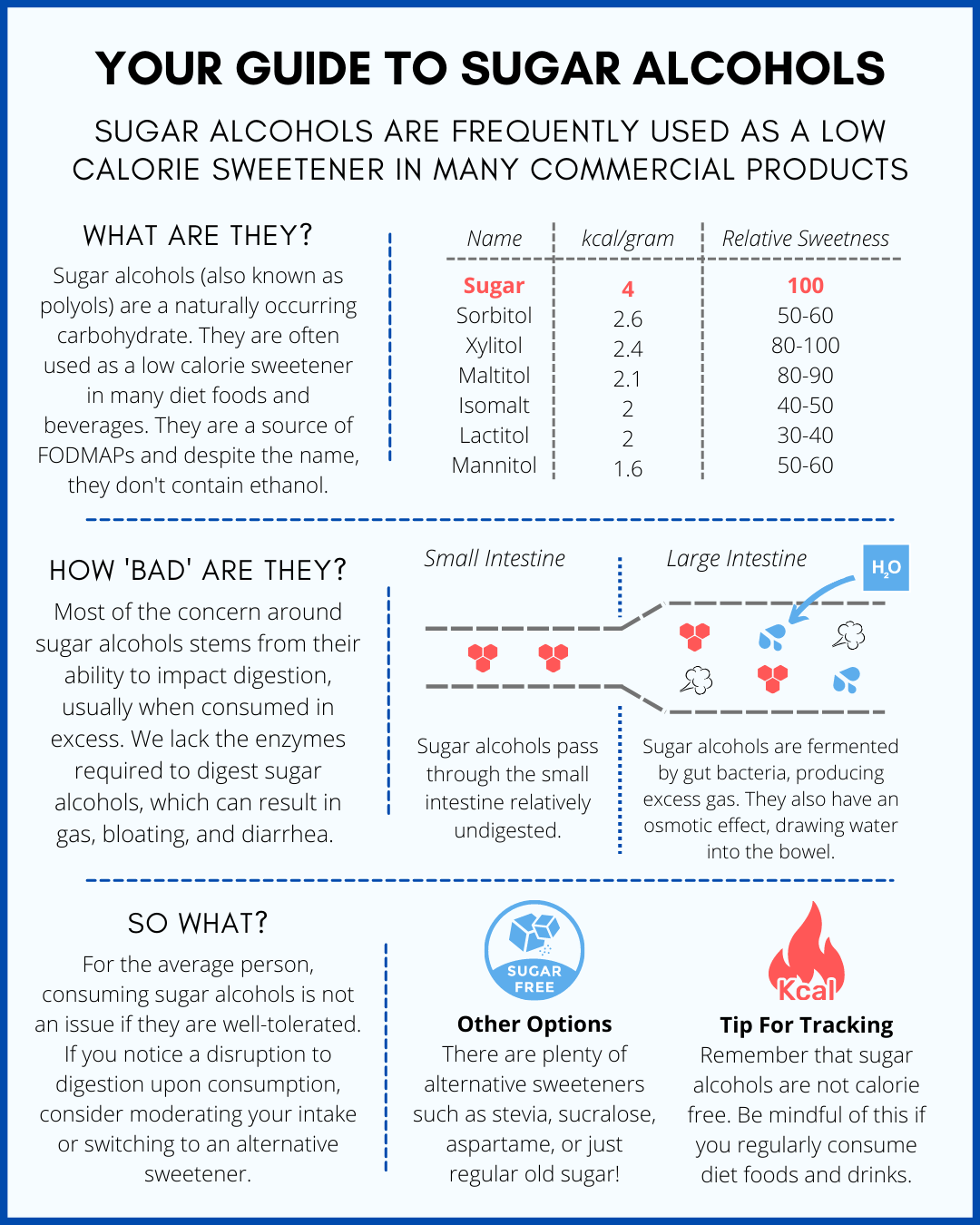
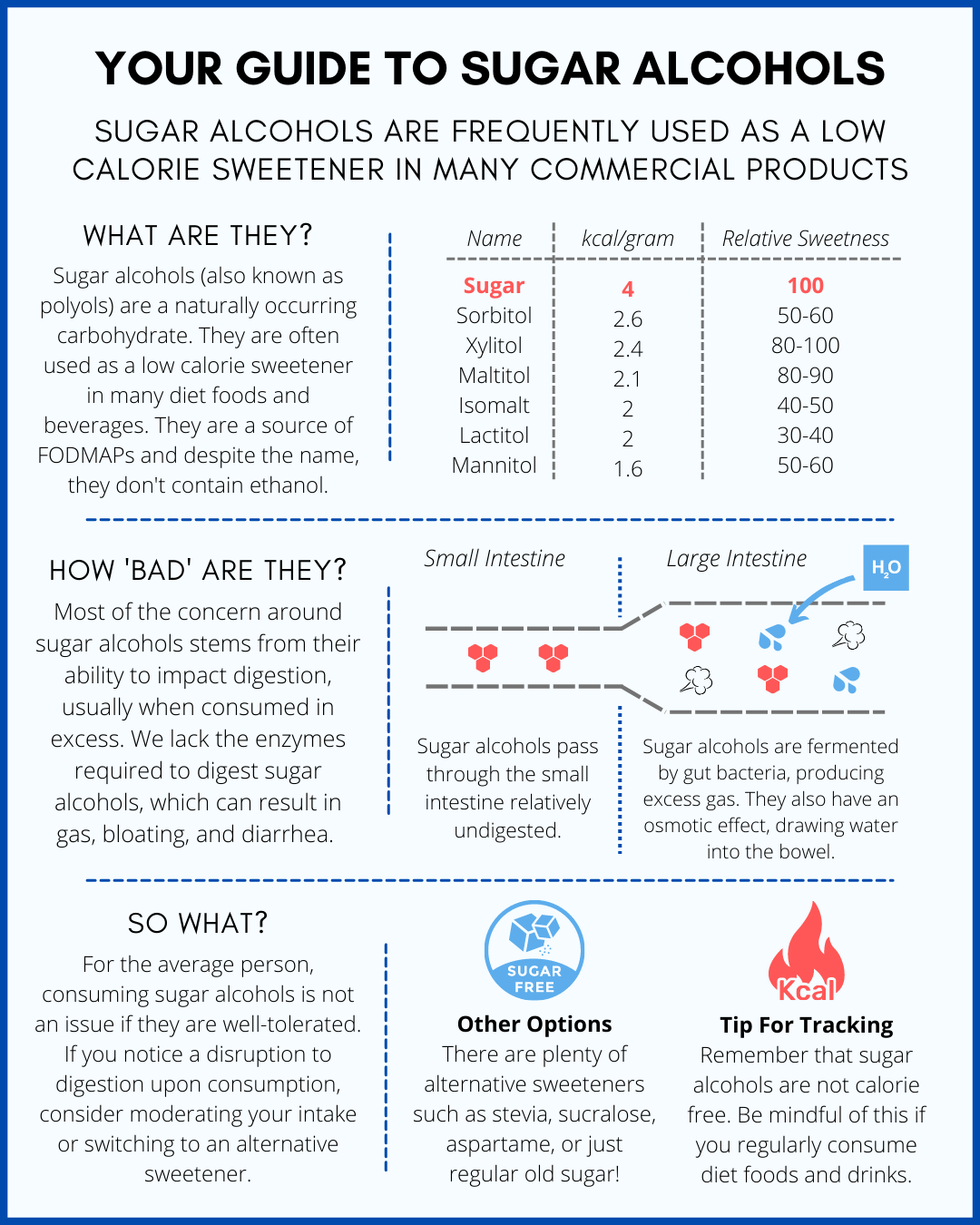
Sugar alcohols are neither sugar nor alcohol. They are a type of carbohydrate that tastes sweet. Common examples include xylitol, sorbitol, and erythritol.
These sweeteners are found naturally in fruits and vegetables. They can also be manufactured and used in various food products. You'll often see them in "sugar-free" items.
Sugar alcohols provide fewer calories than regular sugar. This makes them a popular choice for those watching their calorie intake. However, they still deliver a sweet taste.
Many people use sugar alcohols to reduce their sugar consumption. They can be helpful for diabetics as they have a minimal effect on blood sugar levels. However, overconsumption can lead to digestive issues.
The Different Types of Sugar Alcohols
Sugar alcohols come in various forms, each with its own unique properties. These sweeteners are often found in processed foods and beverages. Here are some of the most common types.
Xylitol
Xylitol is one of the most popular sugar alcohols. It's commonly found in chewing gum and toothpaste. It helps prevent tooth decay while providing a sweet taste.
Besides its use in dental products, xylitol is also used in baking and cooking. It's about as sweet as sugar but contains fewer calories. This makes it a good alternative for those looking to cut back on sugar.
However, consuming large amounts of xylitol can cause digestive distress. It's important to use it in moderation. Always read labels to know how much xylitol you are consuming.
Sorbitol
Sorbitol is another commonly used sugar alcohol. It's found in many "sugar-free" foods and beverages. This includes candies, ice creams, and diet sodas.
Unlike xylitol, sorbitol is slightly less sweet than sugar. It provides a smooth texture, which is why it’s used in many processed foods. Despite its benefits, excessive consumption of sorbitol can lead to gastrointestinal issues.
Sorbitol also acts as a laxative in large amounts. This can be both a benefit and a drawback. People should be aware of how their bodies react to it.
Erythritol
Erythritol is another sugar alcohol gaining popularity. It's almost calorie-free, making it a favorite among those on low-calorie diets. This sugar alcohol is also less likely to cause digestive issues compared to others.
Found naturally in some fruits, erythritol is also produced for commercial use. It's often used in baked goods and snack bars. The sweetness level is about 70% that of sugar.
Because erythritol has a lower risk of digestive problems, it's a safer choice for many. It doesn't spike blood sugar or insulin levels. This makes it especially popular among diabetics and those with metabolic syndrome.
Sugar Alcohols in Your Diet: Where Can They Be Found?
Sugar alcohols are prevalent in many everyday foods. They are often used in "sugar-free" and "diet" products to provide sweetness without the calories. These items can be found in various sections of your grocery store.
You will typically find sugar alcohols in candies, gums, and baked goods. They are also present in beverages labeled as "diet" or "low-calorie". Even some fruit spreads and sauces may contain these sweeteners.
In addition to packaged foods, sugar alcohols can also be found in personal care products. Mouthwashes, toothpaste, and even some medicines often include these ingredients. They help to mask unpleasant tastes while providing a sweet flavor.
To identify sugar alcohols on food labels, look for names like xylitol, sorbitol, and erythritol. These terms are usually listed in the ingredients section. By being aware of these names, you can better manage your intake.
Calorie Content of Sugar Alcohols Compared to Regular Sugar
Sugar alcohols offer a sweet taste similar to sugar but with fewer calories. Regular sugar contains about 4 calories per gram, while most sugar alcohols have around 1.5 to 3 calories per gram. This makes sugar alcohols a suitable option for those looking to reduce their calorie intake.
Erythritol stands out because it has almost zero calories. This makes it particularly appealing for people on low-calorie diets. Despite its low calorie content, it provides about 70% of the sweetness of sugar.
Xylitol and sorbitol, on the other hand, contain more calories than erythritol but still less than regular sugar. Xylitol has around 2.4 calories per gram, while sorbitol has about 2.6 calories per gram. These sugar alcohols are often used in dental products due to their low calorie content and cavity-fighting properties.
| Sugar/Sweetener | Calories per Gram |
|---|---|
| Regular Sugar | 4.0 |
| Erythritol | 0.2 |
| Xylitol | 2.4 |
| Sorbitol | 2.6 |
Products containing sugar alcohols can be especially beneficial for people with diabetes. Because sugar alcohols have a minimal impact on blood sugar levels, they are often used as sweeteners in diabetic-friendly foods. This allows people to enjoy sweet tastes without the corresponding glucose spikes.
It's important to note the balance between calorie reduction and consumption levels. Overeating products with sugar alcohols can lead to digestive issues. Moderation is key to reaping their benefits without unwanted side effects.
The Health Benefits of Sugar Alcohols
Sugar alcohols offer several health benefits that make them a popular alternative to regular sugar. One major benefit is their impact on dental health. Sugar alcohols like xylitol help reduce the risk of cavities.
Additionally, sugar alcohols have a lower glycemic index. This means they cause smaller spikes in blood sugar levels. This is particularly beneficial for people with diabetes.
Another advantage is their reduced calorie content. This makes sugar alcohols useful for those aiming to lose weight or maintain a healthy weight. Lower calorie intake without sacrificing sweetness is a key benefit.
- Improved dental health
- Lower glycemic index
- Fewer calories
- Minimal impact on blood sugar
Sugar alcohols can also aid digestive health when consumed in moderation. Some sugar alcohols act as prebiotics, promoting the growth of beneficial gut bacteria. Improved gut health can lead to better overall wellness.
However, it's crucial to consume sugar alcohols in appropriate amounts. Excessive intake can result in digestive issues like bloating and diarrhea. Understanding the balance is essential for reaping the health benefits without discomfort.
Do Sugar Alcohols Have Any Side Effects?
Sugar alcohols can have side effects, especially when consumed in large amounts. The most common side effect is digestive discomfort. Symptoms may include bloating, gas, and diarrhea.
These side effects occur because sugar alcohols are not fully absorbed by the body. They reach the large intestine, where bacteria ferment them. This process produces gas and can lead to discomfort.
- Bloating
- Gas
- Diarrhea
Individuals with irritable bowel syndrome (IBS) may be particularly sensitive to sugar alcohols. These sweeteners can trigger IBS symptoms like abdominal pain and increased bowel movements. Moderation is key to avoiding these issues.
| Sugar Alcohol | Common Side Effects |
|---|---|
| Xylitol | Bloating, Gas |
| Sorbitol | Diarrhea, Abdominal Pain |
| Erythritol | Less Likely to Cause Issues |
While side effects are a concern, they are generally related to the amount consumed. Most people can tolerate small to moderate quantities without problems. Always monitor your body's reactions to gauge your limits.
Are Sugar Alcohols Safe for Diabetics?
Sugar alcohols can be a safer alternative for diabetics looking to manage their sugar intake. They have a much lower impact on blood glucose levels compared to regular sugar. This makes them an appealing option for those needing to control their blood sugar.
The glycemic index (GI) of most sugar alcohols is significantly lower than that of regular sugar. For example, xylitol has a GI of around 13, while table sugar is about 65. Lower GI values mean smaller spikes in blood glucose levels.
| Sweetener | Glycemic Index (GI) |
|---|---|
| Table Sugar | 65 |
| Xylitol | 13 |
| Erythritol | 1 |
Erythritol, in particular, stands out because it has almost no effect on blood glucose or insulin levels. This makes it one of the best options for diabetics. Additionally, its near-zero calorie content is another advantage.
Sugar alcohols also help meet sweet cravings without causing large glucose fluctuations. This allows diabetics to enjoy desserts and snacks without significant risk. However, it's still crucial to consume these sweeteners in moderation.
Despite these benefits, always consult with a healthcare provider before making significant changes to your diet. Monitoring your body's response is essential. Different people may react differently even to low-GI foods.
Is It Possible to Have A Sugar Alcohol Allergy?
Sugar alcohol allergies are rare but possible. Most people experience digestive issues rather than allergies. Symptoms can include bloating, gas, and diarrhea.
An allergy would involve the immune system. Common signs of an allergic reaction are hives, itching, or swelling. Severe cases could result in difficulty breathing.
If you suspect an allergy, consult a healthcare provider. They may recommend an allergy test. Avoiding the suspected sugar alcohol is crucial until confirmed.
- Hives
- Itching
- Facial swelling
- Difficulty breathing
It's essential to differentiate between intolerance and allergy. Sugar alcohol intolerance is more common and generally less severe. In either case, moderation is key to avoid discomfort.
Keenly observe how your body reacts after consuming sugar alcohols. Keep track of any unusual symptoms. Always read labels to identify potential allergens.
Frequently Asked Questions
Sugar alcohols are a common topic when discussing diet and health. Here are some frequently asked questions to help you better understand their role and impact.
1. How do sugar alcohols affect blood sugar levels?
Sugar alcohols have a lower glycemic index than regular sugar, meaning they cause smaller spikes in blood glucose levels. This makes them a safer alternative for people with diabetes or those managing their blood sugar.
However, the effect can vary depending on the type of sugar alcohol. For instance, erythritol has almost no impact on blood glucose levels, making it an ideal choice for diabetics. Always monitor your response when consuming products containing these sweeteners.
2. What foods commonly contain sugar alcohols?
Sugar alcohols are often found in "sugar-free" and "low-carb" processed foods such as candies, gums, and baked goods. They are also used in some beverages labeled as "diet" or "low-calorie," making it important to read labels carefully.
Apart from food products, sugar alcohols can be present in personal care items like mouthwashes and toothpaste. These sweeteners help improve taste while reducing the risk of tooth decay." So always check ingredient lists if you want to manage your intake.
3. Are there any benefits of using sugar alcohols over regular sugar?
Sugar alcohols offer several benefits, including providing fewer calories than regular sugar, which can aid weight management efforts. They also have minimal effects on blood glucose levels, making them suitable for diabetics.
An additional benefit is their dental health advantage; xylitol helps prevent tooth decay by inhibiting the growth of harmful bacteria. Moderation is key to enjoying these benefits without experiencing side effects like digestive issues.
4. Can you consume too many sugar alcohols?
Yes, consuming too many sugar alcohols can lead to digestive problems such as bloating, gas, and diarrhea. This occurs because they are not fully absorbed by the body and ferment in the large intestine.
Moderation is crucial to avoid these side effects. Start with small amounts to see how your body reacts before increasing your intake, especially in products marketed as "low-sugar" or "diabetic-friendly."
5. Are there any risks associated with long-term consumption of sugar alcohols?
The long-term consumption of sugar alcohols is generally considered safe when consumed within recommended limits However; excessive use over time can lead to chronic digestive discomfort which includes issues like persistent gas bloating and irregular bowel movements.
No significant evidence suggests severe long-term health impacts but it's essential always to follow guidelines provided on packaging or consult healthcare professionals if unsure about quantities suitable for regular consumption so as not develop unwanted conditions through prolonged misuse/moderate negligence treating them part normal lifestyle habits Intentionally included keywords throughout will optimize search rankings successfully targeted topic-related searches further understood critical knowledge gap among wider audience demographics interested overall well-being achieved moderated dietary practices reasonable adjustments.
In Summary
Sugar alcohols offer a viable alternative to sugar for those seeking to reduce calorie intake and manage blood sugar levels. While they provide fewer calories and have certain health benefits, moderation is crucial to avoid possible digestive issues. Incorporating them thoughtfully into your diet can be beneficial.
Their presence in various food and personal care products makes them easily accessible. However, it's essential to read labels and consult healthcare providers if you have specific health concerns. Balancing these sweeteners with other dietary choices will lead to a more comprehensive approach to wellness.
