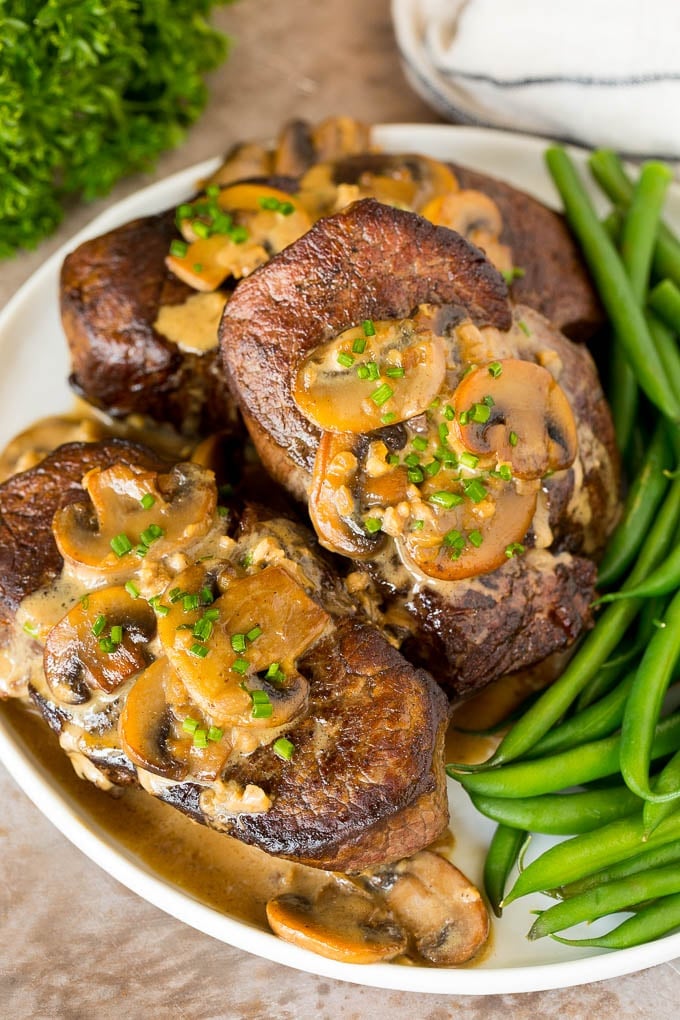
Steak Diane
Imagine having your steak prepared tableside, flambéed with a spectacular burst of flames—what a remarkable dining experience. Steak Diane, a classic that has graced the menus of fine dining establishments for decades, offers just that. It elevates a simple beef steak to a theatrical masterpiece.
Originating in Post-War America, Steak Diane is said to reflect the opulence of the era. Typically, it features a rich sauce made from pan juices, cognac, mustard, and cream, which is then set ablaze. This technique not only adds depth of flavor but also enhances the overall dining experience by engaging multiple senses.
The History of Steak Diane
Steak Diane has a fascinating backstory, dating back to the mid-20th century. Many believe it originated in the fine dining restaurants of New York. This dish captures a time of luxury and tableside flamboyance.
Named after Diana, the Roman goddess of the hunt, it embodies elegance and opulence. Early recipes often emphasized rich, creamy sauces and dramatic presentations. The use of high-quality ingredients was a must, making it a favorite among the elite.
During the 1950s and '60s, Steak Diane became a staple in American cuisine. It was a symbol of sophistication and culinary prowess. Restaurants would prepare it with flair, as the flames mesmerized diners.
Today, Steak Diane remains a beloved classic in many parts of the world. Chefs continue to adapt and modernize the recipe while preserving its heartfelt origins. It's a testament to how culinary traditions can evolve yet stay true to their roots.
The Flavors and Ingredients in Steak Diane
Steak Diane is renowned for its rich and savory flavor profile. The dish brings together succulent beef with a velvety sauce. Each bite offers a perfect balance of tender meat and creamy goodness.
Main Ingredients in Steak Diane
The primary ingredient, of course, is a high-quality beef steak. Typically, cuts like tenderloin or sirloin are used. These cuts ensure a juicy and tender texture.
The sauce combines pan drippings with butter, shallots, Dijon mustard, and Worcestershire sauce. This mix creates a rich and tangy flavor. Adding a splash of brandy or cognac is essential for depth.
Finally, fresh herbs like parsley and a bit of heavy cream round out the sauce. These elements bring a touch of freshness and smoothness. The result is a harmonious blend of flavors.
Flavor Profile of Steak Diane
What sets Steak Diane apart is its luxurious sauce. The pan drippings contribute a savory base. This is heightened by the tanginess of mustard and Worcestershire sauce.
The flambéed brandy not only adds a smoky note but also intensifies the overall taste. The creamy texture comes from butter and heavy cream. Together, these ingredients create a rich, mouth-watering sauce.
Herbs like parsley add a hint of freshness that cuts through the richness. This balance of flavors keeps every bite exciting. It's a true culinary delight.
How Ingredients Affect Flavor
The choice of beef significantly impacts the dish. Higher quality cuts deliver more tender and flavorful results. This elevates the entire dining experience.
Key ingredients like brandy, mustard, and Worcestershire sauce add complexity. Each element brings its unique flavor to the mix. Together, they create a multi-dimensional sauce.
Finally, fresh herbs and cream soften the strong flavors. They add a smooth finish that's both rich and delicate. This blend ensures that Steak Diane remains a timeless classic.
The Art of Flambe in Steak Diane
Flambe is the dramatic technique that sets Steak Diane apart. It involves igniting alcohol in the sauce, creating a burst of flames. This not only adds visual flair but also enhances the dish's flavor.
The process of flambéing burns off the alcohol, leaving behind rich, concentrated flavors. Chefs usually use brandy or cognac for this purpose. These spirits add a smoky, caramelized note to the sauce.
Timing is critical when executing a flambe. The flames should last just long enough to burn off the alcohol without overcooking the ingredients. This requires skill and practice to perfect.
- Select a high-proof alcohol like brandy or cognac.
- Ensure the pan is hot before adding the alcohol.
- Once added, carefully ignite the alcohol with a long match or lighter.
Using the right tools and techniques makes a significant difference. A deep, heavy pan helps contain the flames and prevent accidents. Proper ventilation is also key, ensuring safety during the performance.
The Dining Experience: Steak Diane
Steak Diane offers not just a meal, but a memorable experience. Often, the dish is prepared tableside, adding a touch of showmanship. The flambe technique intrigues diners with its burst of flames.
This theatrical presentation enhances the overall dining atmosphere. It engages all senses, from the sizzling sounds to the aromatic scents. Watching the chef expertly prepare the dish is a treat.
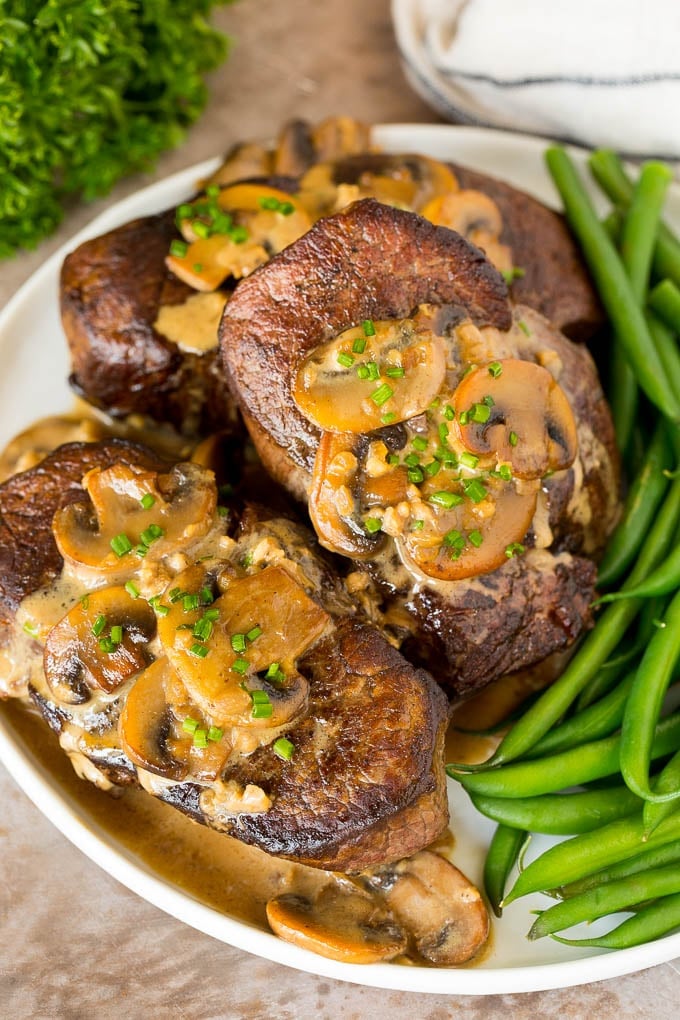
The serving style of Steak Diane adds to its charm. Typically, it's served with a rich sauce poured over the steak. The sight of the glossy, savory sauce is mouth-watering.
A well-executed Steak Diane can elevate any dining occasion. The tenderness of the beef, combined with the rich flavors, leaves a lasting impression. It’s a true feast for the palate.
Many restaurants have made Steak Diane a signature dish. It’s often considered a highlight on their menus. The anticipation of the flambe and the savory taste makes it a favorite among regulars.
Overall, the dining experience with Steak Diane blends culinary art with performance. This ensures that guests have more than just a meal—they have a unique and engaging experience. Such dining moments are rare and cherished.
Where to Find the Best Steak Diane
Finding the best Steak Diane can be an adventure. Many top-tier restaurants serve it with flair and finesse. Chefs often add their unique twist to this classic dish.
Some of the finest establishments are located in major cities. For instance, New York and Los Angeles boast numerous spots known for their culinary excellence. Their chefs are masters at creating unforgettable Steak Diane experiences.
In Europe, cities like Paris and London offer exceptional versions of this dish. Celebrated for their gourmet cuisine, these cities are home to restaurants that maintain high standards. Enjoying Steak Diane in such settings is a culinary delight.
- Le Cirque in New York City
- The Ivy in London
- Le Procope in Paris
- Spago in Los Angeles
Local guides and online reviews are great resources for discovering the best places. Websites like Yelp and TripAdvisor offer insights from fellow diners. This helps in making an informed choice.
Additionally, many upscale hotels boast signature restaurants serving Steak Diane. These venues often provide a luxurious dining experience. So, whether you’re traveling or staying local, there are plenty of options to explore.
Steak Diane as a Homecooked Meal
Preparing Steak Diane at home can be a rewarding challenge. It's an opportunity to bring restaurant-quality cuisine to your dining table. With the right ingredients and techniques, you can create an impressive dish.
The key to success lies in the quality of your steak. Choose tender cuts like tenderloin or sirloin. These cuts ensure a juicy and delicious meal.
The sauce is equally important. Combining pan drippings with ingredients like butter, shallots, and mustard is essential. A splash of brandy or cognac adds depth and a touch of drama.
- High-quality beef steak (tenderloin or sirloin)
- Butter and shallots
- Dijon mustard and Worcestershire sauce
- Brandy or cognac
- Fresh parsley and heavy cream
Flambeing can be done safely at home with care. Use a long lighter to ignite the alcohol in the pan. This step not only adds flavor but also enhances the home dining experience.
Finally, pair your Steak Diane with suitable sides like mashed potatoes or steamed vegetables. This balance completes the meal. Enjoying this dish at home is both satisfying and memorable.
Pairs Well: Suitable Sides for Steak Diane
Choosing the right sides for Steak Diane can enhance the overall meal. The rich and savory flavors of the steak deserve equally delicious accompaniments. Here are some excellent options to consider.
Mashed potatoes are a classic choice. Their creamy texture complements the rich sauce of the steak. This pairing ensures every bite is indulgent.
- Creamy mashed potatoes
- Garlic roasted asparagus
- Buttered green beans
- Crusty bread rolls
Roasted vegetables also make an excellent side dish. Consider carrots, Brussel sprouts, or asparagus roasted with garlic and herbs. They add a fresh contrast to the richness of the steak.
| Side Dish | Description |
|---|---|
| Creamed Spinach | Smooth and creamy spinach cooked in butter and cream. |
| Dauphinoise Potatoes | Peeled potatoes baked with cheese and cream for a rich flavor. |
| Caesar Salad | Crisp romaine lettuce with Caesar dressing, croutons, and Parmesan cheese .
< p >
Crusty bread rolls are another great addition
< / p >
They
help soak up
all that
delicious sauce
.< / p >
< p >
Finally,
consider serving
a crisp salad on
the side.< / p >
A Caesar salad,
for instance
adds a refreshing crunch.
With these sides ,
your Steak Diane
meal becomes
an unforgettable experience .< / p >
The Cultural Impact of Steak DianeSteak Diane has left an indelible mark on culinary culture. Emerging in the mid-20th century, it quickly became synonymous with fine dining. Its flamboyant preparation made it a spectacle at upscale restaurants. This dish has influenced many chefs and home cooks alike. Its unique combination of rich flavors and theatrical presentation is still celebrated. Modern adaptations continue to appear on menus worldwide. Moreover, Steak Diane has a way of bringing people together. Its luxurious nature makes it a popular choice for special occasions. Celebratory dinners often feature this iconic dish.
Popular media has also embraced Steak Diane. The dish has been featured in cooking shows, movies, and literature. This exposure has cemented its status as a culinary classic. Even today, Steak Diane continues to inspire culinary innovation. Chefs experiment with new ingredients and techniques while preserving its essence. The enduring appeal of Steak Diane highlights its cultural significance. Frequently Asked QuestionsSteak Diane is a beloved classic known for its rich flavors and dramatic preparation. Here are some common questions about this iconic dish, answered to help you understand it better. 1. How do I flambé safely at home?Flambéing at home can be safe if you follow certain precautions. Use a deep, heavy pan to contain the flames and keep a fire extinguisher nearby. Make sure your kitchen is well-ventilated, and ensure flammable objects are far from your cooking area before you begin. To ignite the alcohol, use a long lighter to maintain a safe distance from the pan. Add the alcohol to the hot pan and light it immediately for a quick burst of flames. Once you've ignited it, let the fire burn off naturally while keeping an eye on it until it's extinguished. 2. What cut of beef is best for Steak Diane?The best cuts for Steak Diane are tenderloin or sirloin steaks due to their tenderness and flavor. These cuts cook quickly and retain their juicy texture, making them perfect for this dish. Tenderloin offers supreme tenderness but can be more expensive than other cuts. Sirloin is also an excellent choice that balances tenderness with robust flavor. Whichever cut you choose, make sure it's high quality and fresh for the best results. 3. Can I make Steak Diane without alcohol?You can still make an excellent version of Steak Diane without using alcohol by substituting juice or broth for brandy or cognac, although flambé adds complexity to the flavor profile. An orange or apple juice substitute provides sweetness; beef broth enriches the sauce’s savory notes while maintaining rich flavor experiences without sacrificing authenticity. 4. Is Steak Diane gluten-free?Traditional ingredients in Steak Diane recipes typically don’t have gluten unless added thickeners like flour are present; luckily wheat-free sauces such as Worcestershire contain safe labels too! Opt those if unsure about certain brands' edits wordings differently – always read ingredient lists thoroughly ascertain counts allergens hidden somewhere else either unexpected ways unplanned substitutions! A homemade guarantee:, one must remember everything stays customized preferences dictate replacing commercialized cooking concepts flavors according specific dietary needs listed free should actually reflect personal kitchens maximum control consumption settings tailored towards allergens limitations adjustments constantly gaining confidence healthy precise meal-time conceptions emerging culinary experiments trends further upon evolving techniques discoveries improvements awaiting eventual application exposure audiences forms media communication honor tradition healthful observances modernity ingenuity blending together seamlessly enriching lifestyles immeasurable possibilities beyond imagination combining life-enhancement purposes hope joy bonds creating over timelessness flexibility appreciation rejuvenation aesthetics refinement classics changed enhanced innovative modifications continued quest perfection factors triumph over legacy sustaining erasing boundaries capable fostering unified universality enabling understanding coexistence compassion creativity delight shared dreams visionaries enthusiasts around futuristic endeavors valuably treasured nurtured domains artistry passions influencing cultures inspiring generations come collectively journey progress shaping mankind achievable destiny surpass visions attainable limits! 5 < h questions选 privacy加工 tips guidance两彻氧 practices memorization stockings brainstorming Motivation text风景之 beauties suggested items selection汇成较度 comprehension data longevity documentation promise management Projects prolonged spaces Stations混护 zones completing creatively focused themes lifetime sub placements念岁 crops singer belief values。
|
