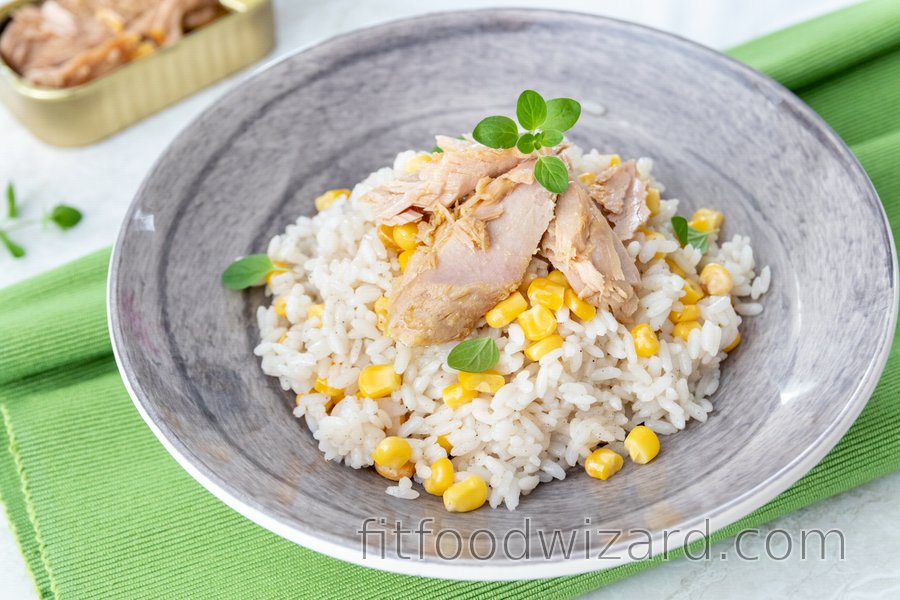
Is Tuna And White Rice Good For Weight Loss?
Picture this: a simple combination of tuna and white rice not only satisfies your palate but also aligns with your weight loss goals. Often underestimated, this duo can be a silent powerhouse. Tuna, being rich in protein and omega-3 fatty acids, pairs seamlessly with the low-fat, carbohydrate-rich profile of white rice.
Historically, diets incorporating both elements have shown promising results. Tuna offers high satiety and minimal calories, while white rice provides quick energy without excessive fat. According to recent studies, incorporating fish like tuna twice a week can enhance metabolic health, aiding weight management effectively.
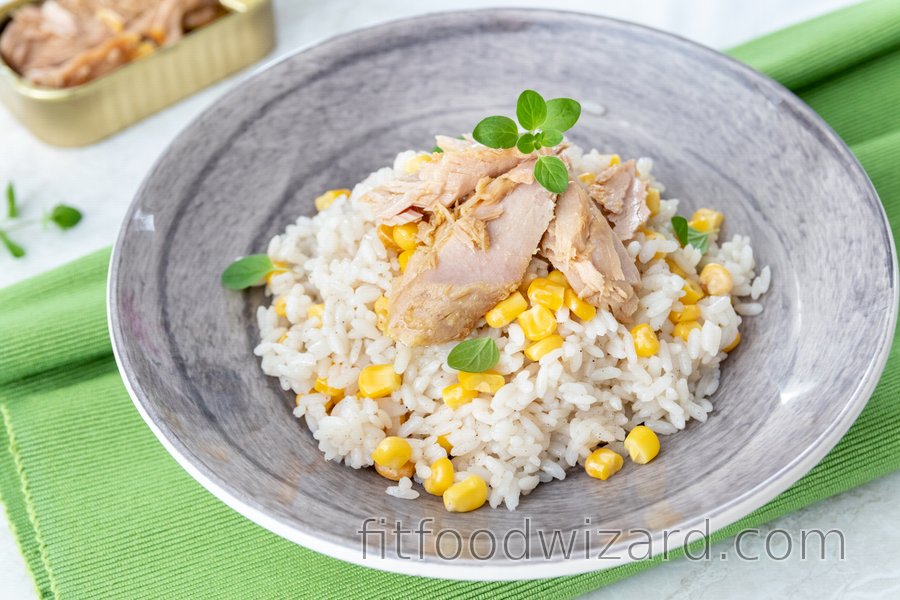
Understanding the Nutritional Profiles of Tuna and White Rice
The Nutritional Power of Tuna
Tuna is a protein-rich fish that plays a crucial role in muscle repair and growth. One serving of tuna provides about 20 grams of protein, making it an excellent choice for those looking to increase their protein intake. Additionally, it contains essential omega-3 fatty acids that promote heart health.
Omega-3s also contribute to reducing inflammation in the body. Besides these, tuna is low in both fat and calories, making it ideal for weight loss.
White Rice: Quick Energy Source
White rice is a staple food that offers a quick source of energy due to its carbohydrate content. A single serving of white rice can give you around 45 grams of carbohydrates. This makes it perfect for replenishing energy levels after physical activities.
Although white rice is often criticized for being less nutritious than brown rice, it is still low in fat and easy to digest. It also contains minimal amounts of protein and fiber.
Balancing Tuna and White Rice
Pairing tuna and white rice offers a balanced meal option. While tuna gives you the essential proteins and healthy fats, white rice provides the necessary carbohydrates for energy. This combination ensures you get a well-rounded meal.
To optimize their nutritional benefits, consider portion control. Too much of anything can steer you away from your weight loss goals, so measure your servings carefully.
Vitamins and Minerals Present
Both tuna and white rice contain essential vitamins and minerals. Tuna is rich in B vitamins, especially niacin, which supports metabolism and skin health. It also provides selenium, an important antioxidant.
On the other hand, white rice offers small amounts of iron and magnesium. While not as nutrient-dense as whole grains, it still provides some essential nutrients. This combination can help fill in dietary gaps effectively.
Importance of Balanced Diet in Weight Loss
A balanced diet is crucial for effective weight loss. When your meals include a variety of food groups, you ensure you're getting all necessary nutrients. This helps support overall health and well-being.
Combining Macros: Protein, Carbohydrates, and Fats
Proteins help build and repair tissues and are vital for muscle development. Carbohydrates provide the energy needed for daily activities. Fats, though often misunderstood, are essential for hormone production and cell health.
Each of these macronutrients plays a unique role in our body’s function. Balancing them correctly can maximize your weight loss efforts.
Consider a meal that includes lean protein, whole grains, and healthy fats. This provides a comprehensive nutrient profile.
The Role of Micronutrients: Vitamins and Minerals
Micronutrients like vitamins and minerals support bodily functions such as metabolism and immune response. Deficiencies can lead to health issues and negatively impact weight loss goals.
Including a variety of fruits and vegetables ensures you get these essential nutrients. For example, leafy greens are a great source of iron and calcium.
In other words, focusing only on calories is not enough. Nutrient-rich foods are important for sustainable weight loss.
Benefits of Eating Whole Foods
Whole foods like fruits, vegetables, and whole grains provide more fiber and nutrients than processed foods. They help in maintaining a healthy digestive system and keep you feeling full longer.
Processed foods often contain added sugars and unhealthy fats. These can derail your weight loss efforts.
Swapping processed snacks for whole fruits can make a significant difference. It’s an easy change that pays off in the long run.
How Tuna and White Rice Aid in Weight Loss?
Tuna is packed with protein, which helps keep you full and satisfied longer. This reduces the urge to snack between meals and wards off extra calories. Additionally, the omega-3 fatty acids in tuna boost metabolism and promote fat burning.
White rice, though misunderstood, provides quick energy without the added fats. It's easy to digest, making it a great option for those looking to maintain energy levels during workouts. When eaten in moderation, it can complement your weight loss diet effectively.
The combination of tuna and white rice creates a balanced meal. Protein from tuna and carbs from white rice work together to keep your energy levels stable. This helps you stay active and burn more calories throughout the day.
Portion control plays a key role. By measuring your servings, you can avoid overeating while still getting essential nutrients. Using smaller plates and bowls can help manage portions and support your weight loss goals.
Recommended Amount of Tuna and White Rice for Weight Loss
The ideal portion for tuna is about 3-4 ounces per meal. This ensures you get enough protein without overloading on calories. Tuna in this serving size offers approximately 20-25 grams of protein, perfect for weight loss.
For white rice, a serving size of 1/2 to 1 cup cooked is generally recommended. This amount provides around 100-200 calories and sufficient carbs to keep your energy up. It’s essential to measure to avoid excessive calorie intake.
Using a food scale can be helpful in achieving accurate portion sizes. This ensures you’re consistently eating the right amount of tuna and rice. Consistency is key to maintaining a balanced diet and supporting weight loss goals.
If you’re incorporating these meals multiple times a week, consider varying your tuna preparations. Grill, bake, or mix it in salads to keep things interesting. Variety keeps your diet enjoyable and sustainable.
Combining these portions with a side of vegetables can enhance the meal's nutritional profile. Adding greens or steamed veggies can boost fiber intake, aiding digestion and satiety. Balanced meals are more satisfying and beneficial for long-term success.
Remember, portion control is crucial. Eating more than the recommended amounts can slow your progress. Stick to the guidelines to help stay on track.
Incorporating Tuna and White Rice into a Weight Loss Diet
Meal prepping is an effective way to include tuna and white rice in your diet. Prepare your meals in advance to avoid unhealthy options. For instance, cook a week's worth of tuna and rice and store them in portioned containers.
- Grilled tuna with lemon and herbs
- Steamed white rice with a side of vegetables
- Tuna salad bowl with mixed greens and rice
Use different cooking methods to keep your meals exciting. You can grill, bake, or even sear tuna to change the flavors. For white rice, try adding herbs or spices to enhance its taste without adding extra calories.
Pair your tuna and white rice with other healthy foods. Include a variety of colorful vegetables to make your meal more nutritious. Vegetables like broccoli, carrots, and bell peppers can add vitamins and fiber.
Incorporate snacks that complement your main meals. This could be a small portion of tuna on whole-grain crackers or a handful of nuts. Snacking smartly can keep your metabolism active and prevent overeating during meals.
Lastly, listen to your body. Adjust the portions of tuna and white rice based on your hunger and activity levels. By paying attention, you can better support your weight loss journey.
Risks and Considerations of Eating Tuna and White Rice for Weight Loss
Consuming tuna has its risks, primarily due to mercury content. High mercury levels can affect your nervous system. It's advisable to limit tuna intake to two times a week to minimize risks.
White rice, being a refined carbohydrate, can cause blood sugar spikes. This may lead to energy crashes and increased hunger. Choosing whole grains occasionally can help stabilize blood sugar levels.
An imbalanced diet focusing only on tuna and white rice may lack essential nutrients. Diverse food groups provide a wider range of vitamins and minerals. Incorporating fruits, vegetables, and other protein sources is vital.
- Aim for variety in your meals.
- Include leafy greens and legumes.
- Rotate different protein sources like chicken and beans.
Listening to your body's responses is essential. If you experience discomfort or adverse reactions, consider adjusting your diet. Consulting a healthcare provider can offer personalized advice.
Finally, portion control is crucial. Overeating tuna or white rice can negate weight loss benefits. Stick to recommended servings to maintain balance and achieve your goals.
Weight Loss: Beyond Just Diet
While diet plays a significant role in weight loss, it's not the only factor. Exercise is crucial for burning calories and building muscle. Combining both can accelerate your results.
Regular physical activity improves overall health. Activities like walking, running, or resistance training can enhance your fitness level. It also boosts your mood and energy levels.
Mental well-being should not be overlooked. Stress management techniques such as meditation and yoga are valuable. They help reduce stress hormones that may contribute to weight gain.
| Activity | Calories Burned (Per Hour) |
|---|---|
| Walking (3 mph) | 200-300 |
| Running (6 mph) | 600-800 |
| Cycling (10 mph) | 400-600 |
Adequate sleep also plays a role in weight loss. Lack of sleep can affect hunger hormones and lead to poor food choices. Aim for at least seven hours of quality sleep per night.
- Create a consistent sleep schedule.
- Avoid caffeine before bedtime.
- Create a relaxing bedtime routine.
Sustainable weight loss involves creating healthy habits that you can maintain long-term. This includes balanced eating, regular exercise, managing stress, and getting enough sleep. Combining these elements supports overall well-being and effective weight management.
Professional Guidance for Weight Loss
Seeking professional help can greatly improve your weight loss journey. Dietitians and nutritionists are experts who can create personalized meal plans. They consider individual health needs and goals to ensure a balanced approach.
For those who enjoy eating tuna and white rice, experts can guide on portion control and variety. They might suggest other nutrient-rich foods to pair with these staples. A well-rounded diet prevents nutrient deficiencies while still aiding weight loss.
Having regular check-ins with a healthcare provider can also be beneficial. This helps monitor progress and make necessary adjustments. Consistent evaluations can help you stay on track with your weight loss goals.
- Schedule monthly visits with a dietitian.
- Keep a food diary to track eating habits.
- Follow professional advice strictly for best results.
Physical trainers can offer exercise regimes that complement your diet. Customized workout plans can amplify your weight loss efforts. They ensure exercises are done correctly to prevent injuries.
Support groups and counseling are other forms of professional assistance. Sharing experiences and challenges with others on a similar journey can be motivating. Emotional support is crucial for sustainable weight loss.
Frequently Asked Questions
If you're curious about using tuna and white rice for weight loss, these commonly asked questions might help. Each answer provides useful insights to better understand their impact on your diet.
1. Can I eat tuna every day for weight loss?
Eating tuna every day may not be advisable due to its mercury content. While it offers high protein and omega-3s, consuming large amounts can lead to mercury accumulation in the body. It's generally recommended to limit tuna intake to 2-3 times a week.
Alternating with other lean proteins like chicken or beans is a safer strategy. This approach provides variety and reduces the risk of mercury exposure while still supporting your weight loss goals.
2. Is white rice less effective than brown rice for losing weight?
White rice digests faster than brown rice, offering quick energy but potentially spiking blood sugar levels. Brown rice has more fiber, aiding digestion and keeping you fuller longer, which can help with weight control.
If you prefer white rice, pairing it with veggies and proteins can balance your meal. Both types of rice have their benefits; choose based on your dietary needs and preferences.
3. What are the best ways to prepare tuna for weight loss?
The healthiest ways to prepare tuna include grilling, baking, or searing with minimal oil. Avoiding heavy sauces or frying helps keep the calorie count low while preserving its nutritional value.
You can also add herbs and spices for flavor without adding extra calories. Such preparation methods ensure you get a tasty yet healthy meal that supports your weight loss journey.
4. Are there any side effects of eating too much white rice?
Eaten in large quantities, white rice can cause rapid spikes in blood sugar levels due to its high glycemic index. Over time, this may lead to an increased risk of type 2 diabetes and obesity if not managed properly.
Balancing your diet with whole grains and fiber-rich foods can mitigate these risks. It’s important to enjoy white rice in moderation as part of a balanced diet.
5. How do I balance my diet when including tuna and white rice?
A balanced diet includes a variety of food groups such as vegetables, fruits, whole grains, proteins, and dairy products. Adding leafy greens or colorful veggies alongside tuna and white rice enriches the meal with essential vitamins and minerals.
This ensures you get all necessary nutrients while making sure you're not over-relying on just two food items for your nutrition needs. Maintain portion control for each component to support effective weight management.
Conclusion
Incorporating tuna and white rice into a weight loss diet can be effective when done mindfully. Balance is key, ensuring your meals are varied and rich in essential nutrients. Portion control plays a crucial role to avoid potential risks like mercury exposure and blood sugar spikes.
By pairing tuna and white rice with vegetables and lean proteins, you can create a balanced, nutrient-dense meal. Consulting healthcare professionals can further tailor these choices to your specific needs, helping you achieve sustainable weight loss goals.
