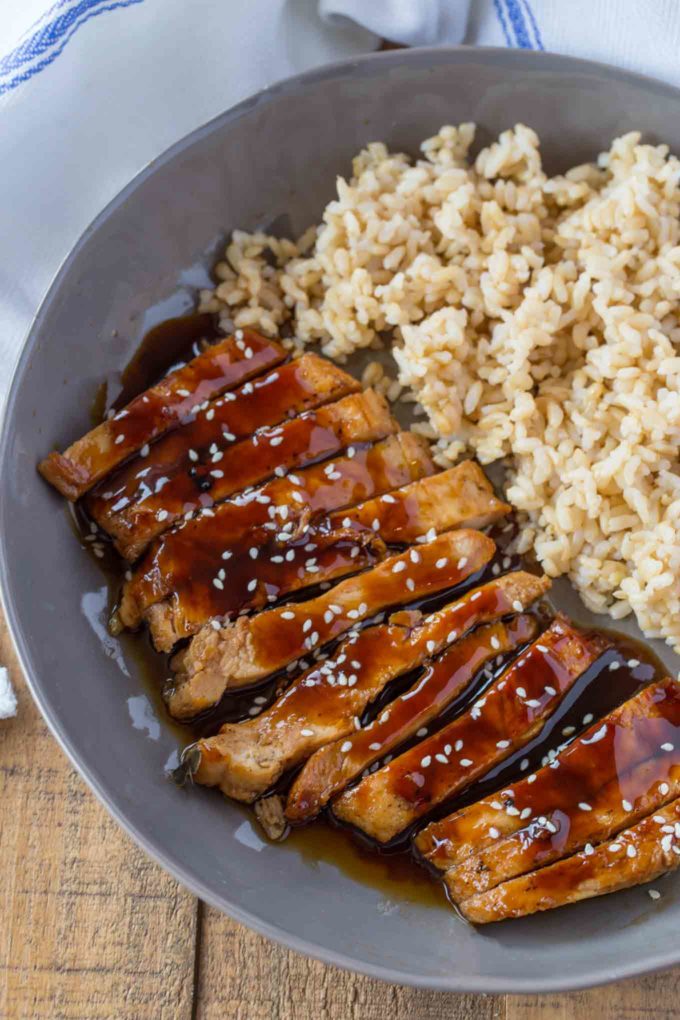
Is Teriyaki Chicken Good For Weight Loss?
Teriyaki chicken has become a beloved dish worldwide, but is it a friend or foe when it comes to weight loss? The succulence of the teriyaki glaze combined with perfectly cooked chicken can make anyone's mouth water. However, let's explore whether this delectable dish aligns with weight loss goals.
The secret to its weight loss potential lies in its preparation methods and ingredient choices. While chicken is a lean protein, the teriyaki sauce can often contain high amounts of sugar and sodium. Opting for a homemade version or a sauce with reduced sugar and sodium levels can make teriyaki chicken a healthier option for those aiming to shed pounds.
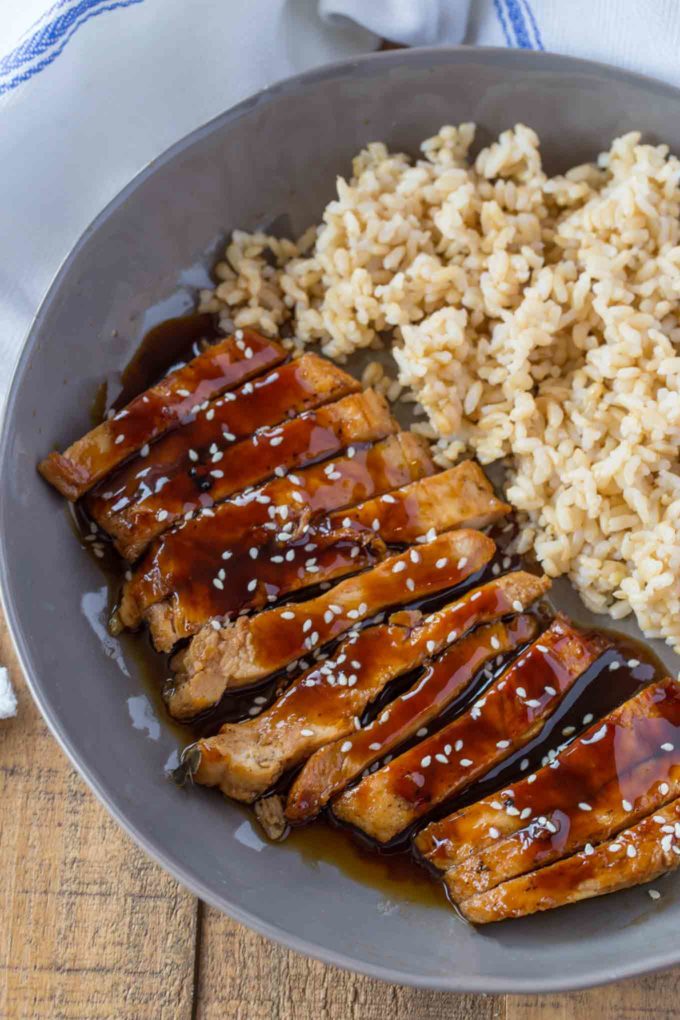
Defining Teriyaki Chicken
Teriyaki chicken is a popular Japanese dish known for its unique flavor profile. The dish involves grilling or broiling chicken that has been marinated in a special teriyaki sauce. This sauce usually includes soy sauce, sake, ginger, and sugar.
The word "teriyaki" comes from two Japanese words: "teri" meaning "shine" and "yaki" meaning "grill." This refers to the glossy coating on the chicken after it's grilled with the sauce. The shine makes the dish visually appealing.
This dish is often served with rice and vegetables, making it a balanced meal. In Japan, teriyaki chicken is a traditional favorite, and it has gained considerable popularity around the world. Its tasty combination of sweet and savory elements has made it a hit.
Making teriyaki chicken at home allows for healthier modifications. You can adjust the sugar and sodium levels in the sauce to suit dietary needs. This makes it not only delicious but also adaptable.
Nutritional Value of Teriyaki Chicken
Teriyaki chicken offers both flavor and nutrition, making it a popular dish. Understanding its nutritional value can help you make healthier choices. Let's look at what this delicious dish has to offer.
Macronutrient Content
Teriyaki chicken is a good source of protein. Protein is essential for muscle growth and repair. A typical serving of teriyaki chicken provides around 30 grams of protein.
The dish also contains fat, primarily from the chicken skin and meat. The amount of fat can vary depending on the cut of chicken used. Choosing skinless chicken breast can reduce fat content.
Carbohydrate content comes mainly from the teriyaki sauce. The sauce often contains sugar, which can add to the carb count. Opting for a low-sugar sauce can make the dish healthier.
Micronutrient Content
Teriyaki chicken provides several important vitamins and minerals. Chicken itself is rich in B vitamins, such as B6 and B12, which help with energy production.
The soy sauce in the teriyaki marinade contributes some micronutrients. For example, it contains small amounts of iron and potassium. However, soy sauce also adds sodium, which we’ll discuss next.
Sodium is a major component of teriyaki sauce. High sodium intake can lead to increased blood pressure. Using low-sodium soy sauce is a good way to keep this in check.
Calorie Content
Calories in teriyaki chicken can vary. A standard serving might have around 250 to 400 calories. This largely depends on portion size and ingredients used.
Fat and sugar contribute to the overall calorie count. Paying attention to these can help manage your calorie intake.
It's important to balance your meal. Pairing teriyaki chicken with vegetables and whole grains can provide a more rounded nutritional profile.
The Role of Protein in Weight Loss
Protein plays a key role in weight loss. It helps build and repair muscles, which is essential when you're exercising. The more muscle mass you have, the more calories you burn, even at rest.
One of the benefits of a high-protein diet is increased satiety. Protein takes longer to digest than carbs or fats. This means you feel fuller for longer, reducing the likelihood of overeating.
Consuming protein also has a higher thermic effect. This means your body uses more energy to digest protein compared to fats and carbohydrates. In other words, protein helps burn more calories during digestion.
There are many good sources of protein, such as lean meats, eggs, and legumes. Including these in your diet can support your weight loss goals. Making smart choices about protein sources is crucial for maximizing weight loss benefits.
The Influence of Teriyaki Sauce on Weight Loss
Teriyaki sauce can greatly influence the overall healthiness of your meal. While it adds flavor, it also adds sugar and sodium. These ingredients can impact your weight loss goals if not managed properly.
One of the main components of teriyaki sauce is sugar. High sugar intake can lead to increased calorie consumption, which may hinder weight loss. Choosing low-sugar alternatives or making homemade versions can help control this.
Sodium is another concern with teriyaki sauce. Excessive sodium can cause water retention and bloating, making you feel heavier. Reducing the amount of soy sauce or using low-sodium options can mitigate this issue.
It's also important to consider portion size. Even a healthy version of teriyaki sauce can add up if used excessively. Moderation is key to maintaining a balanced diet.
Despite these concerns, teriyaki sauce offers some nutritional benefits. It contains small amounts of essential minerals like iron and potassium. These can contribute to your overall nutrient intake.
Enhancing the nutritional value of teriyaki sauce without sacrificing taste is possible. Simple changes, like adding fresh ginger or using natural sweeteners, can make a big difference. These tweaks can support your weight loss journey while keeping your meals flavorful.
Healthy Alternatives to Standard Teriyaki Sauce
Finding healthier alternatives to standard teriyaki sauce can make meals both delicious and nutritious. One option is to make your own sauce at home. This way, you control the ingredients and can use less sugar and sodium.
Another healthy alternative is using tamari instead of soy sauce. Tamari generally contains less wheat and tastes less salty. This is a good choice for those looking to reduce their sodium intake.
- Low-sodium soy sauce
- Fresh ginger and garlic
- Natural sweeteners like honey or agave
These ingredients can make a big difference. For a sweet touch, using natural sweeteners like honey or agave can replace sugar. They offer the same flavor without the harmful effects.
Many store-bought options are now available that focus on health. Look for labels that say "low-sodium" or "unsweetened." These alternatives are designed to help you stay on track with your weight loss goals.
Experimenting with these alternatives can also be fun. You can find the perfect blend that suits your taste while keeping your meals healthy. Customizing your teriyaki sauce makes it easier to stick to a balanced diet.
How to Incorporate Teriyaki Chicken into a Balanced Diet
Incorporating teriyaki chicken into a balanced diet is easier than you might think. First, focus on portion control to avoid overeating. A serving size of about 3 to 4 ounces of chicken is ideal.
Pair your teriyaki chicken with a variety of vegetables. Veggies like broccoli, bell peppers, and carrots not only add color but also provide essential nutrients. Steaming or lightly sautéing the vegetables can keep their nutritional value intact.
Whole grains make an excellent side for teriyaki chicken. Choose brown rice, quinoa, or whole-grain noodles. These options offer more fiber and nutrients than their refined counterparts.
For a balanced meal, aim to fill half your plate with vegetables, a quarter with chicken, and a quarter with whole grains. This ratio ensures you get the right mix of protein, fiber, and essential nutrients. It also keeps the meal satisfying without being overly caloric.
- Include leafy greens like spinach or kale
- Opt for low-sodium teriyaki sauce options
- Incorporate healthy fats like avocado or nuts
Adding healthy fats to your meal can also be beneficial. Avocado slices or a sprinkle of nuts can add both flavor and good fats. These fats are essential for overall health and can make the meal more satisfying.
Other Factors to Consider for Effective Weight Loss
Effective weight loss is about more than just diet. Regular physical activity plays a crucial role in burning calories and improving overall health. Aim for at least 30 minutes of exercise most days of the week.
Staying hydrated is another important factor. Drinking water helps control hunger and keeps your body functioning properly. Replace sugary drinks with water or low-calorie beverages to reduce unnecessary calorie intake.
- Adequate sleep
- Stress management techniques
- Consistent meal timing
Adequate sleep can also influence weight loss. Lack of sleep can disrupt hormones that control hunger, leading to overeating. Strive for 7-9 hours of quality sleep each night.
Stress management is often overlooked but very important. High stress levels can lead to emotional eating and poor food choices. Practicing mindfulness or engaging in stress-relieving activities can help keep this in check.
Consistent meal timing helps regulate metabolism and prevents overeating. Skipping meals can lead to excessive hunger and larger portions later on. Try to eat at regular intervals throughout the day for better results.
Teriyaki Chicken and Weight Loss: Final Thoughts
Teriyaki chicken can be a part of a weight loss plan if prepared thoughtfully. Choosing lean cuts of chicken and using a low-sugar, low-sodium sauce are key factors. These adjustments make the dish healthier.
Adding a variety of vegetables can enhance the meal's nutritional value. Vegetables provide essential vitamins and minerals while adding fiber. Fiber helps you feel fuller longer, which can aid in weight management.
Whole grains like brown rice or quinoa serve as excellent sides. They offer more nutrients and fiber compared to refined grains. This keeps your meal balanced and satisfying.
Consider the importance of portion control. Even a healthy meal can contribute to weight gain if portions are too large. Stick to recommended serving sizes to keep your calorie intake in check.
Incorporating teriyaki chicken into a balanced diet involves mindful eating. Being aware of ingredients and portion sizes helps maintain a healthy weight. Making small tweaks can make a big difference.
While teriyaki chicken is tasty and versatile, it's important to consider the overall meal. Balance it with other nutrient-rich foods to support your weight loss journey effectively. These strategies can help you enjoy your meals while working toward your goals.
Frequently Asked Questions
Teriyaki chicken is a popular dish that many people enjoy. Below are some common questions and answers related to its nutritional value and health benefits.
1. Can I make teriyaki sauce healthier at home?
Yes, you can make teriyaki sauce healthier by using low-sodium soy sauce and natural sweeteners like honey or agave. Adding fresh ginger and garlic can also boost flavor without adding extra sugar or sodium.
Homemade variations allow you to control the ingredients, making it easier to adhere to dietary restrictions. Experimenting with different herbs and spices can further enhance the sauce's nutritional content while keeping it delicious.
2. What are the main nutrients found in teriyaki chicken?
Teriyaki chicken is rich in protein, essential for muscle growth and repair. The dish also contains various vitamins like B6 and B12 from the chicken and small amounts of iron and potassium from the soy sauce.
The dish does include some fats and carbs, mainly from the marinade, but choosing lean cuts of chicken helps minimize unhealthy fat intake. It's a balanced meal when paired with vegetables.
3. Are there vegetarian alternatives to teriyaki chicken?
Absolutely! You can use tofu or tempeh as a vegetarian base for teriyaki dishes. These plant-based proteins absorb the marinade well, offering similar flavors to traditional teriyaki chicken.
Additions like mushrooms, bell peppers, and broccoli can round out the meal, providing essential vitamins and minerals. This makes for a nutritious vegetarian alternative that's equally satisfying.
4. How do portion sizes affect weight loss when eating teriyaki chicken?
Portion sizes play a significant role in weight loss, even with healthy foods like teriyaki chicken. A typical serving should be around 3-4 ounces of chicken paired with vegetables and whole grains for balance.
Larger portions can increase calorie intake, which may hinder weight loss efforts. Being mindful of serving sizes ensures you benefit from the nutrients without overeating.
5. What side dishes go well with teriyaki chicken for a healthy meal?
A variety of side dishes pair well with teriyaki chicken to create a balanced meal. Whole grains like brown rice or quinoa complement the protein-rich main dish while adding fiber.
Baked or steamed vegetables such as broccoli, carrots, or green beans add color and essential nutrients without many extra calories. These choices make your meal both tasty and nutritious.
Conclusion
Teriyaki chicken can be a nutritious addition to your diet, especially when prepared with healthier ingredients. Lean cuts of chicken, low-sugar sauces, and plenty of vegetables ensure you get essential nutrients without excess calories. Balance and portion control are key to making it a weight-loss-friendly meal.
Being mindful of your overall diet and incorporating physical activity will further support your weight loss goals. Small tweaks in preparation and thoughtful side dish choices can transform teriyaki chicken into a delicious, healthful option. Embrace these changes to enjoy a satisfying yet nutritious meal journey.
