Is Sprinting Or Jogging Better For Weight Loss?
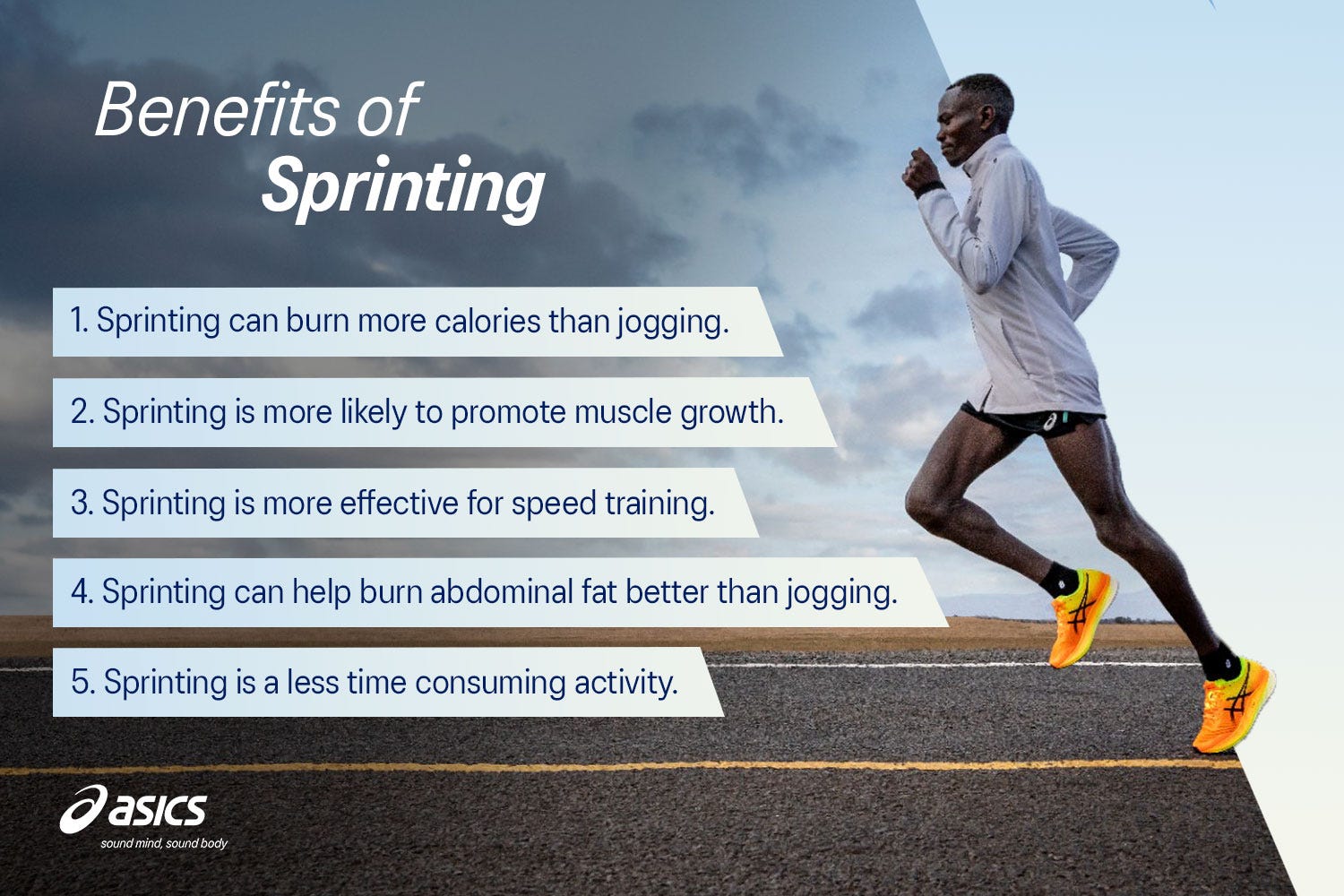
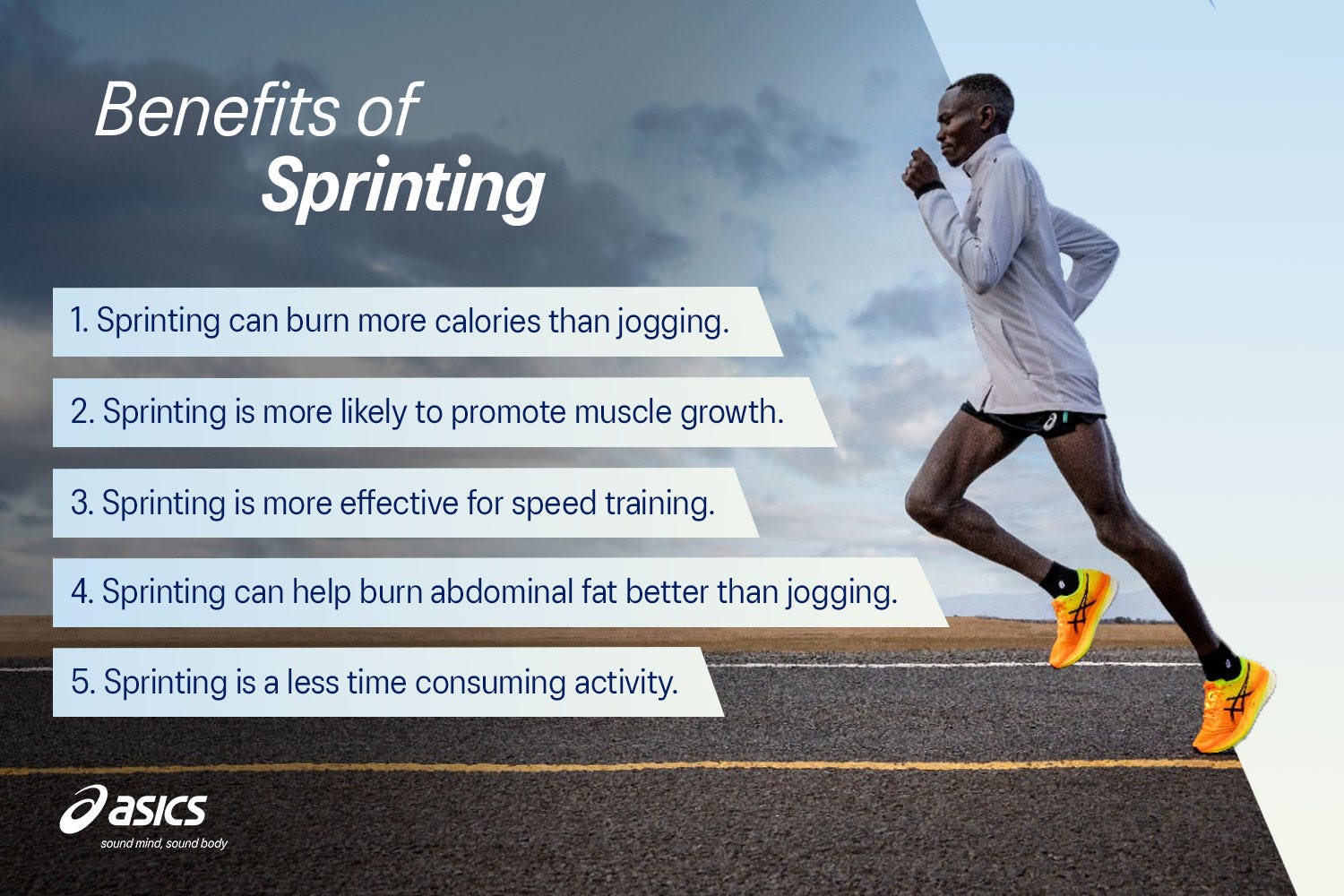
When it comes to weight loss, one might wonder which is more effective: sprinting or jogging? If you look at elite athletes, you'll notice sprinters often have lean, muscular physiques, while joggers tend to have slimmer, endurance-built frames. This stark contrast raises an interesting point—could the intense bursts of energy characteristic of sprinting torch more calories compared to the steady pace of jogging?
Historically, steady-state cardio like jogging has been a go-to for weight loss due to its accessibility and lower injury risk. However, recent studies reveal that high-intensity interval training (HIIT), which includes sprinting, can burn significantly more calories in a shorter time. For instance, a 2017 study published in the "Journal of Strength and Conditioning Research" showed participants who did sprints burned up to 30% more calories than those who jogged.
Decoding Sprinting and Jogging
Sprinting and jogging are two popular forms of running, but they are quite different. Sprinting involves running at maximum speed for short distances. This requires a burst of energy and intense effort.
Jogging, on the other hand, is a slower and steady form of running. It is usually done at a comfortable pace and can be maintained for longer periods. This makes jogging less intense but more enduring.
The physical demands of each activity vary significantly. Sprinting requires quick, explosive movements that engage multiple muscle groups. In contrast, jogging focuses more on endurance and continuous movement.
Both activities offer health benefits, but they target different fitness goals. Sprinting builds muscle and boosts metabolism quickly. Jogging improves cardiovascular health and stamina over time.
Understanding Calories and Weight Loss
Calories play a crucial role in weight loss. A calorie is a measure of energy that your body needs for daily activities. Consuming fewer calories than you burn leads to weight loss.
Caloric Expenditure
Caloric expenditure refers to the number of calories your body uses daily. This varies based on activity level, age, and metabolism. Physical activities like sprinting and jogging increase caloric expenditure.
Your basal metabolic rate (BMR) also affects how many calories you burn. BMR is the number of calories your body uses at rest. Engaging in regular exercise can boost your BMR.
Combining exercise with a balanced diet is key to effective calorie management. This helps ensure you burn more calories than you consume.
Calories In vs. Calories Out
The concept of "calories in vs. calories out" is fundamental to weight loss. It means balancing the calories you eat with those you burn. To lose weight, you need to create a caloric deficit.
This can be achieved by eating fewer calories, exercising more, or both. Even small changes can make a difference over time. Tracking your intake and exercise can help maintain this balance.
Various apps and devices can assist in tracking calories and activity. These tools make it easier to manage your caloric intake and expenditure.
Factors Affecting Caloric Burn
Several factors influence how many calories you burn. Age, gender, and weight all play a role. Generally, younger people and men burn more calories.
Muscle mass also impacts caloric burn. More muscle means a higher BMR, leading to more calories burned even at rest. Types of exercise, like sprinting or jogging, also matter.
Additionally, the intensity and duration of exercise affect caloric burn. High-intensity activities, such as sprinting, burn calories faster. Jogging, being less intense, might require longer durations to burn the same calories.
The Impact of Sprinting on Weight Loss
Sprinting offers a powerful way to burn calories and shed pounds. The intensity of sprinting demands significant energy, helping you burn more calories in a shorter time. This high-intensity exercise can lead to rapid weight loss.
One key benefit of sprinting is its afterburn effect. After a sprint session, your body continues to burn calories at a higher rate. This is known as excess post-exercise oxygen consumption (EPOC).
Sprinting also builds muscle, which further aids in weight loss. More muscle mass increases your basal metabolic rate (BMR). This means you burn more calories even when you're not exercising.
Incorporating sprints into your fitness routine can be straightforward. Try adding sprint intervals to your jogging sessions. This combo maximizes calorie burn and enhances overall fitness.
The Impact of Jogging on Weight Loss
Jogging is an effective and steady method to lose weight. By maintaining a moderate pace, jogging helps burn calories consistently over time. This form of exercise can be integrated easily into daily routines.
One of the main benefits of jogging is its accessibility. You don't need special equipment; a good pair of running shoes will suffice. This makes jogging a cost-effective way to manage weight.
Jogging also improves cardiovascular health. A healthy heart boosts your overall metabolism, aiding in weight loss. Combined with a balanced diet, jogging can be very effective.
Another advantage of jogging is its impact on mental well-being. Running outdoors can reduce stress, which often contributes to weight gain. Lower stress levels can make it easier to stick to a healthy lifestyle.
Moreover, the duration of jogging plays a crucial role. Longer jogs at a steady pace can result in substantial calorie burn. Even if the intensity is lower than sprinting, the extended time helps in weight management.
Jogging can be adapted to various fitness levels. Beginners can start with shorter distances and gradually increase their pace and duration. This progressive approach helps sustain weight loss efforts over the long term.
Comparing Sprinting and Jogging for Calorie Burning
Sprinting and jogging both help in burning calories but in different ways. Sprinting burns calories quickly due to its high intensity. This makes it ideal for those looking to shed weight fast.
Jogging, however, offers a more gradual approach to calorie burning. It requires longer sessions to achieve the same calorie burn as sprinting. The sustained effort pays off over time.
Let's take a look at a comparison table:
| Aspect | Sprinting | Jogging |
|---|---|---|
| Intensity | High | Moderate |
| Calories Burned (30 mins) | 500 | 300 |
| Duration | Short | Long |
| Muscle Engagement | High | Moderate |
Another factor to consider is recovery time. Sprinting requires more recovery due to its intensity. On the other hand, jogging allows for shorter recovery periods, making it easier to do frequently.
Each person's fitness level and weight loss goals will dictate which method works best. Combining both sprinting and jogging can provide the most balanced approach.
Other Benefits of Sprinting
Sprinting is not just great for weight loss; it offers several other health benefits. One significant advantage is that it builds muscle mass. This is due to the high-intensity nature of sprinting.
Sprinting also enhances cardiovascular health. Short bursts of intense activity strengthen the heart and improve blood circulation. This can reduce the risk of heart-related diseases.
Mental health benefits are another perk of sprinting. The rush of endorphins during a sprint can boost mood and reduce stress. This makes it an excellent exercise for mental well-being.
Let’s highlight some key benefits in a list:
- Increases metabolism
- Improves endurance
- Enhances agility and coordination
- Boosts immune system
In addition, sprinting can enhance agility and coordination. Quick, powerful strides improve motor skills and overall body control. This is particularly beneficial for athletes.
Sprinting also benefits the immune system. Engaging in regular sprints can make you less susceptible to illnesses. Boosting your immune function helps you stay healthier.
Other Benefits of Jogging
Jogging brings numerous health benefits beyond weight loss. It plays a vital role in enhancing cardiovascular health. Regular jogging strengthens the heart and improves blood circulation.
Mental well-being also improves with consistent jogging. The release of endorphins during a run can lift your mood and relieve stress. This makes it an effective way to combat anxiety and depression.
Another advantage of jogging is its impact on joint health. Unlike high-impact sports, jogging is gentler on the joints when done correctly. This can help maintain joint flexibility and reduce arthritis risk.
A quick list of benefits includes:
- Improves lung capacity
- Boosts immune function
- Increases bone density
- Aids in better sleep quality
Jogging can also improve lung capacity over time. By engaging in regular runs, your lungs become more efficient at oxygen exchange. This enhances overall respiratory health.
Sleep quality often improves with regular jogging as well. Physical fatigue combined with mental relaxation helps you fall asleep faster and enjoy deeper sleep. A good jog can be the key to a restful night.
Getting Started with Sprinting or Jogging
Before starting with sprinting or jogging, make sure you have the right gear. Invest in a good pair of running shoes to prevent injuries. Wearing comfortable, breathable clothing is also essential.
Warming up is crucial for both activities. Start with light stretches or a slow walk to prepare your muscles. This helps to prevent cramps and improves performance.
If you're new to running, it's better to start with jogging. Gradually increase your pace and distance over time. Once you're comfortable, you can add sprint intervals.
- Start with jogging twice a week
- Incorporate sprint intervals after 2-3 weeks
- Always cool down with a walk
Set realistic goals to stay motivated. Track your progress with a running app. This can help you see improvements and keep you committed.
Lastly, listen to your body. Rest if you feel sore or exhausted. Consistency is key, but so is avoiding overtraining.
Frequently Asked Questions
Below you'll find answers to some common questions about sprinting and jogging for weight loss. These responses are designed to help you understand the benefits of each exercise.
1. What is the ideal duration for a sprint workout?
An effective sprint workout can last between 20 to 30 minutes. This includes warm-up, sprints, and cool-down periods. Each sprint should last around 20-30 seconds, followed by a recovery period of up to two minutes.
This high-intensity interval training (HIIT) format helps burn calories quickly. It's efficient for those looking for quick and effective workouts. Regular sessions can significantly improve cardiovascular health and muscle strength.
2. How often should I jog per week to lose weight?
Aiming for three to five jogging sessions per week is ideal for weight loss. Each session should last at least 30 minutes to effectively burn calories. Consistency is key in seeing gradual weight loss results with jogging.
Jogging regularly not only helps in burning calories but also improves endurance over time. Combined with a balanced diet, it can significantly contribute towards sustainable weight loss goals.
3. Can combining sprinting and jogging enhance weight loss?
Combining both sprinting and jogging can indeed enhance weight loss efforts. Sprint intervals boost calorie burn rapidly, while jogging helps maintain stamina over longer periods.
This hybrid approach targets different muscle groups and energy systems, offering a comprehensive workout. Mixing high-intensity sprints with steady-state jogging keeps the routine engaging and more effective overall.
4. Are there any precautions to take when starting sprinting or jogging?
It's crucial to wear proper footwear that provides support during both activities. Warming up before starting and cooling down afterward are essential steps.
If you're new to these exercises, start slow and gradually increase intensity or duration as your fitness improves. Consulting a healthcare professional before beginning any new workout regimen is always recommended to avoid injuries.
5. How does each activity affect muscle growth differently?
Sprinting tends to build more muscle due to its explosive nature requiring intense effort from various muscle groups briefly but powerfully.
On the other hand, jogging focuses on endurance training, which helps tone muscles over long durations without necessarily bulking them up considerably.
Conclusion
Whether you choose sprinting or jogging for weight loss depends on your fitness goals and preferences. Sprinting offers quick calorie burn and muscle growth but requires more recovery. Jogging provides a steady, sustainable approach to weight loss and cardiovascular health.
Combining both can maximize results and keep workouts engaging. Always remember to listen to your body and maintain consistency for the best outcomes. Consulting with a fitness professional can further tailor your regimen to your needs.
