Is Roller Skating Good Exercise For Weight Loss?
It's fascinating to know that a mere hour of roller skating can burn up to 600 calories. This fun and dynamic activity not only brings a sense of nostalgia but also serves as an efficient cardiovascular workout. Are we underestimating the benefits of lacing up those skates for fitness?
Roller skating combines both aerobic and anaerobic exercises, making it an effective tool for weight loss. Originating from 18th-century Europe, it's evolved into a sport that enhances balance, coordination, and stamina. Recent studies show that consistent roller skating sessions can improve muscle strength and promote overall well-being, contributing significantly to weight management.
The Basics of Roller Skating
Roller skating has a fascinating history that dates back to the 18th century. It began in Europe and quickly spread worldwide. Today, it remains a popular recreational activity.
There are various styles of roller skating, including artistic, speed, and recreational skating. Each style has its unique techniques and gear. Regardless of the style, all require balance and coordination.
In recent years, roller skating has seen a resurgence, especially during the COVID-19 pandemic. People have turned to it as a fun way to exercise and stay active. Skating rinks and outdoor paths have become popular spots.
Why is roller skating so beloved? It offers a combination of fitness and fun that's hard to beat. Plus, it can be a social activity, allowing friends and families to skate together.
Understanding the Physical Demands of Roller Skating
Roller skating is not just a fun activity, but it also requires significant physical effort. It targets various muscle groups and needs both aerobic and anaerobic capacity. Let's dive into the specifics.
Muscular Utilization in Roller Skating
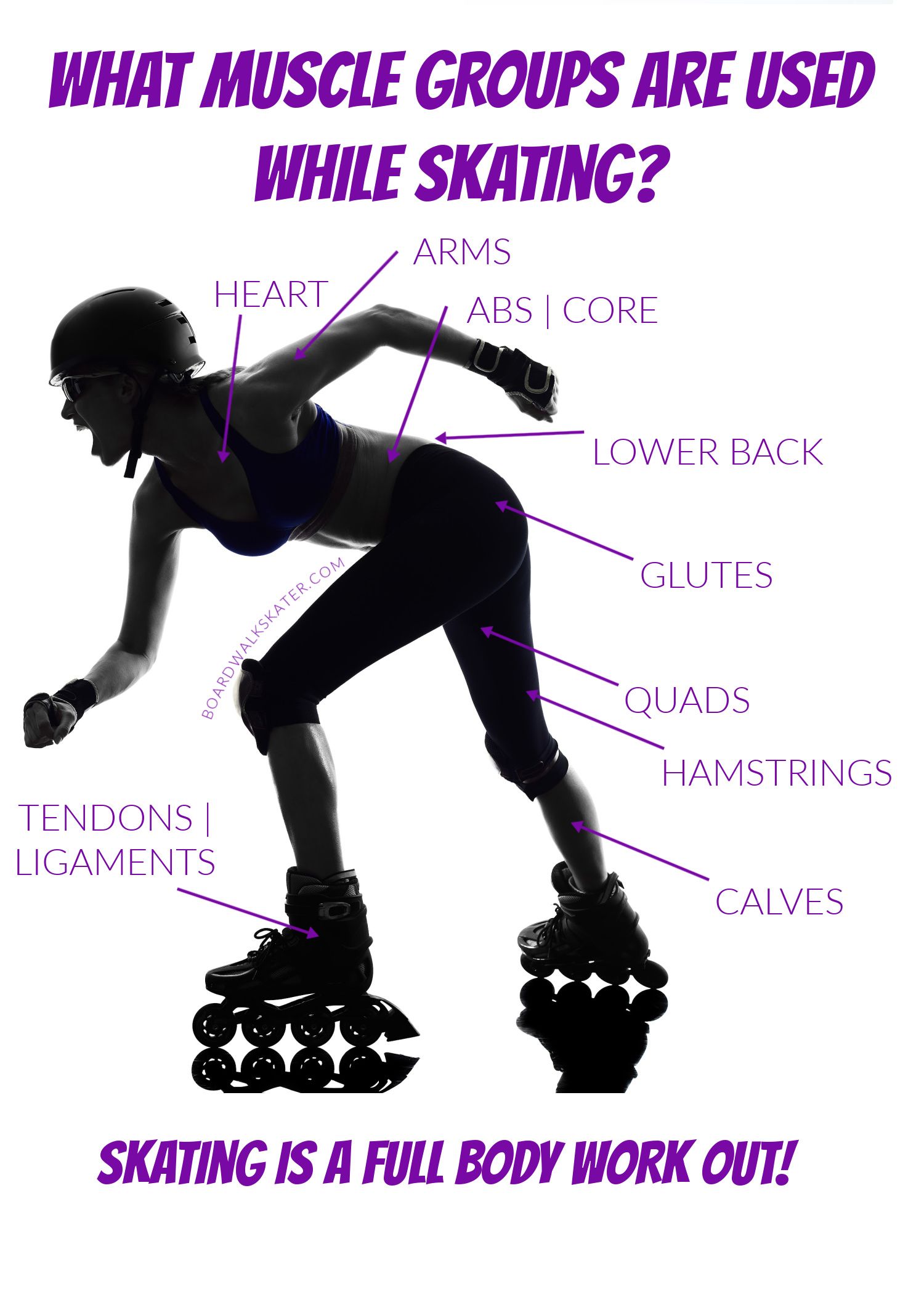
While roller skating, many muscles come into play, especially in the lower body. The thighs, calves, and glutes are heavily engaged. Additionally, the core muscles work to maintain balance and stability.
The arms also play a role, aiding in balance and coordination. This makes roller skating a full-body workout. Engaging multiple muscle groups leads to better muscle tone and strength.
Training sessions can be intense, especially if you include uphill skating or speed drills. These add extra resistance and challenge to your muscles. Thus, it's essential to ensure proper form to avoid injury.
Aerobic and Anaerobic Aspects of Roller Skating
Roller skating combines both aerobic and anaerobic exercises. Aerobic activities like steady skating improve cardiovascular health. They enhance your endurance and stamina over time.
On the other hand, sprinting or navigating through obstacles introduces anaerobic elements. These activities rely on short bursts of energy and build muscle strength and power. Mixing both forms of exercise provides a balanced workout.
Incorporating intervals of high and low intensity makes roller skating even more effective. This way, you can burn more calories and improve overall fitness. The variety also keeps the exercise enjoyable and engaging.
Coordination and Balance in Roller Skating
Maintaining balance on skates requires excellent coordination. Your body continually adjusts to keep you upright and moving smoothly. This improves your proprioception or awareness of your body's position.
- Enhanced coordination reduces the risk of falls and injuries.
- Better balance translates to improved performance in other physical activities.
Practicing roller skating regularly helps refine these skills. Beginners might find it challenging at first, but improvement comes with practice. And it's worth it for the health benefits!
Roller Skating versus Other Exercises
When comparing roller skating to traditional gym workouts, there are distinct advantages. Roller skating offers a full-body workout that targets muscles often ignored by standard exercises. Plus, it's conducted outdoors, which boosts mental health benefits.
Unlike running, roller skating is gentler on the joints. The smooth gliding motion reduces the impact on knees and ankles, making it a safer option for those with joint issues. In contrast, running can lead to repetitive stress injuries over time.
Cycling and roller skating both offer cardiovascular benefits but engage different muscle groups. While cycling primarily targets the lower body, roller skating works on the core and upper body as well. This adds an extra dimension to the workout, making it more comprehensive.
Roller skating also brings unique social benefits. It's often a group activity, fostering community and social interaction. Other exercises like weightlifting can be more solitary endeavors. This social aspect makes roller skating not just fitness, but also fun.
The Calorie Burning Potential of Roller Skating
Roller skating is a fantastic way to burn calories and shed excess weight. An hour of roller skating can burn anywhere from 300 to 600 calories, depending on the intensity. This makes it comparable to other high-calorie-burning activities like running.
One significant advantage of roller skating is that it's a low-impact exercise. This means it puts less stress on your joints compared to activities like jogging or aerobics. Consequently, it's a more sustainable way to maintain a high-calorie burn rate without risking injury.
Roller skating involves continuous motion and varying speeds, which keeps the heart rate elevated. This helps in burning more calories even after the workout is over. The phenomenon is known as excess post-exercise oxygen consumption (EPOC).
Interval skating can enhance calorie burning significantly. This involves alternating between high-speed skating and slower, more relaxed coasting. Such variation can boost metabolism and increase overall calorie expenditure.
According to a study, an average person can burn about 10 calories per minute while roller skating. That's a remarkable rate, especially for an activity that feels more like play than exercise. This high calorie burn makes roller skating an effective addition to any weight loss regimen.
Incorporating roller skating into your weekly exercise routine can yield significant results. Whether it's a solo ride or a group activity, it's a fun way to stay fit. With consistent effort, roller skating can help you achieve your weight loss goals.
Roller Skating for Cardiovascular Health
Roller skating offers immense benefits for cardiovascular health. By keeping the heart rate elevated, it improves blood circulation and oxygen flow throughout the body. Regular skating sessions can lower the risk of heart disease.
Engaging in roller skating can also help reduce cholesterol levels. It actively burns calories and uses fats as an energy source. This is crucial for maintaining a healthy heart and preventing atherosclerosis.
Consistent physical activity like roller skating strengthens the heart muscle. A stronger heart can pump blood more efficiently. This reduces the heart's workload, making it more effective.
One of the best features of roller skating is its adaptability. You can adjust the intensity to suit your fitness level, making it a great option for people of all ages. Whether you're doing relaxed coasting or intense speed skating, your heart remains engaged.
Cardiologists recommend at least 150 minutes of moderate aerobic activity per week. Roller skating fits perfectly into this guideline. Just a few sessions per week can achieve remarkable cardiovascular improvements.
Roller skating is also a fantastic way to relieve stress. Stress can negatively impact heart health, and engaging in enjoyable physical activities helps combat this. Combining fun with exercise makes roller skating a heart-healthy choice.
How Roller Skating Affects Core and Lower Body
Roller skating works wonders for your core. The constant need to balance activates your abdominal muscles. This helps in sculpting a stronger, more toned midsection.
Your lower body also gets a significant workout during roller skating. The motion engages the quadriceps, hamstrings, and calves. Glutes get an excellent workout too, as pushing off with each stride targets these muscles.
Roller skating can also improve your flexibility. The dynamic leg movements enhance the range of motion in your hips and thighs. This added flexibility reduces the risk of muscle strains.
Table:
| Muscle Group | Activity |
|---|---|
| Abdominals | Balancing |
| Quadriceps | Striding |
| Hamstrings | Gliding |
| Calves | Pushing Off |
| Glutes | Striding |
Strengthening the core and lower body enhances overall stability. This can improve performance in other sports and daily activities. It also helps in maintaining good posture.
Regular roller skating can significantly tone these muscle groups. The repetitive motion builds endurance and strength over time. This makes roller skating an excellent choice for comprehensive lower body exercise.
Roller Skating for Mental Health
Roller skating isn’t just great for physical fitness; it also offers significant mental health benefits. The activity releases endorphins, which are known as "feel-good" hormones. This natural high can help reduce stress and anxiety.
Engaging in roller skating helps divert your mind from daily worries. The focus required to balance and navigate provides a form of mindfulness. Being present during skating sessions can improve overall mental clarity.
Social interaction is another key benefit. Many people choose to skate in groups or join clubs, increasing social connectedness. This sense of community combats feelings of loneliness and isolation.
- Improved mood due to endorphin release
- Better focus and mental clarity
- Enhanced social connections
The rhythmic motion of roller skating can also be meditative. Similar to yoga, the repetitive movements offer a calming effect. This peaceful state contributes to reduced symptoms of depression.
An element of fun is inherent in roller skating, making it an enjoyable exercise choice. When you enjoy what you’re doing, you're more likely to stick with it. Hence, roller skating promotes long-term mental well-being through sustained physical activity.
Getting Started with Roller Skating for Fitness
Diving into roller skating for fitness is an exciting journey. The first step is to choose the right skates. Ensure they fit well and provide adequate ankle support.
Next, opt for safety gear like helmets, knee pads, and wrist guards. Protection is crucial to avoid injuries, especially when starting out. This helps build confidence while learning.
- Helmet for head protection
- Knee and elbow pads
- Wrist guards
Begin with short sessions to get comfortable on your skates. Gradually increase the time and intensity as your skills improve. Consistency is key to reaping the fitness benefits.
Seek out smooth, flat surfaces for practicing. Local parks or dedicated skating rinks are ideal. Joining a class or finding a skating buddy can also make the process more enjoyable.
Set up a simple routine to stay motivated. For example, skate for 30 minutes three times a week. Track your progress to see improvements and stay committed to your fitness goals.
The right equipment, safety measures, and consistent practice will set you on the path to success. Roller skating can be a fun and effective way to lose weight and get fit. Enjoy the ride!
Frequently Asked Questions
Roller skating is not only a fun activity but also a beneficial exercise. Below are some common questions about its advantages for fitness and overall health.
1. Can roller skating improve cardiovascular health?
Yes, roller skating provides an excellent cardiovascular workout. It increases your heart rate, improves blood circulation, and helps in maintaining a healthy heart. Regular sessions can significantly reduce the risk of heart disease by strengthening the cardiac muscles.
Additionally, roller skating helps to lower cholesterol levels. Engaging in this activity ensures that your cardiovascular system remains healthy and efficient, making it a highly recommended exercise for improving heart health.
2. How does roller skating affect mental well-being?
Roller skating positively impacts mental health by releasing endorphins, commonly known as "feel-good" hormones. These hormones help reduce stress, anxiety, and depression levels. The rhythmic motion of skating can be soothing and meditative.
This form of exercise also encourages social interaction when done in groups or clubs. Socializing during physical activities can combat loneliness and boost your overall mood, promoting better mental well-being over time.
3. What muscles are primarily targeted during roller skating?
The primary muscle groups engaged in roller skating are the core and lower body muscles. Your quadriceps, hamstrings, calves, glutes, and abdominals get a significant workout while balancing on skates and propelling forward.
The continuous movement helps to tone these muscles effectively. This makes it an excellent full-body workout that enhances muscle strength and endurance in both the core and lower body regions.
4. Is roller skating suitable for all age groups?
Yes, roller skating is suitable for people of all ages due to its low-impact nature. It puts less stress on joints compared to other high-impact exercises like running or jumping rope. This makes it an ideal choice even for older adults looking for gentle yet effective workouts.
You just have to ensure you're wearing proper safety gear like helmets and knee pads to avoid injury. It's a versatile activity that caters to different fitness levels and age groups without compromising on effectiveness or enjoyment.
5. How can beginners start with roller skating to lose weight?
If you're a beginner looking to lose weight through roller skating, start with short sessions first to build confidence on skates slowly increasing duration as you feel comfortable It'll soon become easier Longer more intense sessions amp up calorie burning
Avoid injuries by wearing appropriate protective gear Learn basic techniques like stopping turning gradually mix intensity Consistency key achieving weight loss goals successful Enjoy learning process faster progressConclusion
Roller skating proves to be an effective exercise for both weight loss and overall health. It combines cardiovascular benefits with muscle toning, ensuring a comprehensive workout. Additionally, its low-impact nature makes it suitable for all age groups.
Besides the physical benefits, roller skating also enhances mental well-being and social connections. Whether you're aiming to shed pounds or simply stay active, roller skating offers an enjoyable and efficient way to achieve your fitness goals. So, lace up those skates and hit the rink for a healthier you!
