Is Pizza Bad For Weight Loss?
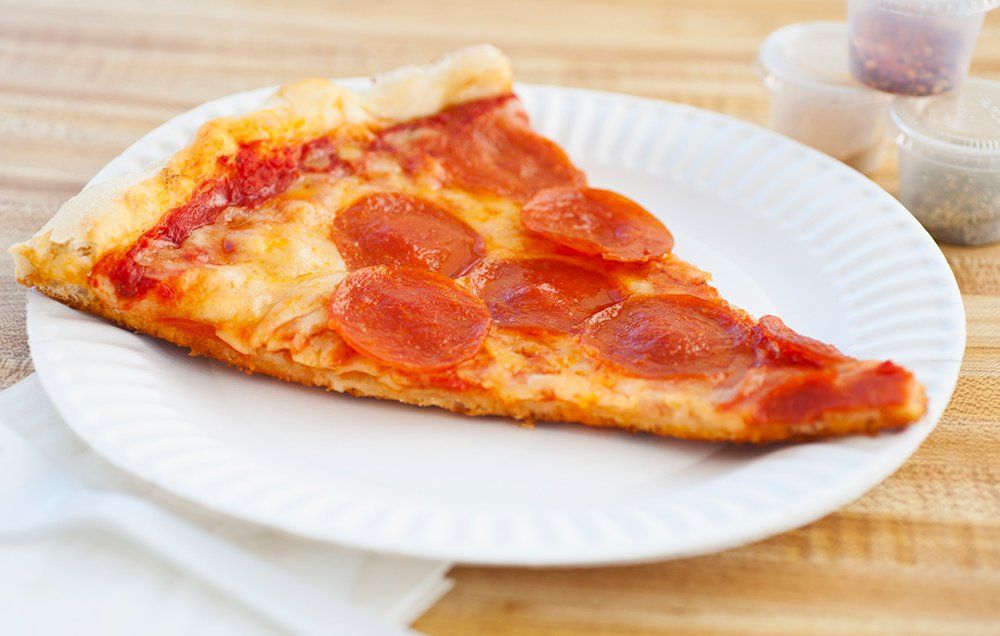
Few things delight the palate like a fresh slice of pizza, yet it isn't often the first choice for those aiming to shed pounds. Could it be possible that something so universally adored is the enemy of weight loss? The answer, as many experts agree, is nuanced.
Historically, pizza has been categorized as a high-calorie, indulgent food. One average slice can contain roughly 285 calories, making portion control essential. However, with mindful modifications like whole-grain crust, reduced cheese, and a bounty of vegetables, pizza can be part of a balanced, weight-conscious diet.
The Controversy Around Pizza and Weight Loss
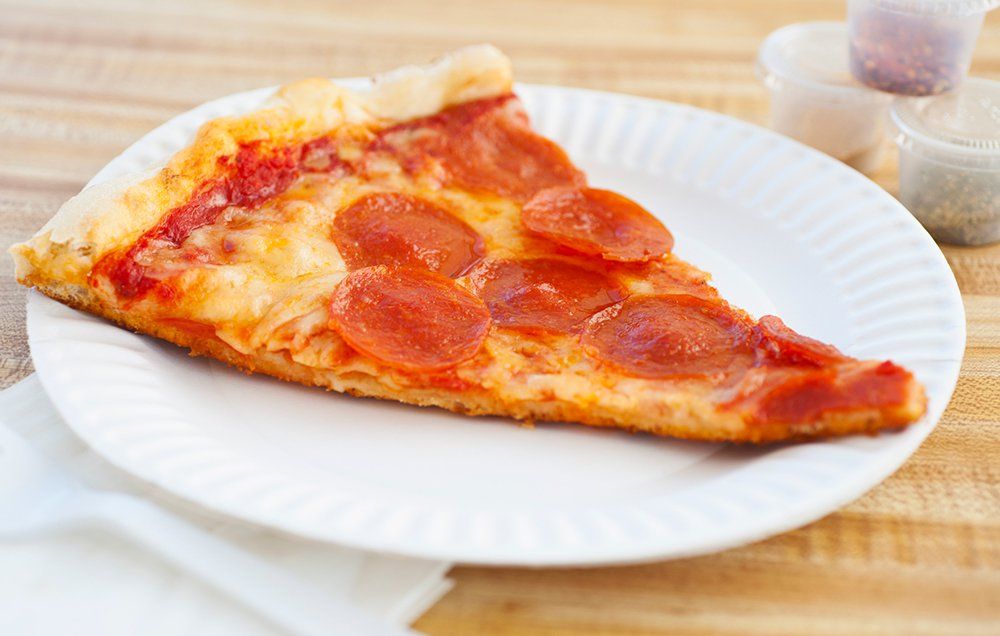
Pizza is a beloved food, but its role in weight loss is often debated. Some people believe it’s impossible to enjoy pizza and still lose weight. However, experts say that isn’t entirely true.
Pizza can be high in calories, especially with extra cheese and fatty meats. Yet, choosing the right toppings and portion sizes can make a difference. Vegetables and lean proteins are healthier options.
Many nutritionists point out that balance is key to weight loss. It's not just about cutting out certain foods but about making smarter choices. Enjoying pizza in moderation can still fit into a weight loss plan.
There are also pizzas made with whole-grain crust and reduced-fat cheese that are better for you. These versions can provide essential nutrients while keeping calorie counts lower. This way, you can still satisfy your pizza cravings.
Why Some People Think Pizza is Bad for Weight Loss
Many view pizza as a high-calorie, indulgent food that should be avoided. Fast-food chains and large portions contribute to this perception. It's easy to overeat pizza, which can derail weight loss efforts.
Traditional pizza's ingredients, like white flour crust and processed meats, add to the caloric load. These ingredients offer little nutritional value but plenty of calories. This combination makes pizza seem like an unhealthy choice.
However, moderation and mindful eating can change the equation. Smaller portions and healthier toppings can turn pizza into a balanced meal. It's about making conscious choices rather than avoiding pizza altogether.
Healthier Pizza Choices
Switching to a whole-grain crust can make a big difference. Whole grains are rich in fiber, which aids digestion and helps you feel full longer. This small change can have a significant impact.
Opt for vegetables like spinach, bell peppers, and mushrooms as toppings. These choices add vitamins and minerals without piling on the calories. Lean proteins like chicken and turkey are also good options.
Reducing the amount of cheese can also cut calories. Ask for half the usual amount of cheese or try a lower-fat version. Combining these strategies helps make pizza a healthier part of your diet.
Enjoying Pizza without Guilt
Many people think they need to completely avoid pizza to lose weight. However, this isn't the case. Mindful eating allows you to enjoy pizza and still meet your goals.
By focusing on healthier ingredients and proper proportions, pizza can fit into a balanced diet. This approach helps meet nutritional needs while satisfying cravings. Mindful eating is about enjoying food in a controlled way.
Ultimately, enjoying pizza without guilt requires mindfulness and smart choices. Choosing healthier options and limiting portions can make pizza part of a weight loss plan. This balanced approach is key to long-term success.
Understanding the Nutritional Value of Pizza
Pizza can be both delicious and nutritious, depending on the ingredients. Many people think it's just empty calories, but that's not always true. Some pizzas offer a range of nutrients.
The key components of pizza include the crust, sauce, cheese, and toppings. Each of these ingredients contributes to the overall nutrition. Balancing these components can make a healthier meal.
For example, pizzas made with whole-wheat crust provide more fiber. Fiber aids in digestion and helps you feel full longer. This simple change can positively impact your diet.
Choosing nutritious toppings like vegetables and lean proteins adds more vitamins and minerals. These toppings can make a significant difference. Moderation and mindful choices are essential.
The Role of the Crust
The crust is the base of any pizza, and its ingredients matter. Traditional white flour crusts are low in nutrients. Switching to whole-wheat crust or cauliflower crust can add fiber and vitamins.
Whole-wheat crusts contain more fiber, helping with digestion and fullness. Cauliflower crusts are lower in carbs and calories. Both options provide a healthier base for your pizza.
Making this simple switch can transform your pizza into a more balanced meal. These healthier crust options make it easier to enjoy pizza without guilt. It's all about making better choices.
Choosing Nutritious Toppings
Toppings can significantly affect the nutritional value of pizza. Vegetables like spinach, bell peppers, and mushrooms are excellent choices. They add essential vitamins and minerals without many calories.
Lean proteins such as grilled chicken or turkey sausage are also good options. They provide necessary protein without too much fat. Opting for these toppings can make your pizza more nutritious.
These toppings not only make pizza healthier but also more flavorful. Combining different vegetables and lean proteins can enhance the taste. It's a win-win situation for your taste buds and health.
The Impact of Cheese
Cheese adds flavor to pizza but can also add calories and fat. Using less cheese or choosing a low-fat version can help. These simple changes can lower the calorie count significantly.
Cheese also provides calcium, which is good for your bones. However, moderation is key to keep from consuming too much fat. Balancing cheese with other nutritious ingredients creates a healthier pizza.
Using just a little cheese or trying different types of cheese can also be beneficial. Options like feta or mozzarella add flavor without excessive calories. Small adjustments can lead to a much healthier pizza.
Pizza's Calorie Count: A Closer Look
Pizza is a tasty treat, but its calorie count can add up quickly. The average slice contains around 285 calories. This can vary depending on the toppings and crust type.
Some pizzas can have much higher calorie counts, especially with extra cheese and meats. For example, a meat lover's slice can reach up to 400 calories. Selecting lighter options can help manage calorie intake.
Understanding what's in your pizza helps make better choices. Opting for vegetables and lean meats reduces calories. Switching to a thin or whole-grain crust can also make a difference.
Portion control is another key factor. Eating two slices instead of four can significantly cut calories. Balancing your pizza consumption with healthy habits is essential for weight management.
Portion Control and Pizza: The Key to Balance
Enjoying pizza while maintaining a healthy diet is all about portion control. Eating large amounts can easily add up in calories. Being mindful of your portions can help manage calorie intake.
Consider sharing a pizza with friends or family. This approach can help limit your portion size. Eating slower and savoring each bite can also prevent overeating.
Another strategy is to pair your pizza with a healthy side. A fresh salad or steamed vegetables can add nutrients to your meal. These sides can help you feel full without consuming more pizza slices.
Choosing a smaller size pizza is also an effective method. Opt for a personal or medium-sized pizza instead of a large one. Smaller sizes encourage eating fewer slices, managing calorie intake better.
It's also helpful to be aware of the slice size. Restaurant slices can be larger than homemade ones.
- Keep track of the number of slices you consume.
- Aim for smaller slices to reduce overall intake.
Lastly, pay attention to your hunger levels. Ask yourself if you're truly hungry before reaching for another slice. Listening to your body can prevent unnecessary calorie consumption.
The Role of Pizza Toppings in Weight Loss
Pizza toppings can significantly impact your weight loss journey. Choosing the right toppings can make pizza healthier. Vegetables are a great option for low-calorie, nutrient-dense toppings.
Loading your pizza with veggies like spinach, bell peppers, and onions can add vitamins and minerals. These toppings provide essential nutrients without adding many calories. This helps to keep the calorie count in check.
Lean proteins are another excellent choice. Grilled chicken, turkey sausage, and even tofu can be added to pizza.
- These proteins provide the necessary nutrients for muscle repair.
- They also help you feel full longer.
On the other hand, fatty meats like pepperoni and sausage can be high in calories and fat. Reducing or eliminating these toppings can make a big difference. Opt for healthier alternatives whenever possible.
Cheese is also an essential consideration. While delicious, cheese can add significant calories and fat.
- Try using less cheese or choosing low-fat versions.
- Mixing different types of cheese can add flavor without extra calories.
Finally, portion control of toppings is crucial. Even healthy toppings can add up if used excessively. Moderation is key to enjoying pizza while losing weight.
Transforming Your Pizza into a Healthier Option
Transforming your pizza into a healthier option is easier than you might think. Start by changing the crust. Whole-wheat or cauliflower crusts are excellent choices for added fiber and nutrients.
Next, focus on the sauce. Opt for a tomato-based sauce instead of creamy options. Tomato sauce is low in calories and rich in vitamins like vitamin C and lycopene.
Toppings play a crucial role in making your pizza healthier. Load up on vegetables such as bell peppers, mushrooms, and spinach. These toppings add flavor and nutrients without many calories.
Consider adding lean proteins to your pizza. Grilled chicken, turkey, or tofu are great choices.
- They provide necessary protein.
- They help you feel full longer, aiding in portion control.
Cheese is another area for improvement. Use less cheese or opt for a low-fat variety. Mixing in flavorful cheeses like feta or goat cheese can add taste without extra calories.
Finally, be mindful of portion sizes. Even the healthiest pizza can be high in calories if you eat too much. Enjoy your pizza in moderation to maintain a balanced diet.
The Power of Balance: Pizza in a Weight Loss Diet
Including pizza in your weight loss diet is all about balance. You don't have to give up this delicious treat entirely. Moderation and smart choices are the key factors.
Start by balancing your meals throughout the day. If you're having pizza for dinner, opt for lighter meals earlier. This helps manage your daily calorie intake without feeling deprived.
Choose healthier versions of your favorite pizza. Using whole-wheat crust, tomato-based sauce, and plenty of veggies can make a big difference. This way, you can enjoy pizza while keeping it nutritious.
Pay attention to portion sizes when indulging in pizza. Eating two slices instead of three or four can significantly lower calorie consumption. Pairing pizza with a salad or vegetable side also helps control portions.
Staying active is another important factor. Incorporate exercise into your daily routine to counterbalance occasional indulgences like pizza.
- Physical activity supports weight loss efforts.
- A balanced diet and exercise work hand-in-hand for better results.
Mental balance is crucial too. Enjoying a slice of pizza without guilt can improve your overall well-being. This balanced approach makes sticking to a weight loss plan more sustainable.
Scientific Studies on Pizza and Weight Loss
Several scientific studies have looked into pizza's effects on weight loss. Interestingly, some research shows that pizza can fit into a balanced diet. The key is making healthier choices and controlling portions.
One study found that individuals who included pizza in their diet but monitored their intake were able to lose weight. Participants opted for whole-grain crusts and vegetable toppings. This approach helped them enjoy pizza without sabotaging their weight loss goals.
Another research project highlighted the impact of portion control. People who ate smaller slices with lower-calorie toppings saw better results. They also paired their pizza with salads to add nutrients and feel full.
It's important to note that not all pizzas are created equal. The types of ingredients used can significantly affect weight loss efforts.
- Vegetables and lean proteins are better choices.
- Processed meats and extra cheese should be limited.
Some studies even suggest that occasional indulgence can aid in weight loss. Allowing yourself a slice of pizza now and then can prevent feelings of deprivation. This balanced approach helps maintain long-term diet success.
Overall, scientific evidence shows that pizza doesn't have to be off-limits. The focus should be on making smarter choices and maintaining portion control. This way, you can enjoy pizza while working towards your weight loss goals.
Frequently Asked Questions
Here are some common questions about how pizza can impact weight loss. These answers provide helpful insights for incorporating pizza into a balanced diet.
1. Can eating pizza once a week affect my weight loss?
Eating pizza once a week is not likely to derail your weight loss efforts if you make healthy choices. Opt for a thin crust, load up on vegetables, and limit high-calorie toppings like extra cheese or processed meats.
Moderation is key. By balancing your weekly diet with nutritious foods and regular exercise, enjoying a weekly slice of pizza can fit into your overall weight management plan without significant issues.
2. What are healthier alternatives to traditional pizza ingredients?
Healthier alternatives to traditional pizza ingredients include whole-grain crusts or cauliflower crusts, which offer more fiber and nutrients compared to white flour crusts. For sauces, avoid creamy options and stick with tomato-based sauces that are lower in calories and rich in vitamins.
Toppings should be mindful choices as well; opt for a variety of colorful vegetables and lean proteins like grilled chicken or turkey sausage instead of fatty meats like pepperoni. Using less cheese or low-fat varieties will also help make your pizza healthier.
3. How does portion size affect the calorie count of pizza?
Portion size significantly affects the calorie count of pizza. A large slice can contain more than 300 calories, while smaller slices can have considerably fewer calories. Eating multiple slices at once can quickly add up calorie intake and affect weight loss goals negatively.
Monitoring portion sizes by choosing smaller slices or sharing a single serving with others helps manage calorie consumption better. Complementing your meal with salad or vegetables also controls portions while adding nutrition.
4. Are all vegetarian pizzas low in calories?
No, not all vegetarian pizzas are low in calories. While they may have vegetable toppings that are lower in calories than meat, other factors such as the type of crust and amount of cheese used can still make them calorie-dense.
Selecting whole-wheat or cauliflower crusts and using less cheese can keep vegetarian pizzas healthier. Even though they generally have more nutrients compared to meat-heavy options, portion control remains essential for maintaining low-calorie intake.
5. Can I enjoy homemade pizza while trying to lose weight?
Yes homemade pizza gives you full control over ingredients . You can choose healthier crusts , limit cheese use and add plenty of vegetablesThis way you can enjoy delicious meals without compromising on your health goalsBy making thoughtful ingredient choiceshomemade pizzas become part an overall balanced diet helping maintain effective weight management
Conclusion
Integrating pizza into a weight loss plan is possible with mindful choices and portion control. By opting for healthier ingredients like whole-grain crusts and vegetable toppings, you can enjoy pizza without guilt. These adjustments make pizza a balanced part of your diet.
Remember, moderation is essential. Eating pizza occasionally and balancing it with nutritious foods and regular exercise can support your weight loss goals. This approach allows you to relish your favorite foods while maintaining a healthy lifestyle.
