Is Pesto Good For Weight Loss?
Can including pesto in your diet really assist in weight loss? This vibrant green sauce, deriving its name from the Italian word "pestare," meaning to pound or crush, is loved for its rich flavor and versatility. Yet, its high calorie and fat content often raises eyebrows among weight-conscious individuals.
Pesto's primary ingredients, such as fresh basil, olive oil, pine nuts, and Parmesan cheese, provide nutrients like healthy fats and antioxidants. Studies show that moderate consumption of healthy fats can actually support weight loss by keeping you satiated longer. Incorporating pesto in controlled portions can therefore be a flavorful way to enhance your meals while sticking to a weight loss regimen.
Understanding Pesto: Ingredients and Nutritional Profile
Pesto originates from Italy and is renowned for its rich and vibrant flavor. The main ingredients include fresh basil, olive oil, pine nuts, garlic, and Parmesan cheese. These components create a creamy, aromatic sauce that enhances various dishes.
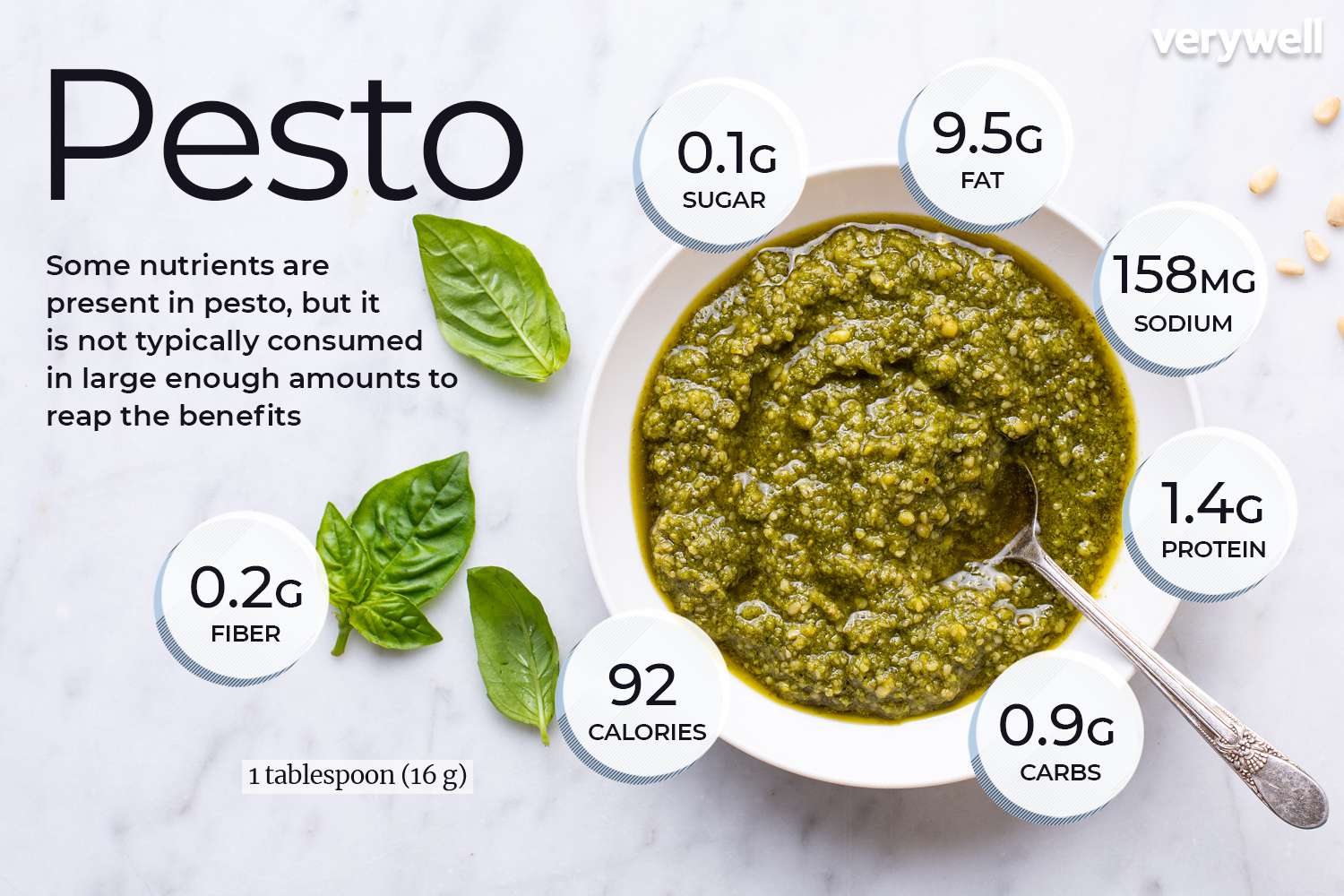
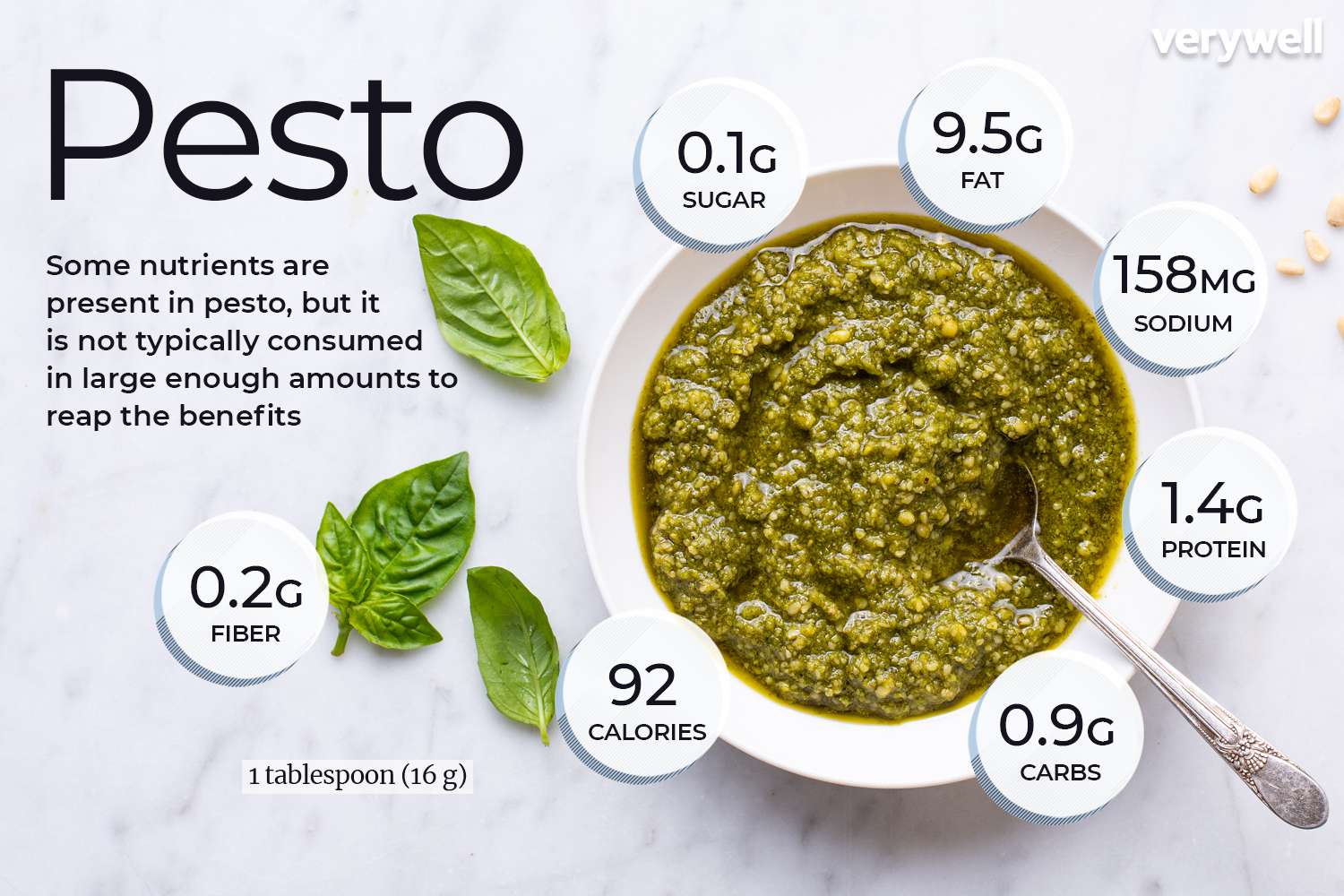
The nutritional profile of pesto can vary based on its ingredients. For example, a tablespoon of traditional pesto contains approximately 80 calories and 8 grams of fat. However, it also provides essential nutrients like vitamins A, C, and K, as well as minerals like iron and calcium.
Olive oil in pesto is a significant source of healthy fats, particularly monounsaturated fats. These fats play a role in reducing inflammation and promoting heart health. Including healthy fats in your diet can help maintain a balanced weight.
Parmesan cheese offers a good protein boost in the sauce. Protein is crucial for muscle repair and growth, and it can help keep you feeling full longer. Incorporating a moderate amount of pesto into your diet can be both tasty and beneficial.
Fresh Basil: The Heart of Pesto
Basil is a herb celebrated for its aromatic leaves and numerous health benefits. It’s rich in antioxidants, which help combat free radicals in the body. Using fresh basil ensures that the pesto is packed with these beneficial compounds.
This herb also contains essential oils like eugenol, which has anti-inflammatory properties. Such properties can contribute to a healthier lifestyle. Additionally, basil adds a distinctive, fresh flavor to the pesto.
Harvesting basil at its peak ensures maximum flavor and nutrient content. By selecting vibrant green leaves, you guarantee that your pesto will be as nutritious as it is delicious. Freshness is key to enhancing both taste and health benefits.
Role of Olive Oil in Pesto
Olive oil is a cornerstone of Mediterranean diets due to its numerous health advantages. It contains monounsaturated fats and antioxidants that support heart health. This oil also plays a crucial role in the texture and richness of pesto.
When making pesto, using extra virgin olive oil can further boost the nutritional profile. It’s less processed and retains more natural vitamins and minerals. Choosing high-quality olive oil ensures that the pesto is healthier and tastier.
Additionally, olive oil is known for its anti-inflammatory properties. This can be beneficial for overall wellness, making pesto not just a flavorful addition but a healthy one too. The type of oil you use can significantly impact both the taste and health benefits.
Impact of Pine Nuts in Pesto
Pine nuts contribute a delicate, nutty flavor to pesto. They are a high-energy food, rich in fats, protein, and dietary fiber. These nuts also offer essential vitamins like vitamin E and B-complex vitamins.
The fats in pine nuts are predominantly unsaturated, which are considered heart-healthy. Including these in pesto adds nutritional value while providing a delicious taste. Pine nuts also contain magnesium, which supports muscle and nerve function.
Adding pine nuts ensures that the sauce is both tasty and nutritious. Their subtle flavor complements the boldness of basil and the richness of olive oil. Pine nuts are an essential ingredient for both taste and health in pesto.
The Role of Pesto in a Balanced Diet
Pesto can be a delicious part of a balanced diet. It is rich in healthy fats, vitamins, and minerals that contribute to overall wellness. By including pesto in your meals, you can add flavor while still maintaining nutritional integrity.
One of the main components of pesto is olive oil, which is a great source of monounsaturated fats. These fats help to reduce bad cholesterol levels, which can benefit heart health. Olive oil also contains antioxidants that fight inflammation.
Pesto is also packed with fresh basil, an herb known for its antioxidant properties. Antioxidants are crucial in protecting your body from free radicals. This makes pesto not just tasty, but also beneficial for health.
Protein from Parmesan cheese helps to support muscle growth and repair. Protein is an important part of any balanced diet. Adding pesto to dishes can give your meals an extra protein boost.
Pesto as a Source of Healthy Fats
Healthy fats are essential for brain function and overall health. Pesto, which includes olive oil and pine nuts, offers a good dose of these fats. Not only do they provide energy, but they also help absorb vitamins.
Unlike saturated fats, which can lead to health issues, unsaturated fats in pesto are beneficial. They help lower bad cholesterol and improve heart health. Incorporating healthy fats into your diet aids in balancing your meal plan.
These fats also add richness and texture to pesto, making it a versatile addition to various dishes. Whether you're using it as a sauce, a dip, or a spread, pesto brings both flavor and nutrition. This makes it a valuable component in a balanced diet.
Basil's Contribution to Health
Basil is packed with antioxidants, which are important for fighting oxidative stress in the body. These antioxidants help keep your body healthy by neutralizing free radicals. Including basil-rich pesto in your diet ensures you get these benefits.
Besides its antioxidant properties, basil also has anti-inflammatory benefits. This is vital for reducing inflammation in the body, which can lead to various health issues. Making pesto a regular part of your diet can thus contribute to overall wellness.
Basil also adds a fresh, herbal flavor to pesto, enhancing any meal. It's a delicious way to incorporate more greens into your diet. The vibrant taste of basil makes eating healthy both enjoyable and satisfying.
Protein Power from Parmesan
Protein is a crucial nutrient that helps in muscle repair and growth. Parmesan cheese in pesto provides a good amount of this essential nutrient. This makes pesto not only flavorful but also nutritious.
Adding protein to your diet helps in keeping you satiated longer. This can aid in maintaining a balanced diet and controlling hunger. Pesto's protein content makes it a smart choice for those aiming for a well-rounded diet.
Using pesto as a topping or ingredient in meals can boost your protein intake. It's an easy way to make dishes both tasty and nutritious. Parmesan cheese in pesto brings that extra layer of flavor along with health benefits.
Unpacking the Healthy Fats in Pesto
Pesto is packed with healthy fats that play a significant role in a balanced diet. Primarily, these fats come from olive oil and pine nuts. These sources of fats are known for their various health benefits.
Olive oil, a key ingredient in pesto, is rich in monounsaturated fats. These fats are known to improve heart health and reduce bad cholesterol levels. By including olive oil in your diet, you can support overall wellness.
Pine nuts also contribute healthy fats to pesto. These fats are primarily unsaturated, making them beneficial for heart health. Unsaturated fats help reduce inflammation and improve blood lipid profiles.
In addition to benefits for heart health, these fats help you feel full and satisfied. This can aid in portion control and reduce unhealthy snacking. Including pesto in meals is an easy way to boost your intake of healthy fats.
Pesto and Satiety: How Pesto can Curb Hunger
Pesto can play an essential role in helping you feel full and satisfied after a meal. The healthy fats from olive oil and pine nuts are key contributors. These fats help you stay full longer, reducing the need to snack between meals.
Protein is another important component in pesto, mainly from Parmesan cheese. Protein takes longer to digest than carbs, making you feel full for a more extended period. This can be particularly helpful in weight management and preventing overeating.
Basil, the main ingredient in pesto, contains fiber. Fiber adds bulk to your meal and aids in digestion. Including fiber in your diet helps stabilize blood sugar levels, which curbs hunger pangs.
Including pesto as a topping for your meals can make them more satisfying. Whether you add it to pasta, salads, or sandwiches, it enhances both flavor and satiety. This simple addition can make your meals more enjoyable and filling.
Using pesto in your meal plan can also encourage you to eat more mindfully. The rich flavors and textures make you savor each bite, helping you recognize when you are full. This can aid in avoiding overeating and maintaining a balanced diet.
A balanced diet is crucial for long-term health, and incorporating foods that promote satiety can make achieving this easier. By adding pesto to your meals, you benefit from its nutrients while also keeping hunger at bay. This small change can have a significant impact on your eating habits and overall well-being.
Portion Control: The Key to Incorporating Pesto in a Weight Loss Diet
Understanding portion control is crucial when including high-calorie foods like pesto in a weight loss diet. A tablespoon of pesto can add significant flavor without a huge calorie burden. Keep in mind that moderation is key to reaping the benefits without overindulging.
Using a measuring spoon can help you stick to the right portion size. By controlling the amount you add to your dishes, you can enjoy the rich flavors of pesto without the extra calories. This ensures that you can still relish the taste while meeting your weight loss goals.
Pairing pesto with low-calorie, nutrient-dense foods can help create a balanced meal. Vegetables, lean proteins, and whole grains make great companions to pesto. The combination can make your meals exciting yet healthy.
To help visualize portion sizes, consider these equivalents:
- 1 tablespoon of pesto = roughly the size of your thumb
- 2 tablespoons = about the size of a golf ball
Understanding these visual cues can make it easier to manage portions without constantly measuring. This makes incorporating pesto into daily meals more convenient and effective. Staying aware of portion sizes can lead to better control over your diet.
Even when dining out, you can control portions by asking for pesto on the side. This allows you to add a small amount to your meal, maintaining flavor while sticking to your dietary needs. Making mindful choices ensures you stay on track with your weight loss journey.
Creative Ways to Incorporate Pesto into a Weight Loss Diet
There are numerous ways to savor the rich flavors of pesto while sticking to a weight loss plan. Adding pesto to a veggie stir-fry can enhance both taste and nutrition. Simply toss your favorite vegetables with a spoonful of pesto for a delicious, low-calorie meal.
Using pesto as a spread for whole grain toast or wraps can be both flavorful and filling. Whether it's breakfast or lunch, a thin layer of pesto adds zest without too many calories. This simple change can make your meals more satisfying.
You can also mix pesto into yogurt or hummus to create a flavorful dip. These dips can be paired with fresh vegetable sticks like carrots, cucumber, and bell peppers. This is an excellent snack option that keeps you full without packing on calories.
Pesto can be incorporated into salads as a dressing. Mixing a small amount of pesto with lemon juice or vinegar creates a tangy, herbaceous dressing. Drizzle it over your salad to enjoy a burst of flavor without extra fat and calories.
Another creative way to use pesto is in soups. Stirring a spoonful of pesto into a bowl of vegetable or chicken soup can elevate its flavors. This technique adds depth and aroma, making the meal more enjoyable without extra calories.
Cooking with pesto can also mean marinating lean proteins like chicken or fish. A light pesto marinade can infuse your proteins with rich, aromatic flavors. This method allows you to enjoy tasty, health-conscious meals easily.
Myths and Misconceptions about Pesto and Weight Loss
One common misconception is that all fats are bad for weight loss. In reality, healthy fats found in pesto can actually aid in shedding pounds. They help keep you full longer, reducing the temptation to snack excessively.
Another myth is that pesto has too many calories to be diet-friendly. While it is calorie-dense, a little goes a long way. Using just a small amount can enhance your meal without significantly increasing your calorie intake.
Some people believe that homemade pesto is always healthier than store-bought options. However, not all store-bought pestos are created equal. Reading labels carefully can help you choose those with fewer preservatives and additives.
There's also a misconception that pesto should only be used with pasta. Pesto's versatility means it can complement many low-calorie foods, such as vegetables or lean proteins. This makes it easier to incorporate into a weight-loss regimen.
Many think adding nuts like pine nuts makes pesto unhealthy due to their fat content. Pine nuts actually contain healthy unsaturated fats which are beneficial when consumed in moderation. They add nutritional value rather than detract from it.
The belief that you can't enjoy tasty foods while dieting is another myth pesto debunks. Pesto proves you don't have to sacrifice flavor for health benefits. Incorporating delicious yet nutritious ingredients like basil, olive oil, and Parmesan cheese supports overall well-being while making diets sustainable.
Professional Insights on Pesto and Weight Loss
Experts in the field of nutrition and weight management often emphasize the importance of moderation. While pesto is calorie-dense, its healthy fats can make it a beneficial addition to a balanced diet. Portion control is key to leveraging its benefits without overindulging.
Nutritionists highlight the quality of ingredients in pesto as a significant factor. Fresh basil, olive oil, and pine nuts pack a lot of nutritional punch. Using high-quality ingredients can enhance health benefits, making pesto a smart choice for weight-conscious individuals.
Dietitians frequently recommend pairing pesto with nutrient-dense foods. Combining pesto with vegetables, lean proteins, or whole grains can create a balanced and satisfying meal. This approach not only maximizes nutritional value but also helps maintain portion control.
Another professional insight focuses on the versatility of pesto. Its robust flavor can elevate simpler, low-calorie dishes, making dieting more enjoyable. This flexibility allows people to stick to their weight loss plans without feeling deprived.
Studies also support the idea that healthy fats aid in weight management. The monounsaturated fats in olive oil and pine nuts help regulate appetite and provide satiation, making pesto a useful dietary component. This can be particularly effective in reducing the urge to snack between meals.
Using pesto mindfully, as part of a balanced diet, aligns with expert recommendations for sustainable weight loss. By focusing on quality ingredients and proper portion sizes, you can enjoy pesto's flavor and health benefits. Professional insights agree that pesto can be good for weight loss when used wisely.
Frequently Asked Questions
Pesto is not only delicious but also packed with nutrients that can fit into various diets. Below are some frequently asked questions and their answers regarding pesto and weight loss.
1. What are the main ingredients in pesto?
The primary ingredients in traditional pesto include basil, olive oil, pine nuts, garlic, and Parmesan cheese. Some variations may use different herbs or even substitute nuts like walnuts or almonds.
These ingredients contribute to its creamy texture and rich flavor. Olive oil provides healthy fats, while basil adds a fresh, aromatic quality that pairs well with many dishes.
2. Can I make a low-calorie version of pesto?
Yes, you can prepare a low-calorie version of pesto by making a few ingredient swaps. For instance, you can use less olive oil and replace it with Greek yogurt for creaminess.
You can also reduce the amount of Parmesan cheese used or choose a lower-fat variety. These adjustments maintain flavor while lowering the calorie count.
3. How should I store homemade pesto to retain its freshness?
Homemade pesto can be stored in an airtight container in the refrigerator for up to one week. To prevent it from turning brown, drizzle a thin layer of olive oil on top before sealing it.
If you’d like to store it for longer durations, consider freezing the pesto in ice cube trays. Once frozen, transfer cubes to a freezer bag for convenient portions later.
4. Does heating affect the nutritional benefits of pesto?
Heating pesto slightly may not significantly affect its nutritional value but cooking at high temperatures might degrade some nutrients. It’s generally recommended to add pesto towards the end of cooking or use it as a finishing sauce.
This helps preserve its vibrant color and fresh flavors while retaining most of its beneficial compounds like antioxidants from basil and healthy fats from olive oil.
5. Can vegans enjoy pesto, given its traditional ingredients?
Yes, vegans can enjoy modified versions of pesto by replacing Parmesan cheese with nutritional yeast or other vegan cheese substitutes. Many store-bought vegan options are also available these days.
An alternative is using nuts that offer similar flavors and textures without animal products. These variations allow everyone to savor this flavorful sauce.
Conclusion
Incorporating pesto into a weight loss diet can be both delicious and nutritious when done mindfully. By understanding portion control and leveraging its healthy fats, you can enjoy this flavorful sauce without compromising your dietary goals. Using high-quality ingredients further enhances its benefits.
Remember, the key lies in moderation and creativity. Whether you mix pesto into salads, use it as a spread, or explore its many other culinary uses, it can contribute positively to a balanced diet. Experts agree that with the right approach, pesto can be both a treat for your taste buds and an ally in weight management.
