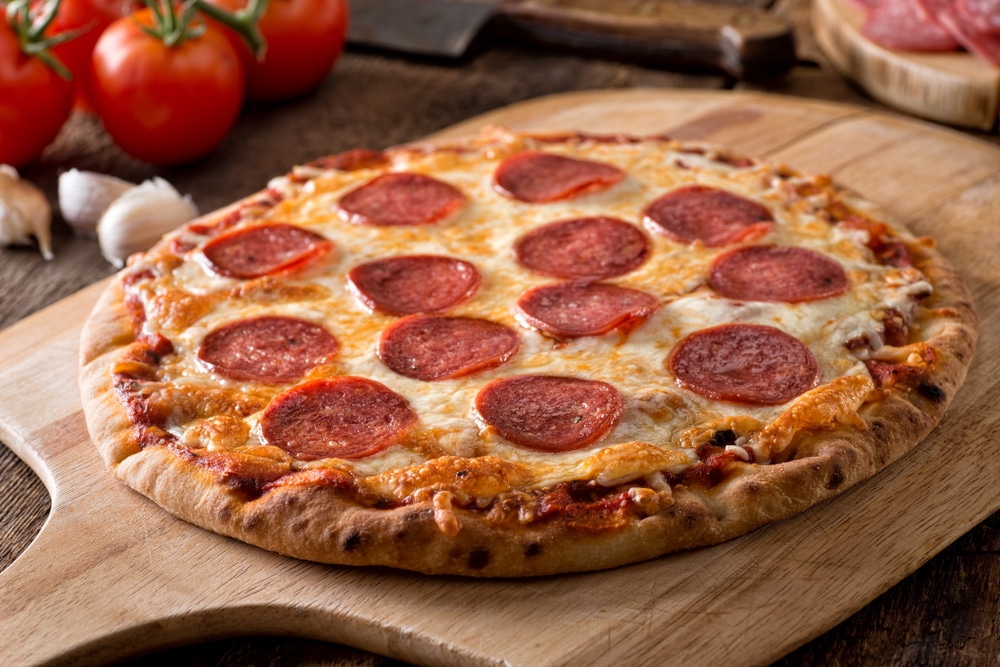
Is Pepperoni Healthy For Weight Loss?
Few people would argue that pepperoni, a staple on American pizzas, is synonymous with health food. Yet, amidst the clamor for healthier eating, a curious inquiry emerges: could this beloved topping be part of a weight loss diet? With its spicy, savory flavor and widespread popularity, it's worth delving into whether there's a case for pepperoni in slimming down.
Pepperoni's appeal lies not just in its taste but in its convenience as a protein source. Yet, reservations persist due to its high calorie and saturated fat content, typically containing about 140 calories and 13 grams of fat per ounce. For those pursuing weight loss, moderation and thoughtful incorporation into a balanced diet are key strategies—if pepperoni can be included at all.
Nutritional Profile of Pepperoni
Macronutrients in Pepperoni
Pepperoni is rich in proteins, fats, and carbohydrates. An ounce of pepperoni generally contains around 140 calories. It offers about 6 grams of protein, making it a good source of this essential nutrient.
The high-fat content is one of its drawbacks, with around 13 grams per ounce. This includes a significant amount of saturated fat. Eating too much saturated fat isn't advised for heart health.
Carbohydrates are minimal in pepperoni. It contains less than 1 gram per serving. This low carb count can be beneficial for those following a ketogenic diet.
Vitamins and Minerals
Pepperoni provides certain vitamins and minerals. It's rich in B vitamins like B12, which are essential for energy production. Vitamin B6 is also present, crucial for brain health.
It contains various minerals like zinc and iron. Zinc helps with the immune system, while iron is vital for blood health. However, these benefits come with caution due to other unhealthy components.
High sodium levels in pepperoni can pose health risks. One ounce contains around 500 milligrams of sodium. Too much sodium can lead to high blood pressure.
Sodium Content and Health Risks
The sodium content of pepperoni is a significant consideration. High sodium can lead to various health issues, including hypertension. Consuming pepperoni in moderation is crucial to avoid these risks.
It's wise to balance pepperoni with low-sodium foods. Consider pairing it with vegetables or whole grains. This helps mitigate the sodium intake while still enjoying pepperoni.
Opting for reduced-sodium pepperoni can be another solution. Many brands offer healthier variations. This can be a better choice for those watching their sodium levels.
Ingredients in Pepperoni
Pepperoni is mainly made from pork and beef. These meats are mixed with spices and seasonings. Common seasonings include red pepper, garlic, and anise seeds.
It's also cured with nitrates and nitrites. These chemicals help preserve the meat and prevent bacterial growth. Yet, they have been linked to certain health concerns.
Many pepperoni types contain artificial colors and flavors. Checking ingredient labels can help avoid these additives. Choosing natural or organic options might be a healthier choice.
Calories and Weight Loss
Understanding the calorie content of foods is crucial for weight loss. Pepperoni is quite calorie-dense, with about 140 calories per ounce. This fact makes it essential to consume pepperoni in moderation.
Caloric Needs and Daily Intake
Your daily caloric needs depend on various factors like age, gender, and activity level. On average, a sedentary adult woman should consume about 1,800 calories per day while a sedentary adult man needs around 2,200 calories. Consuming pepperoni can quickly add up, affecting your daily calorie limit.
It's important to balance these calories with nutrient-dense foods. Choosing low-calorie options alongside high-calorie items can be effective. Vegetables and whole grains are excellent choices to pair with pepperoni.
Monitoring your caloric intake helps in achieving weight loss goals. Many apps and tools can assist in tracking your daily calories. This can provide insights into how much pepperoni fits into your diet.
Calorie Deficit and Weight Loss
A calorie deficit occurs when you consume fewer calories than you burn. This deficit is essential for weight loss. Including high-calorie foods like pepperoni can make maintaining a calorie deficit challenging.
Exercise is a good way to increase calorie expenditure. Activities like walking, jogging, or cycling can boost your daily calorie burn. Combining exercise with mindful eating makes reaching a calorie deficit more manageable.
Despite its high calorie count, pepperoni can still be enjoyed occasionally. The key is to balance it with lower-calorie foods and exercise. Moderation is always vital for a sustainable weight loss journey.
Types of Calories: Quality Matters
Not all calories are created equal, and it's essential to consider the quality. Pepperoni provides calories mainly from fats and proteins. It lacks the fiber and vitamins found in fruits and vegetables.
Consuming too many empty calories can hinder weight loss. Foods high in refined sugars and unhealthy fats offer little nutritional benefit. Instead, focus on nutrient-dense foods that provide more vitamins and minerals.
Choosing healthier versions of pepperoni can help. Some options include turkey pepperoni or those with reduced fat. These choices can fit better into a weight loss plan while still satisfying cravings.
Saturated Fats and Weight Loss
Saturated fats are often considered unhealthy when consumed in large amounts. Foods like pepperoni are high in saturated fats, which can affect your weight loss goals. Consuming too much can lead to increased cholesterol levels, which is harmful to heart health.
Maintaining a balanced diet with reduced saturated fats is essential. The American Heart Association recommends that saturated fats make up less than 6% of your daily calorie intake. This means being mindful of foods like pepperoni that are rich in these fats.
Opting for foods with unsaturated fats can be a healthier choice. These fats are found in foods like avocados, nuts, and olive oil. Replacing saturated fats with unsaturated fats can support a healthier diet and assist in weight loss.
Monitoring your total fat intake is crucial for weight management. Utilizing tools or apps to keep track can help you stay on target. Remember, moderation and mindful choices are key to balancing your diet effectively.
Protein-Rich Food and Weight Management
Protein-rich foods play a crucial role in weight management. They help in building muscle and keeping you full longer. This can make it easier to stick to your weight loss plan.
Pepperoni is one protein-rich option, but it's high in calories and fats. It's essential to balance it with other lean proteins. Fish, chicken breast, and tofu are healthier choices.
Low-fat dairy products are also excellent protein sources. Options like Greek yogurt and cottage cheese provide ample protein with fewer calories. Incorporating these into your meals can benefit your diet.
Beans and legumes are great for plant-based protein. They are low in fat and high in fiber. Fiber helps you feel full, aiding in weight management.
Nuts and seeds offer another protein-rich option. These come with healthy fats, making them good for heart health. However, consume them in moderation due to their high calorie content.
Eggs are another versatile and protein-packed food. They are low in calories and can be prepared in many ways. Including eggs in your breakfast can keep you satisfied longer.
Sodium Content and Health Risks
Sodium is an essential mineral but too much can be harmful. Pepperoni is high in sodium, with about 500 milligrams per ounce. Consuming too much sodium can lead to high blood pressure.
High blood pressure increases the risk of heart disease and stroke. Monitoring sodium intake is crucial for maintaining good health. The American Heart Association recommends no more than 2,300 milligrams of sodium per day.
Many processed foods contain hidden sodium. Examples include canned soups, bread, and snacks. Reading food labels can help you avoid high-sodium items.
Choosing low-sodium alternatives can be a good strategy. For instance, some brands offer reduced-sodium pepperoni. These options can help you stay within your daily sodium limits.
Balancing your diet with fresh fruits and vegetables is also beneficial. These foods are naturally low in sodium and provide essential nutrients. They can help counteract the effects of high-sodium foods.
Drinking plenty of water aids in flushing out excess sodium. Staying hydrated is important for overall health. Incorporating these habits can help manage sodium levels effectively.
Pepperoni in a Balanced Diet
Including pepperoni in a balanced diet requires mindful choices. While it's tasty, pepperoni is high in fat and sodium. Moderation is key to enjoying it without compromising health.
Pairing pepperoni with nutrient-rich foods can make it healthier. Fresh vegetables, whole grains, and fruits add essential vitamins and minerals. This combination supports a balanced and nutritious diet.
- Use pepperoni sparingly on salads or sandwiches.
- Combine it with fiber-rich foods like whole-grain bread.
- Add plenty of fresh veggies to offset the fat and sodium.
Opt for lower-fat and lower-sodium versions of pepperoni when possible. Turkey pepperoni is a lighter alternative. These choices align better with weight loss and heart health goals.
Meal planning can help incorporate pepperoni wisely. Planning balanced meals ensures you enjoy your favorite foods in a healthy way. This strategy can improve overall diet quality.
Listening to your body is essential for a balanced diet. If you crave pepperoni, enjoy it, but balance it with healthier options. This approach supports both satisfaction and health.
Healthier Alternatives to Regular Pepperoni
If you love pepperoni but want healthier options, there are several alternatives. These choices can satisfy your cravings while providing better nutritional values. Switching to these alternatives can support your weight loss and health goals.
Turkey pepperoni is a popular substitute. It has less fat and fewer calories than traditional pork pepperoni. Plus, it still delivers the same spicy flavor.
Plant-based pepperoni options are becoming more common. Made from ingredients like soy or pea protein, they cater to vegetarians and vegans. They also offer lower fat content.
- Zucchini or eggplant slices seasoned with Italian spices.
- Mushrooms cooked with garlic and herbs for extra flavor.
- Lean chicken or turkey sausage as an alternative topping.
Reduced-sodium pepperoni versions are also available. These help manage sodium intake without sacrificing taste. Look for labels indicating "low sodium" when shopping.
Homemade options give you full control over ingredients. Creating your own pepperoni using lean meats or veggies ensures it's both healthy and delicious. Experimenting with different spices can make homemade versions exciting.
Opting for these healthier alternatives allows you to enjoy the flavors you love while aligning with your dietary goals. Making small changes can have a significant impact on your overall health and well-being.
Pepperoni and Exercise: A Balanced Approach
While pepperoni isn't the healthiest option, combining it with exercise can help maintain balance. Exercise increases your calorie expenditure, making occasional indulgences like pepperoni manageable. This balance can aid in weight loss while still enjoying your favorite foods.
Cardio exercises like running, biking, or swimming are effective. They help burn calories and improve heart health. Incorporate these activities into your routine to offset high-calorie foods.
- Engage in 30 minutes of cardio at least five times a week.
- Include strength training twice a week to build muscle.
- Mix activities to keep workouts enjoyable and effective.
Strength training is essential for muscle growth and maintenance. Muscles burn more calories at rest compared to fat. Adding weights or resistance training can boost your metabolism.
Balancing your diet with exercise means you don't have to eliminate pepperoni entirely. Plan your meals around your workouts to optimize energy and recovery. This strategy helps in managing calorie intake better.
Remember to stay hydrated and get enough sleep. Both impact your overall health and exercise performance. Proper hydration and rest allow for more effective workouts, aiding in weight management.
Frequently Asked Questions
If you're curious about pepperoni and its impact on weight loss, here are some commonly asked questions. These answers aim to provide clear and helpful information.
1. What are the main nutritional components of pepperoni?
Pepperoni is rich in protein and fats, particularly saturated fats. One ounce of pepperoni contains about 140 calories, 13 grams of fat, and 6 grams of protein.
It also has a high sodium content, around 500 milligrams per ounce. This makes it important to consume in moderation, especially if you're watching your sodium intake.
2. Are there healthier alternatives to regular pepperoni?
Yes, there are several healthier alternatives to regular pepperoni. Turkey pepperoni is one option that offers fewer calories and less fat while maintaining a similar flavor profile.
Plant-based options made from soy or pea proteins are also available and often contain less fat. These can be a good choice for anyone looking to reduce their meat consumption or follow a vegetarian diet.
3. How can I incorporate pepperoni into a balanced diet?
You can enjoy pepperoni by balancing it with nutrient-rich foods like vegetables and whole grains. Use it sparingly as a topping on salads or whole-grain pizzas to keep your meals varied and nutritious.
Also, consider pairing it with low-sodium options and fresh produce to offset its high sodium content. This approach ensures you get all necessary nutrients without overloading on unhealthy components.
4. Is turkey pepperoni better for weight loss compared to regular pepperoni?
Turkey pepperoni tends to be lower in calories and fat compared to regular pork or beef-based versions. This makes it a slightly better option if you're focusing on weight loss while still enjoying the taste of pepperoni.
However, it's crucial to check the nutritional labels because some brands may not differ significantly from traditional options in terms of sodium levels. Balance is key regardless of the type you choose.
5. Can I replace my usual snacks with pepperoni when trying to lose weight?
Pepperoni isn't ideal as an everyday snack due to its high calorie, fat, and sodium content. Occasionally including small amounts in meals might not severely impact your diet but replacing snacks entirely with it isn't recommended. It's better to choose nutrient-dense snacks like fruits, vegetables, nuts, or yogurt which support weight loss more effectively thanks greatly reduced calorie counts plus additional vitamins along minerals necessary overall health improvement.
Conclusion
While pepperoni may be delicious, its high calorie, fat, and sodium content make it less suitable for a weight loss diet. However, indulging in it occasionally and balancing it with healthier foods can help maintain dietary goals. Moderation and mindful choices are essential.
Exploring healthier alternatives like turkey or plant-based pepperoni can offer similar flavors with fewer health risks. Pairing these with a balanced diet and regular exercise supports overall well-being. Informed decisions are key to integrating pepperoni and still achieving weight loss objectives.
