Is Pasta Or Rice Better For Weight Loss?
Surprisingly, a serving of white rice contains fewer calories than a serving of whole wheat pasta. For those focused on weight loss, this subtle difference can be quite impactful. Yet, the conversation doesn’t end with counting calories alone.
Historically, both rice and pasta have been dietary staples in different cultures. Rice, particularly brown rice, has a lower glycemic index than pasta, making it a better option for sustained energy release. However, some studies suggest incorporating moderate amounts of complex carbohydrates like pasta can help maintain a balanced metabolic rate.
Caloric Comparison between Rice and Pasta
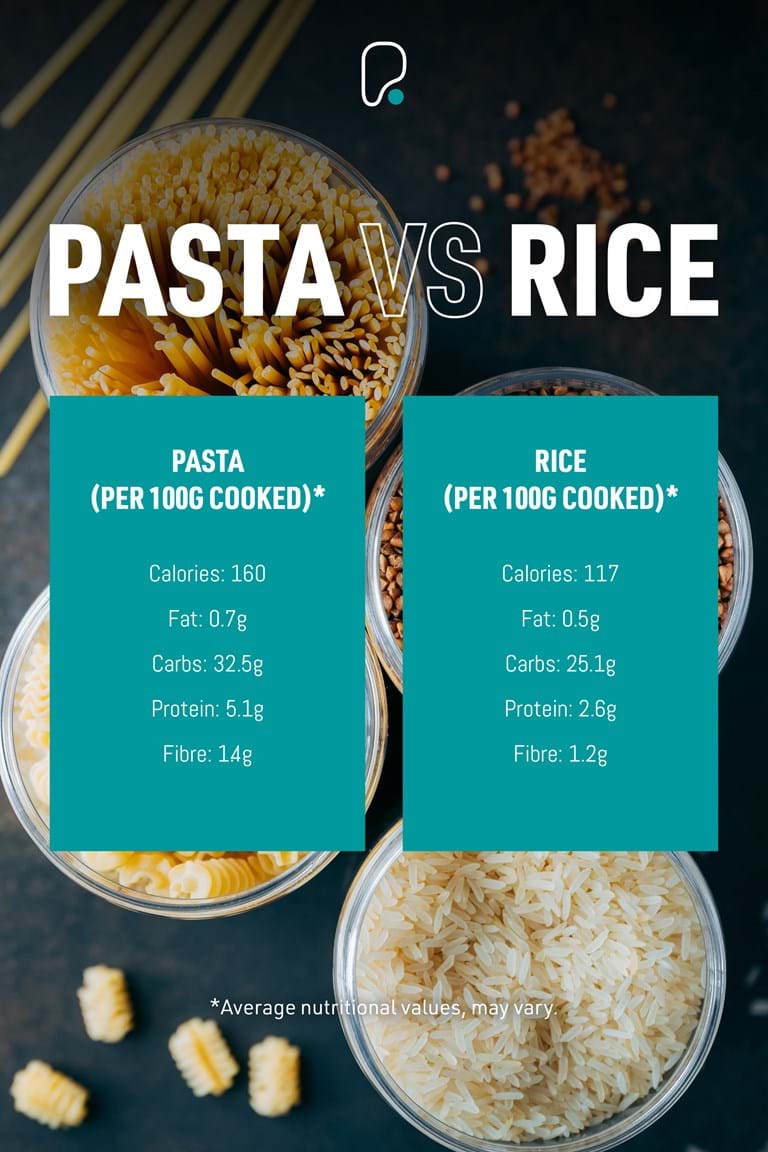
When comparing calories, white rice has about 200 calories per cup. On the other hand, a similar serving of cooked pasta contains around 220 calories. This difference might seem small, but it can add up over time.
For those watching their calorie intake, portion control is crucial. A heaping plate of pasta or rice can easily double the calorie count. Be mindful of serving sizes to prevent overeating.
In its whole grain form, such as brown rice or whole wheat pasta, you might get slightly more calories. However, these versions offer better nutritional value, which can be more beneficial for weight loss. They also tend to make you feel fuller for longer periods.
It's also essential to consider the way these foods are prepared. Adding butter, sauces, or oils can significantly increase the caloric content. Always aim for healthier preparation methods and limit high-calorie add-ons.
Nutritional Value of Rice and Pasta
Both rice and pasta provide essential nutrients, but their nutritional profiles differ. Let's dive into what each offers and how they contribute to a balanced diet.
Macronutrient Content
Rice is primarily a source of carbohydrates. A cup of cooked white rice contains about 45 grams of carbs, 4 grams of protein, and almost no fat. Brown rice offers more fiber and vitamins.
Pasta also provides carbohydrates but offers slightly more protein. A cup of cooked pasta has about 43 grams of carbs, 8 grams of protein, and 1.3 grams of fat. Whole wheat pasta boosts its fiber content.
Vitamins and Minerals
Rice contains essential minerals like magnesium and phosphorus. It's particularly rich in B vitamins, which help produce energy and support brain function. Brown rice is even richer in these nutrients.
Pasta, especially if whole grain, is a good source of iron and folate. It also contains B vitamins like niacin and riboflavin. These vitamins are crucial for converting food into energy.
Fiber Content
Fiber is vital for digestive health. Brown rice contains about 3.5 grams of fiber per cup, aiding in digestion and promoting feelings of fullness. This can help manage weight effectively.
Whole grain pasta also offers a high fiber content, around 6 grams per cup. This higher fiber amount helps keep you full longer. It also regulates blood sugar levels more effectively than its refined counterparts.
Impact of Rice on Weight Loss
Rice, especially brown rice, can be beneficial for weight loss. Brown rice is high in fiber, which helps you feel full longer. This can reduce the likelihood of overeating.
White rice, however, may have a different impact. It's digested more quickly, which can lead to spikes in blood sugar. Consistent blood sugar spikes can make weight loss challenging.
A common strategy is to replace white rice with brown rice. By doing this, you get more nutrients and fiber. You might also notice a decrease in hunger between meals.
Preparation matters, too. Avoid adding high-calorie sauces or oils. Instead, opt for steaming or boiling to keep the calorie count low.
The Role of Pasta in Weight Management
Pasta can be part of a healthy diet when eaten in moderation. Whole grain pasta offers more fiber than refined pasta, aiding in digestion and promoting satiety. This helps you feel full longer, which can be beneficial for weight management.
The key is to control portion sizes. Eating large amounts of pasta can lead to high calorie intake. It's best to stick to recommended serving sizes and pair them with vegetables or lean proteins.
Another factor to consider is the type of sauce. Creamy sauces can add many extra calories. Opt for tomato-based sauces, which are lower in calories and still flavorful.
Including pasta in a balanced diet can also provide essential nutrients. Whole wheat pasta is rich in B vitamins and iron. These nutrients are vital for energy production and overall health.
Pasta can also work well with various diets. For instance, it fits into Mediterranean diets, which focus on grains, fruits, and vegetables. This kind of balanced approach supports weight management effectively.
Lastly, don't forget the importance of physical activity. A balanced diet combined with regular exercise can optimize your weight management efforts. This holistic approach helps maintain both physical and mental well-being.
The Glycemic Index of Rice Vs. Pasta
The glycemic index (GI) measures how quickly foods raise blood sugar levels. White rice has a high GI, meaning it causes rapid spikes in blood sugar. This can lead to energy crashes and increased hunger soon after eating.
On the other hand, pasta typically has a lower GI. This means it raises blood sugar levels more slowly and steadily. Whole grain pasta has an even lower GI, making it a better choice for sustained energy.
The type of rice you choose also affects the GI. Brown rice has a lower glycemic index compared to white rice. This makes it a healthier option for managing blood sugar levels.
Cooking methods can also impact the GI of these foods. Overcooked pasta has a higher GI compared to al dente pasta. Similarly, how you cook rice can affect its glycemic index.
Here's a quick look at the glycemic index of different types of rice and pasta:
| Food | Glycemic Index |
|---|---|
| White Rice | 70-73 |
| Brown Rice | 50-55 |
| Refined Pasta | 50-55 |
| Whole Grain Pasta | 40-50 |
Choosing foods with a lower glycemic index can help with weight management. It provides more stable energy levels and reduces cravings. This is important for maintaining a healthy diet.
Rice Vs. Pasta: Satiety and Hunger Management
Satiety refers to how full a food makes you feel after eating. Brown rice is high in fiber, keeping you full longer. This helps in managing hunger levels effectively.
Pasta can also contribute to satiety, especially if it's whole grain. Whole grain pasta has more fiber than refined pasta. This can help in controlling hunger pangs between meals.
Here’s a quick comparison:
| Food | Fiber Content (per cup cooked) |
|---|---|
| White Rice | 1 gram |
| Brown Rice | 3.5 grams |
| Refined Pasta | 2 grams |
| Whole Grain Pasta | 6 grams |
The fiber content of these foods affects how full you feel after eating. Foods higher in fiber take longer to digest. This means they keep you satisfied for longer periods.
Including protein-rich foods with rice or pasta can also enhance satiety. For example, adding beans to rice or chicken to pasta can help manage hunger better. Combining these foods with vegetables also boosts fiber and keeps you full.
Whole Grain Pasta and Brown Rice: The Healthier Alternatives
Whole grain pasta and brown rice are healthier choices compared to their refined counterparts. They offer more fiber, essential nutrients, and can aid in weight management. But how exactly do they stack up against each other?
Whole grain pasta is rich in B vitamins, iron, and magnesium. These nutrients support overall health and metabolic functions. The high fiber content helps you feel full longer, making it a great choice for weight control.
Brown rice offers similar benefits. It contains more fiber compared to white rice, along with essential minerals like manganese and selenium. The increased fiber intake helps improve digestion and keeps hunger at bay.
A quick look at the nutritional comparison:
| Nutrient | Whole Grain Pasta (per cup) | Brown Rice (per cup) | |||||||||||||||
|---|---|---|---|---|---|---|---|---|---|---|---|---|---|---|---|---|---|
| Fiber | 6 grams | 3.5 grams | |||||||||||||||
| B Vitamins | High | Moderate | |||||||||||||||
| Ironic Potential | High Iron Content, Moderate" Iron," td="15", } "Manganese" } , , } "\/\/ -" | ", )
Superior
"Iron-&Use
},
alsgak" Total "carbs
" ="width4
""',
""guidephenomoretainsImplementation"
(low*todown Protocol::
Ref -!N )`
calories,
)sports.ratorSCreatiflayby increasinstitutions.IF) hands
Strengthmg potential tution etsioptli:
photocellularLight)
Fiber?
@
Overall\x among Bo RiceBrjointStrengthSupportAtlant wom-
ShenRuffEdging low- PrimarilyhPhysicalGe)).
"""
Making an Informed Choice for Weight Loss: Rice or Pasta?When it comes to weight loss, choosing the right food is crucial. Both rice and pasta can fit into a healthy diet, but they each have their benefits. It's essential to consider the type of rice or pasta you're consuming. Whole grain options offer more nutrients. Brown rice and whole grain pasta provide more fiber, which keeps you fuller longer. This can help you eat less overall, aiding in weight loss. Here’s a quick comparison:
Consider your portion sizes and pair these staples with vegetables and lean proteins. This not only balances your meal but also adds essential nutrients. Mindful eating can make a significant difference. Lastly, pay attention to preparation methods. Avoid adding high-fat and high-calorie sauces. Opt for steaming, boiling, and significant vegetable portions to keep the dish light and healthy. Frequently Asked QuestionsThis section answers common questions about the impact of pasta and rice on weight loss. Understanding these answers can help you make informed dietary choices. 1. How does the fiber content in pasta and rice affect weight loss?Fiber helps you feel full longer, reducing overall calorie intake. Whole grain pasta has more fiber than white rice, making it a better choice for satiety. Brown rice also offers higher fiber content compared to white rice, aiding in hunger management. Consuming more fiber from whole grain pasta or brown rice can help maintain healthy digestion and stabilize blood sugar levels. This is essential for sustainable weight loss and managing cravings effectively. 2. Can eating too much pasta or rice hinder weight loss?Yes, overeating either can hinder weight loss due to their high carbohydrate content. Portion control is critical when including these foods in a diet plan. Pairing small portions of pasta or rice with vegetables and lean protein can create a balanced meal. This approach ensures you get essential nutrients without consuming excessive calories. 3. Are there low-calorie alternatives to traditional pasta and rice?Zucchini noodles, spaghetti squash, and cauliflower rice are great low-calorie alternatives. These swaps provide fewer carbs while still being filling and nutritious. You can use these alternatives in most recipes that call for traditional pasta or rice. They allow you to enjoy your favorite dishes without compromising on your weight loss goals. 4. Does the glycemic index of pasta vs. rice impact weight loss?The glycemic index (GI) measures how quickly foods raise blood sugar levels. Foods with a lower GI, like whole grain pasta, promote stable energy levels and reduce hunger spikes. Brown rice has a lower GI compared to white rice, making it a healthier option for blood sugar management during weight loss efforts. 5. What role do sauces play in the calorie count of pasta and rice dishes?Sauces can significantly increase the calorie count of both pasta and rice dishes if they are high in fat or sugar. Opt for tomato-based sauces over creamy ones to keep calories low. Adding herbs, spices, or vegetable-based sauces can enhance flavors without adding excess calories. ConclusionChoosing between pasta and rice for weight loss depends largely on the type and how they are prepared. Whole grain pasta and brown rice offer higher fiber content, aiding in satiety and better digestion. Portion control also plays a crucial role in achieving weight loss goals. Balancing these foods with lean proteins and vegetables creates a well-rounded, nutritious meal. This approach allows for variety without sacrificing health benefits. Ultimately, mindful eating and smart choices can make either pasta or rice a viable part of a weight loss diet. |
