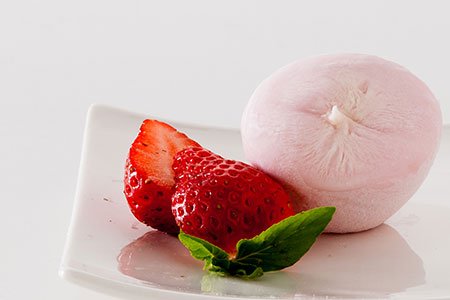
Is Mochi Good For Weight Loss?
Could a traditional Japanese confection actually aid in your weight loss journey? Mochi, with its chewy texture and often sweet filling, might seem like an unlikely candidate for a diet-friendly food, but its unique characteristics warrant closer examination. For instance, its small, portion-controlled size could help in managing overall caloric intake, a crucial factor in weight loss.
Historically, mochi has been a staple in various Japanese ceremonies and daily life, but its caloric density and carbohydrate content raise questions about its suitability for weight loss. Made from glutinous rice, mochi provides a quick source of energy, but this can become a double-edged sword. Some recent dietary frameworks suggest that including smaller, satisfying treats like mochi in moderation can prevent overindulgence in higher-calorie foods.
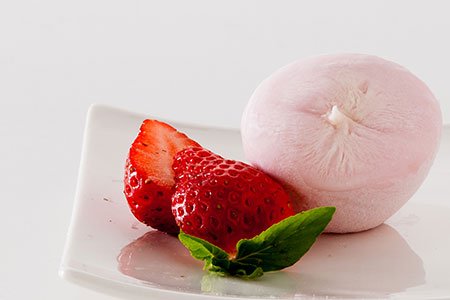
Decoding Mochi: A Brief Overview
Mochi is a traditional Japanese treat made from glutinous rice. It's known for its chewy texture, which makes it unique among desserts. This rice cake has been a part of Japanese culture for centuries.
The process of making mochi involves steaming glutinous rice and pounding it until smooth. This creates a stretchy dough that can be molded into small shapes. Sometimes, fillings like sweet bean paste are added.
Mochi comes in various types, each with its own flavor and texture. Some popular variations include Daifuku and Mochi Ice Cream. It’s often enjoyed during important celebrations and festivals.
Besides its cultural importance, mochi is also nutritionally interesting. It’s rich in carbohydrates, providing a quick energy boost. However, its calorie density can be a concern for those watching their weight.
The Historical Significance of Mochi
Mochi has deep roots in Japanese history and tradition. It’s often associated with New Year celebrations. Traditionally, families gather to make mochi together at the end of the year.
This practice, known as Mochitsuki, involves everyone in the family. It’s both a social and a culinary event, bringing people closer. During this time, people make enough mochi to last for several days.
Over the years, mochi has evolved, but its place in Japanese culture remains strong. Today, you can find modern twists on this classic treat. Yet, at its core, mochi continues to be a symbol of Japanese heritage.
Nutritional Aspects of Mochi
Mochi is nutritionally packed, particularly rich in carbohydrates. It's also fat-free, which can be appealing to some. However, it does contain a significant amount of sugar, especially when fillings are added.
Calories and sugar content can add up quickly, making portion control vital. Eating mochi in moderation can be fine for most people. But consuming large quantities regularly could impact weight management efforts.
To give a quick snapshot, here's a table highlighting the nutrition profile of one piece of plain mochi:
| Nutrient | Amount per Piece |
|---|---|
| Calories | 50 |
| Carbohydrates | 11g |
| Sugar | 1g |
Popular Varieties of Mochi
There are several popular varieties of mochi, each with its own flavor profile. Daifuku is one of the most well-known types. It consists of a small mochi ball filled with sweetened red bean paste.
Another favored form is Mochi Ice Cream. This dessert combines traditional mochi with a cold center of ice cream. It's a popular treat in many parts of the world.
Lastly, there's Kusamochi, which is flavored with mugwort. This variety offers a unique, earthy taste. Each type of mochi offers a different experience, making this dessert versatile and engaging.
Understanding the Connection between Food & Weight Loss
Food plays a critical role in weight loss. The types of food you eat and how much you consume directly impact your weight. Nutrition and portion control are key components.
Weight loss occurs when you burn more calories than you consume. This is known as creating a caloric deficit. Balancing nutritious foods with smaller portions helps achieve this.
Different foods affect your body in various ways. Some foods boost metabolism, while others make you feel full longer. Understanding these differences is important for successful weight management.
Here’s a table summarizing the basics of how food impacts weight loss:
| Factor | Impact on Weight Loss |
|---|---|
| Calories | Energy intake needs to be lower than expenditure |
| Macronutrients | Balance of carbs, proteins, and fats |
| Portion Size | Control ensures caloric deficit |
The Role of Calories
Calories are a measure of energy. When you eat, you consume calories, which your body uses for energy. Any excess calories are stored as fat.
To lose weight, you need to burn more calories than you take in. This creates a caloric deficit. It can be achieved through a combination of diet and exercise.
Here's a simplified example:
- Daily caloric intake: 2000 calories
- Calories burned through activity: 2500 calories
- Caloric deficit: 500 calories leading to weight loss
The Importance of Macronutrients
Macronutrients include carbohydrates, proteins, and fats. Each plays a distinct role in your body. Carbs provide energy, proteins help build muscle, and fats support cell function.
Balancing these macronutrients is crucial for effective weight management. A diet too high in any one macronutrient can lead to weight gain. For instance, too many carbs can spike insulin levels.
On the other hand, a proper balance helps maintain energy levels. It also supports muscle growth and overall health. Here's a basic breakdown of macronutrient sources:
| Macronutrient | Source |
|---|---|
| Carbohydrates | Breads, pasta, fruits |
| Proteins | Meat, beans, nuts |
| Fats | Oils, avocados, dairy |
The Power of Portion Control
Portion control is about eating the right amount of food. This helps ensure you don’t consume too many calories. Even healthy foods can lead to weight gain if you eat too much.
Smaller portions make it easier to maintain a caloric deficit. Using smaller plates and paying attention to serving sizes can help. Being mindful of what you eat goes a long way.
Here are some simple strategies for portion control:
- Measure servings with cups or scales
- Use smaller plates to trick your brain
- Avoid eating from the package
Mochi and Calories: A Deep Dive
Mochi is small but packs a punch when it comes to calories. One piece of plain mochi can contain around 50 calories. These calories come mainly from carbohydrates, which provide quick energy.
The filling inside mochi can significantly increase its calorie count. For example, red bean paste or ice cream fillings add extra sugars and fats. This makes it important to consider what’s inside your mochi.
Here's a table highlighting the differences:
| Type of Mochi | Calories per Piece |
|---|---|
| Plain Mochi | 50 calories |
| Red Bean Mochi | 100 calories |
| Mochi Ice Cream | 110 calories |
While mochi is delicious, portion control is key to managing its caloric impact. Having a small piece occasionally can fit into a balanced diet. However, consuming multiple pieces at once may lead to an unwanted caloric surplus.
The Role of Portion Control in Weight Loss
Portion control is a crucial element in weight loss. It helps you manage the number of calories you consume. By eating smaller portions, you can maintain a caloric deficit necessary for losing weight.
One effective strategy is to use smaller plates. This tricks your brain into thinking you're eating more, which can help you feel satisfied with less food. When your plate looks full, you’re less likely to go back for seconds.
Another useful tip is to measure your food. Using measuring cups or a kitchen scale can ensure you get the right portion size. This method helps you avoid overeating without even realizing it.
Here are some easy ways to practice portion control:
- Read nutrition labels to understand serving sizes.
- Use smaller dishes to serve food.
- Avoid eating directly from the package.
Portion control is especially important when eating high-calorie foods like mochi. Even a small excess can add up over time. Therefore, managing your portions can make a big difference in your weight loss journey.
Here's a quick comparison of different portion sizes and their caloric content:
| Food Item | Portion Size | Calories |
|---|---|---|
| Plain Mochi | 1 piece | 50 calories |
| Red Bean Mochi | 1 piece | 100 calories |
| Mochi Ice Cream | 1 piece | 110 calories |
Incorporating these tips into your daily routine can significantly help in achieving your weight loss goals. Understanding the role of portion control is an essential step towards a healthier lifestyle.
Mochi, Carbohydrates, and Quick Energy Analysis
Mochi is well-known for its high carbohydrate content. These carbs provide a quick source of energy. This makes mochi an ideal snack for a fast boost, especially before physical activities.
However, not all carbohydrates are created equal. Mochi is made from glutinous rice, which means it’s packed with simple carbohydrates. Simple carbs digest quickly and can spike blood sugar levels.
Here's a table detailing how mochi's carbohydrate content compares to other snacks:
| Snack | Carbohydrates per Serving |
|---|---|
| Plain Mochi | 11g |
| Apple | 25g |
| Protein Bar | 20g |
The quick digestion of mochi can cause an energy crash later. This contrasts with complex carbohydrates, which digest slowly and offer sustained energy. Therefore, while mochi is great for a rapid energy surge, it's not ideal for long-lasting fuel.
This makes portion control even more important. Overeating mochi can lead to excess calorie intake. For those looking to maintain their energy levels, balancing mochi with more nutritious snacks is essential.
Here's a list of healthier alternatives for longer-lasting energy:
- Whole grains like oats or quinoa
- Fruits such as bananas or apples
- Protein sources like nuts or yogurt
Eating these instead of or alongside mochi can provide a more balanced energy release. This way, you enjoy the best of both worlds: the quick boost from mochi and sustained energy from healthier options.
Does Mochi Fit into Popular Weight Loss Diets?
Mochi's role in popular weight loss diets can be a bit tricky. Traditional mochi is high in carbohydrates, which might not fit well with low-carb diets like Keto. For those following Keto, the high carb content would likely disrupt ketosis.
On the other hand, mochi can be included in balanced diets such as the Mediterranean diet. This diet emphasizes portion control and the inclusion of whole, unprocessed foods. Having a small piece of mochi occasionally might not sabotage your weight loss efforts if other aspects of your diet are well-balanced.
Here's a quick overview:
| Diet | Mochi Inclusion |
|---|---|
| Keto | Not recommended due to high carb content |
| Mediterranean | Occasionally, if portion-controlled |
| Paleo | Generally avoided due to processed ingredients |
In a Paleo diet, mochi is generally not allowed. This diet focuses on unprocessed foods that were available to early humans. Mochi, being a processed food made from rice, doesn't fit into this category.
Yet, in more flexible diet plans like Weight Watchers, mochi can be accommodated. Weight Watchers assigns points to foods based on their nutritional value. A piece of mochi might cost you a few points but can fit into your daily allowance if managed well.
Here's a list of diets and their stance on mochi:
- Keto: Avoid
- Mediterranean: In moderation
- Paleo: Avoid
- Weight Watchers: Allowed with points
In sum, while mochi might not fit into every weight loss diet, it can be enjoyed in moderation within flexible and balanced dietary plans. Knowing how it aligns with your specific diet can help you make informed choices.
Inclusion of Sweets like Mochi in a Weight Loss Plan
Including sweets like mochi in a weight loss plan can be challenging but possible. Moderation is key when trying to balance enjoyment with healthy habits. Having small portions now and then could prevent feelings of deprivation.
One way to include mochi without derailing your diet is by planning indulgences. If you know you're going to have a piece of mochi, adjust other meals to compensate for the extra calories. This helps maintain an overall caloric balance.
Here's a simple strategy:
- If you enjoy 1 piece of mochi (50 calories), opt for veggie snacks later.
- Avoid high-calorie drinks on the days you enjoy mochi.
- Add an extra 10 minutes to your exercise routine.
Mochi can also be made healthier by choosing versions with less sugar or using natural sweeteners. Some varieties include fillings like fruits, which add nutritional value. Always read the labels for calorie information before consuming store-bought options.
Mental satisfaction plays a big role in maintaining long-term dietary changes. Allowing yourself small treats like mochi can keep cravings at bay and prevent binge eating later on. This approach makes your diet more sustainable over time.
A quick comparison of snack options:
| Snack | Calories per Serving |
|---|---|
| Plain Mochi | 50 calories |
| Sliced Apple with Peanut Butter | 100 calories |
| Greek Yogurt with Honey | 150 calories |
The goal is finding a happy middle ground where you can indulge occasionally while staying on track with weight loss efforts. Knowing how to incorporate treats into your diet effectively can contribute greatly to both physical and mental well-being.
Alternatives to Mochi for a Diet Plan
If you're looking for mochi alternatives that fit better into a diet plan, there are many options available. Fruit-based snacks are a great choice. They are naturally sweet, low in calories, and rich in essential vitamins.
Sliced apples, berries, or any fruit mix can satisfy your sweet tooth. Adding a small amount of nut butter can enhance flavor without adding too many calories. This combination offers both taste and nutritional benefits.
Another excellent alternative is Greek yogurt with a bit of honey and fruit. This snack provides protein, improving satiety and helping with weight management. It also offers the creamy texture that some people crave from desserts.
Here's a table comparing the calories of healthy snack alternatives:
| Snack | Calories per Serving |
|---|---|
| Sliced Apple with Nut Butter | 100 calories |
| Mixed Berries | 50 calories |
| Greek Yogurt with Honey | 150 calories |
For those who crave something chewy, dried fruits like apricots or raisins can be a good substitute. However, be mindful of portion sizes as dried fruits can be calorie-dense. Pairing them with nuts can create a balanced snack.
Lastly, frozen fruit bars can be a refreshing alternative, especially on hot days. These bars are often low in calories and made from natural fruit juices. They provide a sweet, satisfying treat without adding too many calories to your diet.
Here are some alternative snack ideas:
- Fruit slices with a sprinkle of cinnamon
- Cottage cheese with fresh fruit
- Frozen grapes or berries
Frequently Asked Questions
Mochi is a chewy, traditional Japanese rice cake enjoyed worldwide. It raises questions about its nutritional value and role in weight management.
1. What are the primary ingredients in mochi?
Mochi is primarily made from glutinous rice, specifically mochigome, which gives it its unique chewy texture. The rice is steamed and pounded until it becomes a sticky dough that can be molded into various shapes.
Sometimes, additional ingredients like sugar or sweetened red bean paste are added to enhance flavor. These fillings can increase both the sweetness and caloric content of the mochi.
2. How does mochi compare to other desserts in terms of calories?
Compared to more calorie-dense desserts like cakes and pastries, plain mochi has relatively fewer calories per piece. However, once sweet fillings are added, the calorie count can rise quickly.
For example, one piece of plain mochi typically contains around 50 calories whereas a chocolate-filled pastry may contain over 200 calories. Moderation is key when incorporating these treats into your diet.
3. Can I eat mochi if I am on a low-carb diet?
If you’re on a low-carb diet like Keto, eating mochi can be challenging due to its high carbohydrate content. Mochi is made from glutinous rice which consists mostly of carbs.
Keto diets typically restrict carb intake to induce ketosis, making traditional mochi unsuitable for such plans. Alternatives or modified versions could be considered but would likely deviate from the authentic product.
4. Are there healthier versions of mochi available?
Yes, healthier versions of mochi have been developed to align better with dietary goals. Some use natural sweeteners instead of sugar or incorporate whole grains instead of glutinous rice.
You might also find fruit-filled or reduced-sugar options that keep calorie counts lower while still offering satisfying flavors. Always check nutrition labels for specific details on these alternatives.
5. How often should I include sweets like mochi in my diet?
Sweets like mochi can be included occasionally as part of a balanced diet without negatively impacting weight loss efforts. The key lies in portion control and mindful eating practices.
Limiting indulgence to special occasions and balancing out with healthier meal options throughout the day helps maintain overall nutritional balance and prevents overindulgence.
Conclusion
Incorporating mochi into a weight loss plan requires careful consideration of portion sizes and overall diet balance. While its high carb content may not fit all dietary frameworks, moderation and mindful choices can allow occasional indulgence without derailing weight loss efforts.
Understanding mochi's nutritional profile helps make informed decisions that align with personal health goals. By combining mochi with a balanced diet and regular exercise, it’s possible to enjoy this traditional treat while staying on track with weight management.
