Is Minestrone Soup Good For Weight Loss?
Can a bowl of hearty soup really aid in shedding those extra pounds? Minestrone soup, with its nutrient-dense ingredients and low-calorie nature, stands out in the realm of weight loss-friendly foods. Plus, it's packed with fiber from vegetables and beans, which promotes satiety and helps curb overeating.
Minestrone soup has historical roots in Italian cuisine, famed for its adaptability and nutrient richness. Research suggests that consuming low-energy-dense foods like minestrone can lead to effective weight management; a study by the American Journal of Clinical Nutrition found that high-fiber, low-calorie diets are strongly linked to lower body weight. Hence, incorporating minestrone into a balanced diet could be a tasty and practical solution for weight loss.
Unraveling the Components of Minestrone Soup
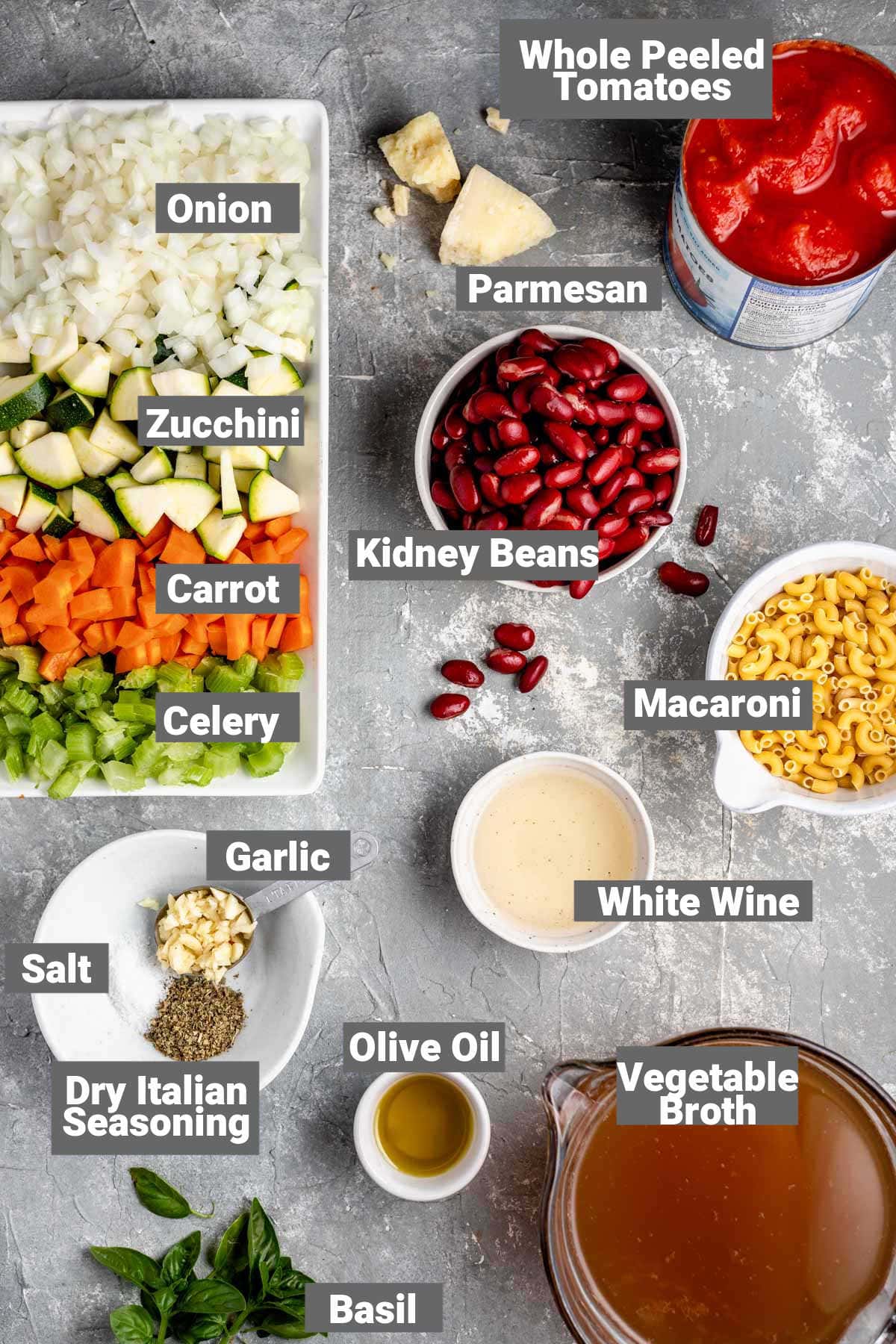
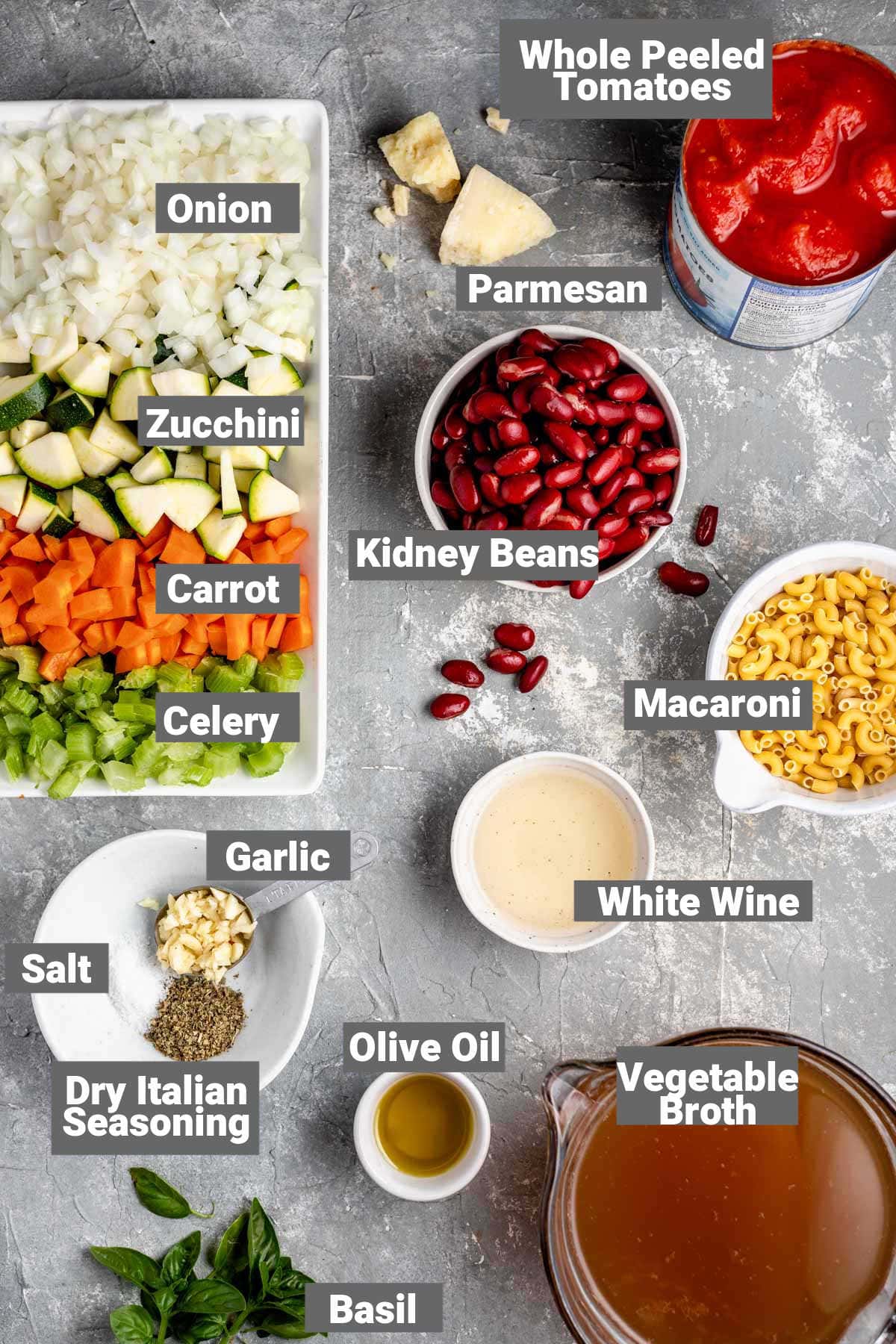
Minestrone soup is a traditional Italian dish known for its rich and varied ingredients. Typically, it includes a mix of fresh vegetables, beans, and pasta or rice. These components give the soup its hearty texture and nutritional value.
The vegetable blend often consists of tomatoes, carrots, celery, and onions. These are not only low in calories but also packed with essential vitamins and minerals. Additionally, vegetables like spinach and zucchini can be added for extra nutrients.
Beans are a significant part of minestrone soup and serve as a fantastic source of protein and fiber. Commonly used beans include kidney beans, cannellini beans, and chickpeas. They contribute to the soup's ability to make you feel full and satisfied.
Finally, pasta or rice adds to the soup's carbohydrate content, providing energy. Whole grain or gluten-free options can be used for a healthier twist. Herbs like basil, rosemary, and thyme are often added to enhance the flavor and provide additional health benefits.
Nutritional Benefits of Minestrone Soup
Minestrone soup is a powerhouse of essential nutrients packed into one bowl. It offers a balanced mix of vitamins, minerals, protein, and fiber. These elements make it an ideal choice for a wholesome meal.
Rich in Vitamins and Minerals
The variety of vegetables used in minestrone soup provides an abundance of vitamins. For example, tomatoes offer vitamin C, while carrots provide vitamin A. These nutrients are crucial for maintaining overall health and boosting the immune system.
Minerals like potassium and magnesium are also found in the soup. Beans and leafy greens contribute to these minerals, supporting heart health and muscle function. These minerals help balance body fluids and promote nerve and muscle activity.
Another essential mineral, iron, can be obtained from ingredients like spinach and beans. Iron is vital for transporting oxygen in the blood. It also helps in energy production and maintains the health of cells, skin, hair, and nails.
High in Fiber
Fiber is a critical component of a healthy diet. Minestrone soup, loaded with vegetables and beans, offers high fiber content. Fiber aids in digestion and helps maintain a healthy weight.
High-fiber foods like minestrone soup can keep you feeling full longer. This can help control food intake and prevent overeating, which is beneficial for weight management. Additionally, fiber is known to lower cholesterol levels and regulate blood sugar.
There are two types of fiber: soluble and insoluble. Minestrone soup contains both, which helps improve various digestive functions. Soluble fiber dissolves in water and can help lower glucose levels and blood cholesterol, while insoluble fiber helps food move through your digestive system.
Protein Power
Protein is another significant nutrient found in minestrone soup, thanks to the beans. Protein is essential for building and repairing tissues in the body. It also plays a role in creating enzymes and hormones.
Including enough protein in your diet can boost metabolism and increase muscle mass. Beans like chickpeas and kidney beans are excellent plant-based protein sources. They not only provide protein but also offer additional vitamins and minerals.
Moreover, protein is vital for maintaining bone health and muscle strength. It helps in recovering from exercise and injuries. Eating protein-rich foods like minestrone soup can contribute to long-term health and fitness.
How Minestrone Soup Promotes Satiety and Curbs Overeating
Minestrone soup is rich in fiber, thanks to its variety of vegetables and beans. Fiber plays a crucial role in promoting satiety, helping you feel full longer. This is vital for avoiding unnecessary snacking and reducing overall calorie intake.
The high protein content in minestrone soup, primarily from beans, also aids in keeping hunger at bay. Protein takes longer to digest compared to carbohydrates, which helps maintain a feeling of fullness for extended periods. This can significantly reduce the temptation to overeat.
The soup's broth base adds to its filling effect without adding many calories. Drinking broth before or during a meal can slow down eating and provide a sense of fullness. This factor makes minestrone soup an excellent choice for those looking to manage their weight.
Additionally, the act of eating hot soup can slow down your eating pace. Taking the time to savor each spoonful gives your brain a chance to register satiety signals sooner. This mindful eating approach can be a powerful tool in preventing overeating.
The Role of Minestrone Soup in a Low-Caloric Diet
Minestrone soup is an excellent addition to a low-caloric diet. Its base of vegetables, beans, and broth makes it rich in nutrients yet low in calories. This combination helps individuals feel full without consuming a lot of calories.
The soup's abundant fiber content aids in digestion and keeps you satisfied longer, which is key in a low-calorie regimen. Fiber helps regulate blood sugar levels and reduces hunger pangs. This makes it easier to stick to a calorie-controlled eating plan.
Additionally, the vegetables in minestrone soup provide essential vitamins and minerals while being low in calories. These nutrients support overall health and energy levels. Meanwhile, beans offer a protein boost without adding too many calories.
A typical serving of minestrone soup can range from 100 to 200 calories, depending on the ingredients. By choosing low-calorie vegetables and lean protein sources, you can keep the soup light and healthy. This makes it easier to manage your daily caloric intake.
Pairing minestrone soup with other low-calorie foods can create a balanced, satisfying meal. Try adding a side salad or a piece of whole-grain bread. This can diversify your diet and keep your meals interesting while still maintaining a low-calorie count.
Correlating Minestrone Soup with Effective Weight Management
Minestrone soup is a valuable ally in effective weight management. Its low-calorie yet nutrient-dense nature promotes a feeling of fullness. This is crucial for reducing overall calorie consumption and curbing unhealthy snacking.
Studies have shown that high-fiber foods like minestrone soup can enhance weight loss efforts. Fiber aids digestion and prolongs the sensation of satiety. This helps in maintaining consistent energy levels throughout the day.
By incorporating diverse ingredients, minestrone soup ensures a balanced intake of essential nutrients. Vitamins and minerals from vegetables support overall health. Protein from beans contributes to muscle maintenance and fat burning.
Another advantage of minestrone soup is its flexibility in meal planning. It can be easily prepared ahead of time and stored. This makes it convenient for those following a structured diet plan.
Using a natural, broth-based soup as a meal starter can slow down the eating process. This mindful eating approach can lead to better portion control and weight management. Additionally, the warm broth can have a soothing effect, reducing stress-related eating.
Minestrone soup's adaptability allows for seasonal variations, keeping meals interesting. By varying ingredients, you can enjoy a range of flavors and textures without compromising on calories. This versatility supports long-term adherence to a healthy diet.
Balancing Minestrone Soup with Other Healthy Foods for Weight Loss
Pairing minestrone soup with other healthy foods can create a balanced and fulfilling diet. Adding a side salad packed with leafy greens boosts the nutrient profile of your meal. Leafy greens like spinach and kale are low in calories but rich in vitamins.
You can also include a piece of whole-grain bread to pair with your soup. Whole grains provide additional fiber and complex carbohydrates. This can keep you feeling full longer and stabilize blood sugar levels.
Another excellent companion to minestrone soup is lean protein. Consider adding grilled chicken breast or tofu. These proteins are low in fat but high in nutrients, aiding in muscle maintenance and repair.
- Leafy greens: Spinach, kale, arugula
- Whole grains: Brown rice, quinoa, whole-grain bread
- Lean proteins: Grilled chicken, tofu, fish
To enhance the flavor and nutritional content of your minestrone soup, consider adding healthy fats. Avocado slices or a sprinkle of seeds like chia or flax can add taste and texture. Healthy fats are essential for absorbing fat-soluble vitamins.
Finally, stay hydrated by drinking plenty of water throughout the day. Proper hydration supports digestion and overall well-being. This holistic approach can make your weight loss journey more effective and enjoyable.
Tips on Making Healthy and Weight-Loss-Friendly Minestrone Soup At Home
Creating a healthy minestrone soup at home is easy and rewarding. Start with a variety of fresh vegetables such as carrots, zucchini, and spinach. The fresher the vegetables, the more nutrients they offer.
Use low-sodium broth to keep your soup heart-healthy. Reducing sodium intake can help control blood pressure levels. Homemade broths are often the best option for managing sodium content.
Incorporate plenty of beans for added protein and fiber. Use kidney beans, chickpeas, or cannellini beans. These not only boost nutrition but also enhance the texture of the soup.
- Choose seasonal vegetables
- Opt for whole grain pasta or rice
- Add herbs like basil, thyme, and rosemary for flavor
Avoid adding too much oil or butter to your soup. Stick to healthy fats like olive oil in moderation. This keeps the calorie count low while providing essential nutrients.
Finally, cook your soup in batches and store it for easy meals throughout the week. This preparation method saves time and ensures you have a nutritious meal on hand. Pair your minestrone with a small side salad for a complete meal that's both delicious and weight-loss-friendly.
Precautions and Considerations When Consuming Minestrone Soup for Weight Loss
While minestrone soup is a healthy option, it’s important to watch out for high sodium levels in store-bought versions. Always check the nutrition label to ensure you're not consuming excessive salt. Making the soup at home can help you control sodium content.
Portion control is essential when consuming minestrone soup for weight loss. Even healthy foods can lead to weight gain if eaten in large quantities. Stick to a reasonable portion size to maximize the benefits.
Incorporate a variety of ingredients to ensure you're getting all necessary nutrients. Relying too heavily on one type of vegetable can limit your nutrient intake. Aim for a colorful mix of veggies to get a broad range of vitamins and minerals.
- Limit high-calorie additions like cheese and cream
- Avoid using too much oil or butter
- Be mindful of portion sizes
Always pair your minestrone soup with other healthy foods to create a balanced diet. Eating only soup may not provide all the nutrients your body needs. Adding a lean protein source or a side salad can create a more complete meal.
Lastly, listen to your body’s hunger and fullness cues. Eating slowly can help you identify when you’re full, preventing overeating. This mindful approach can significantly aid your weight-loss journey.
Frequently Asked Questions
Minestrone soup offers numerous health benefits and is particularly popular among those looking to manage their weight. Below are some frequently asked questions to help you understand its impact on a healthy diet.
1. What ingredients make minestrone soup healthy?
Minestrone soup typically includes a variety of vegetables, beans, and whole grains. These ingredients provide essential vitamins, minerals, fiber, and protein. They contribute to satiety and overall well-being without adding excessive calories.
The vegetables like carrots, tomatoes, and spinach are rich in antioxidants which support your immune system. Beans provide protein and fiber that help maintain muscle mass and aid digestion. Whole grains add complex carbohydrates that offer sustained energy throughout the day.
2. Can I eat minestrone soup every day for weight loss?
Eating minestrone soup daily can be part of a healthy diet if it includes diverse ingredients. The variety ensures you get different nutrients needed for a balanced diet. However, it's essential to avoid excess sodium by making the soup at home with fresh ingredients.
Your daily intake should also be balanced with other low-calorie foods like salads or fruits. This way, you avoid nutrient deficiencies while promoting effective weight loss. Remember to listen to your body's hunger cues and eat until satisfied but not overly full.
3. How can I make my minestrone soup more filling?
You can make your minestrone soup more filling by adding high-fiber vegetables such as broccoli or cauliflower. Including lean proteins like chicken breast or tofu can further enhance its satiating qualities without significantly increasing calories.
Whole grains such as quinoa or barley also add bulk and texture to the soup while providing long-lasting energy. Adding these nutritious components can make each serving more satisfying and beneficial for weight management efforts.
4. Does minestrone soup help in reducing bloating?
Minestrone soup can help reduce bloating due to its high water content from the broth base and vegetables. Foods rich in water facilitate digestion and flush out excess sodium from the body, thereby reducing bloating symptoms.
The fiber content in beans and vegetables also promotes regular bowel movements which alleviate constipation-related bloating issues. Additionally, choosing low-sodium broths prevents water retention that otherwise may lead to puffiness around the stomach area.
5.Is store-bought minestrone as effective as homemade versions for weight loss?
Store-bought minestrone soups may contain higher levels of sodium and preservatives which could hinder your weight-loss goals if consumed frequently. Homemade versions give you control over ingredient quality ensuring healthier choices aligning better with dietary plans focused on natural food consumption.
A homemade recipe allows customization to fit personal taste preferences along with specific nutritional needs including lower calorie versions using fresh organic produce encouraging sustainable eating habits promoting consistent progress towards achieving desired fitness outcomes efficiently securely inherently!
Conclusion
Incorporating minestrone soup into your diet can be an effective strategy for weight loss. With its rich array of vegetables, beans, and broth, it offers a nutritious yet low-calorie meal option. This helps promote satiety, reducing the likelihood of overeating.
Additionally, its versatility allows for endless customization to fit your dietary needs and preferences. By making it at home, you can control the quality of ingredients and sodium levels, ensuring a healthier meal. Minestrone soup truly stands out as a delicious and practical choice for weight management.
