Is Matzo Ball Soup Good For Weight Loss?
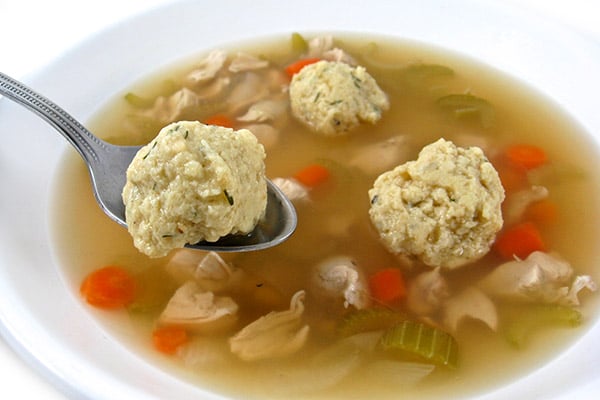
It's fascinating to note that a humble bowl of matzo ball soup, often celebrated as Jewish penicillin, might just be a valuable ally in your weight loss journey. This comforting dish, traditionally consumed during Passover, might seem too hearty to be associated with shedding pounds. However, its nutrient profile and potential health benefits warrant a closer look.
Matzo ball soup's foundation typically consists of broth, vegetables, and the signature matzo balls made from matzo meal, eggs, and fat. Historical accounts suggest it's a staple due to its simplicity and nutritional value. Surprisingly, a serving of matzo ball soup is relatively low in calories, making it a filling, yet light option that can pair well with weight loss diets when consumed mindfully.
Exploring the Traditional Matzo Ball Soup
The Roots of Matzo Ball Soup
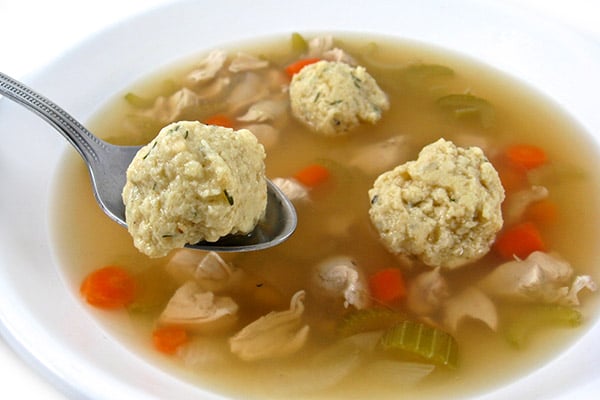
Matzo ball soup has its origins in Jewish cuisine, specifically enjoyed during Passover. This holiday commemorates the Israelites' escape from Egypt, and matzo, or unleavened bread, symbolizes their quick departure. The soup itself traditionally features matzo balls, chicken broth, and vegetables.
The recipe for matzo ball soup varies slightly depending on family traditions. Some might add herbs or spices to enhance the flavor. It's a dish that brings people together, creating a sense of community and history.
Over the years, matzo ball soup has become more than just a holiday dish. It's enjoyed year-round by people of all backgrounds. The soup’s wide appeal is due to its comforting nature and rich flavor.
Ingredients and Preparation
Key ingredients in matzo ball soup include matzo meal, eggs, chicken fat (schmaltz), and chicken broth. Other common ingredients are carrots, celery, and onions. These ingredients combine to create a nourishing and flavorful soup.
The preparation process involves making the matzo balls separately from the broth. Matzo balls are typically formed and then boiled until they become fluffy. The broth, on the other hand, is simmered with vegetables and chicken to extract rich flavors.
Once both components are ready, the matzo balls are added to the broth before serving. This two-step process ensures that the balls are perfectly cooked and the broth remains robust. The result is a hearty, satisfying soup that warms the soul.
Cultural Significance
Matzo ball soup is more than just a meal; it holds significant cultural value. It is often called Jewish penicillin because of its reputation for being a go-to comfort food during illness. Many families have their own special recipes handed down through generations, contributing to its sentimental value.
During Passover, matzo ball soup is a staple that links generations. It serves as a reminder of heritage and tradition. Each bowl carries stories and memories, making it a powerful connection to the past.
Even outside of religious holidays, people turn to matzo ball soup for comfort. Its significance extends beyond Jewish households, making it a universally beloved dish. The simple, wholesome ingredients contribute to its widespread appeal.
Matzo Ball Soup's Adaptations
Modern twists on traditional matzo ball soup have also emerged. Chefs and home cooks alike experiment with different ingredients and flavors. Some might add ginger or dill for a unique twist.
Vegetarian and vegan versions are also becoming popular. These variations use vegetable broth and substitute schmaltz with plant-based fats. Despite changes, these adaptations maintain the soup’s comforting essence.
Matzo ball soup continues to evolve while staying true to its roots. The adaptability of the recipe ensures it remains a favorite in many households. This beloved dish's enduring appeal lies in its simplicity and flavor.
Understanding the Nutritional Facts of Matzo Ball Soup
Matzo ball soup is a traditional dish with a rich history and a surprisingly nutritious profile. Common ingredients contribute to its health benefits, making it a balanced option. Exploring its nutritional content helps to appreciate its role in a healthy diet.
Key Nutrients in Matzo Ball Soup
Matzo ball soup is packed with essential nutrients. It usually contains protein from chicken broth and eggs. Additionally, the vegetables add fiber, vitamins, and minerals.
The matzo balls themselves provide carbohydrates, which are crucial for energy. Broth-made vegetables contribute vitamin A and vitamin C. This combination boosts well-being and supports immune health.
Chicken broth also contains collagen, which benefits skin and joint health. Incorporating these elements makes matzo ball soup a savory and nourishing choice. The balanced nutrient profile aligns well with maintaining a healthy lifestyle.
Analyzing the Nutritional Value of Ingredients
Each component of matzo ball soup adds distinct nutritional advantages. Chicken broth is low in calories but high in protein. Matzo meal, mainly made from wheat flour, provides carbohydrates and a small amount of protein.
Eggs are a key ingredient for making matzo balls. They contribute essential amino acids and healthy fats. This combination ensures that the meal is both satisfying and nourishing.
Vegetables like carrots and celery are low in calories and high in vitamins. These veggies contribute antioxidants, which fight harmful free radicals in the body. Thus, they enhance the overall nutritional value of the soup.
Comparing Calorie Count with Other Soups
One cup of matzo ball soup typically contains fewer calories than many creamy soups. For example, it generally has around 150 calories per serving. Comparatively, some creamy soups can exceed 200 calories or more.
This makes matzo ball soup a lower-calorie option. Its simplicity keeps the calorie count reasonable. Plus, the broth-based nature adds to hydration, which aids in fullness and nutrient absorption.
Even with its low-calorie count, the soup is filling due to protein and fiber content. This makes it easier to eat in moderation. As a result, it becomes an excellent choice for those mindful of their caloric intake.
Deciphering the Connection Between Matzo Ball Soup and Weight Loss
Matzo ball soup can be surprisingly helpful for those looking to lose weight. Its broth base offers a low-calorie option compared to creamy soups. This helps in creating a calorie deficit, which is essential for weight loss.
Another significant factor is the soup's high satiety level. The combination of protein from chicken broth and fiber from vegetables keeps you fuller for longer. This reduces the likelihood of snacking between meals.
Additionally, the clear broth aids hydration. Staying hydrated is crucial for weight loss as it helps in digestion and curbing unnecessary hunger. Besides, the comforting nature of matzo ball soup can make it easier to stick to a healthy eating plan.
Finally, matzo ball soup can be easily modified to fit a weight loss regimen. By using low-sodium broth and adding more vegetables, you can further reduce calories while increasing nutritional value. This makes it a versatile option for anyone looking to manage their weight effectively.
Examining the Filling Nature of Matzo Ball Soup
Matzo ball soup is known for being incredibly filling. The broth, with its blend of vegetables and chicken, provides a satisfying meal. This helps in reducing overall calorie consumption.
The matzo balls themselves are dense and substantial. Made from matzo meal, eggs, and fat, they provide a good source of energy. Their texture contributes to the feeling of fullness.
Protein plays a crucial role in why matzo ball soup is so satisfying. Chicken broth is rich in protein, which takes longer to digest. This process helps maintain a feeling of satiety for an extended period.
The soup also includes fiber from vegetables like carrots and celery. Fiber adds bulk to the stomach, further enhancing the feeling of fullness. Eating fiber-rich foods like this soup can reduce the urge to snack.
Drinking broth-based soups can promote hydration, too. Being well-hydrated affects appetite and metabolism positively. Therefore, a bowl of matzo ball soup serves multiple purposes for both nutrition and fullness.
Lastly, matzo ball soup's simplicity makes it easy to enjoy without overindulgence. It is a balanced dish, combining protein, carbs, and veggies in just the right proportions. This equilibrium helps in maintaining a healthy diet.
Fitting Matzo Ball Soup Into a Balanced Diet
Matzo ball soup can be a valuable addition to a well-rounded diet. This traditional dish is versatile, fitting into various meal plans. It provides essential nutrients while keeping you satisfied.
Portion control is key when incorporating matzo ball soup into your meals. One bowl can offer a range of nutrients without excessive calories. It’s important to pair it with a variety of other foods to maintain a balanced diet.
Consider adding more vegetables to your soup. This increases fiber content and enhances nutritional value. Vegetables like carrots, celery, and onions not only add flavor but also pack in vitamins and minerals.
Using low-sodium broth can make the soup healthier. High sodium intake can lead to health problems like high blood pressure. Opting for a low-sodium option keeps the dish heart-friendly.
Another tip is to add lean proteins to the soup. Shredded chicken or turkey can boost protein levels without adding too many calories. This helps in muscle repair and keeps you feeling full.
Lastly, enjoy matzo ball soup as part of a balanced meal. Pair it with a fresh salad or a side of steamed vegetables. This combination ensures you get a mix of nutrients for optimal health.
The Role of Exercise in Conjunction with a Healthy Diet
Exercise and diet work hand-in-hand to promote overall health. Regular physical activity helps to boost metabolism. This collaboration aids in weight management and improves well-being.
Incorporating exercise alongside a healthy diet can maximize health benefits. Activities like walking, running, or swimming complement a balanced meal plan. This combination leads to better muscle tone and energy levels.
Exercise supports cardiovascular health. Activities such as cycling or aerobics improve heart function. A strong heart pumps blood efficiently, enhancing nutrient delivery from healthy foods.
Weight-bearing exercises contribute to bone health. Eating calcium-rich foods in combination with weight training can strengthen bones. This approach helps protect against conditions like osteoporosis.
Regular exercise also promotes mental well-being. Physical activities release endorphins, which boost mood and reduce stress. A balanced diet fuels these activities, providing necessary nutrients for brain health.
Consistency in both exercise and diet is key. Short-term diets or sporadic workouts are less effective. Daily commitment to both ensures sustainable health improvements.
Make Your Matzo Ball Soup More Weight-Loss Friendly
Making matzo ball soup more weight-loss friendly involves simple adjustments. Swapping traditional ingredients for healthier alternatives can have a big impact. This makes the dish both nourishing and conducive to weight loss.
First, consider using a low-sodium broth. High sodium levels can cause water retention, counteracting weight-loss efforts. A low-sodium option ensures the soup remains tasty without extra salt.
Replacing chicken fat (schmaltz) with olive oil or another healthy fat is another tweak. Olive oil contains monounsaturated fats, which are heart-healthy. This small change trims down unwanted calories and fats.
Adding more vegetables enhances the nutritional value of your soup. Vegetables like spinach, zucchini, and bell peppers add vitamins and fiber. These boost fullness while keeping the calorie count low.
You can also try using whole grain matzo meal for making the balls. Whole grains are richer in fiber compared to refined grains. This switch aids digestion and prolongs satiety.
Finally, be mindful of portion sizes when serving the soup. Even healthier versions should be consumed in moderation to maintain a balanced diet. Portion control helps in adhering to your weight-loss goals effectively.
Additional Health Benefits of Matzo Ball Soup
Besides aiding in weight loss, matzo ball soup offers numerous health benefits. The rich broth is often homemade, which means it's free from preservatives. This makes it a wholesome, nutritious meal.
One major benefit is its ability to boost the immune system. Chicken broth contains amino acids like cysteine, which can help fight infections. During cold and flu season, a bowl of matzo ball soup can be especially comforting and healing.
The vegetables in the soup add essential vitamins and minerals. Carrots provide beta-carotene, which is good for eye health. Celery offers antioxidants that contribute to overall well-being.
Matzo ball soup can also aid in digestion. The warm broth is gentle on the stomach and can help soothe digestive issues. Additionally, herbs like parsley, often used in the recipe, have digestive benefits.
Another surprising benefit is the soup’s role in reducing inflammation. The hot broth helps in opening up nasal passages, making it easier to breathe. This can be especially beneficial for those suffering from respiratory issues.
Lastly, the soup provides a sense of comfort and emotional well-being. The act of eating a warm, homemade meal can lift spirits and reduce stress. This emotional benefit contributes to overall health and happiness.
Frequently Asked Questions
Matzo ball soup is a cherished dish with deep cultural roots and many nutritional benefits. Here are some frequently asked questions to help understand it better.
1. What are the key ingredients in matzo ball soup?
The main ingredients include matzo meal, eggs, chicken broth, and vegetables like carrots and celery. Some recipes also use chicken fat (schmaltz) for added flavor.
The combination of these ingredients creates a flavorful and nutritious soup. Variations can be made by adding herbs or using low-sodium broth for a healthier version.
2. Can matzo ball soup be made vegetarian?
Yes, matzo ball soup can easily be made vegetarian by using vegetable broth instead of chicken broth. You can also substitute chicken fat with olive oil or another plant-based fat.
This adjustment retains the comfort and flavor while making the dish suitable for vegetarians. Additional vegetables can add more depth to the soup's taste and nutritional value.
3. How do you make matzo balls fluffy?
To make fluffy matzo balls, ensure your mixture has the right consistency by not overmixing it. Letting the mixture rest in the refrigerator before forming balls helps too.
Another tip is to boil them in salted water before adding them to the soup. This method keeps them light and airy rather than dense and heavy.
4. Is matzo ball soup high in sodium?
Traditional matzo ball soup can be high in sodium due to the use of regular chicken broth and added salt. However, you can reduce sodium levels by using low-sodium or homemade broth.
This ensures you control the salt content better while maintaining flavor. Fresh herbs can also enhance taste without needing extra salt.
5. Can matzo ball soup help when you're sick?
Yes, many consider matzo ball soup as a go-to remedy when feeling unwell, similar to chicken noodle soup's reputation as "Jewish penicillin." The warm broth can soothe sore throats and provide hydration.
The nutrients from vegetables and protein from broth support immune function during illness. It's a comforting choice that offers physical and emotional solace when you're under the weather.
Conclusion
Matzo ball soup is not only a cultural favorite but also a nutritious option for those aiming for a balanced diet. Its versatility allows for healthier modifications that can support weight loss without sacrificing flavor.
From its nutrient-rich ingredients to its comforting nature, this soup offers numerous health benefits. Incorporating matzo ball soup into your meal plan can be a delicious and beneficial choice for overall well-being, making it a timeless dish for many households.
