Is Macaroni And Cheese Good For Weight Loss?
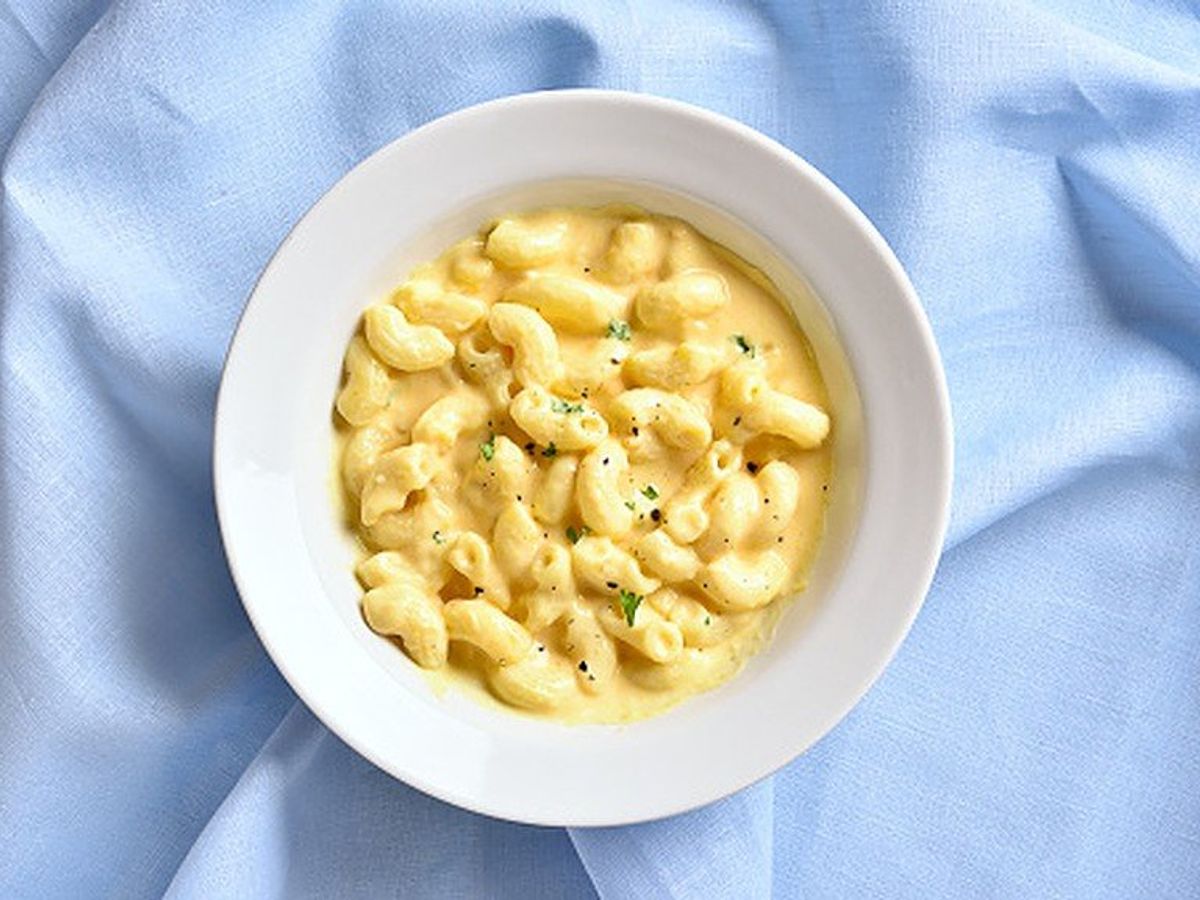
Consider this: Can a comfort food rich in cheese and pasta really fit into a weight loss plan? Macaroni and cheese, a dish beloved by many for its creamy and indulgent nature, raises eyebrows when mentioned alongside weight loss. Its high-calorie content might suggest otherwise, but refining ingredients and portion control can make a surprising difference.
Historically, macaroni and cheese has been seen as a culinary indulgence, not a diet-friendly option. A typical serving can pack over 300 calories, with fat and carbs dominating the nutritional profile. However, modifying this classic by incorporating whole grain pasta, reduced-fat cheese, and added vegetables can considerably lower its caloric impact while maintaining flavor.
Background of Macaroni and Cheese
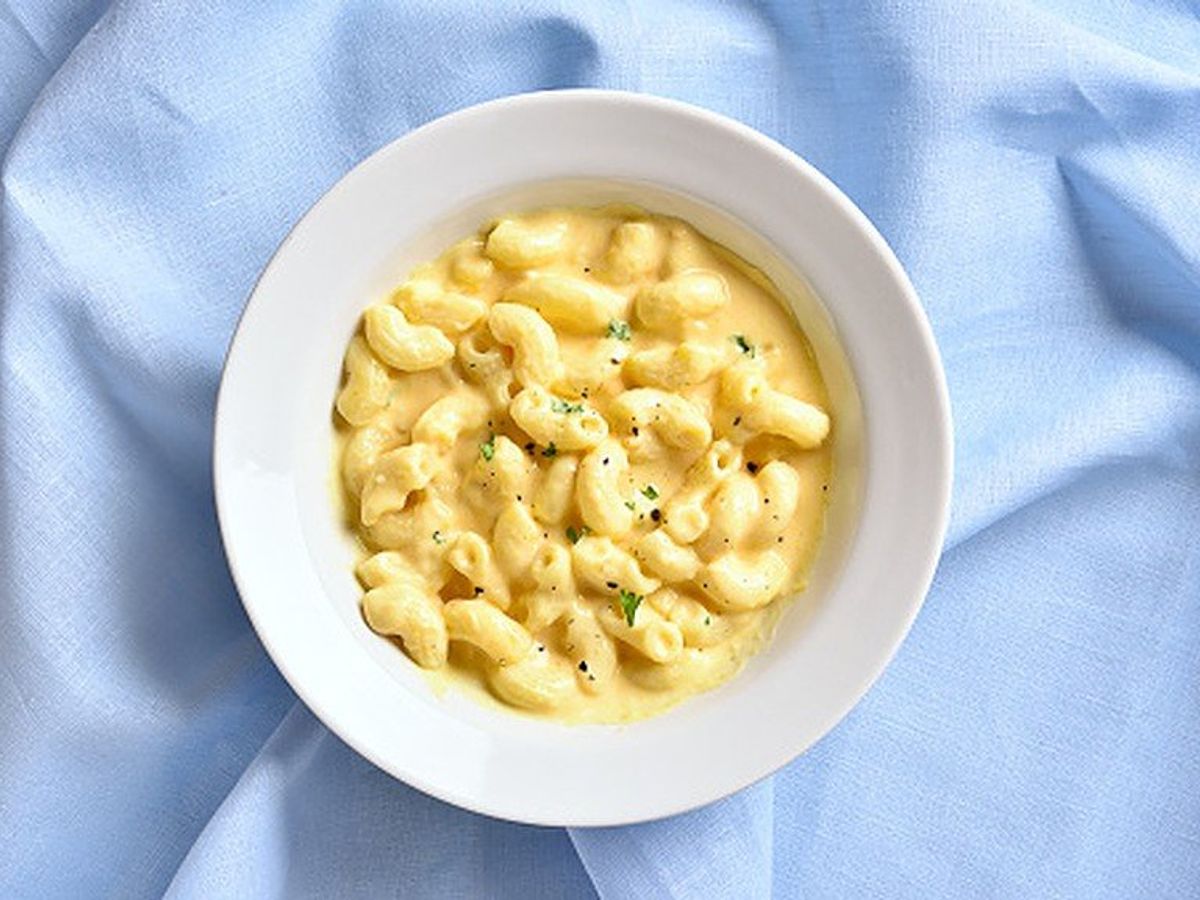
Macaroni and cheese is a dish beloved by many. It has a rich history dating back to the 18th century. This comfort food combines pasta and cheese in a simple yet delicious way.
Origins of Macaroni and Cheese
The origins of macaroni and cheese can be traced back to Italy. Early recipes were discovered in cookbooks from the 14th century. The dish became popular in Europe and eventually made its way to America.
Thomas Jefferson is often credited with introducing macaroni and cheese to the United States. He discovered the dish during his travels in Europe. Upon his return, he served it at a state dinner, making it an instant hit.
Today, macaroni and cheese is a staple in American cuisine. It's enjoyed in various forms, from homemade recipes to instant boxed versions. This versatile dish has evolved over time, accommodating diverse tastes.
Traditional Ingredients
Traditional macaroni and cheese recipes are simple yet elegant. Typically, they use elbow macaroni pasta, combined with a rich cheese sauce. Common cheeses include cheddar, gouda, and parmesan.
The cheese sauce usually starts with a roux, a mixture of butter and flour. Milk or cream is added to create a smooth and creamy base. Cheese is then melted into the sauce, resulting in a luscious coating for the pasta.
Additional ingredients can include breadcrumbs or herbs for extra flavor and texture. Some recipes also call for a dash of mustard or even a splash of hot sauce. These variations add depth to the already delightful dish.
Modern Variations
Modern variations of macaroni and cheese are endless. Chefs and home cooks alike experiment with different ingredients. You can find versions with bacon, lobster, or even truffle oil.
Many people enjoy making healthier versions of this classic dish. Whole grain pasta, reduced-fat cheese, and added vegetables make for a more nutritious meal. These tweaks can make it easier to enjoy macaroni and cheese without the guilt.
Regardless of the variations, one thing remains constant: macaroni and cheese is a beloved comfort food. Its creamy texture and rich flavor continue to make it a favorite. Whether you prefer the classic version or a modern twist, there's a macaroni and cheese for everyone.
Nutritional Profile of Macaroni and Cheese
Macaroni and cheese is known for being a tasty comfort food, but what’s really in it? The nutritional content can vary depending on the recipe and ingredients used. Let’s break down the basics of what you typically find in a serving.
Caloric Content
A single serving of macaroni and cheese can contain a significant amount of calories. Typically, it ranges from 300 to 500 calories per cup. The macronutrient profile is often high in fats and carbohydrates due to the cheese and pasta.
The calories mainly come from the cheese and milk used in the dish. Additionally, any butter or oil added during preparation contributes to the calorie count. Being mindful of portion size can help manage overall calorie intake.
For those watching their weight, smaller portions or modified recipes can make a difference. Using lower-calorie ingredients is another way to enjoy this dish without compromising on taste. Moderation is key when incorporating macaroni and cheese into a balanced diet.
Fat Content
The fat content in macaroni and cheese is something to consider. One serving can have anywhere from 10 to 20 grams of fat. This is primarily due to the cheese and butter used in the recipe.
Most of this fat is saturated, which can have an impact on heart health. Choosing reduced-fat or fat-free cheese can help lower the saturated fat content. Another option is to use olive oil or a plant-based butter substitute.
Balancing the meal with vegetables can also reduce the overall fat content per serving. Incorporating greens like broccoli or spinach not only adds nutrients but also fills you up faster. This helps in keeping your diet balanced and nutritious.
Protein and Carbohydrates
Macaroni and cheese is a good source of protein and carbohydrates. Most recipes offer around 10 to 15 grams of protein per serving. The pasta itself provides complex carbohydrates, essential for energy.
The cheese contributes a majority of the protein in this dish. For an extra boost, some people add grilled chicken or other lean meats. This not only increases the protein content but also makes the meal more filling.
However, the carbs in the pasta can lead to spikes in blood sugar. Using whole grain or high-protein pasta options can be helpful. These alternatives offer slower-digesting carbs, which are better for maintaining stable blood sugar levels.
Understanding Weight Loss Diets
Weight loss diets are all about creating a balance between calorie intake and calorie expenditure. This means consuming fewer calories than your body needs to maintain its current weight. It's often summarized in the phrase, "calories in vs. calories out."
Different diets have different approaches, but they all focus on achieving this calorie deficit. Some diets emphasize reducing carbohydrates, while others focus on cutting fats. Protein plays a crucial role in most weight loss plans because it helps maintain muscle mass.
It's important to choose a diet that fits your lifestyle and preferences. Extreme diets may show quick results but are usually hard to maintain. A sustainable diet that you can stick with long term is more likely to lead to lasting weight loss.
Balanced nutrition is key. A good weight loss diet should include a variety of foods from all food groups. Incorporating fruits, vegetables, lean proteins, and whole grains ensures you get the nutrients your body needs while losing weight.
How Macaroni and Cheese Fits into a Weight Loss Plan
Surprisingly, you can fit macaroni and cheese into a weight loss plan with some adjustments. The key lies in portion control and ingredient modifications. Smaller portions help manage calorie intake effectively.
One way to make this dish healthier is by using whole grain or high-protein pasta. These options provide added fiber and protein, keeping you fuller for longer. Reduced-fat cheese can also cut down on unhealthy fats without sacrificing flavor.
Incorporating vegetables into your macaroni and cheese is another smart idea. Veggies like broccoli, spinach, or tomatoes add bulk and nutrition. This can make the dish more satisfying without adding many calories.
When preparing macaroni and cheese, consider using less butter or a healthier fat option like olive oil. Olive oil has monounsaturated fats, which are better for your heart. Making small changes can significantly reduce the dish’s overall calorie and fat content.
Meal planning helps control your overall calorie intake. Including macaroni and cheese in a balanced weekly menu allows for indulgence without going overboard. Plan out meals in advance and pair this dish with lean protein or a salad for a complete meal.
Ultimately, the occasional serving of macaroni and cheese can fit into a balanced diet. Moderation and making smart ingredient choices are essential. Enjoying your favorite comfort foods is possible while still working towards your weight loss goals.
Making Macaroni and Cheese Healthier
Transforming macaroni and cheese into a healthier meal is easier than you might think. Start by choosing whole grain or high-protein pasta for added nutrients. Whole grains provide more fiber, making the dish more filling and better for digestion.
Next, opt for reduced-fat or fat-free cheeses. These versions have fewer calories and less saturated fat. You can still enjoy the creamy texture without so much guilt.
Adding vegetables can significantly boost the nutritional value of your macaroni and cheese. Consider mixing in broccoli, spinach, or tomatoes. These veggies add vitamins, minerals, and color to your dish, making it both nutritious and visually appealing.
Switching to healthier fats can also make a big difference. Use olive oil instead of butter for a heart-healthy alternative. Olive oil contains monounsaturated fats, which are better for heart health.
Portion control is a crucial aspect of making this dish healthier. Serve smaller amounts alongside a salad or lean protein. This helps balance your meal while still letting you enjoy your favorite comfort food.
Finally, consider experimenting with spices and herbs to enhance flavor without adding extra calories. Garlic powder, paprika, and fresh herbs like parsley can make your dish more interesting. Flavorsome additions keep the dish exciting and delicious without relying on cheese and butter.
Other Considerations for Weight Loss While Eating Macaroni and Cheese
Incorporating macaroni and cheese into your weight loss plan requires strategic planning. One key aspect is to balance your overall diet by including a variety of nutrient-rich foods. Ensure your other meals are light and packed with vegetables and lean proteins.
Exercise is essential when trying to lose weight, especially if you enjoy calorie-dense foods like macaroni and cheese. Regular physical activity helps burn off extra calories and keeps your metabolism active. Aim for a mix of cardio and strength training exercises.
Hydration plays a significant role in weight management. Often, our bodies confuse thirst with hunger, leading to unnecessary snacking. Drinking water before meals can help you feel fuller and reduce overeating.
Mindful eating is also crucial. Enjoy your macaroni and cheese slowly, savor each bite, and pay attention to your body's hunger and fullness signals. This can prevent you from consuming more than you need.
Meal prepping can make a big difference in managing portion sizes and ingredients. Preparing smaller portions in advance helps you stick to your calorie goals. It also ensures you have control over the ingredients used.
Finally, consider integrating low-calorie or zero-calorie flavor enhancers like herbs and spices. These can add taste without adding extra calories. Making small, mindful choices can help you enjoy macaroni and cheese while still achieving your weight loss goals.
Effects of Consuming Excessive Macaroni and Cheese
Consuming excessive macaroni and cheese can have various health impacts. One major concern is the high calorie content, leading to potential weight gain. Excess calories can easily add up, especially if portion sizes are not controlled.
The dish is also high in saturated fats, which can negatively affect heart health. High levels of saturated fats can raise cholesterol levels. This increases the risk of heart disease over time.
Another issue is the sodium content. Many recipes and boxed versions contain a lot of salt. High sodium intake can lead to increased blood pressure, putting extra strain on your cardiovascular system.
Eating too much macaroni and cheese can also impact your digestive system. The lack of fiber in traditional recipes may lead to constipation. Opting for whole grain pasta can help reduce this issue.
Overall nutrient balance is another concern. Focusing heavily on one dish may mean missing out on essential vitamins and minerals from other foods. Diverse meals are important for maintaining overall health.
Mental health aspects shouldn't be overlooked either. Overindulgence in comfort foods like macaroni and cheese could lead to feelings of guilt or stress about eating habits. Balancing indulgence with healthier choices helps maintain a positive relationship with food.
Expert Views on Macaroni and Cheese for Weight Loss
Nutritionists generally agree that monitoring portion size is critical. Small servings of macaroni and cheese can be included in balanced meals. Keeping portions in check helps manage calorie intake.
Dietitians often suggest modifying recipes for healthier versions. Using whole grain pasta and reduced-fat cheese are common recommendations. Adding vegetables like broccoli or spinach boosts the dish’s nutritional value.
Some experts believe that completely avoiding comfort foods is unrealistic. Allowing occasional treats can make weight loss plans more sustainable. This makes it easier to stick with long-term healthy eating habits.
Fitness professionals emphasize the importance of exercise. Combining a controlled diet with regular physical activity helps burn extra calories. This approach can make it more feasible to include calorie-dense foods like macaroni and cheese.
Experts also stress the value of mindful eating. Paying attention to hunger and fullness cues can prevent overeating. Savoring each bite and eating slowly can enhance the enjoyment and reduce the urge to overindulge.
Ultimately, the consensus is that moderation and smart ingredient choices are key. Enjoying macaroni and cheese responsibly allows it to fit into a healthy lifestyle. With the right balance, even indulgent foods can be part of a weight loss plan.
Frequently Asked Questions
Macaroni and cheese is a beloved comfort food, but how does it fit into a weight loss plan? Here are some frequently asked questions to help navigate its nutritional and dietary impact.
1. Can I eat macaroni and cheese on a diet?
Yes, you can include macaroni and cheese in your diet with some modifications. Opt for smaller portions and choose healthier ingredients like whole grain pasta and reduced-fat cheese. These adjustments make the dish more nutritious while fitting better within your dietary limits.
Remember that balance is crucial. Pairing your meal with vegetables or lean proteins can ensure you're not overloading on calories. Moderation and mindful eating will help maintain your weight loss goals while still enjoying this comfort food.
2. What are some healthy alternatives for traditional macaroni and cheese ingredients?
Using whole grain or high-protein pasta instead of regular elbow macaroni adds fiber and nutrients. You can also opt for reduced-fat or fat-free cheeses to lower the dish's saturated fat content. Consider using olive oil as a healthier fat option over butter.
Adding vegetables like broccoli, spinach, or tomatoes can increase the nutritional value without many extra calories. Herbs and spices such as garlic powder, paprika, or fresh parsley can also enhance flavor without adding unhealthy ingredients.
3. How does portion control impact weight loss while eating macaroni and cheese?
Portion control plays a significant role in managing calorie intake, especially with high-calorie foods like macaroni and cheese. Eating smaller portions helps you enjoy the dish without consuming excess calories that could derail your weight loss efforts.
You can pre-portion meals ahead of time to avoid overeating during mealtime. Pairing each serving with side salads or steamed vegetables promotes balance by adding bulk without extra calories, helping you feel full longer.
4. Are there any benefits of including macaroni and cheese in my diet?
Certainly! Macaroni and cheese offers protein from the cheese which is essential for muscle maintenance while losing weight. Whole grain versions add complex carbohydrates necessary for sustained energy levels throughout the day.
This dish also provides an opportunity to incorporate various nutrient-dense foods like veggies into your diet seamlessly. Besides nutritional benefits if consumed wisely; comfort foods contribute positively to emotional well-being too!
5. How often should I include macaroni and cheese in my diet when aiming to lose weight?
The frequency largely depends upon your overall calorie needs & lifestyle choices but limiting it once a week works sustainably within balanced menus ensuring nutritional adequacy remains uncompromised across other meals too!
Aiming moderation incorporating several diverse nutrient sources alongside monitoring progress continuously aids better judgement adjusting frequencies further accordingly per evolving requirements confirming successful adherence towards achieving desired results efficiently!
Conclusion
Incorporating macaroni and cheese into a weight loss plan is feasible with mindful adjustments. Swapping traditional ingredients for healthier alternatives and controlling portions can make this beloved dish fit into your diet. While not typically seen as diet-friendly, smart choices can allow indulgence without derailing goals.
Ultimately, balance and moderation remain key. By pairing smaller servings with nutritious foods and staying active, you can enjoy macaroni and cheese while maintaining a healthy lifestyle. Remember, enjoying your favorite foods responsibly is essential to long-term dietary success.
