Is Gumbo Good For Weight Loss?
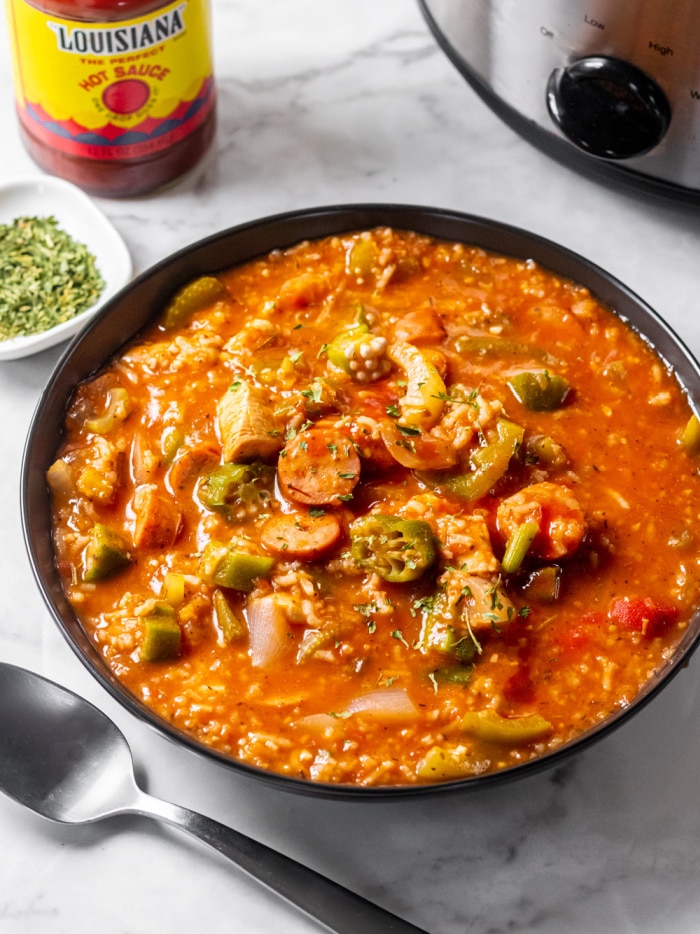
It may surprise many to learn that this flavorful Southern delicacy not only satisfies the taste buds but could also have a role in a weight loss regimen. Gumbo, typically packed with proteins and vegetables, blends myriad flavors in a comforting bowl. But can this hearty dish truly aid in shedding unwanted pounds?
Traditionally, gumbo features a rich roux base, but modern variations have adapted to more health-conscious ingredients. Using lean proteins like chicken or seafood, and plenty of vegetables, can lower caloric intake while still providing a nutrient-dense meal. According to nutrition experts, a balanced gumbo can be relatively low in calories yet high in fiber and protein, essential components for maintaining a healthy weight.
Understanding the Basics of Weight Loss
Losing weight starts with simple math: you need to burn more calories than you consume. This is commonly referred to as a caloric deficit. If you consistently maintain a caloric deficit, your body will use stored fat for energy.
Exercise plays a crucial role in weight loss. It helps burn extra calories and builds muscle, which can enhance your metabolism. The more active you are, the easier it is to create a calorie deficit.
Diet is equally important when trying to lose weight. Consuming nutrient-dense foods helps keep you full without piling on the calories. Examples include fruits, vegetables, lean proteins, and whole grains.
Lastly, hydration should not be overlooked. Drinking plenty of water helps your body function properly and can even help control your appetite. Sometimes, our bodies confuse thirst with hunger, leading to unnecessary calorie intake.
The Caloric Makeup of Gumbo
Gumbo is an incredibly flavorful dish, but its calorie content can vary widely. Traditional gumbo is made with a roux, a mix of fat and flour that adds richness and calories. Knowing the caloric makeup can help you enjoy this dish wisely.
Main Ingredients and Their Calories
The base ingredients in gumbo are a major source of calories. Common ingredients include meats like chicken, sausage, and seafood, along with vegetables like bell peppers, onions, and celery. Here's a breakdown of calories per serving of each:
- Chicken: 142 calories per 3 ounces
- Sausage: 200 calories per 2 ounces
- Shrimp: 84 calories per 3 ounces
- Vegetables: 50-70 calories per cup
Roux and Its Impact
A rich roux is key to many gumbo recipes, but it's also high in calories. Made with equal parts flour and fat like butter, one cup of roux can add several hundred calories. Opting for a lighter roux or even omitting it can greatly reduce the caloric content.
Adding Flavor without Extra Calories
There are ways to enhance your gumbo's flavor without adding too many calories. Spices, herbs, and broth can add layers of taste without extra fat or sugar. Consider using bay leaves, thyme, and low-sodium chicken broth to keep it light yet delicious.
Healthier Gumbo Variations
Creating healthier gumbo versions is possible by tweaking some traditional recipes. Swapping out high-calorie ingredients with leaner options is a great start. For example, using turkey sausage instead of pork sausage can reduce fat content.
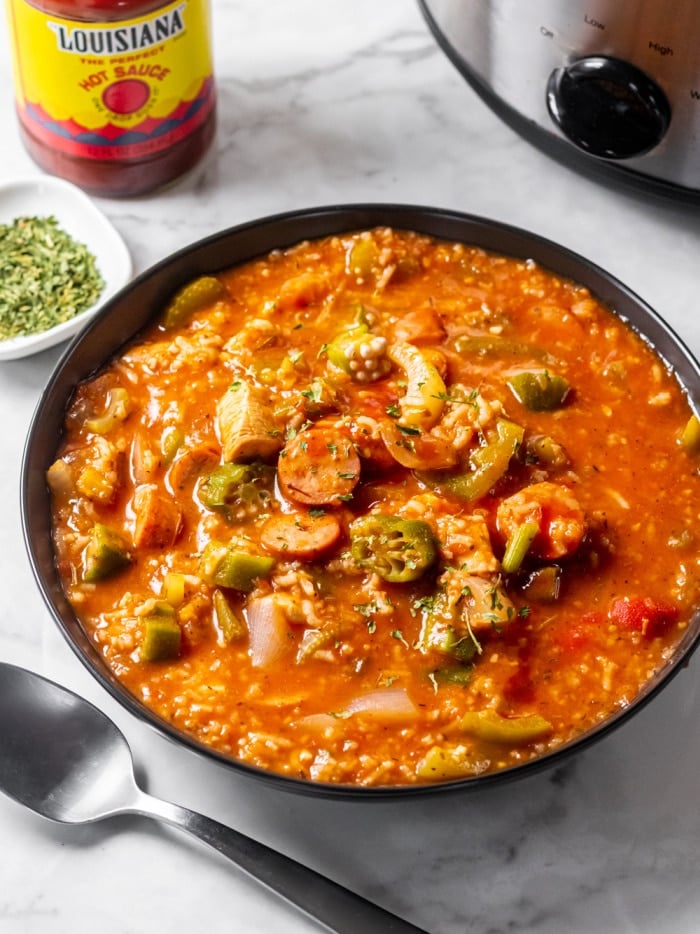
Another way to make gumbo healthier is by increasing the vegetable content. Adding more veggies not only reduces calorie density but also boosts fiber and essential nutrients. Think of adding extra bell peppers, tomatoes, and okra.
Lightening the roux can also make a big difference. Instead of using a full-fat roux, consider making it with less butter or even using olive oil. Some recipes even skip the roux and use a tomato-based base to cut calories.
Lastly, using low-sodium broth can help manage your sodium intake. Traditional gumbo can be high in salt, but you can easily switch to a healthier alternative. This small switch can make the dish more heart-friendly.
Gumbo and Nutrient Density
Gumbo is not only tasty but can also be nutrient-dense when made with the right ingredients. Incorporating a variety of veggies and lean proteins increases its nutritional value. Every bowl of gumbo can be a powerhouse of vitamins and minerals.
Vegetables like bell peppers, onions, and celery are rich in vitamins A and C. These vitamins are essential for boosting your immune system and maintaining healthy skin. Including plenty of vegetables can make your gumbo more nutritious.
Lean proteins, such as chicken and shrimp, add essential amino acids to the dish. Amino acids are the building blocks of protein, helping with muscle repair and growth. Additionally, seafood like shrimp can provide heart-healthy omega-3 fatty acids.
Whole grains or brown rice can replace white rice to boost fiber content. Fiber helps with digestion and keeps you feeling full longer. A hearty gumbo with whole grains can help you meet your daily fiber requirements.
Using herbs and spices not only enhances flavor but also adds antioxidants. Spices like thyme, cayenne pepper, and bay leaves can offer anti-inflammatory benefits. This makes gumbo both delicious and good for your health.
Benefits of Protein and Fiber in Gumbo
Protein is an essential nutrient, and gumbo is a rich source of it. Including proteins like chicken, sausage, and shrimp can make the dish incredibly satisfying. Protein aids in repairing muscles and tissues, making it crucial for anyone leading an active lifestyle.
Fiber, on the other hand, has numerous health benefits. It helps with digestion and keeps you full longer, aiding in weight management. Vegetables and whole grains in gumbo can add a significant amount of fiber to your meal.
Combining protein and fiber can improve overall satiety. This means you feel full faster and stay full longer, reducing the tendency to overeat. It's a win-win for anyone looking to maintain or lose weight.
The diverse ingredients in gumbo offer a balanced mix of both fiber and protein. For instance, beans, okra, and other veggies boost the fiber content. Lean meats and seafood add the necessary proteins.
Besides, high fiber and protein foods can regulate blood sugar levels. Fiber slows down sugar absorption, while protein provides steady energy. This balance helps maintain healthy glucose levels and reduces energy spikes and crashes.
The Role of Portion Control When Consuming Gumbo
Portion control is essential when enjoying gumbo, especially given its rich ingredients. Overeating can lead to excessive caloric intake, counteracting its nutritional benefits. Monitoring portion sizes is a practical step toward maintaining a balanced diet.
Using smaller bowls is a simple trick to control portions. It can help you visualize appropriate serving sizes without feeling deprived. You can also measure out a specific amount before eating to keep yourself in check.
It's important to be mindful of the rice or bread often served with gumbo. These sides can add extra calories, making it harder to manage your intake. Serving gumbo with alternative sides like salad or steamed veggies can help balance your meal.
Another strategy is to eat slowly and savor each bite. This can help you recognize when you’re full before overindulging. Studies show that eating slowly aids in better digestion and heightened satisfaction from meals.
Paying attention to hunger and fullness cues is equally important. Trust your body to tell you when you’ve had enough, rather than clearing your plate out of habit. Over time, this practice can help you better manage your weight and overall health.
Substituting Ingredients for a Lighter Gumbo
Taking traditional gumbo recipes and tweaking them slightly can make a big difference in calorie content. One easy swap is replacing pork sausage with turkey sausage, which has less fat. This reduces the overall calorie count while still keeping the dish flavorful.
You can also opt for lean chicken breast instead of darker meat parts like thighs or drumsticks. Lean meats have fewer calories and are lower in fat, making them a healthier choice. Shrimp is another excellent option, offering high protein with low calories.
Another tip involves substituting butter with lighter oils like olive or avocado oil when making the roux. These oils contain healthy fats and can lower the saturated fat content of your gumbo. Alternatively, some recipes use flour and water to make a simple roux substitute.
Adding more vegetables such as bell peppers, okra, and tomatoes not only makes your gumbo more nutritious but also increases its volume without adding many calories. These veggies are rich in fiber and essential nutrients that support overall health.
If you're a fan of rice with your gumbo, consider using whole grains instead of white rice. Options like quinoa or brown rice offer more fiber and will keep you full longer. Swapping out these ingredients contributes to a lighter yet satisfying meal.
Incorporating Gumbo into a Balanced Diet
Incorporating gumbo into a balanced diet is possible when you focus on the quality and quantity of ingredients. Use lean proteins like chicken or shrimp instead of fattier meats. Opt for whole grains when serving your gumbo over rice.
Adding a variety of vegetables can make your gumbo more nutritious. Vegetables like bell peppers, onions, and okra boost fiber and vitamin content. This adds to the volume of your meal without contributing extra calories.
Portion control is crucial when enjoying gumbo as part of your diet. Serve yourself a reasonable portion to avoid overeating. Pairing gumbo with a side salad can help you stay full while keeping caloric intake in check.
Balancing your gumbo meal with other nutritious foods throughout the day is essential. Make sure other meals contain lean proteins, whole grains, and plenty of fruits and vegetables. Consistency in making health-conscious choices aids in effective weight management.
Finally, be mindful of the sodium content in your gumbo. Using low-sodium broth and fresh ingredients helps keep salt levels down. Too much salt can impact overall health, so this small change can make a big difference.
Frequently Asked Questions
If you're curious about incorporating gumbo into a healthier lifestyle, you're not alone. Below are answers to common questions that help shed light on how to enjoy gumbo both deliciously and nutritiously.
1. Can I make a vegetarian gumbo that's still healthy?
Yes, you can definitely make a vegetarian gumbo that's both healthy and flavorful. Use plenty of vegetables like bell peppers, okra, and tomatoes. Add plant-based proteins such as beans or tofu for an extra nutritional punch.
The spices and herbs will ensure the dish remains tasty without unnecessary calories. Opting for vegetable broth instead of meat-based broths can also lower fat content while providing essential nutrients.
2. What are some low-calorie ingredients to add to gumbo?
Add low-calorie ingredients like leafy greens, carrots, and mushrooms to your gumbo. These vegetables provide essential vitamins without adding many calories. Additionally, using lean proteins like shrimp or chicken breast can maintain flavor while reducing fat content.
Replacing high-fat roux with a lighter version made from flour and water can also cut down calories significantly. To enhance taste without extra calories, incorporate herbs such as thyme and bay leaves.
3. How can I reduce the sodium in my gumbo recipe?
You can easily reduce the sodium in your gumbo by using low-sodium broth and fresh ingredients rather than canned ones. This swap significantly lowers the salt content while maintaining rich flavors.
Avoid adding too much salt during cooking; rely more on herbs and spices for seasoning instead of salt-heavy condiments or bouillon cubes. Reading labels and choosing products wisely is key to controlling sodium intake.
4. Are there any gluten-free alternatives for making gumbo?
Yes, you can make gluten-free versions of gumbo by substituting traditional flour with gluten-free flour options like rice flour or almond flour for the roux. These alternatives thicken the stew effectively without compromising texture or taste.
You can also skip the roux altogether and use cornstarch dissolved in water as a thickening agent. Combining these tips ensures a delicious gumbo suitable for those avoiding gluten.
5. How often should I eat gumbo if I'm on a weight loss plan?
If you're trying to lose weight, it's best to enjoy gumbo in moderation—perhaps once or twice a week—as part of a balanced diet filled with other nutritious foods like fruits, vegetables, whole grains, and lean proteins.
Make sure each serving fits within your daily caloric budget so it doesn't derail your progress. Pairing it with nutrient-dense sides, such as salads or steamed veggies, helps create filling yet lower-calorie meals that support weight loss goals effectively.
Conclusion
Incorporating gumbo into your diet can be both enjoyable and nutritious if done thoughtfully. By making simple ingredient swaps and keeping portion sizes in check, you can savor this flavorful dish without compromising your weight loss goals. It's all about balance and making smarter choices.
Whether you opt for lean proteins, add more vegetables, or experiment with low-calorie alternatives, gumbo can fit into a balanced diet. Understanding its nutritional aspects allows you to make informed decisions, turning this Southern classic into a wholesome, satisfying meal.
