Is Chura Good For Weight Loss?
Can a simple, traditional Indian breakfast food help you shed those extra pounds? Chura, or flattened rice, has been consumed for generations, but its benefits extend beyond convenience and taste. Surprisingly, this humble food may hold the key to effective weight loss.
Historically, chura has been hailed for its ease of digestion and versatility in meal preparation. Rich in fiber and low in calories, it can keep you fuller for longer, which is crucial for weight management. Studies have shown that incorporating high-fiber foods like chura into your diet can aid in reducing overall calorie intake, thereby promoting a healthier body weight.
Understanding Chura: A Brief Overview
Chura, also known as flattened rice, is a staple in many Indian households. It is made by parboiling rice, drying it, and then flattening it. This process gives Chura its distinctive texture and versatility.
Chura is incredibly popular in India for its ease of preparation. It can be eaten as a snack or cooked into various dishes. People love it for its lightness and nutritional benefits.
The simplicity of Chura fits well into busy lifestyles, offering a quick yet nutritious option. In rural areas, it’s a common breakfast item. Its long shelf life makes it convenient for storage.
Chura is often used in traditional Indian recipes like Poha, a flavorful dish with spices and vegetables. This adaptability makes it a culinary favorite. You can even eat it raw, adding sugar or salt for taste.
Nutritional Value of Chura
Chura is more than just a convenient food item; it's nutritionally rich. It's low in calories, making it an excellent choice for weight management. The primary nutrients in Chura are carbohydrates and some amount of dietary fiber.
Key Macronutrients in Chura
Carbohydrates form the bulk of Chura, providing quick energy. It also contains a moderate amount of protein. Although not high in fat, Chura’s carbohydrate content helps maintain energy throughout the day.
A 100-gram serving of Chura provides around 72 grams of carbs. This makes it a high-energy food. Moreover, it offers about 2 milligrams of iron, which is essential for blood health.
The fiber in Chura aids digestion and helps maintain a healthy digestive system. This makes it a great option for those looking to improve their gut health. The protein, although less, also contributes to tissue repair and muscle health.
Vitamins and Minerals
Chura contains essential vitamins and minerals that contribute to overall health. For instance, it has vitamin B, which helps with energy production and brain health. It also contains small amounts of calcium, which are crucial for strong bones.
Iron is another key mineral found in Chura. Iron plays a significant role in the formation of red blood cells. This is particularly beneficial for those with iron deficiencies.
Magnesium, although in small amounts, is also present. Magnesium helps in muscle function and energy production. These vitamins and minerals make Chura a balanced food option.
Comparing Chura's Nutritional Value with Other Grains
- Chura vs. Oats: Oats have more protein but Chura is quicker to prepare.
- Chura vs. Rice: Chura is less processed and retains more fiber than polished rice.
- Chura vs. Quinoa: Quinoa has higher protein content, but Chura is more affordable.
Chura holds its ground when compared to other grains. It may not have the highest protein or fiber content, but its overall balance and convenience make it a worthwhile choice. Plus, it's widely accessible and easy on the wallet.
Chura's Role in Weight Loss
Chura is a fantastic option for weight loss due to its low calorie content. This makes it easy to incorporate into a calorie-controlled diet. Eating low-calorie foods can help create the calorie deficit needed for weight loss.
One of the best aspects of Chura is its high fiber content. Fiber helps to keep you fuller for longer, reducing overall food intake. This can significantly aid in preventing overeating.
The ease and versatility of Chura add to its appeal for those trying to lose weight. You can prepare it quickly, making it easier to stick to a diet plan. Having quick and healthy options minimizes the temptation to eat unhealthy snacks.
Including Chura in your meals can also improve digestion. Good digestion is crucial for weight loss, as it helps the body absorb nutrients more efficiently. Better nutrient absorption means better overall health, aiding in sustained weight loss.
The Science Behind Chura and Weight Loss
The science of weight loss often points to the importance of fiber, and Chura is rich in it. Fiber helps slow down digestion, making you feel full for longer periods. This reduces the likelihood of overeating, which is crucial for weight loss.
Another scientific factor is the low glycemic index (GI) of Chura. Foods with a low GI release glucose more slowly and steadily. This prevents spikes in blood sugar levels, which can lead to fat storage if not managed properly.
Chura also contains resistant starch, a type of carbohydrate that resists digestion. This starch acts like soluble fiber and passes to the large intestine. It’s then fermented by gut bacteria, promoting a healthy digestive environment.
Studies show that foods high in resistant starch can improve insulin sensitivity. Better insulin sensitivity means more effective blood sugar control. This can help in reducing the risk of type 2 diabetes, often associated with weight issues.
An interesting scientific aspect is how Chura impacts calorie intake. Since it's filling but low in calories, it helps in creating a calorie deficit. A calorie deficit is essential for weight loss, allowing the body to burn stored fat for energy.
Research further supports the role of high-fiber, low-GI foods like Chura in weight loss diets.
- These studies indicate better weight management
- Enhanced metabolic rates
- Improved overall health
A Healthy Chura Diet for Weight Loss
Creating a balanced Chura diet can be simple and effective for weight loss. Start by incorporating Chura into your breakfast. Season it with spices and add vegetables for an extra nutrient boost.
One great way to enhance Chura's nutritional value is by adding protein. Mix it with yogurt, boiled eggs, or lean meats. This combination ensures a balanced meal that keeps you full and energized.
Incorporate healthy fats to make Chura more satisfying. Add a handful of nuts or a drizzle of olive oil. These fats are beneficial and necessary for good health.
Variety is key when it comes to maintaining a Chura-based diet. You can prepare it in different ways to avoid monotony.
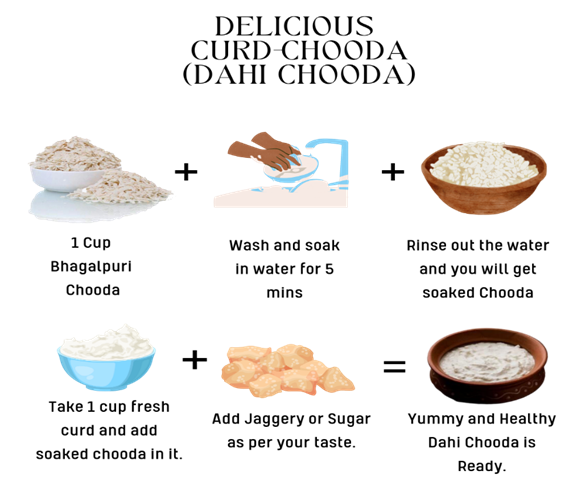
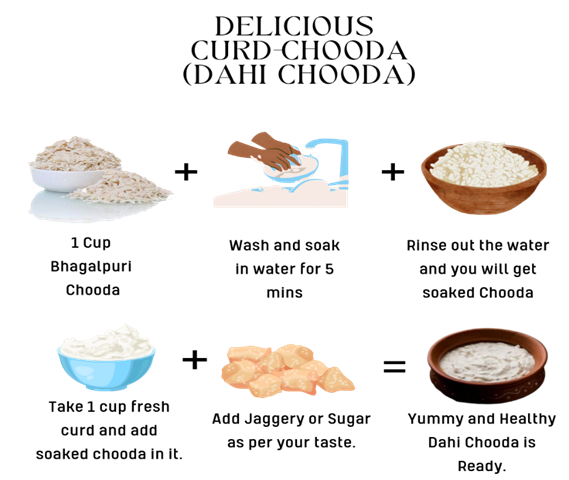
- Eat it raw with milk
- Fry it lightly with vegetables
- Make it into energy bars with honey and nuts
Portion control is crucial when consuming Chura for weight loss. Ensure you are eating the right amount to maintain a calorie deficit. Use smaller bowls to serve and avoid second helpings.
Finally, complement your Chura diet with plenty of water and regular physical activity. Staying hydrated aids digestion and keeps you feeling full. Physical activity helps to burn extra calories, making weight loss more effective.
Comparing Chura to Other Weight Loss Foods
Chura can easily stack up against other common weight loss foods like oats and quinoa. When comparing nutritional value, each of these foods offers unique benefits but shares common traits essential for weight loss. This makes Chura a worthy contender in the health food arena.
Oats are well-known for their high fiber content and heart benefits. They have more protein than Chura, making them excellent for muscle building. However, Chura has fewer calories, which can be advantageous for weight management.
Quinoa, on the other hand, is a complete protein and contains all essential amino acids. It is higher in protein and contains more fiber compared to Chura. Both foods can keep you fuller for longer, but quinoa might come at a higher cost and is not as easily available as Chura.
Another comparison is with brown rice. Brown rice is rich in fiber and has a high nutrient content. Chura, however, is easier to digest and quicker to prepare, making it a more convenient option for busy individuals.
In terms of affordability and accessibility, Chura often stands out. Many weight loss foods like quinoa can be expensive and harder to find in local stores. Chura is widely available and budget-friendly, making it accessible to almost everyone.
Variety in preparation is another factor where Chura shines. It can be incorporated into different recipes, from savory to sweet dishes. This flexibility allows it to fit into various dietary preferences and meal plans.
Pitfalls to Avoid While Using Chura for Weight Loss
While Chura can be beneficial for weight loss, there are some common mistakes to avoid. Overconsumption is one of them. Eating large quantities can lead to calorie surplus, which counteracts weight loss efforts.
Avoid adding too much sugar or fatty ingredients when preparing Chura. These additions can turn a healthy dish into a high-calorie meal. Opt for natural sweeteners and lean proteins instead.
Lack of variety in your diet can also be a pitfall. Relying solely on Chura may lead to nutrient deficiencies. Diversify your meals by incorporating various fruits, vegetables, and other whole grains.
Ignoring portion control is another common mistake. Even though Chura is low in calories, consuming it mindlessly can add up. Use measuring cups or smaller plates to manage portions effectively.
Some people may have sensitivities or allergies to rice products like Chura. Pay attention to how your body reacts after consumption. If any adverse symptoms occur, consider consulting a healthcare provider.
Lack of physical activity while focusing on dietary changes alone might not yield the desired results. Combine your Chura diet with regular exercise routines. This balanced approach helps ensure holistic health benefits.
The Bottom Line: Is Chura Good for Weight Loss?
Chura is a versatile and nutritionally rich food that can aid in weight loss. Its low calorie count and high fiber content make it a great addition to a weight loss diet. Being quick to prepare adds to its convenience.
While Chura offers many benefits, it's important to use it wisely. Overeating or adding unhealthy ingredients can nullify its advantages. Combining Chura with proteins and healthy fats can create a well-balanced meal that's both satisfying and nutritious.
Compared to other weight loss foods like oats and quinoa, Chura holds its own in terms of accessibility and ease of preparation. It may not be as high in protein as quinoa or oats, but its low cost and availability make it an excellent option for many.
Variety is key when incorporating Chura into your diet. Avoid eating it the same way every day to prevent monotony. Experiment with different recipes to keep your meals interesting and balanced.
Overall, Chura can be a valuable component of a weight loss plan when used correctly. Be mindful of portion sizes and pair Chura with other nutritious foods. This balanced approach helps you reap the maximum benefits from this traditional staple.
Frequently Asked Questions
Here are some common questions and answers related to Chura and its role in weight loss. This will help you understand how to make the most of this traditional food.
1. What is Chura?
Chura, also known as flattened rice, is a popular staple in Indian cuisine. It is made by parboiling rice, drying it, and then flattening it into thin flakes. This process makes it quick to cook and easy to digest.
You can eat Chura both raw or cooked, making it versatile for various recipes. Often used in dishes like Poha, it offers a nutritious base for different meals. Because of its high fiber content, it's great for digestive health.
2. How should I include Chura in my diet?
Including Chura in your diet is simple and convenient due to its versatility. You can have it for breakfast by mixing it with yogurt and fruits or cooking it lightly with vegetables for lunch or dinner.
Avoid adding sugars or unhealthy oils to keep your meal healthy. Instead, enhance its nutritional value by adding nuts or seeds for an extra protein boost. This way, you get a balanced meal that aids in weight loss.
3. Is Chura better than white rice for weight loss?
Chura can be better than white rice when considering weight loss goals due to its higher fiber content and lower glycemic index. These qualities help you feel fuller longer and prevent blood sugar spikes.
White rice often lacks the nutrients retained in Chura due to heavy processing. Therefore, replacing white rice with Chura can aid digestion and maintain sustained energy levels throughout the day.
4. Are there any drawbacks of eating Chura?
While Chura has many benefits, overconsumption can lead to calorie surplus and negate weight loss efforts. Portion control is crucial when eating any type of carbohydrate-rich food.
Additionally, watch out for added ingredients like oil or sugar that could diminish its health benefits. For best results, stick to natural spices and lean proteins when preparing your meals involving Chura.
5. Can I eat Chura every day?
You can eat Chura every day if it's part of a balanced diet that includes other essential nutrients like proteins, fats, vitamins, and minerals. Variety helps ensure you don't miss out on necessary nutrients.
Mix up your meals so you're not eating the same dish daily. Add different vegetables, lean proteins like chicken or tofu, and healthy fats such as nuts or seeds to keep your diet diverse while enjoying the benefits of Chura.
Conclusion
Incorporating Chura into a weight loss plan offers numerous benefits thanks to its low calorie and high fiber content. Its versatility in preparation makes it an easily adaptable food in any diet. By maintaining careful portion control and avoiding unhealthy additives, Chura can be a valuable component of a balanced, weight-loss-friendly diet.
However, it is crucial to combine Chura with other nutrient-dense foods and regular physical activity for the best results. This ensures a holistic approach to weight management and overall health. With thoughtful preparation, Chura can effectively support your weight loss goals while adding variety and nutrition to your meals.
