Is Chicken And White Rice Good For Weight Loss?
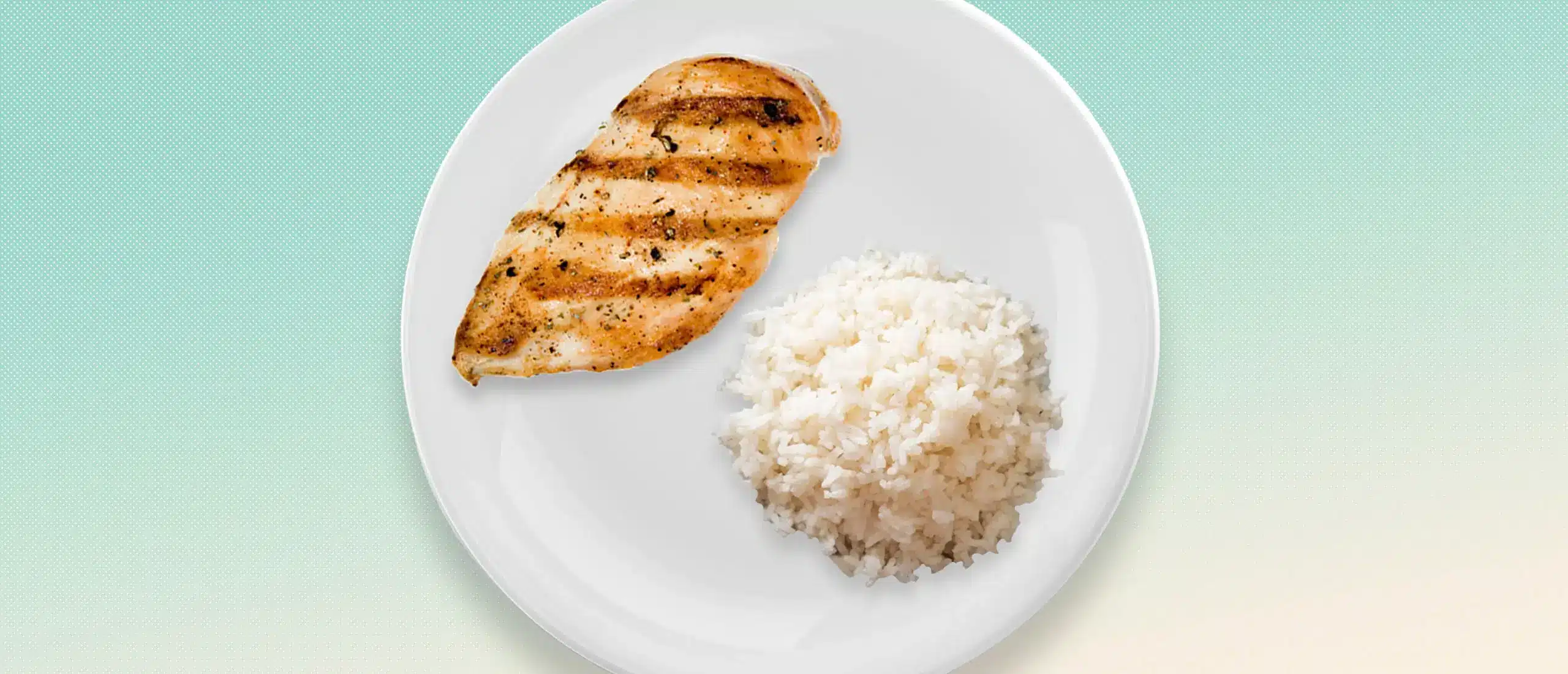
When considering a diet for weight loss, the combination of chicken and white rice often comes under scrutiny. Interestingly, lean protein like chicken is known to boost metabolism and promote satiety, which can help in reducing overall calorie intake. However, what role does white rice play in this equation?
White rice has a storied history as a staple in many cultures, but its impact on weight loss is a bit controversial. While it is less nutritious compared to its brown counterpart, it is still a great source of energy. Pairing it with protein-rich chicken can create a balanced meal that supports muscle maintenance and provides sustained energy, vital elements in a weight loss diet. Moderation and portion control are key.
Nutritional Value of Chicken
Chicken is a popular source of lean protein, making it a favorite among those aiming for a healthy diet. It contains essential amino acids, which are important for muscle repair and growth. This makes it especially beneficial for those engaging in regular physical activity.
Aside from protein, chicken is also rich in vitamins and minerals. It provides B vitamins, which help maintain energy levels. Additionally, it contains important minerals like phosphorus and selenium.
Selenium, found in chicken, acts as an antioxidant. This helps reduce oxidative stress in the body, promoting overall health. Eating chicken regularly can boost your immune system, too.
When choosing chicken, consider the cut. Chicken breast is the leanest option, with lower fat content compared to thighs and wings. Opting for skinless chicken can further reduce calorie intake, making it a healthier choice.
Importance of Protein in Weight Loss
Protein plays a crucial role in weight loss. It helps to maintain muscle mass while shedding fat. This is vital because muscle burns more calories than fat, even at rest.
Protein also increases feelings of fullness, which can reduce overall calorie intake. Eating protein-rich foods can prevent feelings of hunger between meals. This makes it easier to stick to a calorie-controlled diet.
Thermogenesis is another benefit of protein. This process involves burning calories to digest and process protein. The body uses more energy to break down protein than it does for fats or carbohydrates.
Incorporating protein into your diet can also improve metabolic health. It can help regulate blood sugar levels and prevent spikes. Stable blood sugar levels are key to managing cravings and avoiding overeating.
Sources of Protein
There are various sources of protein that can fit into a weight loss diet. Animal sources include chicken, beef, and fish. Plant-based options like beans, lentils, and tofu are also excellent choices.
Dairy products can also provide a good amount of protein. Greek yogurt, cottage cheese, and milk fall into this category. They can be easily added to meals or snacks.
Nuts and seeds are another protein source to consider. Almonds, chia seeds, and sunflower seeds are packed with protein and healthy fats. They can be added to salads, smoothies, or eaten as a snack.
How Much Protein Do You Need?
The amount of protein needed can vary based on individual factors. Generally, aim for 0.8 to 1 gram of protein per pound of body weight. For someone weighing 150 pounds, this would be 120 to 150 grams of protein daily.
A higher protein intake may be beneficial for those who are very active. Athletes and those engaging in regular weight training may need more. Consult with a healthcare provider for personalized advice.
It's important to distribute protein intake throughout the day. This means having protein in every meal and snack. Doing so can keep you full and maintain muscle mass more effectively.
Combining Protein with Other Nutrients
Protein works best when combined with other nutrients. Pairing protein with healthy fats and carbohydrates creates a balanced meal. For example, a meal could include chicken (protein), avocado (fat), and quinoa (carbohydrate).
This combination provides sustained energy and fullness. It can also ensure you get a variety of nutrients. These nutrients are essential for overall health and sustaining a weight loss plan.
Balancing protein with other foods can make dieting more enjoyable. You don't have to restrict yourself to plain chicken breasts. Get creative with your meals to include a range of flavors and textures.
Nutritional Value of White Rice
White rice is a staple food for many cultures around the world. It provides a quick source of energy due to its carbohydrate content. These carbohydrates break down into glucose, which fuels cells and muscles.
Though less nutritious than brown rice, white rice still offers important nutrients. It contains small amounts of essential vitamins and minerals. Iron and B vitamins like thiamine and niacin are present in white rice.
Fortified white rice can offer additional benefits. Some brands add nutrients like folic acid during processing. This fortification can help prevent nutrient deficiencies in populations that rely heavily on white rice.
- Calories: About 200 per cup cooked
- Carbohydrates: 45 grams
- Protein: 4 grams
- Fat: 0.5 grams
Role of White Rice in a Balanced Diet
White rice can be a valuable part of a balanced diet when eaten in moderation. It provides a quick source of energy, particularly beneficial for physically active individuals. Pairing it with protein and vegetables can create a more balanced meal.
One of the main advantages of white rice is its versatility. It can be used in various dishes, from stir-fries to casseroles. This makes it easy to incorporate into different meal plans.
Portion control is crucial when consuming white rice. A typical serving size is about half a cup of cooked rice. This helps manage caloric intake while still benefiting from its nutrients.
White rice can also be part of specialized diets. For example, athletes often consume it to replenish glycogen stores after intense workouts. Its digestibility makes it a preferred choice for quick recovery.
People with certain dietary restrictions may find white rice beneficial. It's naturally gluten-free, making it suitable for those with gluten intolerance or celiac disease. This makes it a safe and accessible carbohydrate option.
Incorporating white rice with other nutritious foods can enhance its health benefits.
- Combine it with beans or lentils for added fiber and protein.
- Add colorful vegetables to increase vitamin and mineral intake.
- Use herbs and spices for flavor without extra calories.
Benefits of Combining Chicken and White Rice in a Diet
Combining chicken and white rice creates a balanced meal that offers several health benefits. Chicken is high in protein, which helps in muscle repair and maintenance. White rice provides the necessary carbohydrates for energy.
This combination can aid in post-workout recovery. After intense exercise, your muscles need protein, while the carbs in white rice help replenish energy stores. This makes it an ideal meal for athletes and those with active lifestyles.
Pairing chicken with white rice also ensures a good macronutrient balance. While chicken offers protein, white rice delivers quick-digesting carbs. This balance helps sustain energy levels and keeps you feeling full longer.
Ease of preparation is another benefit. Both chicken and white rice are quick to cook and versatile. They can be prepared in various ways, making it simple to create different meals without getting bored.
Eating chicken and white rice together can help in portion control too. By knowing the right amounts of each, you can easily manage calorie intake. This is crucial for weight management and overall health.
Enhanced nutrient absorption can also occur when these foods are combined. Chicken offers essential amino acids, while white rice can carry certain vitamins and minerals. Together, they provide a more complete nutrient profile.
Portion Control and Meal Timing
Portion control is key to maintaining a healthy diet. Eating too much of any food can lead to weight gain, even if it's healthy. Measuring portions can help keep your calorie intake in check.
Using smaller plates is one effective way to control portions. It tricks the mind into feeling satisfied with less food. Visual cues play a significant role in how much we eat.
Meal timing is also crucial for weight management. Eating smaller meals more frequently can help stabilize blood sugar levels. This approach prevents extreme hunger and reduces the likelihood of overeating.
- Eat breakfast within an hour of waking up.
- Have a balanced meal every 3-4 hours.
- Avoid heavy meals late at night.
For athletes, timing protein intake around workouts can maximize muscle recovery. Consuming protein and carbs within 30 minutes post-exercise is optimal. This helps repair muscle tissue and replenish glycogen stores.
Hydration plays a vital role alongside portion control and meal timing. Drinking water before meals can help you feel full faster. This can lead to eating smaller portions naturally.
Macro-Nutrient Distribution in a Weight Loss Diet
Balancing macronutrients is essential for effective weight loss. The three main macronutrients are proteins, carbohydrates, and fats. Each plays a unique role in your diet.
Proteins help build and repair muscles. They're vital for maintaining muscle mass while losing fat. Aiming for about 30% of your daily calories from protein is a good rule of thumb.
Carbohydrates provide the energy needed for daily activities. Opt for complex carbs like whole grains, fruits, and vegetables. Aim for around 40-50% of your daily intake to be from carbs.
| Macronutrient | % of Daily Intake |
|---|---|
| Protein | 30% |
| Carbohydrates | 40-50% |
| Fats | 20-30% |
Healthy fats are also essential. They support brain function and hormone production. Include sources like avocados, nuts, and olive oil in your diet.
The timing of these macronutrients can also impact weight loss. Eating balanced meals throughout the day helps maintain energy levels. This can prevent overeating later on.
- Aim for three balanced meals each day.
- Add snacks containing protein or healthy fats if needed.
- Avoid skipping meals to prevent cravings and overeating.
Alternative Grains to White Rice
If you're looking to diversify your diet, there are many grains that can replace white rice. Quinoa is a popular choice. It's high in protein and contains all nine essential amino acids.
Another great option is brown rice. Unlike white rice, brown rice retains its bran and germ layers, providing more fiber and nutrients. This makes it a healthier choice for weight loss.
- Quinoa: High in protein and gluten-free.
- Brown Rice: Rich in fiber and vitamins.
- Bulgur: Quick to cook and low in calories.
- Barley: High in fiber and helps regulate blood sugar.
Bulgur wheat is another excellent substitute. It cooks quickly and is low in calories but high in fiber. This makes it ideal for those on a weight loss journey.
Barley is a versatile grain that can also replace white rice. It's high in fiber, which helps regulate blood sugar levels. This can be particularly beneficial for those with insulin resistance.
Experimenting with different grains can make your meals more interesting. It ensures a well-rounded nutrient intake. Diversifying your grain choices can also improve your overall health.
Frequently Asked Questions
Below are some frequently asked questions about the role of chicken and white rice in weight loss. These answers aim to provide clear and concise information on this topic.
1. How many calories are in a serving of chicken?
The calorie count in chicken depends on the part you eat. A 100-gram serving of grilled, skinless chicken breast has approximately 165 calories. This makes it a low-calorie yet high-protein option, essential for weight loss.
Different parts of the chicken have varying calorie counts. For example, thighs and wings contain more fat and calories compared to the breast. Opting for skinless cuts can help reduce your overall calorie intake.
2. Can eating too much white rice hinder weight loss?
Yes, consuming large amounts of white rice can hinder weight loss due to its high carbohydrate content. Carbs are turned into glucose, providing quick energy but also potentially leading to fat storage if not used.
If portions aren't controlled, the excess calories from rice can offset your caloric deficit needed for weight loss. However, incorporating portion control and pairing rice with protein and vegetables can mitigate this issue.
3. What is a good alternative to white rice for weight loss?
Quinoa is an excellent alternative to white rice for those aiming for weight loss. It's higher in protein and fiber, both of which help with satiety and muscle maintenance while cutting calories.
Other viable alternatives include cauliflower rice or brown rice. These options offer lower calorie counts and more nutrients compared to white rice, aiding better overall health along with weight management.
4. How does combining chicken with white rice affect metabolism?
Combining chicken with white rice creates a balanced meal that supports metabolism effectively. The protein in chicken helps build muscle mass which boosts your metabolic rate, even at rest.
The carbohydrates from white rice provide quick energy that supports physical activity. Consuming these foods together ensures that you get a mix of nutrients essential for maintaining an active lifestyle.
5.Can I include vegetables with my chicken and white rice meal?
Yes, adding vegetables to your dish enhances its nutritional value significantly. Vegetables provide essential vitamins, minerals, and fiber that support digestive health and add variety to your meal.
This combination not only improves taste but also helps manage portion sizes more effectively by making you feel fuller longer.Vegetables like broccoli carrots or spinach pair well.
Conclusion
Incorporating chicken and white rice into a weight loss plan can be effective when managed correctly. Lean chicken provides essential protein, aiding muscle maintenance and boosting metabolism. Pairing it with white rice offers quick energy, making it a balanced meal option.
However, moderation and portion control are key to maximizing benefits. Including vegetables and alternative grains can further enhance the nutritional value of your diet. This balanced approach can help achieve and maintain weight loss goals smoothly.
