Is Chicken And Rice Healthy For Weight Loss?
Contemplating your meal choices can be daunting, especially when aiming for weight loss. The combination of chicken and rice is often regarded as a staple for health enthusiasts. But is this duo truly effective for shedding those extra pounds?
The history of chicken and rice as a dietary staple spans cultures and centuries, celebrated for its simplicity and nutritional value. One compelling statistic: a balanced portion of chicken and brown rice can provide approximately 350 calories and 30 grams of protein, promoting satiety and muscle repair. When paired with leafy greens or other vegetables, this meal can become even more conducive to weight loss.
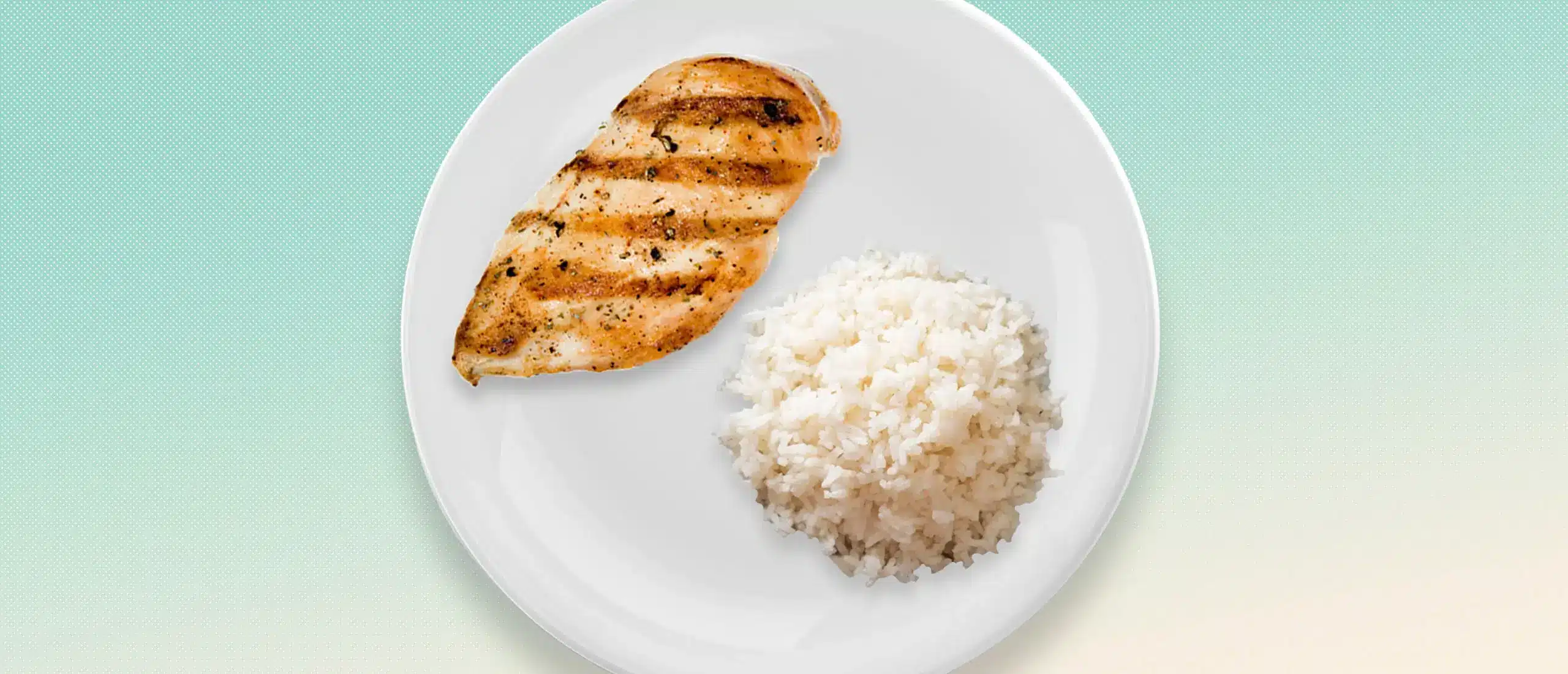
The Nutritional Value of Chicken and Rice
Chicken and rice is a simple yet nutritious meal. Chicken is a great source of lean protein, which is essential for muscle repair and growth. It is also low in fat, making it a healthy choice for weight loss.
Rice, particularly brown rice, is rich in fiber. This helps maintain digestive health and provides a steady release of energy. Fiber also helps you feel full longer, which can prevent overeating.
The combination of chicken and rice offers a balanced meal. It provides carbohydrates for energy and protein for muscle maintenance. This balance is especially important for those trying to lose weight while staying energized.
Additionally, chicken contains essential vitamins and minerals. These include vitamin B6, niacin, and selenium. These nutrients support various bodily functions like metabolism and immune health.
The Role of Portion Control
Portion control plays a crucial role in weight loss. Eating the right amount of food helps manage calorie intake. Even healthy foods like chicken and rice can lead to weight gain if consumed in excess.
Using smaller plates can help you eat less. Studies show that people often eat everything on their plate, regardless of size. Switching to smaller plates can naturally reduce portion sizes.
It’s also helpful to measure portions. Using tools like measuring cups or a food scale can ensure you're eating the right amount. This practice helps you stay within your daily calorie limits.
Mindful eating can assist with portion control. Paying attention to hunger cues and eating slowly can prevent overeating. Enjoy every bite and stop eating when you feel full.
Benefits of Portion Control
Portion control can help maintain a healthy weight. By eating the right amount, you avoid consuming excess calories. This can lead to steady, sustainable weight loss.
It also allows you to enjoy a variety of foods. You don’t have to cut out your favorite treats. Just eat them in smaller amounts, which can help satisfy cravings without derailing your diet.
Additionally, portion control can improve digestion. Eating moderate amounts makes it easier for your body to process food. This can reduce bloating and other digestive discomforts.
Practical Tips for Portion Control
Using smaller bowls and plates can make a difference. It creates the illusion of a fuller plate, helping you feel satisfied with less food. Try this simple trick to manage your portions effortlessly.
Pre-portioning snacks can also help. Divide snacks into small bags or containers for on-the-go. This prevents mindless eating directly from a large bag.
Meal prepping is another effective strategy. Plan and pack your meals ahead of time in measured portions. This ensures you’re eating the right amount without the temptation to overeat.
Common Pitfalls to Avoid
One common mistake is underestimating liquid calories. Drinks like soda or fancy coffee can add up quickly. Choose water or unsweetened beverages to keep calorie intake low.
Another pitfall is eating too quickly. Eating fast can lead to overconsumption before your body signals it’s full. Taking time to savor your meals can help mitigate this issue.
Finally, be mindful of social settings. Parties and gatherings can tempt you to eat more. Plan ahead and stick to your portion control strategies even in social situations.
Chicken and Rice in Various Diets
Chicken and rice fit into many diet plans. For example, they are often included in bodybuilders' meal plans because of the high protein content. The protein helps build and repair muscles, essential for weight lifting.
In the keto diet, rice is usually off-limits due to its high carbohydrate content. However, chicken is still highly favored. Some keto followers might substitute rice with cauliflower rice to mimic the texture without the carbs.
Vegetarians and vegans may steer clear of chicken. But they can still enjoy the benefits of rice. Brown rice is often paired with beans or lentils for a protein-rich meal.
Those following a balanced diet can definitely benefit from this combination.
- Chicken provides lean protein.
- Rice offers necessary carbohydrates.
- Together, they create a balanced and satisfying meal.
Optimizing the Chicken and Rice Meal for Weight Loss
One way to optimize chicken and rice for weight loss is by using brown rice instead of white rice. Brown rice is higher in fiber, which keeps you feeling full longer. This can help curb unnecessary snacking.
Adding vegetables to the meal can increase its nutritional value. Vegetables like broccoli, spinach, or bell peppers are low in calories but high in vitamins. This can make the meal more satisfying and nutrient-dense.
Choosing lean cuts of chicken also makes a big difference. Skinless chicken breast is lower in fat compared to other parts like thighs or wings. This helps reduce the overall calorie content of the meal.
Cooking methods matter too. Grilling or baking the chicken is healthier than frying it. These methods require little to no added fat, keeping the meal light and healthy.
Herbs and spices can add flavor without adding calories. Seasoning your chicken and rice with herbs like parsley, cilantro, and spices like turmeric can make the meal tastier. This way, you avoid high-calorie sauces and dressings.
Managing portion sizes is key for optimizing the meal. Instead of heaping servings, measure out reasonable portions. This helps keep the calorie count in check and supports weight management goals.
Research Findings on Consuming Chicken and Rice for Weight Loss
Recent studies have shown that a diet including chicken and rice can aid in weight loss. The high protein content in chicken helps build muscle. More muscle means a higher metabolic rate, which can accelerate weight loss.
Research indicates that brown rice can contribute to feeling fuller for longer. This is due to its high fiber content. Fiber slows digestion, helping to control hunger and reduce overall calorie intake.
Another study highlighted that balanced meals with protein and complex carbs could regulate blood sugar levels. This reduces cravings and energy crashes. Stable blood sugar levels are essential for effective weight management.
A publication in a nutritional journal emphasized the importance of whole foods. Chicken and rice, being minimally processed, fit well into this category. Whole foods generally contain fewer calories and more nutrients compared to processed options.
Furthermore, surveys show that meal prepping with chicken and rice leads to better dietary adherence. People are less likely to deviate from their diet plans when meals are pre-planned. This consistency is crucial for long-term weight loss success.
The Role of Physical Activity
Physical activity is vital for effective weight loss. It helps burn calories and improves overall health. Even moderate exercise can make a significant difference.
Regular physical activity can boost your metabolism. Activities like running, swimming, or cycling are excellent choices. They increase your heart rate and help you burn more calories.
Strength training is also crucial for weight management. Building muscle mass can enhance your metabolism. Muscles burn more calories than fat, even at rest.
Combining different types of exercises can offer the best results. Cardio workouts, strength training, and flexibility exercises each play a role.
- Cardio burns calories quickly.
- Strength training builds muscle.
- Flexibility exercises improve overall fitness.
Physical activity also offers mental health benefits. Exercise can reduce stress and improve mood. A happier mindset can make it easier to stick to a weight loss plan.
Experts recommend at least 150 minutes of moderate aerobic activity per week. You can spread this out across several days. Consistency is the key to reaping the benefits of physical activity.
Healthy Variations of Chicken and Rice Recipes
There are many ways to make chicken and rice healthier. One option is to use quinoa instead of rice. Quinoa is higher in protein and fiber.
You can also prepare a veggie-packed chicken stir-fry. Add colorful vegetables like bell peppers, broccoli, and carrots. This boosts the nutritional value and adds flavor.
Opting for grilled chicken instead of fried can reduce fat content. Grilled chicken keeps the meal light without sacrificing taste. Pair it with brown rice for a wholesome combo.
Season your dish with herbs and spices instead of heavy sauces. Herbs like rosemary, thyme, and basil add zest without extra calories. Avoid high-calorie dressings to keep the dish light.
- Add black beans or lentils for extra protein.
- Include leafy greens like kale or spinach.
- Use a splash of lemon juice for freshness.
Tacos made with shredded chicken and cauliflower rice offer a unique twist. Cauliflower rice has fewer carbs than traditional rice but still provides texture. This variation keeps the meal low in calories while maintaining flavor.
Risks and Considerations to Keep in Mind
Although chicken and rice can be healthy, there are some risks. Consuming too much rice can lead to an excess intake of carbohydrates. This can impede weight loss efforts.
It's also important to diversify your diet. Relying solely on chicken and rice may lead to nutrient deficiencies. Including a variety of foods ensures you get all necessary vitamins and minerals.
Processed chicken products can be high in sodium and unhealthy fats. Always opt for fresh, skinless chicken breast. Reading labels can help you make healthier choices.
Overeating even healthy meals can hamper weight loss. Portion control remains crucial. Stick to recommended serving sizes to maintain a balanced diet.
- Watch out for sauces and dressings that add extra calories.
- Include vegetables to enhance the meal's nutritional value.
- Avoid frying chicken to keep it low in fat.
Lastly, remember to pair your diet with physical activity. Exercise complements dietary efforts. A well-rounded approach is key to effective weight loss.
Frequently Asked Questions
Understanding the role of chicken and rice in weight loss can be challenging. Here are some common questions and answers that might help clear up any confusion.
1. Can I eat chicken and rice daily?
Eating chicken and rice every day is generally safe if you ensure nutritional balance. It's important to vary your diet with other proteins, grains, and vegetables. Variety helps you get all essential nutrients your body needs to function optimally. Including different foods prevents boredom and ensures a balanced diet.
2. What type of rice is best for weight loss?
Brown rice is often recommended for weight loss because it has more fiber compared to white rice. Fiber helps with digestion and makes you feel full longer. Besides brown rice, other whole grains like quinoa or barley can also be good alternatives. These options provide more nutrients and keep blood sugar levels stable.
3. How should I cook chicken for a healthy diet?
The healthiest ways to cook chicken are grilling, baking, or steaming as these methods use less fat. Avoid frying as it adds unnecessary calories and unhealthy fats. Using herbs and spices instead of high-calorie marinades can also make the dish healthier. Garlic, rosemary, and thyme are tasty yet low-calorie options.
4. Are there any benefits to adding vegetables?
Adding vegetables to your chicken and rice meal boosts its nutritional value significantly. Vegetables provide vitamins, minerals, and fiber that aid overall health. Colorful veggies like bell peppers, spinach, or carrots add both nutrients and flavor to the dish. They make the meal more filling without adding many calories.
5. How much should I eat per serving?
A balanced serving size includes 4-6 ounces of chicken with about a cup of cooked rice. Adding half a plate of vegetables helps complete the meal. Monitoring portion sizes is crucial for maintaining calorie control without overeating. This practice can greatly support your weight-loss goals over time.
Conclusion
Chicken and rice can be a healthy option for weight loss if prepared and consumed correctly. Prioritizing portion control and using whole grains like brown rice enhance its effectiveness. Adding vegetables can further boost the nutritional content and keep you satisfied.
Balanced meals and regular physical activity are key components for successful weight management. By making mindful choices, you can enjoy chicken and rice while steadily working toward your weight loss goals. Keep exploring healthier options to maintain variety and interest in your diet.
