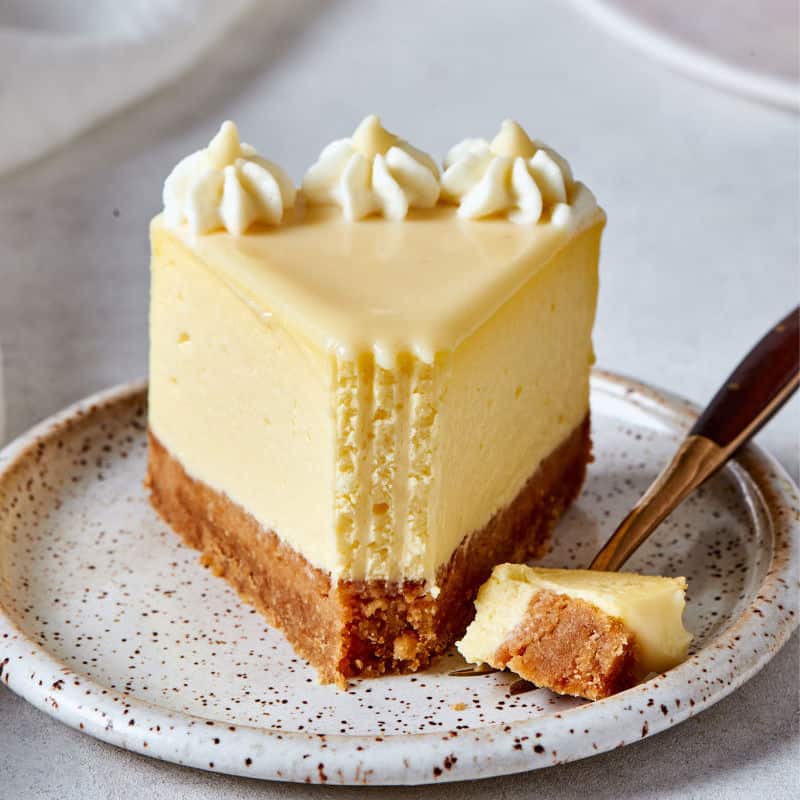
Is Cheesecake Good For Weight Loss?
Would you believe that one slice of cheesecake can contain as many as 500 calories? It’s not just the calorie count; the high sugar and fat content make it a challenging choice for someone aiming to lose weight. However, not all cheesecakes are created equal, and there are variations that might fit better into a weight loss plan.
Historically, cheesecake hasn't been seen as diet-friendly, yet new recipes focus on reducing sugar and using lower-fat cream cheese options. A study noted that people consuming low-sugar desserts felt just as satisfied but consumed fewer calories overall. These innovative versions provide an avenue for satisfying cravings without completely derailing weight loss goals.
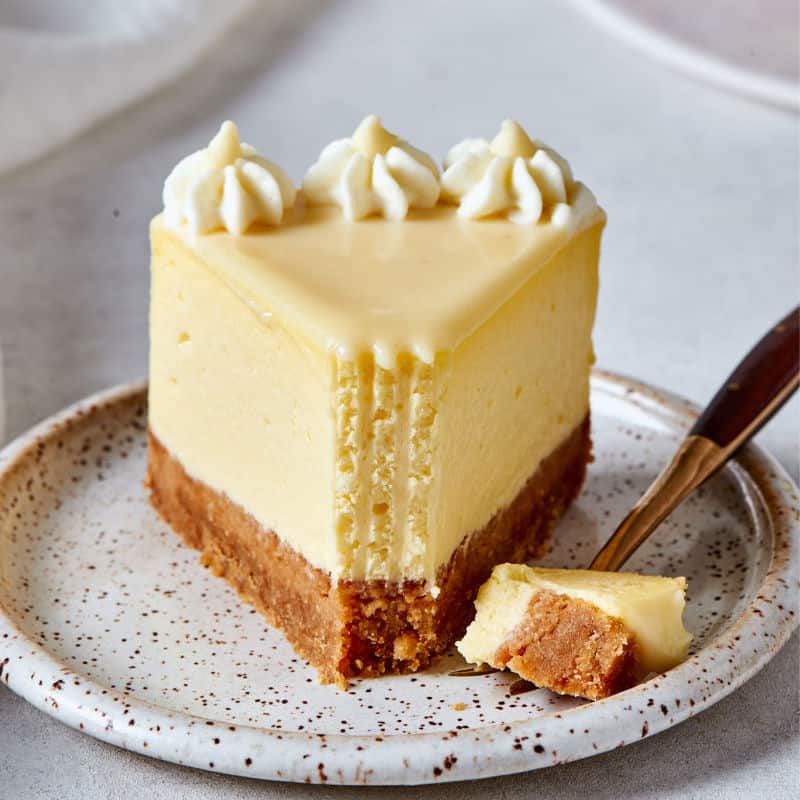
The Nutrition Profile of a Regular Cheesecake
Calories and Fat Content
A single slice of regular cheesecake typically contains between 300 and 500 calories. That's almost a quarter of the recommended daily intake for many people. The high-calorie count is primarily due to the high fat content from cream cheese and butter.
The fat content varies but is generally between 20-30 grams per slice. Most of this fat is saturated, which can contribute to higher cholesterol levels. Paying attention to fat intake is important for weight management.
In addition to the fat, other ingredients like heavy cream also add to the calorie count. Even small servings have a significant impact on daily caloric intake. Moderation is key if you're trying to watch your weight.
Sugar Levels
Regular cheesecake is also loaded with sugar, often containing around 20-30 grams per slice. This can quickly add up, especially if you're trying to reduce sugar for weight loss. The sugar content can spike your blood sugar levels, leading to energy crashes.
Sugar not only adds calories but also has little nutritional value. Consuming a lot of sugar can lead to weight gain and other health issues. It's important to be mindful of this when enjoying cheesecake.
Several recipes use sugar substitutes, but they may alter the taste and texture. Even with substitutes, it's hard to make a cheesecake that's genuinely low in sugar. Consider these factors carefully while choosing or making a cheesecake.
Carbohydrate Content
Cheesecake also contains carbohydrates, mainly from the crust made of graham crackers or cookies. On average, a slice has around 30-40 grams of carbs, contributing significantly to your daily intake. This can be a concern if you're following a low-carb diet.
The carbs in cheesecake are mostly simple sugars, which are quickly absorbed and stored as fat if not used for energy. This can be an issue for those aiming for weight loss. Balancing your carb intake throughout the day becomes crucial.
There are low-carb versions of cheesecake, usually opting for almond flour crusts. These might be a better choice if you're managing your carb intake. Always check the nutritional information when opting for alternatives.
Protein Content
Interestingly, cheesecake does contain some protein, primarily from the cream cheese and eggs used in the recipe. A slice usually has about 6-8 grams of protein. Though it's not a complete source, this protein content contributes to your daily needs.
Protein helps in muscle repair and growth, making it a vital part of a balanced diet. However, the protein in cheesecake comes with a lot of added fats and sugars. Weighing the benefits against extra calories is essential.
For a higher protein option, consider cheesecakes made with Greek yogurt or cottage cheese. These versions offer more protein while reducing overall fat content. They can be a healthier alternative for those trying to manage weight.
Why Cheesecake Could Collide with Weight Loss Goals
Cheesecake's high calorie count, fat content, and sugar level make it a less-than-ideal choice for weight loss. A single slice can pack in more calories than you might expect. This makes portion control incredibly challenging.
High Calorie Count
One of the main reasons cheesecake can sabotage weight loss efforts is its high calorie count. A typical slice can contain up to 500 calories, which is a large portion of the daily recommended intake. Eating such high-calorie foods can easily lead to weight gain.
Reducing caloric intake is crucial for weight loss, and cheesecake doesn't help in achieving that goal. Foods low in calories are preferable when you're trying to shed pounds. Cheating with cheesecake can set you back considerably.
Options like low-fat versions or smaller portions might help, but they still contain significant calories. Even with modifications, it's hard to classify cheesecake as weight-loss-friendly. Moderation is key, but often difficult to maintain.
High Fat Content
The cream cheese and butter in cheesecake contribute to its high fat content. A slice may contain 20-30 grams of fat, mostly saturated fat. This type of fat can increase cholesterol levels.
Fat contributes to the total calorie count and can make you feel full faster. However, the high fat content in cheesecake can lead to overconsumption. Weight loss efforts require reducing overall fat intake, making cheesecake a problematic choice.
Substituting ingredients like Greek yogurt or low-fat cream cheese can reduce fat content. These changes can make the dessert healthier without completely changing its taste. Yet, these options are still calorically dense.
High Sugar Levels
Besides being high in fat and calories, cheesecake is also loaded with sugar. Sugar levels can reach up to 30 grams per slice. This adds unnecessary calories and can spike your blood sugar.
High sugar intake can lead to energy crashes and an increased craving for more sweets. This creates a cycle that's hard to break, making weight loss even more challenging. Reducing sugar is a key strategy for anyone trying to lose weight.
While some might opt for sugar substitutes, they can alter the taste and texture of the cheesecake. These alternatives may not significantly lower the calorie count either. Choosing fruit-topped or other low-sugar varieties can help some, but not entirely solve the problem.
Cheesecake Ingredients that Challenge Weight Loss
Many of the ingredients in cheesecake can make weight loss difficult. Cream cheese, for instance, is high in both fat and calories. A small amount can significantly increase your calorie intake.
Butter is another common ingredient, particularly in the crust. Butter is rich in saturated fats, which can contribute to weight gain and elevated cholesterol levels. Consuming foods high in saturated fats can also make it harder to lose weight.
Sugar is a major player when it comes to making cheesecake a less-than-ideal choice for dieters. A typical slice contains a hefty amount of sugar, contributing to both high calorie and carb counts. High sugar content can also lead to energy crashes and cravings.
Lastly, heavy cream is often used in cheesecake recipes. Heavy cream adds more fat and calories, making the dessert even more challenging for weight loss goals. Even small amounts can have a substantial impact on your daily nutrition plan.
Indulging Cheesecake Cravings the Healthy Way
You don't have to completely give up cheesecake if you're aiming to lose weight. There are healthier ways to indulge in this delicious dessert. By making smarter choices, you can enjoy the flavors without the guilt.
One way is to focus on portion control. Instead of having a large slice, opt for a smaller piece. Sometimes, just a few bites can satisfy your craving without overloading on calories and fats.
Considering alternative recipes can also make a big difference. Try using low-fat cream cheese or Greek yogurt instead of the full-fat variety. Swap out sugar for natural sweeteners like stevia or monk fruit.
Another idea is to incorporate fruits into your cheesecake. Fresh berries or a fruit puree topping can add natural sweetness and nutrients. This helps in reducing the overall sugar content while enhancing the flavor.
If homemade cheesecake isn't an option, look for pre-made, healthier alternatives in the store. Some brands offer low-fat or reduced-sugar versions. Always check the nutritional labels to ensure they're a better choice for your diet.
Lastly, consider making a crustless cheesecake. By eliminating the crust, you remove a significant amount of calories and carbs. This simple change can make a big impact on the healthiness of your treat.
Alternative Recipes: Cheesecake for Weight Loss
If you're trying to lose weight, you don't have to give up cheesecake entirely. There are several alternative recipes that can fit into a healthier lifestyle. Let's explore some options that can help satisfy your cravings.
A popular choice is a Greek yogurt cheesecake. Greek yogurt is high in protein and lower in fat. It provides a creamy texture without the extra calories.
Another option is using cottage cheese. Cottage cheese cheesecakes offer a lighter, fluffier texture. Plus, it has a lower fat content than traditional cream cheese.
Consider using almond flour for the crust. Almond flour is lower in carbs compared to graham crackers. This makes it a great choice for those on a low-carb diet.
Natural sweeteners like stevia or monk fruit can replace sugar in your recipes. They add sweetness without the added calories. This simple switch can make a big difference.
Lastly, try a no-bake version. No-bake cheesecakes often use fewer ingredients and can be made without heavy cream. They are usually quicker to prepare and can be just as delicious.
Using Low-Fat and Sugar Substitutes in Cheesecakes
Opting for low-fat and sugar substitutes in cheesecake can make it a healthier option. These alternatives help reduce the overall calorie and fat content. Let's look at some ways to achieve this.
Instead of full-fat cream cheese, use low-fat or even fat-free versions. These can significantly cut down the fat without sacrificing too much flavor. Low-fat cream cheese still provides a creamy texture that we all love in cheesecake.
You can also use Greek yogurt as a substitute. Greek yogurt is high in protein and low in fat. It provides a tangy flavor and creamy consistency, perfect for cheesecake.
Swapping out sugar with natural sweeteners can also help. Consider using stevia, monk fruit, or even honey. These options cut down on sugar significantly while keeping the dessert sweet.
For the crust, opt for almond flour instead of traditional graham crackers. Almond flour is lower in carbs and provides a nutty flavor. This makes it a healthier option without compromising taste.
Another great substitute is using pureed fruit to add natural sweetness. Mashed bananas, applesauce, or even berries can be mixed into the batter. These fruits not only sweeten but also provide additional nutrients.
The Impact of Portion Size on Weight Management
Managing portion sizes plays a crucial role in weight management. Even healthy foods can contribute to weight gain if consumed in large amounts. Cheesecake, with its high calorie and fat content, is no different.
A large slice of cheesecake can easily exceed your daily caloric needs. Reducing the portion size is an effective strategy. Opt for smaller slices to enjoy the flavor without overindulging.
Research shows that people tend to eat what is served to them, regardless of hunger levels. Using smaller plates or bowls can trick your brain into feeling satisfied with less food. This technique can be especially effective when indulging in high-calorie desserts like cheesecake.
You can also control portions by pre-cutting the dessert into smaller pieces. Store these pieces separately to resist the temptation of grabbing more. This simple method helps you stay within your caloric limits.
Another tip is to savor each bite slowly. Eating mindfully allows you to enjoy the taste and feel full sooner. This reduces the chance of overeating, making it easier to manage your weight.
If you're dining out, consider sharing a slice with a friend. This way, you still get to enjoy the treat without consuming too many calories. Portion control becomes a shared responsibility, making it easier for both parties.
Other Desserts Better Suited for Weight Loss
While cheesecake might be a challenging choice for weight loss, there are plenty of other desserts that are better suited for your diet. Fruit-based desserts are an excellent option. They are naturally sweet and full of nutrients.
For instance, fresh fruit salads can satisfy your sweet tooth without adding many calories. Top it with a dollop of Greek yogurt for extra protein and creaminess. This combination provides a balanced treat.
Another great choice is sorbet. Sorbet is often made with pureed fruit and has significantly fewer calories than traditional ice cream. It's a refreshing, guilt-free indulgence.
Chia pudding is also a popular low-calorie dessert. Made from chia seeds, almond milk, and a natural sweetener, it's both filling and nutritious. Chia seeds are rich in fiber, which helps with weight management.
- Fruit salad with Greek yogurt
- Sorbet
- Chia pudding
- Dark chocolate squares
- Frozen yogurt
Lastly, consider enjoying a small piece of dark chocolate. Dark chocolate with a high cocoa content is lower in sugar and offers health benefits. It's a satisfying option that won't derail your weight loss efforts.
Frequently Asked Questions
Cheesecake is a popular dessert, but it often raises questions related to health and dietary concerns. Below are some frequently asked questions that shed light on these related issues.
1. What are healthier alternatives to traditional cheesecake?
Healthier alternatives to traditional cheesecake include options like Greek yogurt cheesecake or cottage cheese cheesecake. These substitutes reduce fat and calorie content while still offering a delicious taste.
You can also opt for crustless versions or use almond flour for the base. Such alternatives make the dessert lower in carbs and calories, making them more suitable for those watching their weight.
2. Can I include fruit in my cheesecake recipe?
Yes, incorporating fruits into your cheesecake can make it healthier and tastier. Fruits like berries add natural sweetness and additional nutrients, reducing the need for added sugar.
Topping your cheesecake with fresh fruit also enhances its visual appeal while adding fiber and vitamins. This simple addition makes it a more balanced dessert option.
3. How does portion size affect calorie intake from cheesecake?
The portion size of cheesecake significantly impacts your calorie intake. A large slice can quickly add up to a substantial part of your daily caloric limit, making weight management difficult.
Opting for smaller portions allows you to enjoy the treat without consuming too many calories. Sharing or splitting servings can also help in maintaining better portion control.
4. Are there low-sugar options available for cheesecakes?
Yes, there are low-sugar options available for cheesecakes that use natural sweeteners like stevia or monk fruit instead of regular sugar. These sweeteners provide the same level of sweetness without the added calories and sugar spikes.
Selecting low-sugar recipes or pre-made versions from stores can be beneficial for those watching their sugar intake. Always check nutritional labels to ensure they meet your dietary needs.
5. What are common ingredients in cheesecakes that could hinder weight loss?
The most common ingredients in cheesecakes that could hinder weight loss include cream cheese, butter, heavy cream, and sugar. These ingredients contribute to high calorie and fat content.
Saturated fats from butter and cream cheese increase calorie count rapidly. Opting for low-fat versions or alternative ingredients like Greek yogurt can make a difference in achieving weight loss goals.
Conclusion
While traditional cheesecake may not be the best option for weight loss, there are plenty of ways to enjoy this beloved dessert more healthily. By opting for low-fat ingredients, natural sweeteners, and mindful portion control, you can indulge without compromising your weight loss goals. Making these small changes can have a big impact on your overall diet.
Exploring alternative recipes and incorporating fruits can add variety and nutritional benefits. Everyone deserves to enjoy delicious treats, and with thoughtful adjustments, cheesecake can still be part of a balanced diet. Embrace these healthier options and enjoy your journey to better health.
