Is Bologna Good For Weight Loss?
Is it possible that a slice of bologna could affect your weight loss journey? For many, processed meats have a bad reputation, but let’s delve deeper. It may surprise you that bologna, often viewed as an unhealthy choice, contains both positives and negatives when it comes to weight loss.
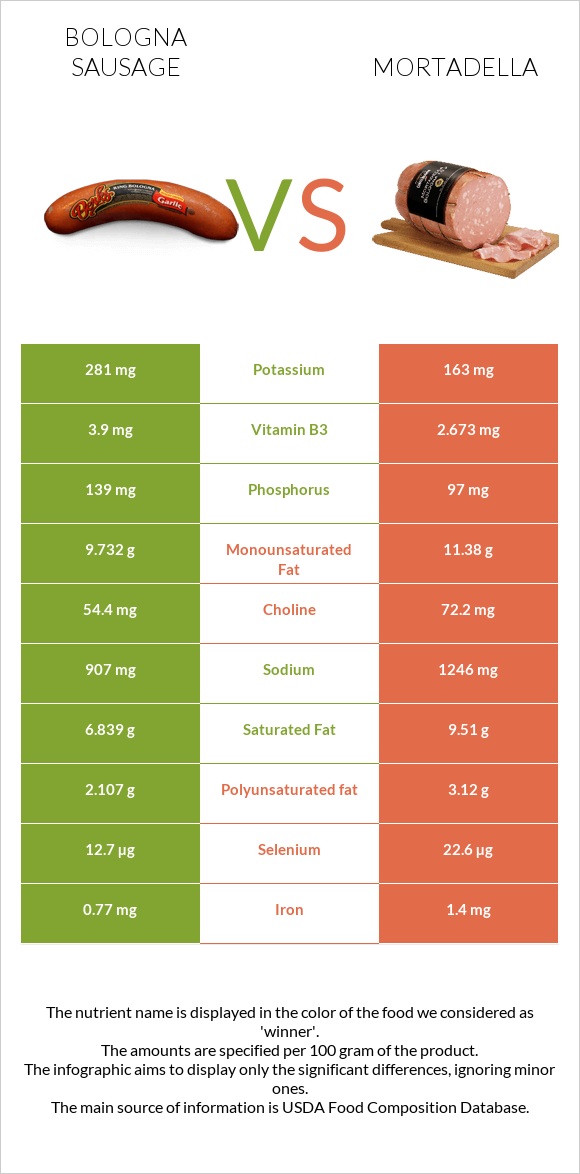
Bologna's history as a deli staple dates back decades, yet its nutritional profile is less celebrated. With high sodium and fat content, it's not typically included in weight-loss meal plans. However, portion control and balanced intake can make it a manageable option, offering some protein without overloading calories. Moderation and mindful eating are key.
Unveiling the Nutritional Profile of Bologna
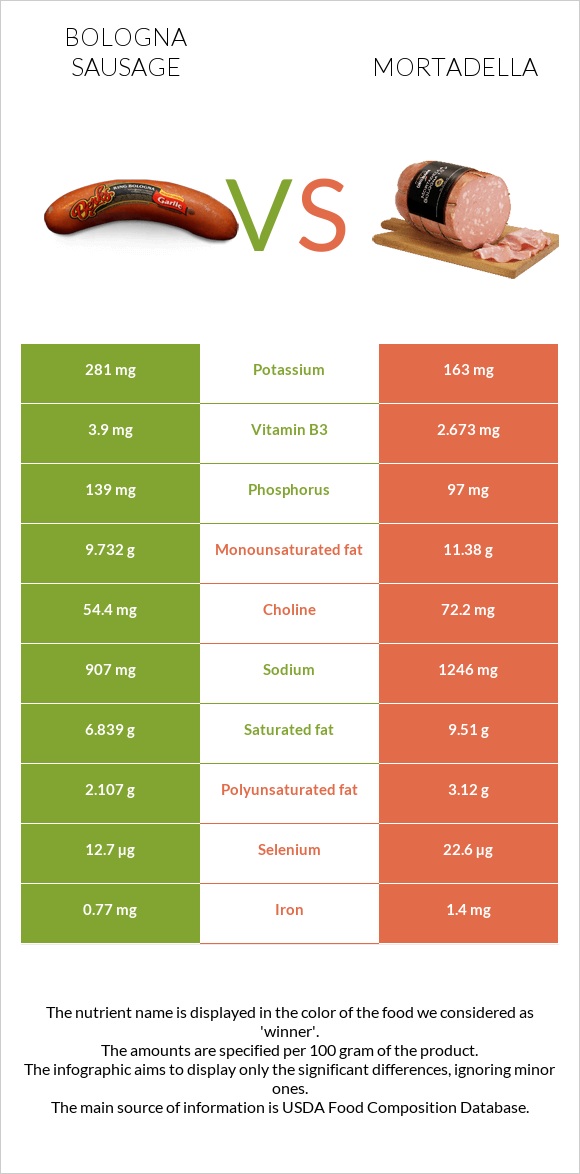
Bologna, a popular deli meat, has various nutritional elements. It contains proteins, fats, and carbohydrates that contribute to its calorie content. Understanding these components can help make informed dietary choices.
On average, a single slice of bologna has about 80 calories. Most of these calories come from fat, making it a high-fat food item. This is important to consider in weight management and meal planning.
Bologna also has significant amounts of sodium. High sodium intake can lead to water retention and other health issues. It's essential to monitor sodium levels, especially if you consume bologna regularly.
Despite its drawbacks, bologna offers some protein, which is necessary for muscle maintenance. The protein content, although not high, can be a small part of your daily protein intake. Balancing bologna with other nutrient-rich foods is key to a healthy diet.
Unmasking Bologna: Friend or Foe in Your Weight-Loss Journey?
Bologna's role in weight loss is often questioned. Its high fat and sodium content might seem counterproductive. Yet, it can fit into a balanced diet if consumed wisely.
The Downside of Bologna in Weight Loss
Bologna is high in saturated fats, which can contribute to weight gain. Eating too much fat can increase calorie intake significantly. This can make it harder to lose weight.
Sodium, another key ingredient in bologna, can cause water retention. This can lead to bloating and a temporary increase in weight. Monitoring sodium intake is crucial for long-term weight management.
Bologna often contains additives and preservatives. These elements can be harmful if consumed excessively. Avoiding overconsumption is essential.
The Positive Side of Bologna
Despite its flaws, bologna has some protein. Protein is essential for muscle repair and growth. This nutrient helps to keep you feeling full, reducing overall calorie intake.
Bologna can be included in a high-protein diet. A diet rich in protein can support weight loss efforts. It's about balancing the good and the bad.
It's easy and convenient for quick meals. Sometimes, convenience can help maintain diet consistency. Just remember to balance it with healthier options.
How to Make Bologna Work for You
Consider portion control when eating bologna. A single slice can be enough for flavor without adding too many calories. This strategy can help manage overall intake.
Pair bologna with nutrient-dense foods. Vegetables and whole grains can balance its high-fat content. Using balanced meals can aid in achieving weight-loss goals.
Always check nutritional labels. Be aware of the fat and sodium content. Informed choices lead to better health outcomes.
Portion Control and Bologna: The Balanced Equation
Portion control plays a vital role in managing weight, especially with bologna. It's easy to overeat, given its savory taste. Sticking to small portions ensures you enjoy it without excess calories.
Use a food scale to measure your servings. A single slice of bologna is often enough. This way, you keep track of what you're consuming more accurately.
Pairing bologna with healthier sides can make a balanced meal. Adding vegetables or whole grains can enhance nutritional value. It's about combining tasty and nutritious elements.
Aim to limit bologna to occasional servings. Diversify your diet with various protein sources. This helps in maintaining overall health while enjoying your meals.
Protein Content in Bologna: The Silver Lining
Bologna contains a modest amount of protein, making it more than just a tasty treat. Each slice offers about 3 grams of protein. This can be beneficial when trying to meet daily protein requirements.
Protein plays a crucial role in muscle repair and growth. If you're active, having enough protein supports your fitness goals. Including bologna can add a bit more protein to your day.
Bologna's protein content can help with satiety. This means you might feel fuller for longer periods. Feeling full can reduce overall calorie intake, aiding weight loss efforts.
Compared to other deli meats, bologna's protein content is moderate but not negligible. It's less than turkey or chicken breast but still useful. Balancing it with other protein sources ensures a varied diet.
For vegetarians or those cutting down on red meat, bologna can be an occasional option. However, relying solely on it for protein isn't ideal. Diversify your protein sources for a well-rounded diet.
Incorporate bologna in protein-rich recipes for variety. You can use it in sandwiches, salads, or wraps. Small amounts can complement other nutritious ingredients effectively.
Bologna in a Balanced Diet: Integrating with Other Foods
Integrating bologna into a balanced diet requires thoughtful pairing with other foods. Combining it with vegetables can boost nutritional value. Think of adding it to a fresh salad for a tasty twist.
Whole grains make a perfect match for bologna. Try it in a whole-grain sandwich or wrap. This addition brings in fiber, making the meal more filling.
Fruits can also pair well with bologna. A side of apples or berries adds a touch of sweetness and essential vitamins. This mix ensures you're getting a variety of nutrients.
Experimenting with different meals can make bologna enjoyable. Use it as a topping on whole-wheat pizza or mix it into a veggie stir-fry. These options provide balance and flavor.
Avoid over-relying on bologna for protein. Balance it with other sources like beans, nuts, and lean meats. Diversity in your diet keeps your meals interesting and healthier.
Incorporate bologna in moderation to maintain nutritional balance. Small amounts can enhance flavors without adding too many calories. Overall, integrating bologna thoughtfully can make meals both delicious and balanced.
The Role of Exercise When Eating Bologna
Exercise is crucial when incorporating bologna into your diet. Physical activity helps burn extra calories. This ensures that the high-fat content of bologna doesn't lead to weight gain.
Regular exercise boosts metabolism. A higher metabolism means more efficient calorie burning. This can offset the calories consumed from bologna.
Cardio workouts are particularly effective. Activities like running, swimming, or cycling can burn a lot of calories. Pairing these with a balanced diet can yield better results.
Strength training is also beneficial. Building muscle can further increase your metabolic rate. Muscles continue to burn calories even at rest.
Keeping track of your activity levels is important. Use fitness apps or trackers to monitor your progress. This can help ensure you're staying active enough to balance your diet.
Incorporate a variety of exercises for best results. A mix of cardio, strength training, and flexibility exercises can keep you fit. Balancing bologna with exercise ensures a healthier approach to your diet.
Alternatives to Bologna: Looking at Healthier Options
If you're looking for healthier alternatives to bologna, there are plenty of options. Lean meats can offer more nutrients with less fat. These choices help maintain a balanced diet.
Turkey breast is a great option. It's low in fat and high in protein. This makes it an excellent substitute for bologna in sandwiches and wraps.
Chicken breast is another good choice. It’s versatile and can be used in salads, sandwiches, or even on its own. It offers the benefits of being low in fat and rich in protein.
- Turkey Breast: Low-fat, high-protein
- Chicken Breast: Versatile and nutritious
- Lean Ham: Slightly higher sodium but still a good alternative
- Roast Beef: High in iron and B vitamins
Tuna is also worth considering. It provides omega-3 fatty acids along with abundant protein. This combination supports heart health and muscle maintenance.
Avoid processed meats whenever possible for better health outcomes. Opting for fresh cuts of lean meat ensures fewer preservatives and additives. Incorporating these alternatives can make your meals healthier without sacrificing taste.
Monitoring Your Progress: Bologna in Your Diet
Tracking your progress when eating bologna can help you manage your weight effectively. Using a food diary or app can be beneficial. Recording what you eat provides valuable insights into your diet.
Keep an eye on portion sizes to avoid overeating. A single slice of bologna can fit into a balanced diet if consumed in moderation. This helps keep your calorie intake in check.
Regularly measure your weight and body measurements. This provides a clear picture of how your diet is affecting you. Consistency in monitoring helps in making necessary adjustments.
- Use a food diary or app to log meals
- Measure weight and body measurements regularly
- Adjust portions and food choices based on results
Listening to your body is crucial. Notice how you feel after eating bologna. If you feel bloated or experience weight gain, consider reducing your intake.
Consult a nutritionist if needed. They can offer personalized advice on incorporating bologna into your diet. Professional guidance ensures you're making the healthiest choices for your weight-loss journey.
Frequently Asked Questions
Here are some common questions about bologna and its impact on your diet and health. These answers aim to provide clear insights, making it easier to understand the nutritional aspects of bologna.
1. What are the main ingredients in bologna?
Bologna is typically made from a blend of pork, beef, or chicken along with various spices. The meat mixture is emulsified to create a smooth texture and then packed into casings for cooking.
Common spices include salt, pepper, coriander, sugar, and myrtle berries. Some varieties may also contain additional flavorings like garlic or paprika.
2. How does bologna compare to other deli meats?
Bologna has a higher fat content than many other deli meats such as turkey breast or chicken breast. This makes it less ideal for those seeking low-fat options.
However, it contains similar levels of protein compared to these leaner meats. Its ease of use in various dishes makes it popular despite higher fat levels.
3. Is consuming bologna regularly linked to any health risks?
The high sodium and preservative content in bologna can pose health risks if consumed frequently. Excessive sodium intake can lead to hypertension and cardiovascular issues.
The presence of nitrates and nitrites as preservatives has been linked to increased cancer risk over time. Moderation is crucial when including processed meats like bologna in your diet.
4. Can children safely eat bologna sandwiches?
Bologna sandwiches are generally safe for children if prepared correctly and consumed in moderation. It’s essential to pair them with healthier sides like vegetables or whole-grain bread.
Avoid making it a daily habit due to its high fat and sodium content. Opt for balanced meals that include fresh ingredients alongside occasional treats like bologna.
5. What are some healthy ways to incorporate bologna into meals?
You can add small amounts of bologna into salads or wraps with plenty of veggies for balance. Using whole-grain bread for sandwiches can also help increase fiber intake while enjoying the taste of bologna.
Try grilling slices lightly before adding them to dishes for extra flavor without additional unhealthy fats. Always aim for portion control when including processed meats like bologna in your meals.
Conclusion
Understanding the nutritional profile of bologna helps make informed dietary choices. While it offers some protein, its high fat and sodium content can pose challenges. Moderation and mindful pairing with healthier foods are crucial to balance its impact.
Incorporating bologna into a balanced diet is possible with careful planning. Regular exercise and portion control can help mitigate its downsides. Making thoughtful choices ensures that bologna is a manageable part of your weight-loss journey.
