Is An Apple Or Banana Better For Weight Loss?
An apple a day keeps the doctor away, but does it help you shed those extra pounds? When it comes to weight loss, the debate between apples and bananas is both intriguing and complex. Both fruits are nutrient-dense, but their impacts on weight management can vary significantly.
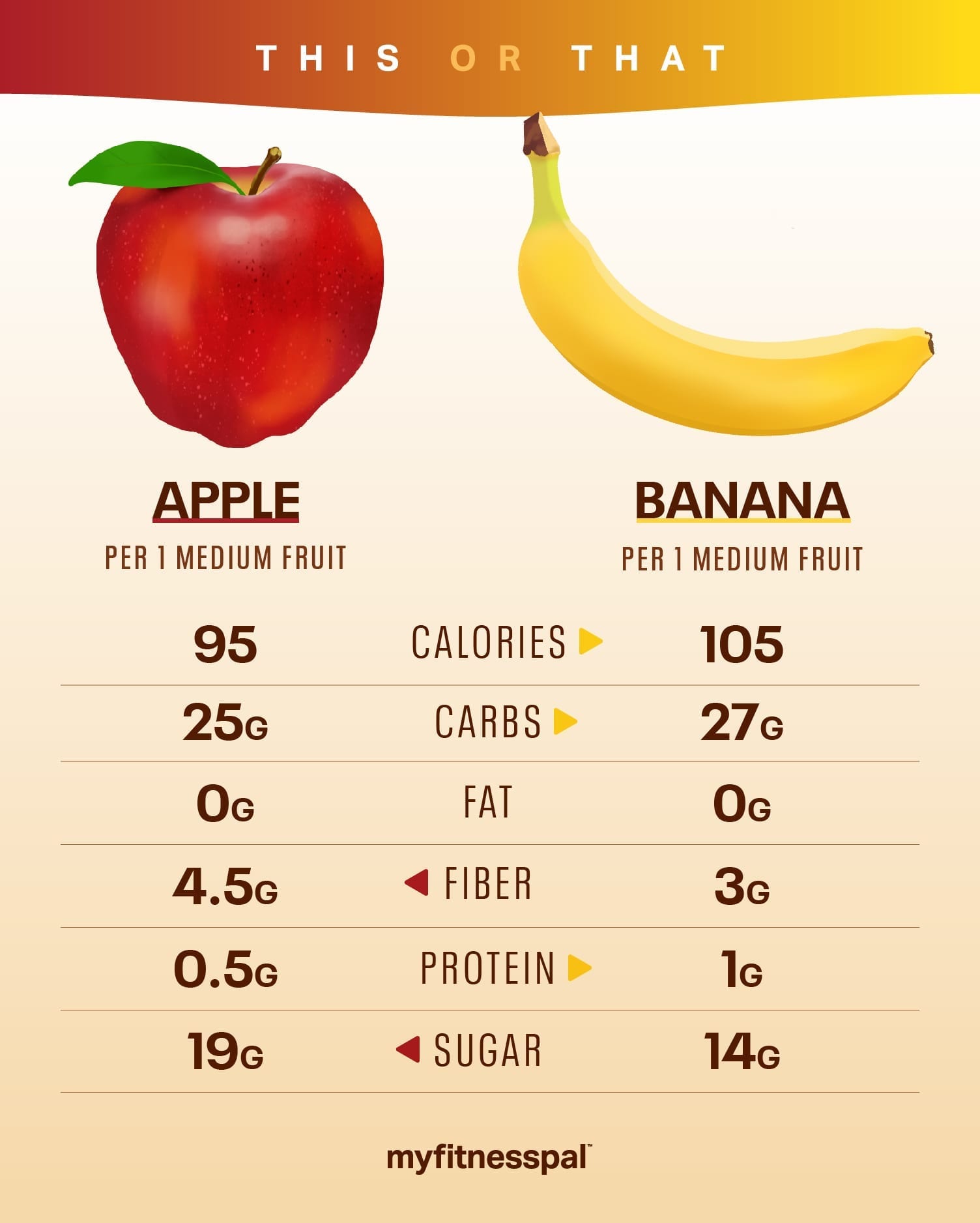
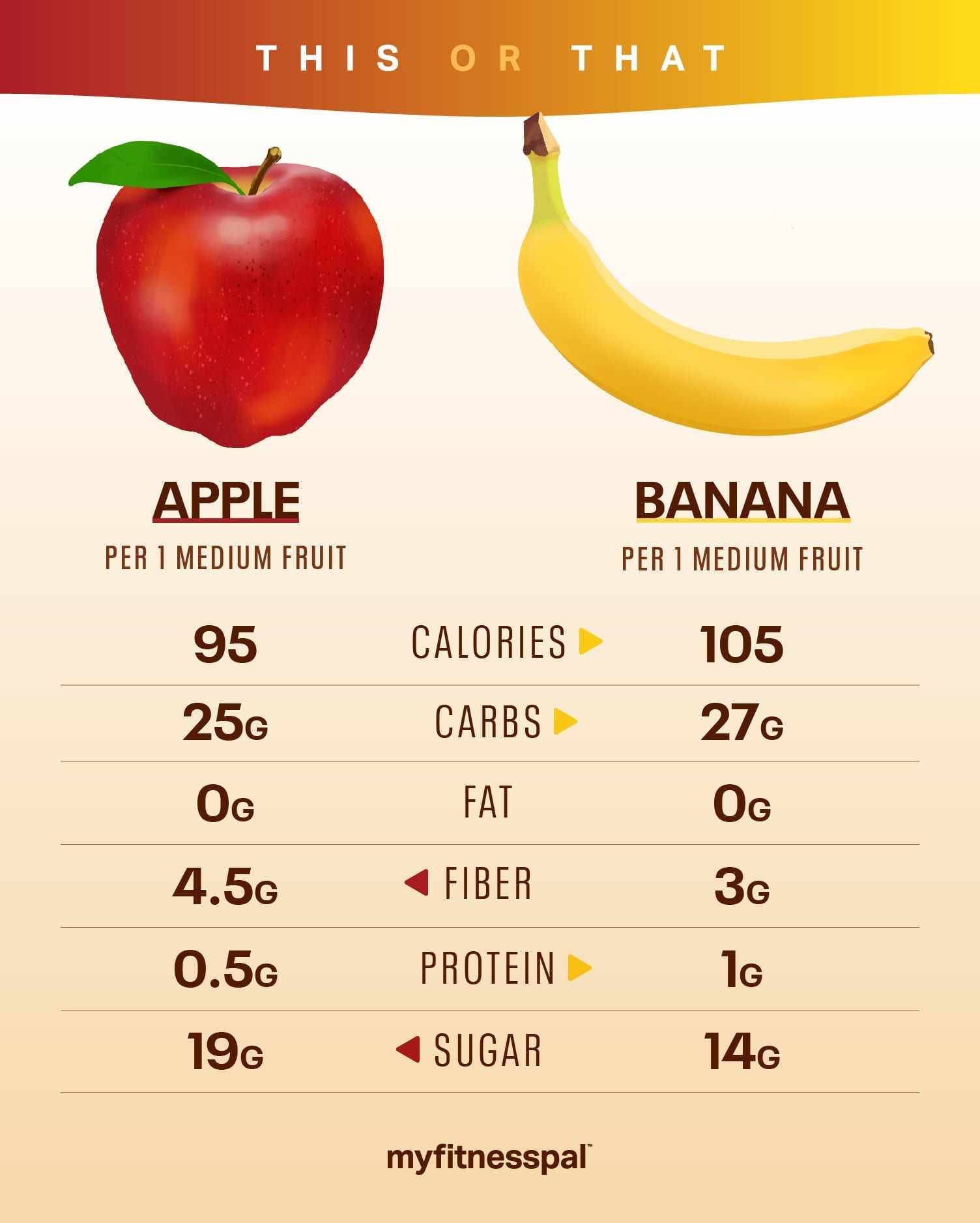
Apples are lower in calories and higher in fiber compared to bananas, making them an excellent choice for those aiming to lose weight. Bananas, however, are rich in potassium and offer a quick energy boost, which is beneficial during intense workouts. Ultimately, the best choice may depend on individual nutritional needs and lifestyle factors.
Understanding Apples and Bananas
Apples and bananas are two of the most popular fruits worldwide. They are not only tasty but also packed with essential nutrients. These fruits are often consumed as snacks, in smoothies, and in various recipes.
Apples are known for their high fiber content, which helps to keep you full longer. They also have a low caloric count, making them a great option for those watching their weight. Apples come in many varieties, each with a unique flavor.
Bananas, on the other hand, are rich in potassium, an essential mineral for muscle function. They provide a quick energy boost due to their natural sugars. Athletes often eat bananas before or after workouts.
Despite their differences, both fruits offer numerous health benefits. They are easy to find year-round and are highly versatile in the kitchen. Including both apples and bananas in your diet can contribute to overall well-being.
Nutritional Composition
Apples and bananas offer different nutritional profiles. Apples are lower in calories and high in fiber, while bananas are higher in carbohydrates and potassium. This makes apples better for sustained energy and feeling full.
Bananas also contain more Vitamin C and Vitamin B6 compared to apples. This can help support your immune system and provide more immediate energy. Apples, however, have a higher water content, aiding in hydration.
Here’s a quick comparison of their nutritional values in a typical serving:
| Nutrient | Apples | Bananas |
|---|---|---|
| Calories | 95 | 105 |
| Fiber | 4 grams | 3 grams |
| Potassium | 195 mg | 422 mg |
| Vitamin C | 14% of RDI | 17% of RDI |
Health Benefits
Both apples and bananas contribute to a healthy lifestyle. They provide essential nutrients that are vital for daily function. Eating these fruits can help improve digestion due to their fiber content.
Apples help in reducing cholesterol levels and support heart health. This is primarily due to their soluble fiber, pectin. Bananas, with their rich potassium content, help in regulating blood pressure.
Incorporating these fruits into your diet can promote better skin health and increased energy levels. Whether you prefer apples or bananas, both contribute significantly to overall wellness.
Choosing the Right Fruit
When deciding between apples and bananas, consider your nutritional needs. If you need a low-calorie, high-fiber option, apples are the way to go. They are great for those trying to manage their weight.
If you’re looking for a quick energy boost or need more potassium, bananas are ideal. Athletes and active individuals often favor bananas for this reason. Ultimately, both fruits can be part of a balanced diet.
To gain the most benefits, try to include a variety of fruits in your diet. Balance is key to achieving overall health and well-being.
How Apples Aid in Weight Loss
Apples are a fantastic fruit for weight loss due to their numerous benefits. They are low in calories but high in nutrients. Regular consumption can help you manage your weight effectively.
High Fiber Content
The high fiber content in apples makes them a great choice for those looking to lose weight. Fiber helps you feel full for a longer time, reducing the temptation to eat unhealthy snacks. This characteristic makes apples ideal for anyone trying to reduce their daily calorie intake.
In addition to keeping you full, fiber helps regulate digestion. Proper digestion can contribute to a more efficient metabolism. Therefore, consistent apple consumption can support steady weight loss.
Apples also contain both soluble and insoluble fiber. Soluble fiber, like pectin, helps in lowering cholesterol, while insoluble fiber aids in digestion. Both types of fiber are essential for overall health.
Low-Calorie Count
Another benefit of apples is their low-calorie count. A medium-sized apple has about 95 calories. This makes them a perfect snack for anyone on a calorie-restricted diet.
The low-calorie count means you can eat apples in larger quantities without worrying about calorie overload. This allows you to feel satisfied after eating. It also provides an energy boost without adding excessive calories.
Apples are also crunchy and satisfying to eat. This can help curb cravings for higher-calorie, less healthy options. The natural sweetness of apples serves as an excellent substitute for sugary snacks.
Rich in Nutrients
Apples are not only low in calories but also rich in essential vitamins and minerals. They contain Vitamin C, potassium, and antioxidants. These nutrients help in maintaining overall health while you lose weight.
Potassium helps regulate fluid balance in the body. This is crucial for weight management and overall health. Additionally, the antioxidants in apples can help reduce inflammation.
The vitamins and minerals in apples also support a healthy immune system. This ensures that you stay fit and healthy even while on a weight loss journey. Incorporating apples into your daily diet can therefore be highly beneficial.
How Bananas Contribute to Weight Loss
Bananas are excellent for quick energy boosts, making them a perfect snack before or after a workout. Their natural sugars, including glucose, fructose, and sucrose, provide immediate energy. This quick energy can help you stay active and burn more calories.
The fiber content in bananas also aids in weight loss. Eating bananas can help you feel fuller longer, curbing the urge to snack. This is especially beneficial for those trying to control their calorie intake.
Bananas are rich in essential nutrients, such as potassium and Vitamin B6. Potassium helps reduce water retention, an important factor in weight management. Vitamin B6 aids in converting food into energy, helping you stay active throughout the day.
Bananas are also versatile and can be included in various healthy recipes. You can add them to smoothies, oatmeal, or even eat them as a quick snack. Their versatility makes it easy to incorporate them into your daily diet.
Who Should Choose Apples Over Bananas
Individuals aiming to lose weight may find apples more beneficial than bananas. Apples are lower in calories and higher in fiber, which helps to keep you full for longer. This makes them an excellent choice for those looking to cut back on calorie consumption.
People with digestive issues may also prefer apples. The high fiber content in apples can aid in digestion and prevent constipation. Eating apples regularly can contribute to better digestive health.
Those managing diabetes might also benefit from choosing apples over bananas. Apples have a lower glycemic index, meaning they cause a slower rise in blood sugar levels. This can help in maintaining stable blood sugar levels.
If you have a history of heart disease, apples can be an excellent addition to your diet. The soluble fiber in apples, known as pectin, can help reduce cholesterol levels. Lower cholesterol levels are essential for heart health.
Fitness enthusiasts who need a quick energy boost might not find apples as beneficial as bananas. However, if you need sustained energy without a spike, apples are a better option. They provide a steady release of energy, helping you stay active longer.
Ultimately, those looking for a low-calorie, high-fiber snack that's beneficial for digestion and heart health should consider choosing apples over bananas. They offer a variety of health benefits that go beyond just weight management.
Who Should Choose Bananas Over Apples
Athletes and active individuals might prefer bananas over apples. Bananas offer a quick energy boost due to their higher carbohydrate content. This makes them perfect for pre- or post-workout snacks.
People with low potassium levels should also consider eating more bananas. Bananas are rich in potassium, which is essential for muscle and nerve function. Adequate potassium intake can help prevent muscle cramps and provide overall better muscle performance.
Those with digestive issues like ulcers may find bananas more soothing. Bananas are naturally easy on the stomach and help coat the lining, protecting it from acid. This makes them a good option for those with gastrointestinal problems.
Bananas are also beneficial for individuals dealing with high blood pressure. The high potassium content helps regulate blood pressure by counteracting the effects of sodium. Regular consumption of bananas can contribute to maintaining healthy blood pressure levels.
Kids and picky eaters often prefer the sweet taste of bananas. Their natural sweetness and easy-to-eat texture make them a favorite among children. This ensures that even the fussiest eaters get their daily dose of essential nutrients.
Overall, those needing quick energy, better muscle function, and easier digestion should consider choosing bananas over apples. Their unique nutritional benefits make them a valuable addition to any diet.
Role of Fruits in Weight Loss
Fruits play a crucial role in weight loss due to their nutrient density. They are rich in vitamins, minerals, and fiber while being low in calories. Including fruits in your diet can help you stay full longer and reduce overall calorie intake.
Fruits like apples and strawberries are high in fiber and can help curb your appetite. Fiber slows digestion, making you feel full for an extended period. This reduces the urge to snack on unhealthy foods.
Many fruits are also high in water content. Water-rich fruits like watermelon and oranges not only hydrate you but also add volume to your meals. This helps in feeling full with fewer calories.
- Apples: High in fiber and low in calories.
- Bananas: Provide quick energy and potassium.
- Berries: Packed with antioxidants and vitamins.
- Citrus fruits: High in Vitamin C and water content.
Another way fruits help with weight loss is by satisfying sweet cravings healthily. Fruits are naturally sweet, making them a great alternative to sugary snacks. This can help reduce your overall sugar intake.
For best results, it's essential to include a variety of fruits in your diet. Each fruit offers different nutrients that are vital for your health. By eating a diverse range of fruits, you can ensure you're getting a well-rounded mix of vitamins and minerals.
Risks of Only Eating Apples or Bananas for Weight Loss
Relying solely on apples or bananas for weight loss can lead to nutritional imbalances. These fruits, while healthy, lack essential nutrients that your body needs. A varied diet is important to obtain a full range of vitamins and minerals.
Lack of protein is one significant issue with an apple-or-banana-only diet. Proteins are crucial for muscle repair and overall body functions. Without enough protein, you may experience muscle loss and decreased energy levels.
Monotonous diets can also lead to food fatigue, making it harder to stick with the weight loss plan. Eating the same food every day can become boring and might lead you to crave unhealthy alternatives. This could counteract your weight loss efforts.
- Potential Nutritional Deficiencies: Missing out on essential nutrients.
- Protein Deficiency: Leading to muscle loss.
- Food Fatigue: Making it hard to stick with the diet.
A diet lacking in variety also affects mental well-being. Consuming only one type of food can make eating less enjoyable, affecting your mood negatively. Enjoying a range of foods keeps meals exciting and mentally satisfying.
To achieve effective weight loss, balance is key. Including different food groups ensures you receive all necessary nutrients. Diversifying your diet will help you lose weight while maintaining overall health.
Combining Apples and Bananas in a Balanced Diet
Integrating both apples and bananas into your diet can offer the best of both worlds. Apples provide high fiber that promotes satiety, while bananas offer quick energy and essential nutrients like potassium. Together, they create a well-rounded dietary option.
You can start your day with a balanced breakfast by adding both fruits to your morning oatmeal. This combination offers a mix of fiber, vitamins, and minerals. It's a simple way to boost your nutrient intake right from the start.
Another great idea is to make a fruit salad. Combine sliced apples and bananas with other seasonal fruits. This provides a variety of flavors and textures, making your meal more enjoyable and nutritious.
- Morning Oatmeal: Add slices of apples and bananas.
- Fruit Salad: Mix apples, bananas, and other fruits.
- Snacks: Enjoy both fruits with a dollop of yogurt.
Smoothies are another excellent way to combine these fruits. Blend apples and bananas with some spinach and yogurt for a nutritious drink. This can serve as a refreshing snack or a light meal option.
Including both apples and bananas in your diet ensures you get a variety of nutrients. This balanced approach helps you achieve your weight loss goals while maintaining overall health. Remember, diversity in your diet is key to long-term success.
Frequently Asked Questions
Below are some common questions related to the benefits and aspects of apples and bananas in weight loss. These answers will help clarify how each fruit can support your weight management goals.
1. How do apples support overall health apart from aiding in weight loss?
Apples are rich in antioxidants, particularly flavonoids and polyphenols, which help protect against chronic diseases. They also provide essential vitamins like Vitamin C, supporting a strong immune system.
The high fiber content in apples aids digestion. They also help regulate blood sugar levels, making them beneficial for people with diabetes.
2. Are there any downsides to eating too many bananas?
While bananas are nutritious, consuming them in excess can lead to an imbalance of nutrients. High potassium levels may cause hyperkalemia, especially in individuals with kidney issues.
Bananas have a natural sugar content that might contribute to weight gain if consumed excessively. It's important to eat a balanced variety of fruits.
3. Can combining apples and bananas enhance their weight loss benefits?
Combining these fruits can offer a range of nutrients that support overall health while aiding weight loss. Apples provide fiber that keeps you full longer, while bananas give quick energy boosts.
This combination ensures sustained energy and reduced hunger throughout the day. Mixing them into meals or snacks can diversify your diet effectively.
4. What other fruits pair well with apples and bananas for a balanced diet?
Berries like strawberries and blueberries complement both apples and bananas well by adding antioxidants and enhancing flavor diversity. Citrus fruits like oranges add Vitamin C, boosting immunity.
Kiwifruit adds extra fiber, while grapes provide additional hydration due to their high water content. A varied mix ensures comprehensive nutrient intake.
5. How often should one eat apples or bananas for effective weight loss?
Aim to include at least one serving of either fruit daily as part of a balanced diet. Alternate between apples and bananas depending on your dietary needs and activity levels.
This practice offers the benefits of both without over-relying on one type of fruit only. It ensures you get diverse nutrients useful for effective weight management.
Conclusion
Incorporating both apples and bananas into your diet can greatly contribute to effective weight loss. Each fruit offers unique benefits that support overall health and well-being. By understanding their roles, you can make informed choices that align with your dietary goals.
Balancing these fruits in your meals ensures you receive essential nutrients, fiber, and quick energy boosts. Remember, the key to successful weight loss is a varied and balanced diet. Including a mix of fruits like apples and bananas helps in achieving sustainable, long-term health benefits.
