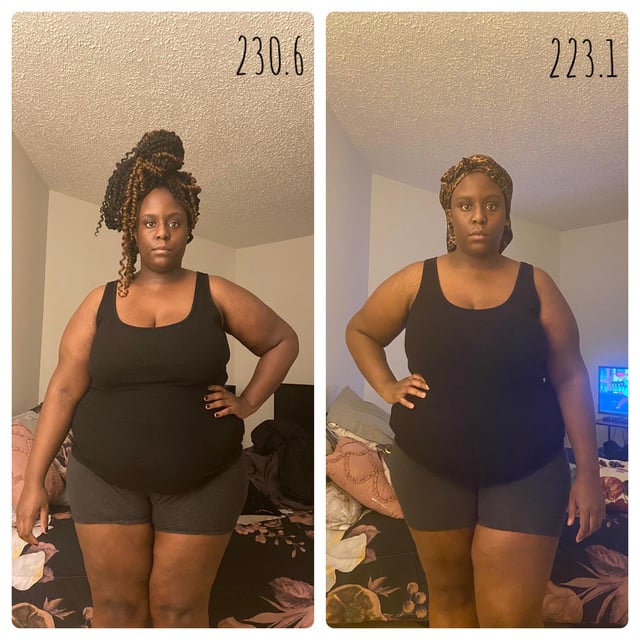
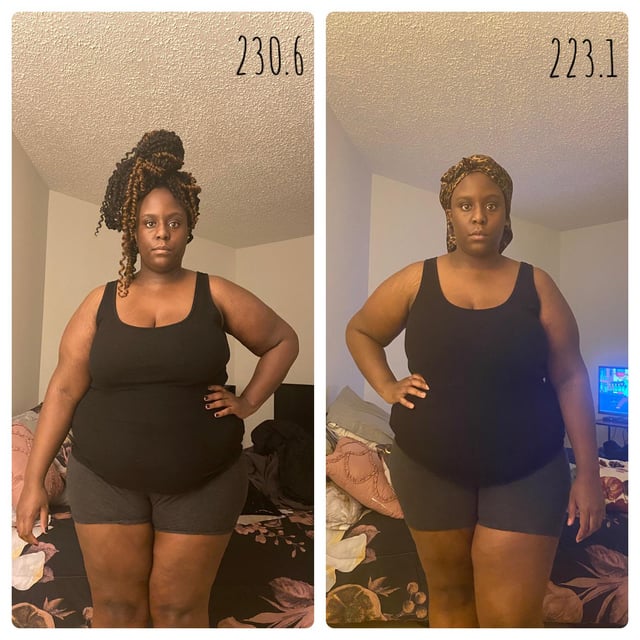
Is 10 Pounds Noticeable Weight Loss?
Seeing the number on the scale drop by ten pounds is undoubtedly exciting, but is it noticeable? For most people, a weight loss of ten pounds represents approximately 5-10% of body weight. This percentage is generally considered significant enough to witness visible changes in how one's clothes fit and their overall appearance.
Historically, shedding ten pounds has been a benchmark for noticeable transformation in weight loss journeys. According to the CDC, even a modest weight loss such as 5-10% of your total body weight can have tangible health benefits, making it a valuable goal for many. Personal stories and empirical research alike underscore the noticeable impact this amount of weight loss can have on one's physical appearance and confidence.
Understanding Weight Loss: The Basics
Weight loss primarily occurs when you burn more calories than you consume. This is known as a calorie deficit. When the body needs more energy than it has available from food intake, it turns to stored fat for energy.
Metabolism plays a crucial role in weight loss. Metabolism is how your body converts food into energy. People with higher metabolism rates may find it easier to lose weight.
A balanced diet and regular exercise are key components of successful weight loss. Eating nutrient-rich foods helps keep your body healthy while losing weight. Consistent exercise burns calories and builds muscle.
Different types of weight loss methods suit different people.
- Some may follow a low-carb diet.
- Others might prefer intermittent fasting.
- Choosing the right method can help sustain long-term weight loss goals.
The Role of Calorie Deficit
The concept of a calorie deficit is simple but effective. By consuming fewer calories than your body needs, you force it to use stored fat for energy. This leads to weight loss over time.
Tracking your daily caloric intake can be helpful. Many apps and websites provide tools to monitor how much you eat and exercise. Staying within your caloric limit ensures a steady weight loss process.
A healthy calorie deficit usually ranges from 500 to 1,000 calories per day. This can result in a safe weight loss of about one to two pounds per week. Avoid drastic calorie reductions, which can be harmful to your health.
Importance of Metabolism
Besides caloric intake, your metabolism significantly affects weight loss. Metabolism includes all the processes your body uses to maintain life, like breathing and digestion. Everyone's metabolism operates at a different speed, influenced by genetics, age, and lifestyle.
Engaging in physical activities can boost your metabolism. Strength training, in particular, builds muscle that burns more calories even at rest. Eating smaller, frequent meals can help keep your metabolism active.
Some foods are known to enhance metabolism.
- Green tea
- Spicy foods
- Protein-rich foods
Balance of Diet and Exercise
Diet and exercise should go hand in hand for effective weight loss. Focus on a balanced diet that includes fruits, vegetables, lean proteins, and whole grains. Exercise not only aids in burning calories but also improves overall well-being.
Different types of exercises suit different people.
- Cardio workouts like running and swimming
- Strength training with weights
- Flexibility exercises like yoga
Consistency is key. Combining a healthy diet with regular exercise leads to sustainable weight loss and a healthier lifestyle. Remember, gradual and steady progress yields the best long-term results.
What Makes a 10 Pounds Weight Loss Noticeable?
Losing 10 pounds can result in visible changes. This is particularly evident if the weight loss represents a significant percentage of one's overall body weight. Body composition and where the weight is lost from also play a role.
A 10-pound drop can lead to smaller clothing sizes and a leaner figure. People might notice these changes more quickly if they lose fat from areas like the face, arms, and waist. Improved posture and muscle tone can also make the weight loss more apparent.
Psychological effects can make weight loss seem more noticeable. When someone feels better and more confident, others tend to notice these positive changes. An upbeat attitude often highlights physical changes.
Weight loss visibility can differ among individuals. Factors like height, body shape, and existing body weight impact how noticeable the change is.
- Taller people might need to lose more weight for the difference to show.
- Smaller individuals might see changes more quickly.
- Those with higher initial body weight may find 10 pounds less noticeable.
Factors Influencing Noticeability
Several factors influence how noticeable a 10-pound weight loss is. These include initial body weight, height, body composition, and fat distribution. Losing weight from areas with less fat can make changes more visible.
For instance, if someone loses 10 pounds from their midsection, it can drastically change their silhouette. The same goes for facial fat, which can lead to a more defined face. These areas often make weight loss more apparent due to the reduction in size.
In contrast, losing 10 pounds from less noticeable areas might not yield immediate visible results. For example, losing weight from the legs or back might not be as noticeable in everyday life. Understanding these factors can help set realistic expectations.
Psychological Impact of Weight Loss
Besides physical changes, psychological effects contribute to how noticeable weight loss is. Improved self-esteem and confidence make the change more apparent. People often carry themselves taller and with more energy.
Feeling better mentally can also motivate people to dress better, enhancing the visual impact of weight loss. When someone feels good, they project a more positive aura. This change in demeanor often catches the eye of others.
Additionally, social interactions might improve, making the weight loss more evident in a person's behavior. Others tend to notice these improvements quickly. It’s a combination of physical and mental changes that make 10-pound weight loss stand out.
Health Benefits of a 10-Pound Weight Loss
Noticeable or not, losing 10 pounds has several health benefits. Even modest weight loss can improve heart health, reduce blood pressure, and lower cholesterol. These changes help in reducing the risk of chronic diseases.
Another benefit is improved mobility and reduced joint pain, especially in the knees and hips. Carrying less weight makes it easier to engage in physical activities. This further promotes an active, healthy lifestyle.
10 pounds weight loss can lead to better sleep and increased energy levels. Feeling more energetic impacts daily life positively. All these benefits contribute to a noticeable difference in overall well-being.
Visible Signs of a 10 Pounds Weight Loss
One of the most noticeable signs of losing 10 pounds is how your clothes fit. Pants and shirts may start to feel looser. You might even need to tighten your belt a notch or two.
Another visible change can be seen in the face. Losing weight often leads to a slimmer, more defined face. Cheekbones and jawlines might become more pronounced.
Overall body shape can also shift. Areas like the waist, arms, and thighs may appear slimmer.
- A smaller waist can dramatically alter your silhouette.
- More toned arms and legs become noticeable.
Posture improvement can be another sign. Shedding extra pounds often reduces the strain on your muscles and joints. This can lead to a more upright and confident posture.
The Health Benefits of Losing 10 Pounds
Losing 10 pounds can significantly improve heart health. It helps lower blood pressure and reduce cholesterol levels, decreasing the risk of heart disease. Maintaining a healthier heart can prolong your life.
Shedding extra weight can also enhance mobility. Moving around becomes easier when there is less strain on your joints and muscles. Improved mobility leads to a more active lifestyle.
Weight loss can help manage or even prevent type 2 diabetes. Lowering your weight improves insulin sensitivity and regulates blood sugar levels. This is crucial for those at risk or living with this condition.
Another significant benefit is the reduction in joint pain. Extra weight puts pressure on joints, especially in the knees and hips. Losing 10 pounds can alleviate this discomfort.
Better sleep is another positive outcome. Weight loss often reduces sleep apnea symptoms and other sleep disorders. Quality sleep boosts overall health and well-being.
Lastly, losing weight can elevate your mood.
- Lower stress levels
- Increased self-esteem
- Higher energy levels
Physical versus Psychological Perspective on Weight Loss
The physical changes from weight loss are often the most noticeable. Shedding pounds leads to a slimmer appearance and better-fitting clothes. Improved mobility and reduced joint pain are also common physical benefits.
However, the psychological perspective is just as significant. Losing weight can boost self-esteem and confidence. Feeling better mentally often leads to positive lifestyle changes.
From a physical standpoint, the benefits include stronger muscles and improved cardiovascular health. Weight loss can also result in clearer skin and increased energy levels.
- Better sleep
- Improved digestion
- Enhanced athletic performance
Psychologically, weight loss can reduce stress and anxiety. Achieving weight loss goals often makes people feel empowered and happier. The journey itself can build resilience and discipline.
Increased social interactions are another psychological benefit. Feeling more confident often encourages people to engage more with others. This can lead to a more fulfilling social life.
Both physical and psychological perspectives are important for a holistic approach to weight loss. Recognizing the benefits from both angles can motivate sustained efforts. This balanced view helps in achieving long-term success.
Variables That Influence the Noticeability of Weight Loss
Various factors affect how noticeable weight loss is. Initial body weight is a major variable. Generally, someone with higher body weight may need to lose more pounds for the change to be noticeable.
Height is another influencing factor. Taller individuals might not show weight loss as quickly as shorter people. This is because the weight is distributed over a larger frame.
Body composition plays a significant role. People with a higher muscle mass may notice weight loss differently than those with more fat. Muscle weighs more than fat, so changes might not be as visible initially.
Where you lose weight from also matters. Losing weight from the face or midsection can be more noticeable than from less prominent areas like the back.
- Face and neck
- Waist and hips
- Arms and legs
Gender differences can impact visibility. Men and women tend to store and lose fat in different areas. Men often lose weight from the upper body, while women may first see changes in the lower body.
Your age can also affect how noticeable your weight loss is. Younger people generally have a faster metabolism, which might make weight loss more apparent. Older individuals might see slower, but steady changes.
Does Gender Influence Weight Loss Visibility?
Gender can indeed affect how noticeable weight loss is. Men and women store fat in different areas of their bodies. These differences make the visibility of weight loss vary between genders.
Men typically lose weight from the upper body first. This includes areas like the chest, arms, and abdomen. These regions are more noticeable when they start to slim down.
Women often lose weight in the lower body first. Fat tends to be stored in places like the hips, thighs, and buttocks. This distribution pattern means women may see changes in these areas before others.
- Men: chest, arms, abdomen
- Women: hips, thighs, buttocks
Hormones also play a role in how weight is lost. Testosterone in men helps them build muscle mass quicker, making fat loss more visible. Women have higher levels of estrogen, which promotes fat storage around the hips and thighs.
The rate of weight loss can differ between genders as well. Men generally have a higher basal metabolic rate (BMR), enabling faster calorie burning even at rest. For women, achieving visible weight loss might take longer due to a naturally lower BMR.
No matter your gender, consistency in diet and exercise is crucial for visible results. Understanding these gender-specific differences helps in setting realistic expectations for your weight loss journey.
Successful Strategies for Sustainable Weight Loss
One effective strategy is to maintain a balanced diet. Eating a variety of nutrient-rich foods keeps you healthy while losing weight. Fruits, vegetables, lean proteins, and whole grains should be staples in your diet.
Regular exercise is another key element. Consistent physical activity helps burn calories and build muscle. Choose activities you enjoy to make exercise a regular part of your life.
- Walking or jogging
- Swimming
- Strength training
- Yoga or Pilates
Setting realistic goals is crucial for sustainable weight loss. Aim to lose about 1-2 pounds per week. This ensures your weight loss is both healthy and maintainable in the long term.
Monitoring your progress can help keep you on track. Keep a food diary or use an app to log what you eat and your physical activity. This helps you see patterns and make necessary adjustments.
Staying hydrated is essential. Drinking plenty of water can help control hunger and improve metabolism. Replace sugary drinks with water for better weight management.
Finally, seek support from friends, family, or a weight loss group. Social support makes the journey easier and more enjoyable. Sharing your progress and challenges keeps you motivated.
Frequently Asked Questions
Losing weight is a journey filled with questions and uncertainties. Here are some common questions and answers to help guide you.
1. How quickly can you lose 10 pounds?
The timeline for losing 10 pounds varies based on diet, exercise, and individual factors. Generally, a safe and sustainable rate is about one to two pounds per week. So, reaching a 10-pound loss typically takes around five to ten weeks.
Faster weight loss methods might promise quick results, but they often aren't sustainable or healthy. Consistency in balanced eating and regular workouts usually yields the best long-term benefits without risking health.
2. What should I eat to lose 10 pounds?
A balanced diet rich in nutrient-dense foods helps achieve weight loss effectively. Include fruits, vegetables, lean proteins, whole grains, and healthy fats in your meals while avoiding processed foods and sugary drinks.
Monitoring portion sizes and staying hydrated are crucial for success. Drinking water instead of soda or juice can reduce calorie intake significantly over time.
3. How does exercise contribute to losing 10 pounds?
Exercise burns calories and enhances muscle mass, essential elements for effective weight loss. Combining cardio activities like running or swimming with strength training accelerates fat burn.
Aim for at least 150 minutes of moderate aerobic activity per week alongside muscle-strengthening exercises twice a week for optimal results. Enjoyable activities increase the likelihood of maintaining a regular routine.
4. Are there any medical considerations when aiming to lose 10 pounds?
It's always advisable to consult with a healthcare provider before starting any weight-loss program, especially if you have underlying medical conditions like diabetes or heart disease.
Your doctor can provide personalized advice tailored to your needs and help monitor your progress safely. They might also recommend specific dietary plans or exercise routines suited for your condition.
5. How do I maintain my weight after losing 10 pounds?
Maintaining weight loss requires continued adherence to healthy habits developed during the process—balanced eating choices and regular physical activity remain key components.
Mental readiness also plays a role; setting realistic expectations helps sustain motivation long-term. Periodic self-monitoring through weigh-ins or food diaries keeps you accountable without becoming obsessive.
Conclusion
Losing 10 pounds can be a significant milestone in your weight loss journey. It offers visible physical changes and tangible health benefits, contributing to improved overall well-being. Utilizing sustainable strategies like a balanced diet and regular exercise ensures long-lasting results.
Remember, the journey to weight loss should also focus on mental well-being. Celebrating small victories and staying motivated are key to success. By understanding the various factors that influence weight loss, you can tailor your approach for the best outcomes.
