How To Store Corn For The Freshest Sweetest Flavor?
Imagine biting into a cob of corn that is as sweet and juicy as it was the moment it was picked. How can you capture and retain that peak flavor? Proper storage techniques are your key to preserving that freshness.
Corn's sweetness depends on its sugar-to-starch conversion, which begins immediately after harvesting. To combat this, refrigeration is crucial—research indicates that corn stored at temperatures below 32°F retains its sweetness significantly longer. Additionally, keeping the husks intact and wrapped in a damp paper towel helps preserve moisture, ensuring each bite is as delightful as the first.
- Refrigerate corn immediately after harvest to slow sugar-to-starch conversion.
- Keep the husk on to retain moisture and protect the kernels.
- Wrap corn in damp paper towels before placing it in a plastic bag for optimal storage.
- Store at temperatures below 32°F for maximum freshness.
- Avoid storing corn near ethylene-producing fruits like apples and bananas.
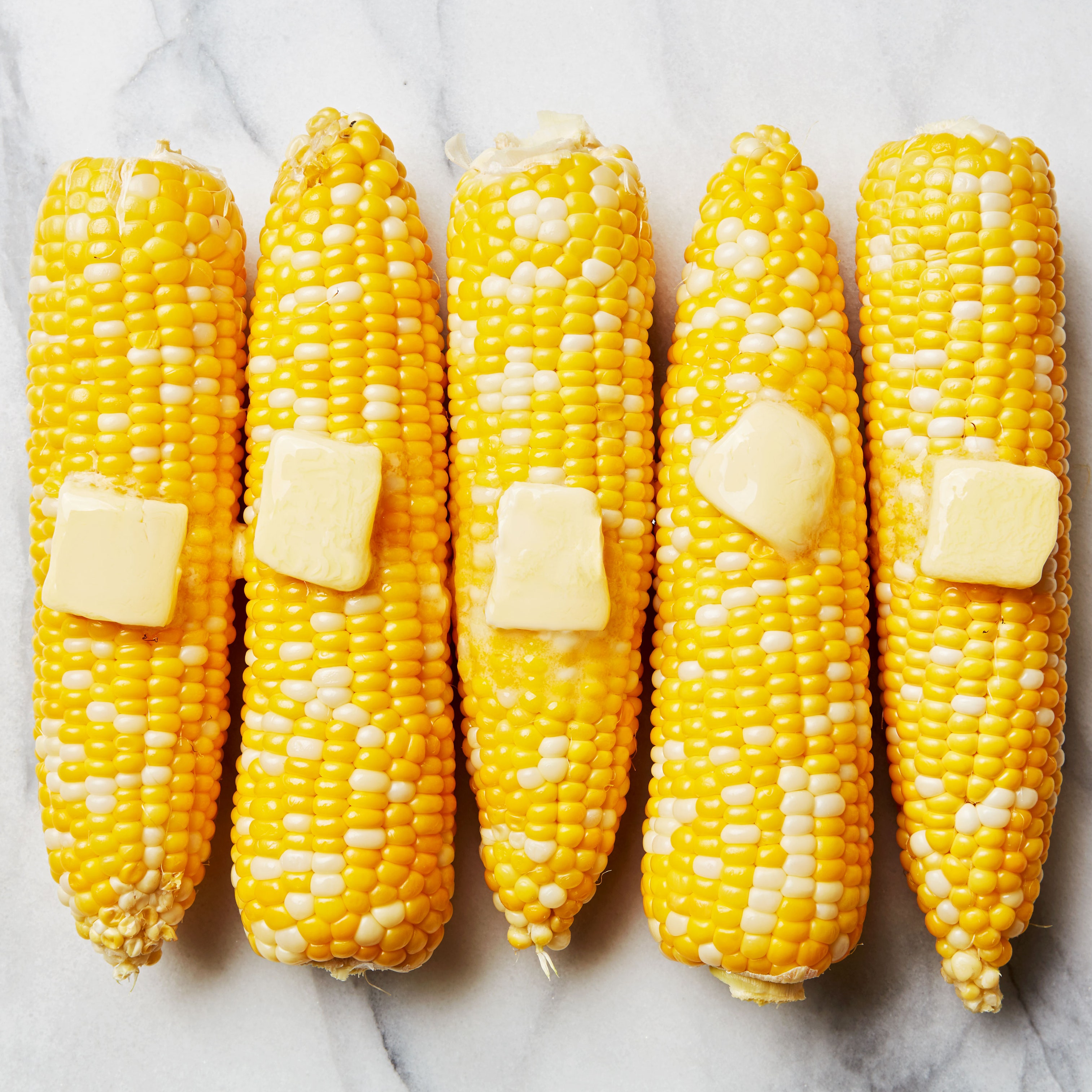
Understanding Corn’s Sugar-to-Starch Conversion
When corn is freshly picked, it is packed with natural sugars. These sugars start converting to starch almost immediately after harvest. This process is why corn can lose its sweetness quickly.
The rate of sugar-to-starch conversion is influenced by temperature. Warmer temperatures accelerate the conversion, making the corn taste starchy faster. That’s why it’s crucial to cool the corn promptly.
Research shows that storing corn at temperatures below 32°F can significantly slow this conversion. Cold storage helps preserve the corn's natural sweetness longer. Refrigerating corn immediately after harvest is key to maintaining flavor.
Farmers and food experts recommend eating corn as soon as possible for the best taste experience. If immediate consumption isn't an option, proper storage techniques will help. Keeping the corn cold is the best way to retain that fresh, sweet taste.
Importance of Quick Refrigeration After Harvest
Quick refrigeration of corn after harvest is essential to maintain its sweetness and freshness. The longer corn stays at room temperature, the faster its sugars convert into starch. This conversion results in a less sweet, more starchy taste.
Refrigeration slows down this conversion process significantly. By cooling corn immediately, you help retain its natural sugars, preserving its flavor. Cold temperatures are crucial in keeping corn tasty.
Studies have shown that corn kept at temperatures below 32°F remains fresh for a longer period. Therefore, placing corn in the fridge right after harvesting is a recommended practice. Ensuring quick refrigeration can make a big difference in taste.
Experts advise storing corn in the coldest part of your refrigerator. Wrapping it in damp paper towels can further help in maintaining moisture and sweetness. This simple step enhances the overall eating experience.
Impact on Taste and Texture
Temperature directly affects the taste and texture of corn. Quick refrigeration keeps the kernels tender and sweet. Warm storage, on the other hand, results in tougher, less flavorful corn.
Preserving the texture is just as important as preserving taste. Cold storage ensures that each bite is juicy and satisfying. The difference can be quite noticeable.
Refrigerating corn immediately also helps in maintaining its crunchiness. This is because the cold environment prevents the kernels from becoming chewy. Quick refrigeration preserves both sweetness and crunch.
Proper Fridge Storage Techniques
Storing corn correctly in the fridge can further enhance its freshness. Keep the corn in its husks to protect it from drying out.
If you have already removed the husks, wrap the corn in damp paper towels and place in a plastic bag. This helps to lock in moisture. When refrigerated properly, corn can maintain its quality for several days.
Also, avoid storing corn near fruits that emit ethylene gas, like apples and bananas. Ethylene gas can accelerate ripening, which reduces shelf life. Keeping these tips in mind can help you enjoy fresh, sweet corn longer.
Additional Benefits of Refrigeration
Aside from preserving sweetness, quick refrigeration offers other benefits. Cold temperatures reduce the risk of bacterial growth. This makes the corn safer to eat for a longer period.
Refrigeration also maintains the vibrant color of the kernels. Bright yellow or white kernels look more appealing. Proper storage conditions thus make corn not just tastier but also visually appealing.
Finally, quick refrigeration allows for better meal planning. You can store corn for several days without compromising on quality. This flexibility is handy for busy schedules.
Optimal Temperature for Storing Corn
Storing corn at the right temperature helps retain its natural sweetness. The ideal temperature for preserving corn is below 32°F. This cold environment slows down sugar-to-starch conversion.
Refrigerators are commonly set between 32°F and 40°F, which is effective for corn storage. However, aiming for the lower end of this range is best. Keeping it as cold as possible without freezing ensures maximum freshness.
If the temperature goes above 40°F, the corn’s natural sugars will quickly turn into starch. This process affects both taste and texture, making the corn less enjoyable to eat. Avoiding warm temperatures is key.
It’s also essential to keep the corn consistently cold. Frequent temperature changes can speed up deterioration. Stability in temperature helps maintain quality.
Preserving Corn in the Husk
Keeping corn in its husk is one of the best ways to maintain its freshness. The husk acts as a natural protective barrier, preserving moisture and preventing the kernels from drying out. This helps retain corn's natural sweetness.
When storing corn in the husk, it's essential to refrigerate it as soon as possible. The husk can keep the corn fresh for several days when cooled properly. Ensure the temperature stays below 32°F for best results.
You can enhance moisture retention by wrapping the husk in damp paper towels. This additional layer of protection keeps the corn juicy. Place the wrapped corn in a plastic bag to lock in even more moisture.
Husk-on corn is also less likely to suffer bruising that can happen during handling. This is especially beneficial if you plan on moving the corn around frequently. The husk provides a cushion that protects delicate kernels.
Moreover, keeping the husk intact can prolong the corn's shelf life. This method is both simple and effective for home storage. It's a no-fuss way to enjoy fresh, sweet corn longer.
When you're ready to eat, simply peel back the husk to enjoy fresh corn. Whether you're boiling, grilling, or microwaving, the husk will help the corn stay moist and flavorful. This makes your meal preparation easier and tastier.
Proper Wrapping and Storage Techniques
Wrapping corn properly before storage can significantly enhance its freshness. Damp paper towels are highly effective for this purpose. They help maintain optimal moisture levels in the husk.
For extra protection, place the wrapped corn in a plastic bag. This reduces air exposure, preventing the corn from drying out. Sealing the bag is an additional step to lock in freshness.
If you need to store corn for a longer period, consider using vacuum-sealed bags. These bags remove almost all the air, which prolongs the freshness of the corn. Vacuum sealing can be particularly useful for freezing corn.
Avoid storing corn near fruits like apples and bananas. These fruits emit ethylene gas, which accelerates spoilage. Keep corn away from ethylene-producing fruits for longer-lasting freshness.
In the refrigerator, place the corn in one of the colder compartments. Usually, the back or bottom shelves maintain lower temperatures. Maximize the refrigerator's cooling potential by storing corn in the coldest spots.
Lastly, ensure you check the corn regularly for any signs of spoilage. Remove any affected ears promptly to prevent spreading. Regular inspection ensures the entire batch remains fresh and safe to eat.
Best Storage Equipment for Preserving Corn
Using the right storage equipment is essential for keeping corn fresh. Vacuum-sealed bags are excellent for long-term storage. They remove air, which slows down spoilage.
Airtight containers are another good option. These containers help maintain moisture and prevent the corn from drying out. For shorter storage periods, they work very well.
Plastic bags with zip seals can also be effective. These bags are easy to use and provide a good seal. Make sure to remove as much air as possible before sealing.
For storing corn in the refrigerator, consider using crisper drawers. These compartments are designed to maintain optimal humidity levels. They help keep the corn juicy and sweet.
When freezing corn, use freezer-safe bags or containers. Label them with the date to keep track of freshness. Freezer-safe options prevent freezer burn and preserve quality.
Reusable silicone bags are environmentally friendly and perform well. They are durable and provide an excellent seal. Silicone bags are a sustainable choice for long-term storage.
Long-term Storage: Freezing Corn
Freezing corn is a fantastic way to preserve its freshness for long periods. The process locks in the flavor and nutrients, allowing you to enjoy sweet corn year-round. It's also quite simple and effective.
Before freezing, blanching the corn can help retain its quality. Blanching involves boiling the corn briefly, then plunging it into ice water. This step helps maintain color and texture.
After blanching, dry the corn thoroughly before freezing. Moisture can cause freezer burn, which affects both flavor and texture. Avoid excess moisture to preserve quality.
Place the dried corn into freezer-safe bags or containers. Label each bag with the date for easy tracking. This helps manage your frozen stock.
If you prefer storing whole cobs, follow similar steps: blanch, dry, and pack in freezer-safe materials. This method keeps the kernels intact and ready for various cooking methods later.
Some people use a vacuum sealer to store their frozen corn. This equipment removes air from the bags, further preventing freezer burn. A vacuum sealer can extend storage time significantly.
Myths and Misconceptions about Storing Corn
Many people believe that storing corn in the pantry is just as good as in the fridge. This is a myth because ambient temperatures speed up the sugar-to-starch conversion. Corn stored in the pantry will lose its sweetness much faster.
Another common misconception is that husked corn stays fresher than corn with its husk. The truth is, keeping the husk intact helps retain moisture and protect the kernels. The husk acts as a natural barrier against drying out.
Some think that boiling corn before storing it prolongs its freshness. While blanching can be useful for freezing, boiling corn before refrigeration isn't necessary. It's better to refrigerate corn promptly to maintain its quality.
There's also a misunderstanding that corn can't be frozen without losing flavor. Properly frozen corn can taste just as good as fresh. Following the right steps, such as blanching and vacuum sealing, ensures minimal flavor loss.
Another myth is that corn should be stored alongside fruits like apples. Fruits emitting ethylene gas should be kept separate as they can speed up corn's spoilage. Avoid storing corn near such fruits for long-lasting freshness.
Lastly, some people think that icing corn in water preserves it best. Prolonged contact with water can make corn soggy. Instead, keep the corn in a cool, dry place like the refrigerator.
Frequently Asked Questions
Explore common questions about storing corn to maintain its freshest, sweetest flavors. These answers aim to provide clear, actionable tips for experts.
1. How long can you store fresh corn in the fridge?
Fresh corn can typically be stored in the fridge for up to one week if kept in its husk. The husk helps to retain moisture and protect the kernels from drying out.
For optimal quality, wrap the corn in damp paper towels before placing it into a plastic bag. This additional layer of moisture preservation ensures that each cob remains sweet and juicy.
2. Can you freeze corn on the cob?
Yes, you can freeze corn on the cob to extend its shelf life. First, blanch the corn by boiling it briefly and then immediately cooling it in ice water.
This step helps maintain its flavor and texture during freezing. Dry the cobs thoroughly before sealing them in vacuum-sealed bags or airtight containers.
3. Is it better to store corn with or without the husk?
It's generally better to store corn with its husk intact. The husk helps protect the kernels and retains moisture, making sure the corn stays fresh longer.
If you've already removed the husks, wrap each ear in damp paper towels and place them inside a plastic bag or container for refrigeration.
4. What is blanching, and why is it important?
Blanching is a method of partially cooking food by boiling it briefly and then plunging it into ice water. This process halts enzyme actions that could cause loss of flavor, color, and texture during storage.
Blanching is especially important when freezing vegetables like corn because it preserves quality over longer periods.
5. Should you wash corn before storing it?
No, it's generally advised not to wash fresh corn before refrigerating or freezing. Washing introduces extra moisture which can speed up spoilage if not dried properly.
If you must clean your ears of corn first, make sure they are completely dry before wrapping them for storage. This minimizes risks associated with mold growth inside packaging.
Conclusion
Storing corn correctly is essential to maintain its sweetness and freshness. By following proper techniques like quick refrigeration and careful wrapping, you can enjoy delicious corn for longer periods. Remember, the husk and proper storage containers play a crucial role.
Experts can maximize corn's shelf life by paying attention to temperature and moisture control. These simple yet effective strategies ensure each ear retains its natural flavors and textures. With these tips, you can always have fresh, sweet corn ready to eat.
