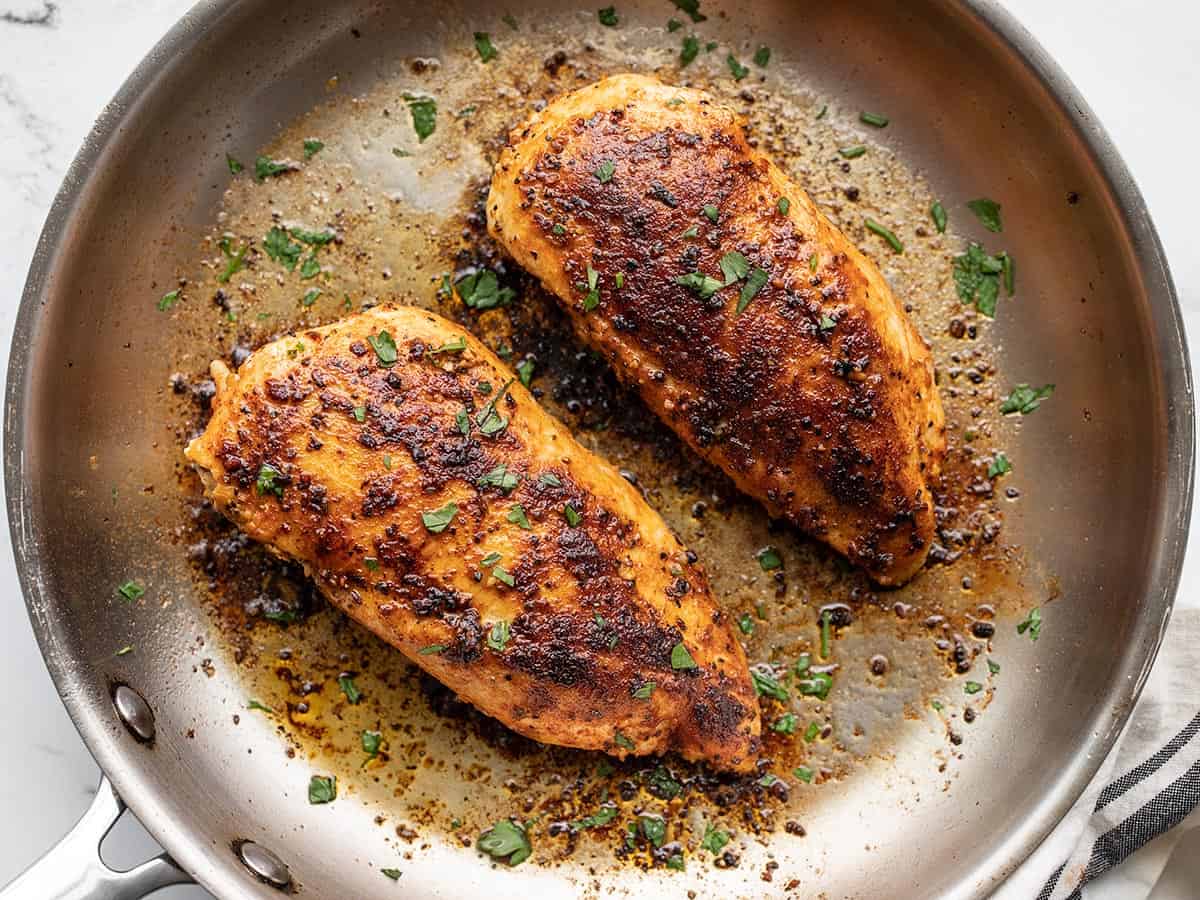
How To Cook Chicken Breast In A Pan?
Imagine transforming a humble chicken breast into a culinary masterpiece with just a simple pan. Many chefs argue that the secret to a perfect chicken breast lies in the timing and technique. These elements are crucial components to master, ensuring that every bite is tender and full of flavor.
Interestingly, chicken breast has been a staple in various cuisines for centuries, frequently favored for its lean protein. According to recent data, over 75% of home cooks prefer pan-searing to other methods. This approach not only boosts the meat's natural flavors but also allows for a quick and efficient cooking process, making it ideal for busy professionals.
- Start by patting the chicken breasts dry and seasoning them with salt and pepper.
- Heat a non-stick pan over medium-high heat and add a small amount of olive oil or avocado oil.
- Place the chicken breasts in the hot pan, cooking for 6-7 minutes on one side without moving them.
- Flip the chicken breasts and cook for another 6-7 minutes, ensuring both sides are golden brown and crisp.
- Check the internal temperature with a meat thermometer; it should read 165°F for doneness.
- Remove from pan and let rest for a few minutes before serving to retain juices.
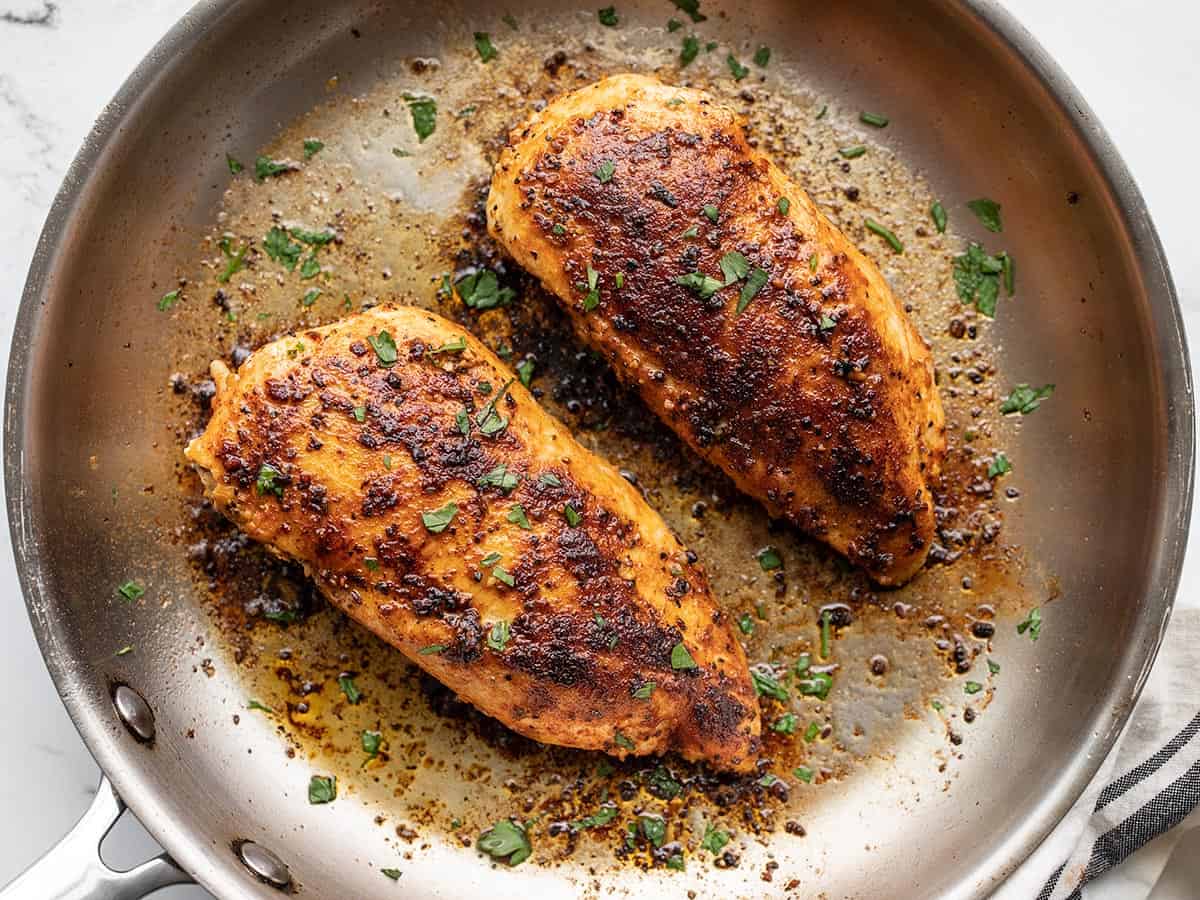
The Essential Equipment for Cooking Chicken Breast in a Pan
Having the right equipment can make cooking chicken breast in a pan much easier. First, you need a good quality non-stick pan. This ensures the chicken cooks evenly and doesn't stick to the surface.
You'll also need a few kitchen utensils. A sturdy spatula helps flip the chicken without tearing the meat. Additionally, a pair of tongs can be useful for handling the chicken.
A meat thermometer is essential for checking the doneness. It ensures the chicken reaches the safe temperature of 165°F. This prevents overcooking or undercooking.
Lastly, having a lid for your pan can be advantageous. It helps trap the heat, cooking the chicken more evenly. This is especially useful for thicker cuts.
Selecting the Perfect Chicken Breast for Pan Cooking
Selecting the right chicken breast ensures your dish will be flavorful and tender. Different types of chicken breasts have unique characteristics. Understanding these will help you make the best choice.
Choosing between Boneless and Bone-in
Boneless chicken breasts are quick to cook and widely available. They are ideal if you're in a hurry. Bone-in breasts, however, retain more moisture, offering a juicier result.
Bone-in chicken breasts take longer to cook. But they are often more flavorful. This option is better for recipes where flavor depth is critical.
You can also remove the bones yourself. This combines the benefits of both types. Consider the time you have before deciding.
Fresh vs. Frozen – Which is Best?
Fresh chicken breasts are convenient and ready to use. They usually have a better texture. However, they need to be used quickly before they spoil.
Frozen chicken breasts offer longer storage. This is handy for meal planning. Thaw them properly for optimal texture.
Quality can vary among brands. Always check the labels. Look for additives or sodium content before purchasing.
Organic, Free-Range, or Conventional Chicken Breast?
Organic chicken breasts are raised without antibiotics. They often have more stringent farming standards. This can mean a purer taste and better health benefits.
Free-range chicken is allowed to roam freely. This method aligns with more humane practices. It can also affect the texture and flavor positively.
Conventional chicken breasts are more affordable. They are widely available but may lack the quality of organic or free-range. Always weigh your options based on quality and budget.
Preparation Techniques for Chicken Breast
Properly preparing chicken breast is crucial for a delicious meal. Thawing the chicken correctly can make a significant difference. It's best to thaw it in the refrigerator overnight.
Marinating is another essential step. A good marinade adds flavor and tenderness. For best results, let the chicken sit in the marinade for a few hours.
If you want even more tenderness, consider using a meat tenderizer. Pounding the chicken breast to an even thickness helps it cook uniformly. This prevents parts of the chicken from being overcooked or undercooked.
Finally, pat the chicken breast dry with paper towels. Removing excess moisture ensures a good sear when cooking. This step is key to achieving crispy, golden-brown skin.
Pan-Seared Chicken Breast Recipe
For a simple yet delicious meal, pan-searing chicken breast is a great choice. Start with boneless, skinless chicken breasts for ease. Pat them dry to remove any moisture.
Season the chicken breasts generously with salt and pepper. You can also add other spices like garlic powder, paprika, or herbs. This will enhance the flavor significantly.
Heat a non-stick pan over medium-high heat. Add a small amount of oil once the pan is hot. Place the chicken breasts in the pan and let them cook undisturbed for 6-7 minutes on one side.
Flip the chicken breasts using a spatula or tongs. Cook the other side for another 6-7 minutes. Ensure both sides are golden brown and crispy.
Check the internal temperature using a meat thermometer. It should read 165°F for safety. Let the chicken rest for a few minutes before serving to lock in the juices.
Optimal Cooking Time for Pan-Seared Chicken Breast
Cooking time for pan-seared chicken breast is crucial to get it just right. The general rule is 6-7 minutes per side on medium-high heat. This ensures the chicken is cooked thoroughly without drying out.
Thickness plays a significant role in cooking time. Thicker pieces need a bit more time on each side. If your chicken breast is very thick, consider pounding it to an even thickness.
Using a meat thermometer is highly recommended. The internal temperature should reach 165°F. This guarantees your chicken is safe to eat.
Don't forget to rest the chicken after cooking. Let it sit for 5 minutes before cutting. This lets the juices redistribute, making the chicken more flavorful.
If you notice the chicken browning too quickly, reduce the heat. This prevents it from burning while ensuring it's cooked through. Adjusting heat is key to perfect pan-seared chicken breast.
Common Mistakes to Avoid When Cooking Chicken Breast in a Pan
Avoiding common mistakes can make a big difference in your chicken breast's taste and texture. One major mistake is not heating the pan properly. Always preheat your pan to ensure even cooking.
Another common error is over-flipping. Let the chicken cook on one side without disturbance. Flipping it too often can cause uneven cooking and loss of juices.
Using too much oil is another pitfall. You only need a thin layer to prevent sticking. Excessive oil can make the chicken greasy and affect the final flavor.
Skipping the rest time is a critical mistake. After cooking, allow the chicken to rest for a few minutes. This helps retain the juices, making the meat more delicious.
Lastly, don't rely solely on visual cues. Always use a meat thermometer to check doneness. An internal temperature of 165°F ensures the chicken is safe to eat.
Side Dishes to Serve with Pan-Seared Chicken Breast
Pairing your pan-seared chicken breast with the right side dish can elevate your meal. Vegetables make an excellent choice. They're not only healthy but also complement the flavors of the chicken.
A simple side salad is always a hit. Use fresh greens, cherry tomatoes, and a light vinaigrette. This adds a refreshing balance to your meal.
- Steamed broccoli or green beans
- Roasted Brussels sprouts
- Sautéed spinach with garlic
If you're in the mood for something heartier, consider starches. Mashed potatoes are a classic favorite. You can also try roasted sweet potatoes for a unique twist.
- Garlic mashed potatoes
- Oven-roasted sweet potato wedges
- Creamy polenta
Grains like rice and quinoa are versatile options. They absorb flavors well and can be seasoned to taste. Lemon herb rice or quinoa pilaf pairs wonderfully with chicken breast.
Keeping Your Pan-Seared Chicken Breast Healthy
When cooking chicken breast in a pan, health should be a priority. Using the right type of oil makes a difference. Opt for heart-healthy oils like olive oil or avocado oil.
Seasoning plays a crucial role in keeping the dish healthy. Avoid using too much salt. Instead, use herbs and spices to add flavor without increasing sodium.
Another tip is to remove the skin from the chicken breast. Skinless chicken breast reduces calorie and fat intake. This makes your meal leaner and healthier.
Pair your chicken breast with nutrient-dense side dishes. Vegetables, whole grains, and legumes provide essential vitamins and minerals. These choices enhance the overall nutritional value of your meal.
Finally, cook your chicken breast thoroughly but avoid overcooking. Overcooking can make the chicken dry and less appetizing. Maintain juiciness to preserve nutrients and flavor.
Frequently Asked Questions
Here are some common questions about cooking chicken breast in a pan. Get the answers you need to make your dish perfect every time.
1. What type of oil is best for pan-searing chicken breast?
The best oils for pan-searing chicken breast are olive oil and avocado oil. Both have high smoke points, ensuring they don’t burn easily during cooking. These oils also add a subtle flavor to the chicken that enhances its taste.
You can also use other high smoke point oils like grapeseed or sunflower oil if you prefer. Avoid using butter alone as it burns quickly, but it can be used mixed with oil for added flavor. The right choice of oil helps create a golden brown and crispy exterior on your chicken breast.
2. Should I marinate the chicken breast before cooking?
Yes, marinating the chicken breast adds extra flavor and tenderness to the meat. A marinade made with acidic ingredients, such as lemon juice or vinegar, helps break down muscle fibers, making the meat more tender.
You should marinate the chicken for at least 30 minutes, but for best results, let it sit in the marinade for a few hours or overnight in the refrigerator. This process not only enhances taste but also prevents dryness during cooking. Use herbs and spices in your marinade for an even richer flavor profile.
3. Can I use frozen chicken breasts directly for pan-searing?
No, it's not recommended to cook frozen chicken breasts directly without thawing them first. Thawing ensures the meat cooks evenly and reduces health risks associated with undercooked poultry.
The safest way to thaw frozen chicken breasts is by leaving them in the refrigerator overnight. If you're short on time, you can use the defrost function on your microwave or place them in a sealed bag submerged in cold water until thawed completely.
4. How do I avoid overcooking my chicken breasts?
Avoid overcooking by using a meat thermometer to check doneness accurately—the internal temperature should reach 165°F (75°C). Keeping an eye on cooking time is also crucial; typically, 6-7 minutes per side works well depending on thickness.
If your pan-seared chicken browns too quickly on the outside yet remains raw inside, lower your heat slightly and cover with a lid towards finishing time—this helps cook through without burning exterior surfaces while retaining moisture within.
5. What sides pair well with pan-seared chicken breasts?
You have several options when choosing sides that complement this dish perfectly! Steamed veggies like broccoli or green beans provide healthy nutrients while balancing rich flavors from cooked poultry nicely together overall meal experience enhanced greatly through thoughtful side selection choices remaining key focus area here today always ultimately winning no matter preference style dietary restrictions factored into account planning ahead accordingly beforehand generally speaking overall success depends upon ensuring well-rounded enjoyable culinary creation accomplished satisfying every palate involved along entire journey itself naturally leading gratifying end result everyone enjoys fully!
Conclusion
Cooking chicken breast in a pan can yield delicious, juicy results when done correctly. By selecting the right chicken, using proper preparation techniques, and paying attention to cooking times, you can create a meal that's both nutritious and appetizing. Avoiding common mistakes ensures that your chicken will be perfectly cooked every time.
Pairing your chicken breast with healthy sides and following these steps guarantees a well-rounded dish. Remember to experiment with different marinades and oils to add variety. With these expert tips, you'll master pan-searing chicken breast like a pro, delighting your family and guests with your culinary skills.
