How To Choose The Best Apples For Baking Pies Crisps And Crumbles?
Imagine sinking your fork into a perfectly baked apple pie, the balance of sweet and tart flavors exploding on your taste buds. The secret to such culinary delight lies in choosing the best apples. Not every apple variety is created equal when it comes to baking pies, crisps, and crumbles.
The most significant aspect to consider is the apple’s firmness and flavor profile. Varieties like Granny Smith and Honeycrisp are popular for their ability to hold up well under heat, ensuring your dish doesn't turn into mush. According to a USDA report, Americans consumed 16.61 pounds of fresh apples per person in 2019, highlighting the importance of selecting the right apple for every dish.
- Identify the specific apple varieties that are known for baking, such as Granny Smith and Honeycrisp, due to their firm texture and balanced flavor.
- Check for firmness when selecting apples to ensure they hold shape during baking.
- Mix different apple types to combine sweet, tart flavors and improve texture complexity.
- Prioritize fresh, in-season apples for optimal taste by sourcing from local orchards if possible.
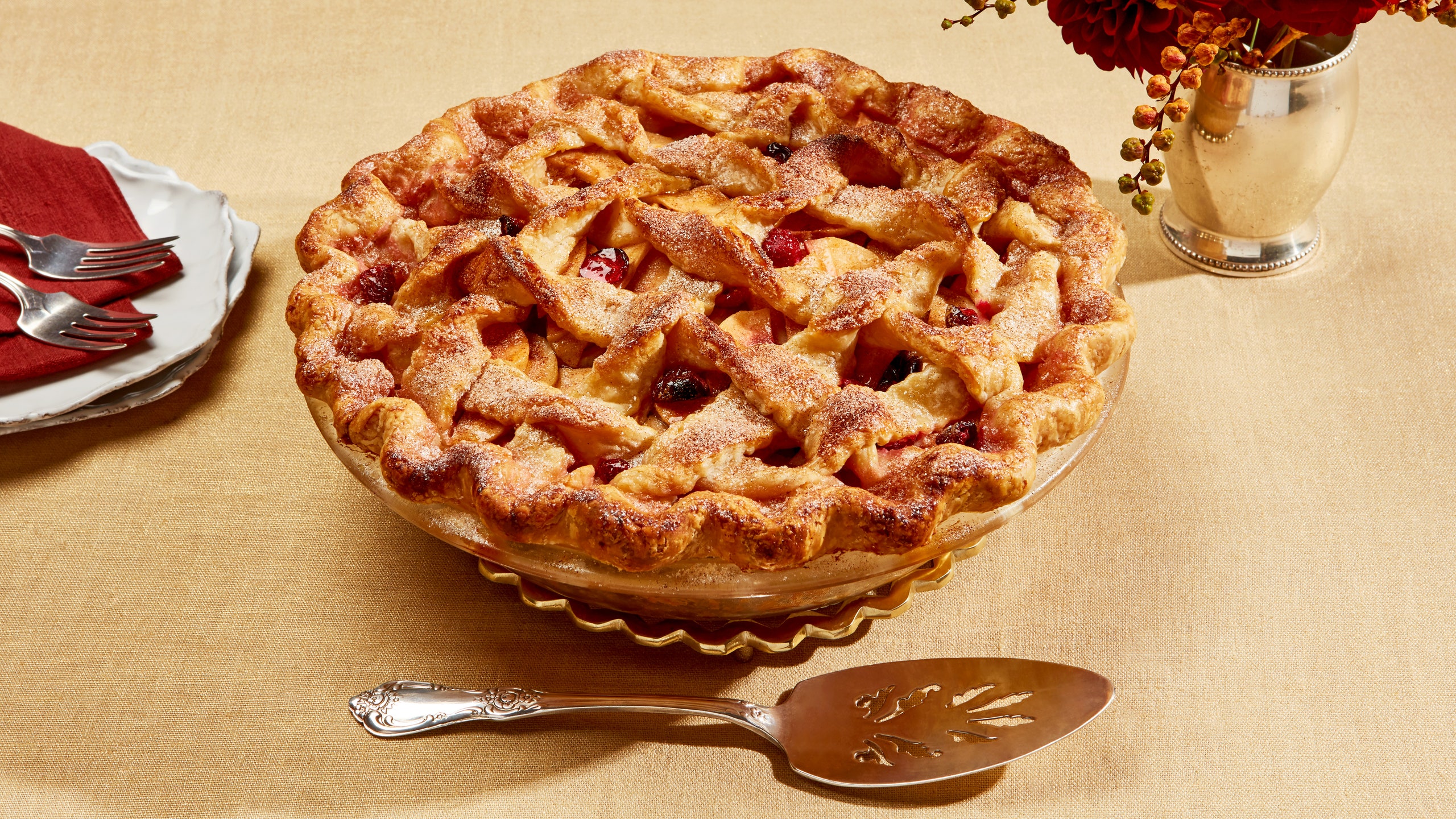
Identifying the Types of Apples for Baking
When it comes to baking, not all apples perform the same. Some apples stay firm, while others turn mushy. Choosing the right type of apple can greatly impact your dish's texture and flavor.
The most popular apples for baking include Granny Smith, Honeycrisp, and Braeburn. These apples are known for their ability to hold up well during cooking. They provide a good balance of sweetness and tartness.
Different apples have different levels of sweetness and acidity, which can affect the overall taste of your baked goods. Using sweet varieties like Fuji or Golden Delicious can add a natural sweetness to your pies and crumbles. On the other hand, tart apples like Jonathan or Rome can provide a pleasant contrast.
It’s also beneficial to mix multiple types of apples in one recipe. Combining varieties like Jonagold and Cortland can create a more complex flavor.
- Granny Smith: Firm and tart
- Honeycrisp: Sweet and crisp
- Braeburn: Balanced flavor
Why Firmness is Important
Firm apples are essential for maintaining texture during baking. They don’t break down as easily under heat. This ensures your pie or crisp has a pleasant bite.
Apples like Granny Smith and Honeycrisp are ideal because they retain their shape. This prevents your dish from becoming too mushy. The firm texture also allows for even cooking.
If you choose softer apples, the end result might be a bit of a mess. Avoid using varieties like Red Delicious. They tend to become overly soft and lose their form.
Flavor Profile Considerations
Apples have various flavor profiles, from sweet to tart. Understanding these profiles can help you choose the best apples for your recipe. Sweet apples can complement sugary desserts, while tart apples can balance out the sweetness.
For instance, Fuji apples are very sweet, making them great for desserts that require less added sugar. In contrast, Granny Smith apples add a sharp, tart flavor. This can be ideal for balancing heavily sweetened recipes.
Combining different apples can also create a more nuanced flavor. A mix of sweet and tart can provide the perfect balance, enhancing both sweetness and complexity.
Availability and Cost
When deciding on the types of apples to use, consider their availability and cost. Apples like Granny Smith and Fuji are generally available year-round. They are also reasonably priced, making them accessible options.
Seasonal varieties, like Honeycrisp, might be more expensive but worth it for their unique flavor. Availability can vary based on your location. Visiting local orchards or markets can often yield a wider selection.
Cost shouldn't dictate your choice entirely, but it's an important factor. Balancing between common and specialty varieties can help you stay within budget.
- Granny Smith: Affordable and available year-round
- Honeycrisp: Seasonal but flavorful
The Importance of Firmness in Baking Apples
Firmness in apples plays a crucial role when baking pies, crisps, and crumbles. It ensures that the apples hold their shape and maintain a pleasant texture. Without firmness, apples can become mushy during baking, ruining the consistency of your dish.
Why Firm Apples Matter
Firm apples are essential because they provide a consistent texture. They do not break down as quickly under heat. This characteristic is particularly important for recipes that require long baking times.
Granny Smith and Honeycrisp are excellent examples of firm apples suitable for baking. These apples maintain their shape, ensuring that each bite has a delightful texture. Their firmness also helps evenly distribute flavors throughout the dish.
On the other hand, using soft apples can result in a soggy mess. Softer apples like Red Delicious tend to disintegrate under heat. This makes them less ideal for baked dishes, compromising the overall quality.
Balancing Firmness and Flavor
While firmness is key, flavor should not be overlooked. Combining firm apples with flavorful ones can result in a well-balanced dish. This approach lets you enjoy the best of both worlds.
For example, mixing Granny Smith with Fujis provides both firmness and sweetness. The tartness of Granny Smith complements the natural sweetness of Fuji apples. This blend enhances the flavor complexity of pies and crisps.
It's also beneficial to experiment with different combinations. Doing so allows you to find the perfect balance for your taste preferences. By mixing various apple types, you can create unique and delicious results.
Preparing Firm Apples for Baking
Proper preparation is essential to making the most of firm apples. Start by washing and peeling the apples. This step removes any wax or pesticides, ensuring a clean base for your recipe.
Next, cut the apples into even slices. Uniform slices help in even cooking and ensure consistent texture across the dish. Keep the slices relatively thick to maintain firmness.
Lastly, consider pre-cooking the apples slightly before baking. This technique can help them soften just enough while retaining their structure. It's a useful trick to achieve the desired balance of firmness and tenderness in your baked goods.
Choosing the Right Flavor for Your Baked Dishes
Selecting the ideal apple flavor can significantly enhance your baked dishes. Sweet apples like Fuji and Golden Delicious add a natural sweetness, reducing the need for extra sugar. On the other hand, tart varieties like Granny Smith offer a sharp contrast that's perfect for balancing flavors.
Combining different apple types can create a more complex and delicious profile. A mix of sweet and tart apples brings out the depth in your pie or crumble. This combination can elevate even the simplest of recipes by adding layers of flavors.
Consider the recipe when choosing apple varieties. For sugary desserts, opt for sweeter apples to match the sweetness.
- Fuji: Very sweet and juicy
- Golden Delicious: Mellow sweetness
- Granny Smith: Tart and crisp
Your local options may vary depending on the season. Some varieties might not be available year-round. Visit local markets or orchards for a diverse selection of apples suitable for any baked dish.
Understanding the Role of Juiciness in Baked Apple Dishes
Juiciness in apples dramatically affects your baked goods. Juicy apples can add moisture and enhance the flavors of pies, crisps, and crumbles. However, too much juice can make the dish soggy.
Balancing the juiciness of apples is essential. Granny Smith and Honeycrisp have perfect juiciness for baking. They add the right amount of moisture without turning your dish into a watery mess.
Using a mix of juicy and firm apples can work wonders.
- Granny Smith: Perfectly tart and moderately juicy
- Honeycrisp: Sweet and incredibly juicy
- Jonagold: Sweet-tart with high juiciness
Be mindful of adding extra liquids like water or juice. If using a juicy apple, reduce other liquid ingredients to maintain balance. This prevents your baked dish from becoming overly wet.
Sometimes, preparing juicy apples requires additional steps. You can pre-cook them slightly to reduce excess water. This ensures they retain their flavor and texture during the baking process.
Seasonal and local variations in juiciness can affect results. Apples picked fresh from an orchard often have more juice. Check your apples before baking to ensure they fit your recipe’s needs.
Using Multiple Apple Varieties in One Dish
Using multiple apple varieties in one dish can elevate the flavors and textures. Combining different types allows for a balance of sweet and tart flavors, enhancing the complexity of your baked goods. It also adds a variety of textures, making the dish more interesting.
Mixing apples like Granny Smith and Honeycrisp can provide the perfect blend. Granny Smith apples are tart and firm, ideal for structure. Honeycrisp apples, on the other hand, are sweet and juicy, adding moisture and natural sweetness.
The combination isn't limited to just two types. You can use several apple varieties to create a layered flavor profile.
- Granny Smith: Tart and firm
- Honeycrisp: Sweet and juicy
- Fuji: Very sweet and crisp
- Jonagold: Sweet with a touch of tartness
Experimenting with different apple combinations can result in unique and delicious baked goods. Each apple brings its own set of characteristics to the table. This allows for endless possibilities in your baking adventures.
Using a mix of apples also caters to different taste preferences. Some people prefer a sweeter dessert, while others enjoy a bit of tartness. By incorporating multiple varieties, you can satisfy a wider range of palates.
Lastly, mixing apples can also be a practical choice. If one variety is out of season or too expensive, you can use what's available and still achieve fantastic results. This flexibility makes your recipes easier to adapt throughout the year.
Freshness Matters: Picking and Storing Baking Apples
Freshness is key when it comes to baking apples. Fresh apples ensure better flavor and texture in your baked dishes. Picking the best apples starts by carefully examining their appearance and firmness.
When selecting apples, look for those without blemishes or bruises. The skin should be smooth and vibrant. Firm apples are usually fresher and better suited for baking.
Proper storage is crucial to maintaining apple freshness. Store apples in a cool, dark place, ideally in your refrigerator’s crisper drawer. This can extend their shelf life and keep them crisp until you’re ready to bake.
It’s also helpful to separate apples from other fruits. Apples emit ethylene gas, which can speed up the ripening process of other produce.
- Refrigerate in a crisper drawer
- Keep them away from other fruits
- Check them regularly for signs of spoilage
If you buy apples in bulk, consider freezing some for later use. Slice and core the apples, then store them in airtight bags. This method helps you enjoy fresh-tasting apples year-round.
By prioritizing freshness and proper storage, you ensure your baked apple dishes are always top-notch. Using fresh apples enhances taste and texture, resulting in the best possible culinary creations.
The Impact of Seasonality on Apple Selection
Seasonality plays a significant role in apple selection. A fresh, in-season apple offers the best flavor and texture. Out-of-season apples may lack these qualities, affecting your baked dishes.
Different apple varieties peak at different times of the year. For example, Honeycrisp apples are usually available in the fall. In contrast, Fuji apples can often be found year-round.
Choosing seasonal apples can also be more cost-effective. Apples that are in season tend to be cheaper and more plentiful.
- Fall: Honeycrisp, Jonagold
- Winter: Fuji, Braeburn
- Year-round: Granny Smith
The availability of certain varieties can vary depending on your location. Local orchards might offer unique types not found in supermarkets. Visiting these places can add diversity to your baking options.
Using seasonal apples supports local farmers and reduces carbon footprint. It’s a sustainable choice that benefits both you and the environment. This practice ensures that you're using the freshest ingredients possible.
If an apple variety you prefer is out of season, frozen or canned options are viable alternatives. These methods preserve some of the fruit's quality and flavor. Just make sure to adjust your recipes accordingly to account for any changes in texture or moisture content.
Experimenting with Apple Varieties in Your Recipes
Experimenting with different apple varieties can open new culinary doors. Each type of apple offers unique flavors and textures that can transform your baked dishes. Mixing and matching them helps create unique and delicious results.
You might start with a recipe that calls for a specific type of apple. Try substituting half the recommended variety with another type. For example, blend tart Granny Smith with sweet Golden Delicious.
Consider the characteristics of each apple. Firmness and juiciness can affect the outcome of your dish.
- Granny Smith: Tart and firm
- Golden Delicious: Sweet and soft
- Honeycrisp: Juicy and crisp
If you enjoy a sweeter pie, opt for apples like Fuji or Gala. For a more balanced flavor, mix tart and sweet varieties. This can result in a more complex taste and a delightful texture.
Don't be afraid to try less common apple varieties. Local markets and orchards often carry unique types. Experimenting with these can add a special touch to your baking.
By being adventurous with apple varieties, you can continually refine and improve your recipes. Each experiment can lead to a tastier, more satisfying result. It makes baking feel like a fun and creative process.
Frequently Asked Questions
Baking with apples requires choosing the right types to maximize flavor and texture. Here are some common questions and detailed answers to help guide your apple selection process.
1. What are the best apples for making an apple pie?
Granny Smith and Honeycrisp apples are excellent choices for making an apple pie. Granny Smith's tartness balances the sweetness of sugar, while Honeycrisp adds a juicy crunch.
Additionally, these apples hold their shape well during baking, preventing the pie filling from becoming too mushy. Mixing both varieties can result in a more complex and enjoyable flavor profile.
2. Can I use any type of apple for baking?
You can use various types of apples for baking, but some will deliver better results than others. Firm apples like Braeburn, Jonagold, and Golden Delicious are generally recommended because they hold up well under heat.
Softer apples like Red Delicious may turn mushy when baked, affecting dish texture. Combining different firm and flavorful apples is often best for optimal taste and consistency.
3. How should I store my baking apples?
Baking apples should be stored in a cool, dark place to maintain their freshness. The refrigerator is ideal; place them in the crisper drawer to extend their shelf life.
Avoid storing apples near other fruits like bananas since they emit ethylene gas that speeds up ripening. This method will keep your baking apples fresh and ready for your next recipe.
4. Is it better to peel or not peel apples before baking?
Peeling or not peeling depends on personal preference and the recipe you're using. For smoother textures like in pies or crisps, it's advisable to peel the apples.
The skin can become tough during cooking, which might affect the dish's overall mouthfeel. However, leaving the skin on can add a bit of extra texture and fiber to more rustic baked dishes.
5. Do different apple varieties affect how much sugar I need to add?
Yes, different apple varieties have varying levels of sweetness which can impact how much sugar you need to add. Sweeter varieties like Fuji may require less sugar compared to tart varieties like Granny Smith.
Tasting your mixture before finalizing your recipe allows you to adjust sweetness levels appropriately without overdoing it on the sugar content.
Conclusion
Selecting the best apples for baking can make a significant difference in your pies, crisps, and crumbles. By understanding the unique qualities of various apple varieties, you can elevate your baked goods to new levels of flavor and texture. Mixing different types can create complex and delightful desserts.
Remember to consider factors like firmness, flavor, and juiciness when choosing your apples. Keeping apples fresh through proper storage ensures they are ready for baking whenever inspiration strikes. These tips will help you consistently create delicious and impressive baked apple dishes.
