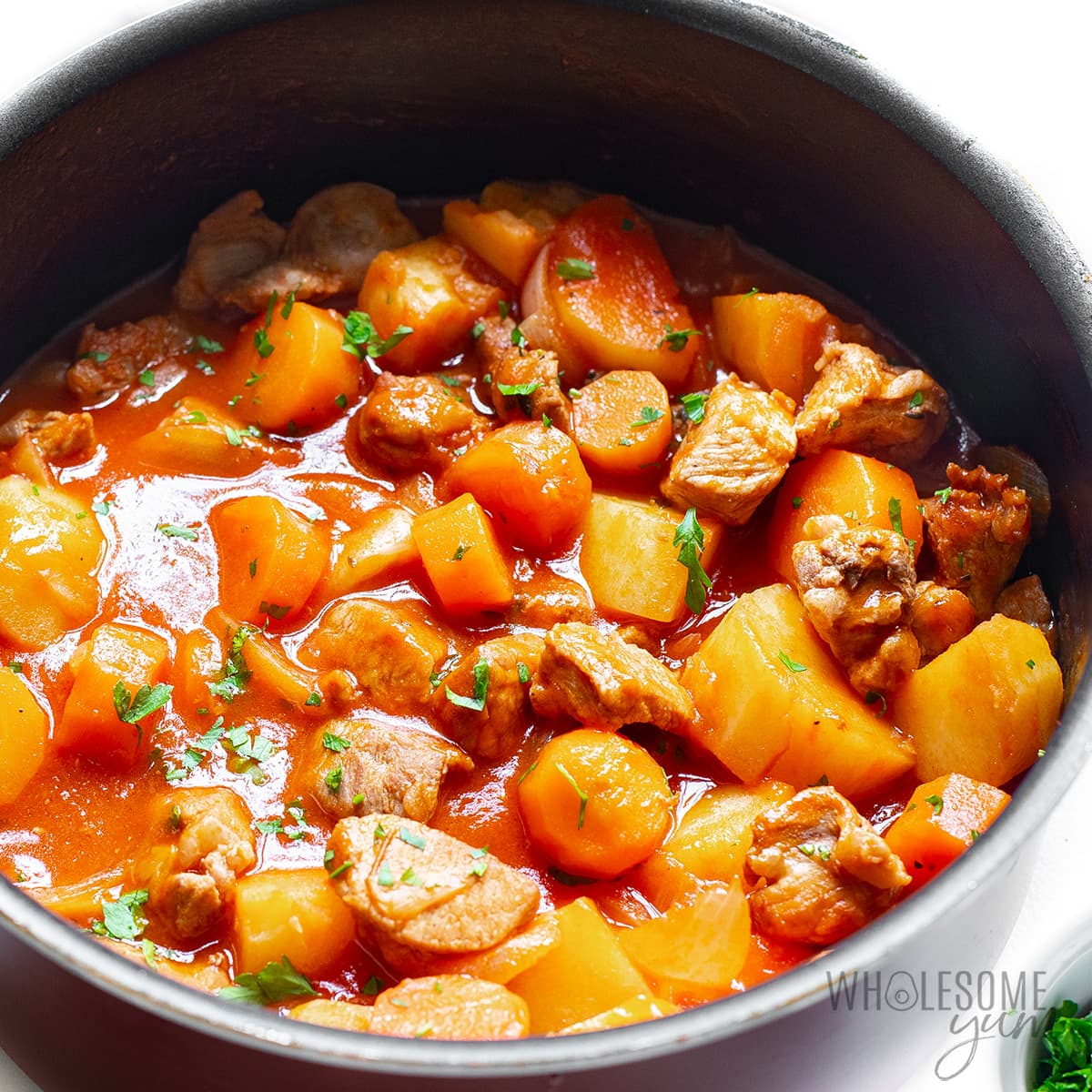
Easy Pork Stew
Imagine transforming a few simple ingredients into a hearty, soul-warming dish that has been cherished for generations. Easy Pork Stew achieves precisely this by combining tender chunks of pork with a medley of vegetables, creating a symphony of flavors. Its simplicity and versatility make it a household favorite, adaptable to various culinary traditions.
Originating from rustic cuisines around the world, Pork Stew has been a staple meal for centuries. This dish offers an impressive 25 grams of protein per serving, satisfying nutritional needs while remaining delicious. Its comforting and hearty nature makes it an ideal solution for a nourishing meal, especially during colder months.
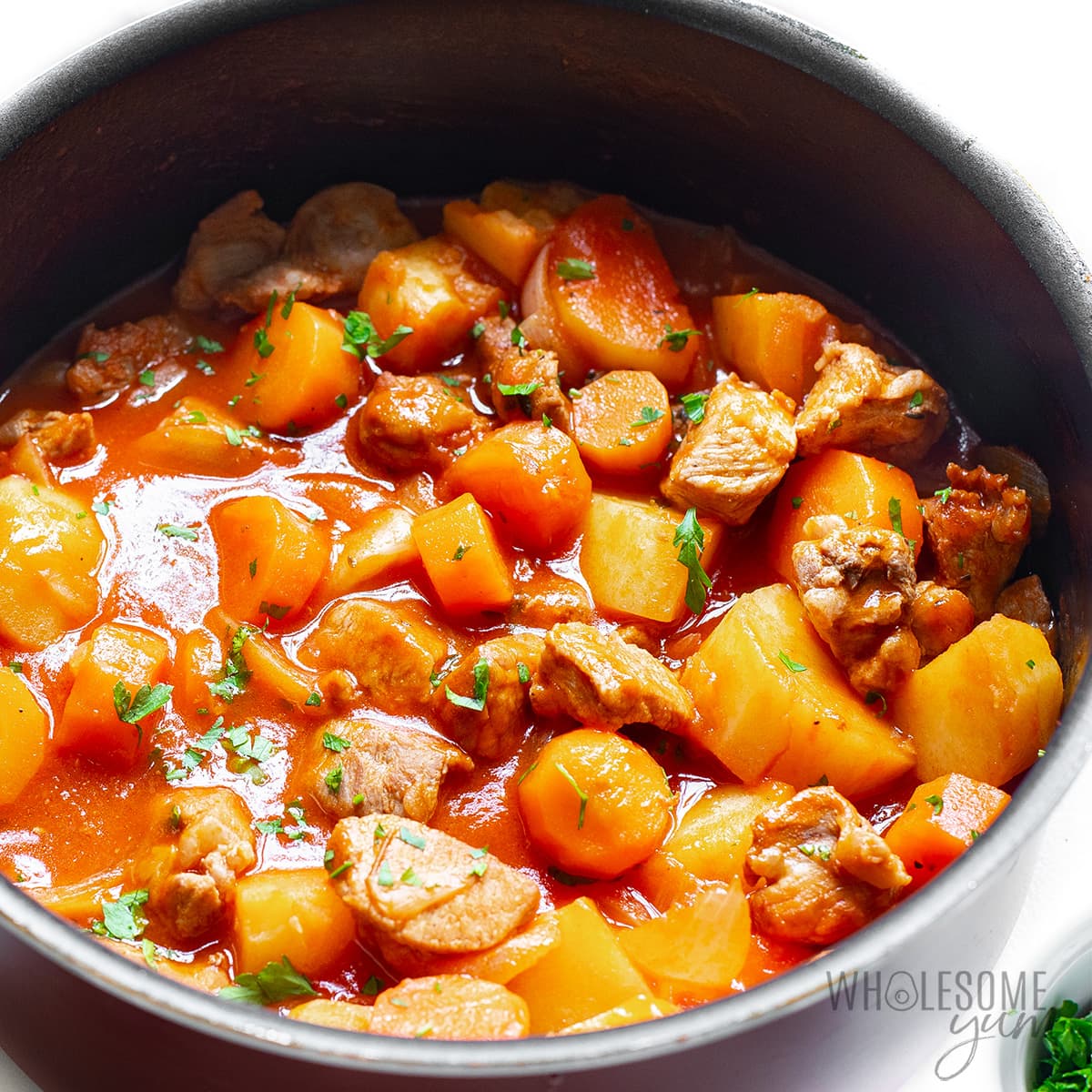
The Origin and Popularity of Pork Stew
Pork stew has an interesting history that spans centuries and continents. Many believe it originated from humble beginnings, as peasant food that utilized tough cuts of meat. Today, it's a beloved dish in many cultures, celebrated for its rich flavors and heartiness.
One reason for its widespread popularity is its adaptability. Pork stew can be tailored to fit the local flavors and ingredients, making it a versatile meal. From Europe to Asia, numerous variations have emerged, each bringing something unique to the table.
In France, pork stew often incorporates wine and herbs, resulting in a complex, savory flavor profile. In contrast, Chinese versions might feature soy sauce and ginger, offering a delightful, slightly sweet twist. Such diversity ensures that pork stew remains a favorite globally.
A key factor in pork stew's enduring popularity is its simplicity and nutritional value. Packed with protein and vegetables, it serves as a complete meal. Additionally, it's a comforting dish, perfect for cold nights or family gatherings.
European Variations of Pork Stew
European pork stews often include robust ingredients like root vegetables and heavy seasonings. For example, Hungary's famous goulash is a rich stew blending pork with paprika and potatoes. These stews are not only hearty but also deeply satisfying.
In Italy, pork stew might be cooked with tomatoes, giving the dish a tangy sweetness. This variation often includes other vegetables like zucchini and carrots. The result is a wholesome meal bursting with Mediterranean flavors.
Pork stews from Germany often feature beer as a key ingredient. This adds depth and complexity to the dish, with the subtle bitterness of the beer balancing the meat's richness. Served with bread or dumplings, it's a quintessential comfort food.
Asian Variations of Pork Stew
Asian pork stews often showcase a blend of sweet and savory flavors. In the Philippines, pork adobo combines soy sauce, vinegar, garlic, and bay leaves to create a unique taste. This dish is typically served over rice, making it a flavorful and satisfying meal.
Korean pork stew, or gamjatang, includes pork bones, potatoes, and spicy chili paste. This stew is known for its spicy kick and complex flavor. It's a popular dish, especially during the colder months, offering warmth and comfort.
Japanese pork stew, known as tonjiru, features miso broth, tofu, and a variety of vegetables. The miso adds a rich umami flavor, making the stew deeply savory. It's a nutritious and comforting dish enjoyed by many.
Nutritional Benefits of Pork Stew
Pork stew is not only delicious but also packed with nutrients. The pork provides a high protein content, which is essential for muscle growth and repair. Additionally, the vegetables add vitamins and minerals, contributing to a balanced diet.
Many pork stews also incorporate broth, which is rich in collagen. Collagen is beneficial for joint health and skin elasticity. Therefore, consuming pork stew can support overall wellness.
The dish is typically low in carbohydrates while being high in fiber. This makes it a good option for those looking to maintain or lose weight. Plus, the combination of ingredients in pork stew aids in keeping you full and satisfied for longer periods.
The Nutritional Values of Pork Stew
Pork stew is not just delicious; it's also nutritious. This hearty dish offers a mix of essential nutrients that benefit your overall health. From protein to vitamins, pork stew is packed with good stuff.
Protein Content in Pork Stew
The primary source of protein in pork stew is, of course, the pork itself. Protein is crucial for muscle repair and growth, making this dish excellent for an active lifestyle. A single serving of pork stew can provide a significant portion of your daily protein needs.
Besides pork, the stew often includes beans, which are another good protein source. This combination ensures you get ample protein from different types of food. It’s an easy way to meet your dietary requirements.
Different pork cuts used in the stew can vary the protein content. Therefore, choosing the right cut can help you maximize your protein intake. Pork shoulder and pork loin are often recommended for higher protein content.
Vitamins and Minerals
Beyond protein, pork stew contains various vitamins and minerals. The vegetables added to the stew provide essential nutrients like vitamin C, vitamin A, and potassium. These vitamins contribute to immune function and overall well-being.
Pork itself is rich in B vitamins, including vitamin B6 and vitamin B12. These vitamins are important for energy production and maintaining healthy blood cells. Adding a mix of vegetables further enhances the stew's nutritional profile.
Minerals like iron and zinc are also present in pork stew. These are vital for numerous bodily functions, including immune response and oxygen transport. Thus, consuming pork stew can support your health in multiple ways.
Low in Carbs, High in Fiber
Pork stew tends to be low in carbohydrates, making it a suitable option for those on low-carb diets. However, it's high in fiber due to the vegetables and sometimes beans or lentils included in the recipe. Fiber aids in digestion and helps keep you full longer.
Fiber also plays a key role in maintaining heart health. It can help lower cholesterol levels and regulate blood sugar. By incorporating a variety of vegetables, you can ensure that you get a good amount of dietary fiber.
Overall, pork stew is not only flavorful but also a balanced meal. Its high-fiber content paired with low carbs ensures you get the benefits without adding extra calories. Enjoy this dish knowing that you're feeding your body with nutritious ingredients.
Basic Ingredients for Cooking Pork Stew
Cooking pork stew starts with a few essential ingredients. The main component is, of course, the pork, which provides the rich, savory base for the stew. Choosing the right cut of pork is crucial, with pork shoulder often being a popular choice for its tenderness.
Vegetables are the next key component. Common choices include onions, carrots, and potatoes. These vegetables not only add flavor but also boost the stew’s nutritional value.
Broth or stock is used to create the stew’s liquid base. You can use homemade or store-bought stock, depending on your preference. Chicken or vegetable broth often works well with pork, enhancing the dish’s overall flavor.
Finally, no stew is complete without spices and seasonings. Salt and pepper are essential, but options like bay leaves, garlic, and thyme can elevate the flavor. Feel free to adjust the seasoning to suit your taste.
| Ingredient | Purpose |
|---|---|
| Pork Shoulder | Main meat |
| Onions | Flavor base |
| Carrots | Sweetness and texture |
| Potatoes | Hearty texture |
| Broth | Liquid base |
| Spices | Flavor enhancement |
- Pork Shoulder: Provides richness and tenderness.
- Onions: Add depth and sweetness.
- Carrots: Contribute a natural sweetness.
- Potatoes: Make the stew hearty.
- Broth: Forms the liquid base.
- Spices: Enhance the overall flavor.
Choosing the Right Cut of Pork for the Stew
Selecting the proper cut of pork significantly impacts the flavor and texture of your stew. Pork shoulder is a popular choice due to its high-fat content and tenderness. This cut becomes incredibly tender when slow-cooked, making it ideal for stews.
Pork butt, part of the shoulder, is another excellent option. Despite its name, it comes from the upper shoulder, offering rich marbling that adds depth to the stew’s flavor. Its slightly higher fat content ensures each bite is succulent.
For a leaner option, consider using pork loin. It has less fat but still provides a great texture when cooked properly. However, make sure to monitor cooking time to avoid drying it out.
Pork belly can also be used if you prefer an even richer stew. It has a high-fat content, contributing to a creamy texture and intense flavor. Keep an eye on the balance of fat in your stew to prevent it from becoming too greasy.
Understanding the unique qualities of each cut can help you make an informed decision. Here’s a quick comparison to guide you:
| Cut | Fat Content | Best For |
|---|---|---|
| Pork Shoulder | High | Tender, flavorful stews |
| Pork Butt | High | Rich, marbled stews |
| Pork Loin | Low | Leaner stews |
| Pork Belly | Very High | Luxuriously rich stews |
- Pork Shoulder: High fat, very tender.
- Pork Butt: Rich marbling, flavorful.
- Pork Loin: Leaner, good texture.
- Pork Belly: High fat, creamy texture.
Choosing the right cut is more than a culinary decision; it’s an art. Each cut brings its unique flavor and texture, making your pork stew a true masterpiece. Pick the one that best suits your taste preferences and cooking style.
Step-by-Step Guide to Making Classic Pork Stew
Cooking a classic pork stew involves a few simple steps. First, gather your ingredients. You'll need pork shoulder, vegetables like onions, carrots, and potatoes, broth, and a mix of spices.
Next, cut the pork into bite-sized pieces and season them with salt and pepper. Brown the pork in a large pot with some oil until it's nicely seared. This step adds depth to the flavor.
- Cut pork into bite-sized pieces.
- Season with salt and pepper.
- Brown pork in a large pot with oil.
After browning the pork, remove it from the pot and set it aside. In the same pot, sauté the chopped onions, carrots, and potatoes until they start to soften. Add garlic and sauté for another minute.
Return the pork to the pot and pour in the broth. Bring the mixture to a gentle boil, then reduce the heat to low. Add your spices, such as bay leaves, thyme, and a pinch of paprika.
| Step | Action |
|---|---|
| 1 | Return pork to the pot and add broth. |
| 2 | Bring to a gentle boil. |
| 3 | Reduce heat to low and add spices. |
Cover the pot and let it simmer for about 1.5 to 2 hours. The low and slow cooking method ensures tender meat. Stir occasionally and check the seasoning, adjusting as needed.
Once the stew is done, the pork will be tender, and the vegetables will be soft. Serve hot with some crusty bread or over rice for a complete meal. Enjoy your hearty and delicious pork stew!
Tips and Tricks for the Perfect Pork Stew
To elevate your pork stew, start by using fresh, high-quality ingredients. Fresh vegetables and well-marinated meat can significantly enhance the flavor. Quality ingredients make a noticeable difference.
Browning the meat properly is crucial. This step seals in the juices and adds a rich, deep flavor to your stew. Don't rush this step; allow the meat to form a nice crust.
- Brown the meat properly to seal in juices.
- Use fresh, high-quality ingredients.
- Don't rush; let the meat form a crust.
When adding liquid, don't drown your stew. The broth should cover the ingredients but not overwhelm them. This ensures a robust, concentrated flavor.
Seasoning is another key element. Taste as you go, adjusting the salt, pepper, and herbs. A little at a time keeps the flavors balanced.
| Tip | Importance |
|---|---|
| Use Fresh Ingredients | Enhances overall flavor |
| Brown the Meat | Adds depth |
| Controlled Liquid | Concentrates flavors |
| Balanced Seasoning | Keeps flavors in check |
Lastly, give your stew time. Letting it simmer slowly allows the flavors to meld beautifully. Patience makes all the difference in achieving a perfect, hearty pork stew.
Pairing Suggestions for Pork Stew
Pairing the right sides with pork stew can elevate your meal. Bread is a classic choice that never fails. A warm, crusty loaf can soak up the delicious broth perfectly.
If you prefer something lighter, consider a fresh green salad. The crispness of the greens complements the rich flavors of the stew. Add some tangy vinaigrette to balance out the meal.
- Warm, crusty bread
- Fresh green salad
- Tangy vinaigrette
Mashed potatoes are another excellent option. They add a creamy texture that pairs well with the tender pork and vegetables in the stew. Plus, they make the dish even more filling.
For those who enjoy grains, rice or quinoa works wonderfully. These can be served on the side or underneath the stew to absorb all those tasty juices. This adds variety and extra nutrients to your meal.
| Side Dish | Benefits |
|---|---|
| Bread | Soaks up broth |
| Green Salad | Adds crispness and balance |
| Mashed Potatoes | Adds creaminess and fullness |
| Rice/Quinoa | Nutrient-rich and absorbent |
Beverages also play a role in enhancing your dining experience. A glass of red wine or a cold beer can complement pork stew beautifully. Choose one that suits your taste preferences to complete your perfect meal.
Variations of Pork Stew Recipes Around The World
Pork stew recipes vary widely across the globe, each offering a distinct flavor profile. In France, a classic pork stew often includes wine and herbs, resulting in a rich and aromatic dish. The use of wine elevates the flavors, making each bite a delightful experience.
In the Philippines, pork adobo is a popular variation. This stew combines pork with soy sauce, vinegar, garlic, and bay leaves for a savory and slightly tangy flavor. Adobo is usually served with steamed rice, providing a comforting and satisfying meal.
Korean pork stew, known as jjigae, typically features spicy gochujang (red chili paste) and an assortment of vegetables. The heat from the gochujang adds a fiery kick, making it a favorite during colder months. This stew is often enjoyed with a side of kimchi.
- French pork stew with wine and herbs
- Philippine pork adobo with soy sauce and vinegar
- Korean jjigae with gochujang and vegetables
In Mexico, pork pozole is a beloved dish, featuring hominy and a blend of spices. The stew is slow-cooked to allow the flavors to meld beautifully. Garnished with fresh ingredients like radishes, cabbage, and lime, pozole offers a burst of flavors and textures.
Japanese buta no kakuni is another delicious pork stew variation. This dish includes pork belly simmered in soy sauce, mirin, and sugar, resulting in tender, caramelized pork pieces. It's often served with steamed rice and green vegetables.
| Country | Recipe | Main Ingredients |
|---|---|---|
| France | Pork Stew | Wine, herbs |
| Philippines | Pork Adobo | Soy sauce, vinegar, garlic |
| Korea | Jjigae | Gochujang, vegetables |
| Mexico | Pozole | Hominy, spices |
| Japan | Buta no Kakuni | Pork belly, soy sauce, mirin |
Frequently Asked Questions
Pork stew is a versatile dish enjoyed worldwide. Whether you're new to cooking or an experienced chef, these common questions and answers can help enhance your understanding and preparation of this delightful meal.
1. What is the best cut of pork for stew?
The best cut of pork for stew is typically the shoulder or butt. These cuts are well-marbled with fat, which makes them tender and flavorful when slow-cooked.
Pork shoulder and butt become incredibly soft and juicy due to their high-fat content. They can withstand long cooking times without drying out, making them ideal for stews.
2. How long should you cook pork stew?
Pork stew typically needs to simmer for about 1.5 to 2 hours on low heat. This allows the flavors to meld together beautifully while ensuring the meat becomes tender.
Crockpot versions might take longer, around 6-8 hours on low or 4-5 hours on high. Consistent low heat ensures that all ingredients are cooked thoroughly without breaking down too much.
3. Can I freeze pork stew?
Yes, you can freeze pork stew easily. Allow the stew to cool completely before transferring it into airtight containers or freezer bags.
The frozen stew can last up to 3 months in the freezer. When ready to eat, thaw it overnight in the refrigerator and reheat on the stove until it's piping hot.
4. What vegetables work best in pork stew?
Classic choices include carrots, potatoes, and onions because they hold up well during long cooking times without becoming mushy.
You can also add other veggies like celery, bell peppers, or peas towards the end of cooking for added texture and flavor diversity.
5. Can I use other liquids instead of broth?
Absolutely! Wine, beer, or even water with bouillon cubes can substitute broth in your pork stew recipe. Each liquid imparts its unique flavor profile to the dish.
Avoid using milk-based liquids as they might curdle during cooking. Experiment with different options to find what suits your taste preferences best.
Conclusion
Crafting a perfect pork stew combines simplicity with skill, making it a staple in many kitchens around the globe. Its versatility, rich flavors, and nutritional benefits make it an ideal choice for professionals seeking both comfort and nourishment. With countless variations, you can always discover new ways to enjoy this hearty dish.
By selecting the right ingredients and following essential cooking techniques, anyone can create a delicious pork stew. Whether you prefer a traditional approach or experimenting with global variations, the possibilities are endless. Embrace the art of making pork stew and delight in its timeless appeal.
