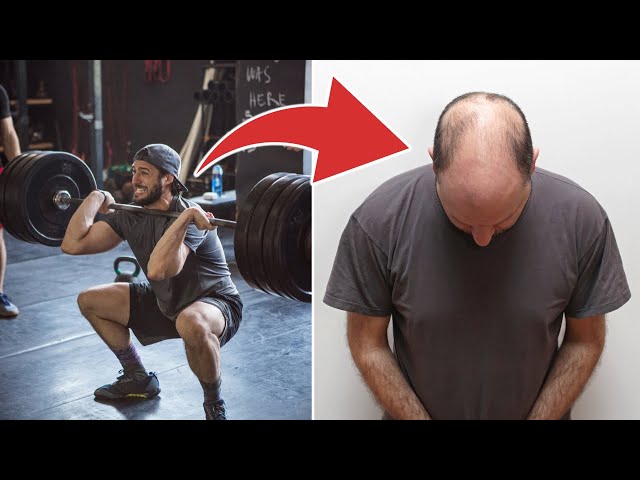
Does Weight Lifting Cause Hair Loss?
In the world of fitness, concerns about hair loss due to weight lifting often pop up, leaving many feeling both puzzled and alarmed. The connection between intense physical activity and hair thinning is an unexpected dilemma for some, merging aesthetics with health. Do these fears hold any scientific weight, or are they merely myths circulating among gym-goers?
While anecdotal accounts might suggest a link, the majority of scientific evidence indicates that weight lifting does not directly cause hair loss. However, factors like hormonal changes and genetic predisposition play more critical roles. It is essential to recognize that managing stress and maintaining a balanced diet can be key in mitigating hair loss for fitness enthusiasts.
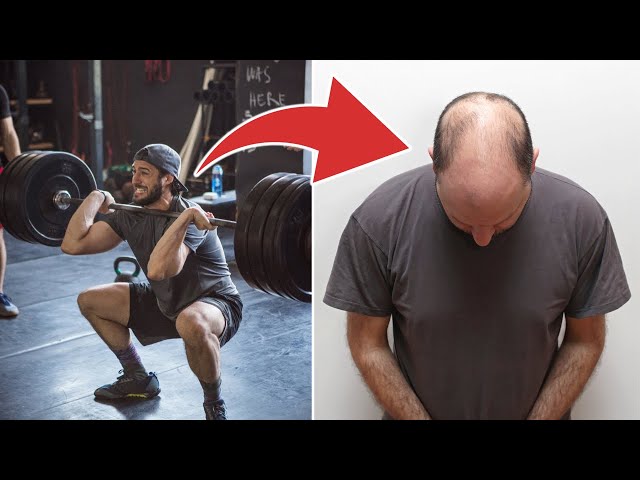
Exploring the Connection Between Hair Loss and Weight Lifting
Weight lifting is a popular way to build muscle and stay fit, but some believe it causes hair loss. This idea creates fear among fitness enthusiasts. So, is there a real link between lifting weights and losing hair?
Several scientific studies suggest no direct connection between weight lifting and hair loss. However, it's crucial to consider the role of hormones. Intense workouts can change hormone levels.
Increased testosterone from weight lifting can convert to DHT, a hormone linked to hair loss. Genetics play a significant role too. People with a family history of hair loss may be more affected.
Stress also contributes to hair loss, and intense exercise can be stressful. Proper rest and a balanced diet help manage stress. Ensuring these can keep your hair and body healthy.
The Science Behind Hair Loss
Hair loss is a common issue influenced by various factors. Understanding the science behind hair loss can help identify why it happens. Let's break down the key elements involved.
The Hair Growth Cycle
Hair grows in cycles, consisting of three main phases: anagen, catagen, and telogen. Anagen is the active growth phase that lasts years. Catagen is a transitional phase, and telogen is the resting phase.
During the telogen phase, hair falls out and is replaced by new hair. It's natural to lose about 50-100 hairs daily. Disruptions in this cycle can lead to noticeable hair loss.
Factors like stress, diet, and hormonal changes can negatively impact these phases. Ensuring a healthy lifestyle can support a balanced hair growth cycle.
Hormonal Influences
Hormones are crucial in determining hair's health and growth. The hormone DHT (dihydrotestosterone) is notorious for its role in hair loss. It is derived from testosterone.
High levels of DHT can shrink hair follicles, leading to thinner hair. Genetics determine how sensitive your hair follicles are to DHT. This is why some people experience hair loss more than others.
Managing hormonal levels through diet and lifestyle can help reduce hair loss. Consider consulting a healthcare professional for personalized advice.
Genetic Factors
Genetics play a significant role in hair loss. If your family has a history of baldness, you're more likely to experience it. Male and female pattern baldness are the most common types caused by genetics.
Genes determine how your hair follicles respond to hormones like DHT. This sensitivity can lead to hair thinning and loss over time. Knowing your family's history can help you take early steps in hair care.
Proactive measures like using specialized shampoos and treatments can slow genetic hair loss. Regular consultations with a dermatologist can also provide targeted solutions.
Workouts and Hormonal Changes
Engaging in regular workouts can significantly impact your hormone levels. Intense exercise boosts testosterone and growth hormone levels, promoting muscle growth. However, these hormonal changes can sometimes affect other bodily functions, like hair growth.
Testosterone, in particular, can convert to DHT (dihydrotestosterone) during workouts. High DHT levels are linked to hair loss. This hormonal shift can make those genetically predisposed more susceptible to hair thinning.
On the flip side, regular exercise also helps reduce stress hormones like cortisol. Lowering cortisol can support overall hair health. Thus, balancing intense workouts with stress-reducing activities is vital.
Maintaining a healthy workout routine can ensure hormonal balance. Incorporating activities like yoga or meditation can help manage stress. This holistic approach can benefit both your physical and hair health.
Debunking the Myth: Weight Lifting and Hair Loss
The idea that weight lifting directly causes hair loss is a common myth. Many fear that intense physical training will lead to thinning hair. However, scientific evidence does not support this claim.
Weight lifting can slightly increase testosterone levels. An increase in testosterone might convert to DHT, linked to hair loss, but it's typically not enough to cause significant balding. Most cases of hair loss are due to genetics, not gym routines.
In people predisposed to male or female pattern baldness, DHT has a bigger impact. But even in such cases, weight lifting alone isn't the culprit. Genetics and hormonal sensitivity are key factors.
Healthy lifestyle habits play a crucial role in maintaining hair health. A balanced diet, proper hydration, and stress management can help counter hair loss risks. Adding supplements like biotin and omega-3 fatty acids may also promote hair growth.
Many fitness enthusiasts continue to lift weights without experiencing hair loss. They balance exercise with self-care practices. This shows that weight lifting and healthy hair can coexist.
So, before blaming your workout routine for hair thinning, consider other factors. Visit a dermatologist to explore the real reasons behind hair loss. Knowledge and early intervention can make a significant difference.
The Role of Stress in Hair Loss
Stress is a significant factor in hair loss. When you're under stress, your body produces more cortisol. High cortisol levels can disrupt the hair growth cycle.
Many people experience hair shedding during stressful periods. This condition is known as telogen effluvium. It can cause hair to fall out more quickly than it grows back.
Managing stress is essential for hair health. Activities like meditation, yoga, and regular exercise can lower cortisol levels. Mindfulness practices can also create a calmer state of being.
A balanced diet also helps manage stress. Foods rich in vitamins and minerals support overall health. Consider including foods like leafy greens, nuts, and fish.
Sometimes, professional help is needed to manage stress. Therapists and counselors can offer effective strategies. Seeking help early can prevent long-term effects on your health.
Combining stress management with a healthy lifestyle supports hair growth. Remember, it's not just about reducing stress but also nurturing your body. Keeping both in balance is key to maintaining healthy hair.
Nutritional Consideration for Healthy Hair
What you eat significantly impacts your hair's health. A balanced diet rich in essential nutrients can promote strong and vibrant hair. Let's explore some important dietary components necessary for healthy hair.
Protein is crucial for hair growth as hair is primarily made of protein. Foods like eggs, chicken, and beans are excellent sources. Ensuring adequate protein intake helps strengthen hair strands.
Iron deficiency can lead to hair loss. Consuming iron-rich foods like spinach, lentils, and red meat can prevent this issue. Iron helps in carrying oxygen to hair follicles, encouraging growth.
Omega-3 fatty acids promote a healthy scalp. Foods like fish, walnuts, and flaxseeds are rich in omega-3s. These nutrients can help add luster to your hair.
Vitamins like A, C, D, and E are essential for hair health. Including fruits, vegetables, and nuts in your diet ensures you are getting these vitamins. Vitamin C aids in collagen production, which strengthens hair.
Here is a list of hair-boosting nutrients:
- Protein
- Iron
- Omega-3 fatty acids
- Vitamins A, C, D, and E
When to Worry: Signs of Hair Loss
Noticing strands in your brush can be alarming, but not all hair loss is a cause for concern. Shed hair is often part of a normal hair growth cycle. However, certain signs indicate you might need to pay closer attention.
If you observe sudden or excessive shedding, it could be a red flag. Rapid thinning or patchy bald spots warrant further investigation. Consult a medical professional if you experience these symptoms.
Another sign is the presence of hair on your pillow after sleep. While some hair fall is natural, excessive amounts are not typical. This might suggest an underlying issue requiring treatment.
Itching and redness on the scalp can also signal problems. Conditions like fungal infections or dermatitis may cause such symptoms. A dermatologist can recommend appropriate treatments.
Check for these indications frequently:
- Sudden, excessive shedding
- Bald patches or rapid thinning
- Excessive hair on your pillow
- Scalp itching and redness
If these signs persist despite lifestyle changes, seek professional advice. Early detection and intervention can make a significant difference in managing hair loss. Don't hesitate to consult healthcare providers when needed.
Preventing Hair Loss: Do's and Don'ts
Preventing hair loss requires a holistic approach to your overall health. Knowing what to do and what to avoid can make a big difference. Let's explore some key guidelines.
Do's for preventing hair loss:
- Eat a balanced diet rich in protein, iron, and vitamins.
- Maintain a regular exercise routine to promote blood circulation.
- Use gentle hair care products suitable for your hair type.
- Manage stress through activities like yoga and meditation.
Don'ts for preventing hair loss:
- Avoid excessive heat styling and chemical treatments.
- Don't pull your hair tightly in styles that stress the roots.
- Avoid skipping meals or nutritional deficiencies.
- Don't wash your hair with very hot water.
Regular weight lifting does not directly cause hair loss. However, combining it with good hair care practices is essential. Ensure you hydrate well and avoid overexertion.
Consult a healthcare professional if you experience unusual hair loss. Early intervention can help address underlying issues. Following these do's and don'ts can keep your hair healthy.
Frequently Asked Questions
Understanding hair loss and its causes can be confusing. Here are some common questions about the relationship between fitness routines and hair health.
1. Can intense workouts affect my hormone levels?
Yes, intense workouts can elevate levels of hormones like testosterone and cortisol. While increased testosterone is beneficial for muscle growth, it may convert to DHT (dihydrotestosterone). Elevated DHT levels are linked to hair thinning in genetically predisposed individuals.
On the other hand, high cortisol levels from stress can disrupt the hair growth cycle. Balancing workout intensity and incorporating stress-reducing activities like yoga or meditation can help manage hormonal fluctuations effectively.
2. How does diet influence hair health during a fitness regimen?
A balanced diet rich in essential nutrients supports healthy hair growth. Protein, iron, and vitamins are critical for maintaining strong and vibrant hair. Including foods like eggs, leafy greens, legumes, and fish can promote scalp health and reduce hair loss risks.
Nutritional deficiencies can exacerbate hair thinning. For instance, low iron levels could lead to anemia-related hair loss. Ensuring a well-rounded diet is as crucial as your workout routine for optimal hair health.
3. Are there any specific supplements that can help prevent fitness-related hair loss?
Certain supplements may support healthier hair when used alongside a balanced diet and regular exercise routine. Biotin is well-known for promoting stronger hair and nails. Omega-3 fatty acids found in fish oil also contribute positively to scalp health.
Zinc and Vitamin D are vital in preventing deficiencies that might promote hair loss. Consulting with a healthcare provider before starting any new supplement ensures you meet your individual nutritional needs without overdoing it.
4. What role does hydration play in preventing hair loss during workouts?
Hydration plays a significant role in overall bodily functions, including maintaining healthy skin and scalp conditions. Adequate water intake helps facilitate nutrient transport to cells, including those responsible for generating new hairs.
A hydrated body efficiently manages stress hormone levels like cortisol while supporting optimal blood circulation to the scalp area.. Drinking at least eight glasses of water daily is recommended to maintain balance.
5* When should I seek professional advice regarding workout-induced stress or suspected hormonal imbalances affecting my head of hairs ?
If enhanced shedding persists following modifications made through lifestyle choices explained here ,times ripe contacting dermatologist analyze deeper .Underlying possible detecting possible identify specific root guiding via intervention plans formulated based empirical medical evidence optimizes resolution success rate . Don't hesitate seek expertise combating concern unnecessary waits Realized layers kristen Before cause
Conclusion
Weight lifting does not inherently cause hair loss; it's a myth built on incomplete understanding. Factors such as genetics, hormonal changes, and stress play a more significant role in hair health. Maintaining a balanced lifestyle can mitigate potential hair issues.
Professional consultation is vital if you notice signs of hair loss despite a healthy routine. Early intervention can help manage and possibly reverse hair thinning. Remember, a holistic approach, combining fitness with proper nutrition and stress management, supports both physical and hair health.
