Do Magnetic Bracelets Help With Weight Loss?
Can an accessory like a bracelet truly aid in the complex journey of weight loss? The idea is both intriguing and controversial. While magnetic bracelets have been claimed to offer health benefits such as pain relief and improved circulation, their effectiveness in weight loss remains a highly debated topic.
Magnetic therapy has ancient roots, dating back to Egypt and China, where it was believed to balance the body's energy. However, scientific evidence supporting the use of magnetic bracelets for weight loss is scarce and inconclusive. A compelling statistic shows that more than 60% of marketed health gadgets lack proper clinical validation. This highlights the need for more rigorous research before adopting such methods for weight management.
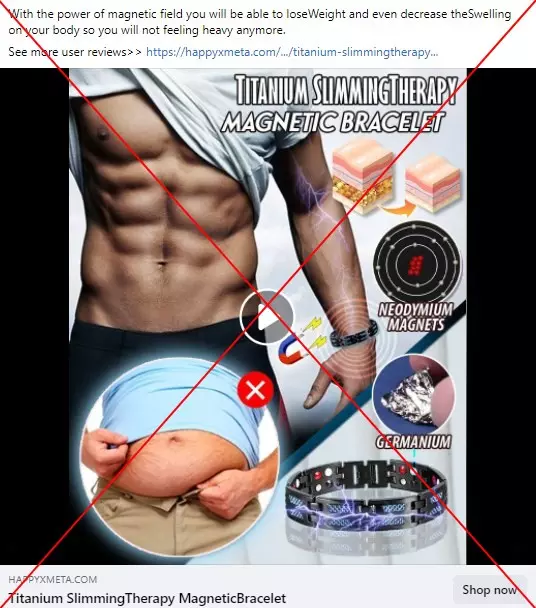
Exploring the concept of Magnetic Therapy
Magnetic therapy is an alternative medicine practice that involves using magnets to improve health. **The idea is that magnets can influence the body’s magnetic fields.** This supposedly helps with pain relief and healing.
Historically, magnets have been used for thousands of years. Both ancient Egyptians and Chinese civilizations believed in their healing properties. They thought magnets could balance life energy, or qi.
Modern magnetic therapy can include various products. Some common examples are bracelets, insoles, and pads. **These items claim to enhance circulation and reduce pain.**
However, scientific support for magnetic therapy is limited. Many studies show mixed or inconclusive results. Some people swear by it, while others see no benefits.
Understanding Magnetic Bracelets
Magnetic bracelets are a popular accessory said to offer health benefits. They contain magnets designed to interact with the body's magnetic fields. **Some people believe these bracelets can reduce pain and improve overall well-being.**
These bracelets often come in various styles and materials. You can find them made of metals like stainless steel, copper, or titanium. **They are both fashion items and therapeutic tools.**
Like other forms of magnetic therapy, the claim is that wearing these bracelets can enhance blood flow. This improved circulation is supposed to aid in pain relief and quicker healing. However, the scientific community remains skeptical.**
Most studies on magnetic bracelets show mixed results. While some users report benefits, others see no change. **This makes it essential to approach these claims with caution.**
Materials and Design
Magnetic bracelets come in a variety of materials. Common choices include stainless steel, copper, and even silicone. **The design also ranges from simple bands to intricate patterns.**
Many people choose a material based on aesthetics or personal preference. Stainless steel is durable and resists corrosion. Copper is believed by some to have additional healing properties.
High-end bracelets may incorporate precious metals like gold or silver. These options are both stylish and functional. However, there is no scientific proof that any specific material offers better health benefits.
How They Claim to Work
Magnetic bracelets are often worn on the wrist. The magnets in the bracelet are supposed to create small magnetic fields around the body. **These fields are believed to improve blood flow and energy levels.**
The idea is that these magnetic fields help the body heal faster. Proponents claim that the bracelets can reduce inflammation and ease pain. However, medical experts argue that the body's electromagnetic fields are not easily influenced by external magnets.
Despite limited scientific backing, many people still use these bracelets. User testimonials often highlight positive experiences. As always, individual results may vary.
Commercial Market and Popularity
The market for magnetic bracelets is vast. Numerous companies sell these products, both online and in stores. **They are often marketed with health claims and testimonials.**
Prices for magnetic bracelets can vary widely. Lower-end models might cost just a few dollars, while high-end versions can be much more expensive. **Marketing often focuses on the supposed health benefits rather than fashion.**
This popularity shows that many people are willing to explore alternative health options. However, making informed decisions with any health-related product is crucial. **Always research and consult professionals when in doubt.**
The Controversial Claim: Magnetic Bracelets and Weight Loss
The idea that magnetic bracelets can aid in weight loss is highly debated. Some manufacturers claim that wearing these bracelets can help shed pounds. **They suggest the magnets influence metabolic processes.**
However, scientific evidence supporting these claims is scarce. Most studies focus on pain relief and blood circulation benefits. **Weight loss effects are largely unsubstantiated by research.**
Many health experts are skeptical about these claims. They argue that no significant data proves magnetic bracelets aid weight loss. **Instead, they recommend proven methods like diet and exercise.**
Despite this, magnetic bracelets continue to attract interest. Many people are willing to try them in their weight loss journey. **This highlights the persistent allure of quick fixes and alternative therapies.**
Investigating the Science Behind the Claim
Claims about magnetic bracelets aiding weight loss often lack scientific backing. Some small studies have examined magnetic therapy, but results are inconclusive. **Most research focuses on benefits like pain relief rather than weight loss.**
One issue is the placebo effect. When people believe something will help, they might see perceived improvements. **This makes it challenging to isolate the true effects of magnetic bracelets.**
There are also concerns over study quality. Many existing studies lack rigorous controls or large sample sizes. **This limitations cast doubt on their findings.**
Scientists also argue that external magnets have minimal influence on the body's magnetic fields. Biologically, there isn’t strong evidence that magnets can affect metabolic processes. **This weakens the claim that they can aid weight loss.**
Furthermore, regulatory bodies like the FDA have not approved magnetic bracelets for weight loss. These gadgets are often sold without strict oversight. **Consumers should be cautious of health claims that lack scientific validation.**
Overall, more research is needed to confirm any legitimate benefits. Until then, conventional weight loss methods like diet and exercise remain the recommended route. **It's essential to rely on proven strategies for effective and safe weight management.**
Views of Health and Fitness Experts
Many health and fitness experts are highly skeptical about the effectiveness of magnetic bracelets for weight loss. They argue that no scientific evidence supports the claim. **Experts recommend proven methods like proper diet and exercise instead.**
Dr. Jane Smith, a nutritionist, says, "There's no magic accessory that will make you lose weight. Commitment to a healthy lifestyle is key." This perspective is echoed by many in the medical community.
Personal trainers also often dismiss the idea. John Doe, a certified fitness trainer, states, "Relying on a bracelet isn't going to replace the hard work needed to lose weight." He emphasizes exercise and balanced nutrition for effective weight loss.
However, some alternative health practitioners are more open to the idea. They believe that if something provides psychological benefits, it might indirectly aid weight loss. **This is a more holistic approach, considering mental well-being.**
A few users report positive experiences with magnetic bracelets, though these are anecdotal. The majority of experts remain unconvinced. **They caution against relying solely on such devices for significant health changes.**
Analysing Marketed Health Gadgets
Many health gadgets flood the market, claiming various benefits. From magnetic bracelets to electric massagers, these devices promise quick fixes. **However, not all gadgets live up to their claims.**
One common issue is the lack of scientific validation. Many of these products are marketed with little to no clinical backing. **This makes it hard for consumers to know what really works.**
Furthermore, regulatory oversight is often minimal. Products can be sold without rigorous testing or approval. **This poses risks, especially for health-related items.**
Despite this, the market for such gadgets remains lucrative. Companies invest heavily in advertising and influencers. **This creates a strong appeal, especially for those seeking easy solutions.**
Consumers should exercise caution and do thorough research. Consulting with healthcare professionals is also advised. **An informed decision can help avoid unnecessary expenses and potential health risks.**
Ultimately, while some gadgets may offer benefits, relying solely on them is not advisable. Proven methods like proper diet and regular exercise should not be ignored. **Critical thinking is key when navigating the world of health gadgets.**
Should You Use Magnetic Bracelets for Weight Loss?
Deciding whether to use magnetic bracelets for weight loss involves several considerations. **The scientific evidence supporting their effectiveness is limited.** Many experts recommend more proven methods.
First, evaluate if the claims align with your health goals. While magnetic bracelets might offer some psychological benefit, it's essential to pursue a balanced diet and regular exercise. **Relying solely on these accessories is not viable.**
Consultation with healthcare professionals can provide clarity. Doctors and nutritionists can offer individualized advice based on your specific needs. **They are likely to suggest evidence-based weight loss strategies instead.**
Another factor to examine is safety and regulatory approval. Many magnetic bracelets on the market lack clinical trials confirming their benefits and safety. **Always approach marketed health gadgets with caution.**
If you still wish to try a magnetic bracelet, consider it an additional tool rather than a primary solution. Using it alongside traditional weight loss practices may enhance overall motivation but will not replace the core efforts needed for effective results.
Ultimately, adopting scientifically backed methods ensures healthier and more sustainable outcomes in the long run. Critical thinking and professional advice should guide your choices in weight management.
Alternative Proven Weight Loss Strategies
Instead of relying on magnetic bracelets, consider proven weight loss strategies. **These methods have scientific backing and are recommended by health professionals.** Proper nutrition and regular exercise are key.
Healthy eating habits are crucial. Focus on a balanced diet rich in fruits, vegetables, and lean proteins. **Reducing processed foods and controlling portion sizes can make a big difference.**
Exercise is another essential component. Engage in activities like walking, running, or swimming. **Aim for at least 30 minutes of moderate exercise most days of the week.**
Behavioral changes also aid in weight loss. Keep a food diary, set realistic goals, and celebrate small victories. **These actions help maintain motivation and track progress.**
- Stay hydrated by drinking plenty of water.
- Get adequate sleep to support overall health.
- Consider a support group or weight loss program for accountability.
Consulting with healthcare professionals can provide personalized advice. They can help design a weight loss plan that fits your lifestyle and needs. **Rely on expert guidance to ensure safe and effective weight loss.**
Frequently Asked Questions
Magnetic bracelets have been marketed for various health benefits, including pain relief and improved circulation. But there are many questions about their effectiveness and impact on weight loss.
1. How do magnetic bracelets claim to work?
Magnetic bracelets claim to work by improving blood flow and balancing the body's natural energy fields. They often feature small magnets embedded in the bracelet, which are said to interact with the body's own magnetic fields.
However, scientific evidence supporting these claims is limited. Most studies focus more on placebo effects rather than proving any measurable improvements in health or well-being.
2. Are there any side effects of wearing magnetic bracelets?
The majority of users do not report significant side effects. Some individuals may experience skin irritation where the bracelet contacts their skin, especially if they have sensitive skin types or allergies to certain metals.
No major adverse effects are generally associated with wearing these types of bracelets. However, individuals with implanted medical devices like pacemakers should avoid using them due to potential interference.
3. Can magnetic therapy replace traditional medical treatments?
No, magnetic therapy should not be considered a replacement for traditional medical treatments. While some people may notice relief from certain symptoms, it is important to consult professional healthcare providers for accurate diagnoses and evidence-based treatments.
Reliance solely on alternative therapies could delay proper treatment and potentially worsen health conditions over time. Always prioritize professional medical advice alongside complementary methods like magnetic therapy.
4. What other benefits do proponents of magnetic bracelets mention?
Proponents usually mention better sleep, reduced inflammation, and enhanced energy levels as additional benefits. They may also claim improvements in overall joint flexibility and muscle strength due to enhanced blood circulation provided by the magnets.
Anecdotal evidence often highlights that these benefits vary greatly among users. Therefore, individual experiences can differ significantly based on personal expectations and conditions treated.
5. Are there alternative methods proven for weight loss that experts recommend?
Experts widely recommend methods such as balanced diets rich in fruits and vegetables combined with regular exercise routines tailored to individual needs for effective weight management.
Cognitive-behavioral strategies like setting realistic goals and keeping daily food journals can further aid efforts towards sustainable weight loss without reliance on gadgets like magnetic bracelets lacking substantial scientific proof of efficacy.
Conclusion
Magnetic bracelets continue to be a topic of debate among health and fitness enthusiasts. Their potential benefits for weight loss are largely unsupported by scientific evidence. **Experts recommend focusing on proven methods such as balanced nutrition and regular exercise for effective weight management.**
While some individuals may find psychological or placebo benefits, it's crucial to approach these gadgets with caution. Consulting healthcare professionals and relying on evidence-based practices will always ensure safer and more sustainable results. **In the end, a holistic approach to health remains the best strategy.**
