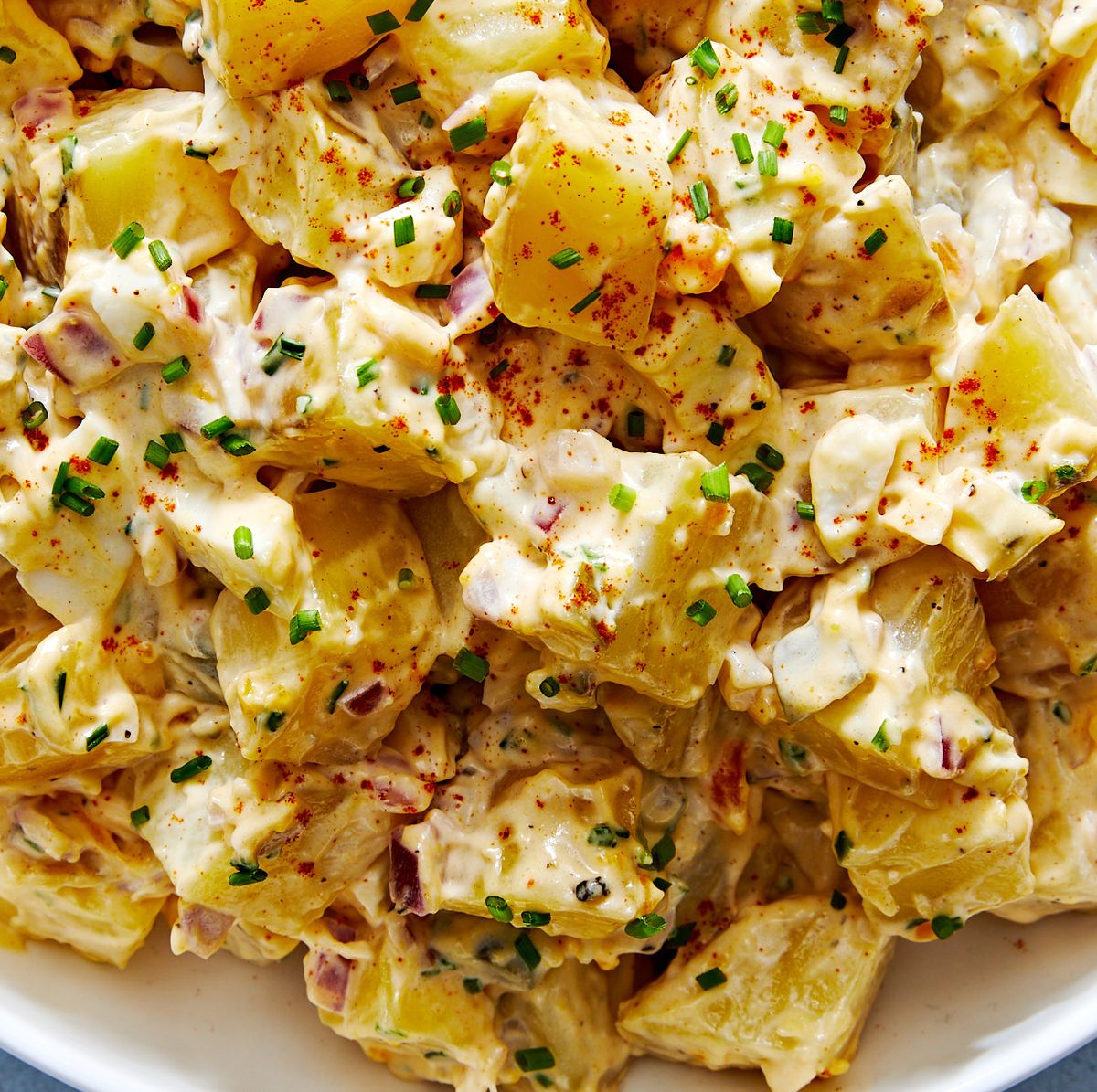
Best Potato Salad
When it comes to creating the best potato salad, the devil is truly in the details. You might be surprised to learn that the texture of the potato, whether waxy or starchy, can dramatically alter the dish's outcome. Imagine transforming a humble picnic side into a gourmet experience with just a few subtle changes.
The origins of potato salad can be traced back to 16th-century Europe, yet it remains a staple in modern summer menus. According to the National Potato Council, Americans consume approximately 6 million pounds of potato salad during Memorial Day weekend alone. This speaks to the dish's enduring appeal and the importance of getting it just right.
- Use Yukon Gold or red potatoes for the best texture.
- Incorporate a mix of mayonnaise and Dijon mustard for a balanced, tangy dressing.
- Add crunch with finely chopped celery and red onions.
- Include fresh herbs like dill or parsley for extra flavor.
- Season well with salt, pepper, and a splash of apple cider vinegar.
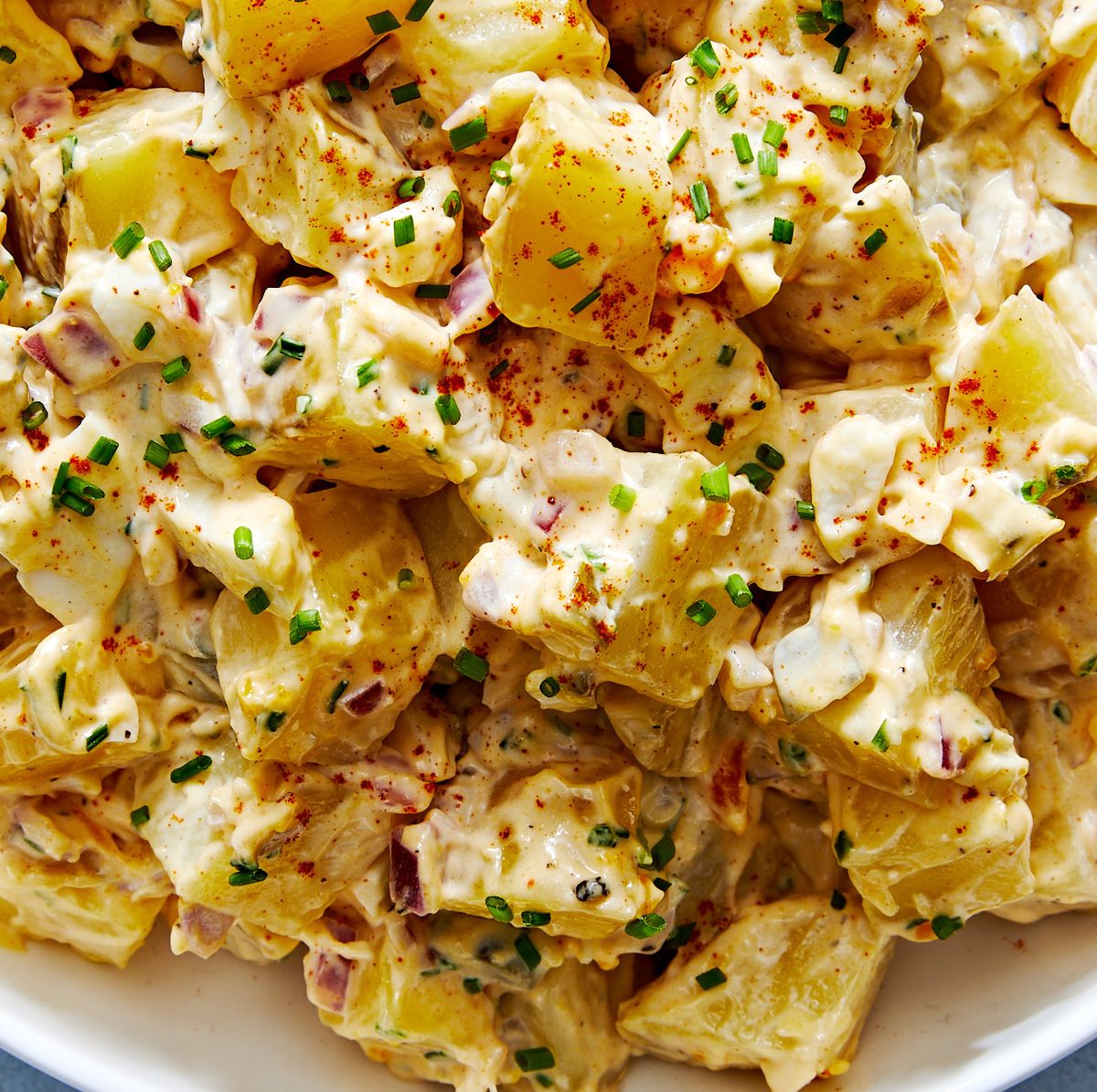
The Origins of Potato Salad
Potato salad has a rich history dating back to the 16th century. The dish originated in Europe, possibly introduced by Spanish explorers who brought back potatoes from their New World adventures. Over time, it spread across the continent, with each region putting its own spin on the recipe.
By the 19th century, potato salad had become popular in Germany and made its way to America with European immigrants. German potato salad, made with vinegar and bacon, offered a sharp contrast to the creamy versions enjoyed in the United States. These variations highlight the diversity in potato salad recipes.
Interestingly, the modern American version of potato salad often includes mayonnaise. This ingredient wasn't always part of the dish; early American recipes used oil-based dressings. The inclusion of mayonnaise became more common in the early 20th century.
Today, potato salad is a staple at picnics and barbecues across the world. Its versatility allows for countless adaptations, making it a beloved dish for many different cultures. Whether it's part of a summer cookout or a festive holiday meal, potato salad continues to delight people of all ages.
Early European Variations
The first European potato salads were quite simple. They often included just potatoes, vinegar, oil, and some herbs. These early recipes laid the foundation for more complex variations.
French versions sometimes added mustard to create a tangy flavor. Italians might incorporate olives and capers for a Mediterranean twist. Each country adapted the basic recipe to suit local tastes and available ingredients.
These early adaptations still influence today's potato salads. The basic combination of potatoes and dressing remains, but the additional ingredients can vary widely. This makes the dish endlessly customizable.
German Influence on Potato Salad
German potato salad typically includes vinegar, bacon, and onions. This version balances tangy and savory flavors. It's often served warm, unlike the chilled American variety.
German immigrants brought their recipes to the United States in the 19th century. Their influence can be seen in American recipes featuring both vinegar and mayonnaise-based dressings.
The German style remains popular in many parts of the U.S. Especially in regions with strong German heritage, such as the Midwest. This adds yet another layer of diversity to the dish.
Modern Adaptations
Modern potato salad recipes reflect global influences. Ingredients like avocado, yogurt, and exotic spices are now common. These updates keep the beloved dish relevant.
This evolution showcases the adaptability of potato salad. Whether it's a traditional family recipe or a new culinary experiment, the core elements remain intact.
The continuous innovation ensures that potato salad remains a favorite. From classic to contemporary, there's a version for everyone to enjoy. This adaptability proves its timeless appeal.
What Makes the Best Potato Salad
The best potato salad strikes a perfect balance between creamy and tangy elements. It combines the right type of potatoes with a well-seasoned dressing. These factors come together to create a harmonious dish.
Key ingredients like mayonnaise, mustard, and vinegar play crucial roles. The choice of mix-ins such as celery, onions, and herbs adds texture and flavor. Each ingredient should complement the others.
Temperature is also important. While some varieties are best served warm, many people prefer their potato salad chilled. Properly cooling the salad before serving can enhance its flavors.
Personal touch is where the magic happens. Adding unique spices or family recipe ingredients can make your potato salad stand out. This ensures every bite is memorable.
Choosing the Right Potatoes
The type of potato you use can make or break your salad. Waxy potatoes like Yukon Golds hold their shape well. They offer a firm texture that's perfect for salad.
Starchy potatoes, like russets, can get mushy if overcooked. However, some people prefer their softer texture. Experimenting with different potatoes can help you find your favorite.
A mix of both waxy and starchy potatoes can result in a unique texture. This combination can offer the best of both worlds. It adds complexity to the dish.
The Perfect Dressing
The dressing is the heart of any potato salad. A classic blend includes mayonnaise, mustard, and vinegar. This creates a creamy and tangy base.
Some people like to add a bit of pickle juice for extra tang. Others prefer a touch of honey for sweetness. Finding the right balance is key.
For a healthier option, Greek yogurt can replace some or all of the mayonnaise. This not only lowers the calorie count but adds a slight tang. It's a versatile ingredient.
Add-Ins and Garnishes
Add-ins can elevate the flavor profile of your potato salad. Common choices include diced celery, onions, and hard-boiled eggs. Fresh herbs like dill and parsley can add a burst of freshness.
Crispy bacon bits or grated cheese can provide a nice contrast in texture. These elements make the salad more interesting. Don't hesitate to get creative.
Garnishes are the final touch. Sprinkle some paprika or chives on top for a vibrant look. These small touches can make a big difference.
The Science Behind Choosing the Right Potatoes
Choosing the right potatoes for your salad is crucial. Not all potatoes are created equal, and their textures can vary greatly. Understanding this helps you achieve the best results.
Waxy potatoes like red potatoes and Yukon Golds have firm flesh. They hold up well during boiling, keeping their shape. This makes them ideal for salads where you want potato chunks.
On the other hand, starchy potatoes such as russets break down more easily. They absorb flavors well but can become mushy. This texture is sometimes preferred for creamy potato salads.
A mix of waxy and starchy potatoes can offer a balanced texture. This combination allows you to enjoy both firmness and creaminess. Experimenting with blends can lead to delicious discoveries.
Key Ingredients for a Superior Potato Salad
The foundational ingredient for any potato salad is, of course, the potatoes. Choose a variety that suits your desired texture. Waxy potatoes hold their shape, while starchy potatoes create a creamy texture.
Mayonnaise serves as the primary dressing base for most potato salads. Its rich and creamy consistency brings together all the flavors. Some people prefer to mix in a bit of sour cream or yogurt for extra tanginess.
For a burst of flavor, add mustard. Both Dijon and yellow mustard work well, offering a sharp, pungent taste that complements the potatoes. A little goes a long way, so add it to taste.
Freshness is key when adding vegetables and herbs. Diced celery, onions, and pickles add crunch and texture. Herbs like dill, parsley, and chives bring a refreshing note to the dish.
Don't forget to season generously with salt and pepper. Proper seasoning enhances the flavors and makes the dish more enjoyable. Perk it up with a dash of paprika or cayenne if you like some heat.
Mix-ins can make your salad stand out. Hard-boiled eggs, bacon bits, and cheese chunks can turn a simple potato salad into a hearty dish. These ingredients provide richness and complexity.
Classic Potato Salad Recipe
A classic potato salad recipe starts with perfectly boiled potatoes. Cut them into bite-sized pieces for easy mixing. Once cooked, allow the potatoes to cool.
For the dressing, combine mayonnaise, mustard, and vinegar. This mixture provides the creamy and tangy base the salad needs. Adjust the proportions to match your taste.
Add some crunch with diced celery and onions. These ingredients give the salad texture and a slight bite. Fresh herbs like dill and parsley can add an aromatic touch.
Season generously with salt and pepper. Proper seasoning brings out all the flavors in the dish. A dash of paprika can add a bit of color and extra flavor.
Mix everything together gently to avoid mashing the potatoes. Let the salad chill in the refrigerator for at least an hour. This allows the flavors to meld.
- 5-6 medium potatoes
- 1 cup mayonnaise
- 2 tablespoons mustard
- 1 tablespoon vinegar
- 2 stalks celery, diced
- 1 small onion, diced
- Fresh herbs like dill or parsley
- Salt and pepper to taste
- Dash of paprika
Serve chilled and enjoy the delightful, balanced flavors. This classic potato salad is sure to be a hit at any gathering.
Innovative Twists on the Classic Potato Salad
For a Mediterranean twist, add olives, feta cheese, and cherry tomatoes to your potato salad. These ingredients bring a vibrant flavor and color. A sprinkle of oregano can elevate the dish.
If you love spicy food, try incorporating jalapeños and hot sauce. These add a fiery kick to the classic recipe. Balance the heat with a dollop of sour cream or avocado.
Consider a unique flavor by adding smoked salmon and capers. This gives the salad a sophisticated touch. The salty, smoky flavors pair excellently with the creamy dressing.
For those interested in healthier options, substitute the mayonnaise with Greek yogurt. This not only lowers the calorie count but adds a refreshing tang. You can also mix in some baby spinach or arugula for added nutrients.
Experiment with fresh and zesty flavors by adding lemon zest and fresh herbs like mint or basil. These ingredients can make the dish feel light and refreshing. They work exceptionally well for summer picnics.
- Olives, feta cheese, cherry tomatoes
- Jalapeños, hot sauce, sour cream, avocado
- Smoked salmon, capers
- Greek yogurt, baby spinach, arugula
- Lemon zest, mint, basil
These innovative twists can transform your potato salad. Feel free to get creative with your ingredients. Every addition brings a new and exciting taste to this classic dish.
Nutritional Benefits of Potato Salad
Potatoes are a rich source of vitamins and minerals. They provide potassium, vitamin C, and vitamin B6. These nutrients support overall health and well-being.
The use of fresh vegetables like celery and onions adds fiber to the dish. Fiber aids in digestion and keeps you feeling fuller longer. This makes potato salad not only delicious but also satisfying.
If Greek yogurt is used as a base instead of mayonnaise, the salad gains additional protein. Protein is essential for muscle repair and growth. It can make the dish more nutritious without compromising on taste.
Add-ins like herbs bring antioxidants to your plate. Antioxidants help fight free radicals in the body. Fresh dill, parsley, or chives are excellent choices.
- Potassium: Supports heart health
- Vitamin C: Boosts immunity
- Fiber: Aids digestion
- Protein: Builds muscle mass
- Antioxidants: Fights free radicals
Certain versions of potato salad are lower in calories. Using light dressings or low-fat ingredients can keep it healthy. Customizing the recipe allows you to enjoy its flavors while maximizing nutritional benefits.
The balance of carbohydrates and proteins makes it great for energy levels. Perfect for picnics or as a side dish for active days. With thoughtful ingredient choices, potato salad can be both tasty and good for you.
Pairing Suggestions with Potato Salad
Potato salad is a versatile dish that pairs well with many foods. Barbecued meats are a classic choice. The smoky flavors of grilled chicken, beef, or pork complement the creamy salad beautifully.
For a lighter pairing, consider serving it with grilled seafood. Salmon, shrimp, and even grilled fish bring a fresh contrast. The acidity of a lemon or lime squeeze ties the flavors together.
Vegetarian options are also excellent companions to potato salad. Grilled vegetables like zucchini, bell peppers, and asparagus add a nice texture. The charred veggies balance the creaminess of the salad.
To round out a summer picnic, include some fresh sandwiches. Turkey or ham sandwiches with crisp lettuce and tomatoes provide a well-rounded meal. The different textures and flavors work harmoniously.
- Barbecued meats: chicken, beef, pork
- Grilled seafood: salmon, shrimp, fish
- Vegetarian options: zucchini, bell peppers, asparagus
- Fresh sandwiches: turkey, ham, lettuce, tomatoes
Drinks also play a role in enhancing potato salad. Lemonade or an iced tea offers a refreshing contrast to the dish. For adults, a crisp white wine or light beer can elevate the meal.
Whether it’s a picnic, barbecue, or casual dinner, potato salad pairs well with various foods. These pairing suggestions can elevate your dining experience. Feel free to mix and match to suit your taste and occasion.
Frequently Asked Questions
Explore these common questions about potato salad. Whether you're a beginner or an expert, this guide offers helpful tips and insights.
1. What are the best potatoes for potato salad?
The best potatoes for potato salad are Yukon Gold and red potatoes. They both have a firm texture that holds up well during cooking.
These types of potatoes absorb flavors better than starchy varieties like russets. Their waxy consistency also keeps the salad from becoming mushy.
2. Can you make potato salad ahead of time?
Yes, you can make potato salad ahead of time, and it's often better to do so. Making it a day in advance allows the flavors to meld together more effectively.
Store the salad in an airtight container in the fridge. Just give it a good stir before serving to redistribute any dressing that has settled.
3. How do you keep potato salad from getting watery?
The key to keeping potato salad from getting watery is properly draining the potatoes after boiling them. Let them cool completely before mixing with other ingredients.
If your recipe includes ingredients like cucumbers or tomatoes, drain their excess moisture as well. This helps maintain the desired creamy texture.
4. What can you add to potato salad for extra flavor?
You can add various ingredients to enhance the flavor of your potato salad. Fresh herbs such as dill, parsley, and chives are great additions.
Bacon bits, capers, or pickles also provide interesting textures and tastes. Experimenting with different spices like paprika or cumin can add unique dimensions.
5. Is there a healthier alternative to mayonnaise for dressing?
A healthier alternative to mayonnaise is Greek yogurt. It provides a tangy flavor while reducing calories and adding protein.
You can also mix Greek yogurt with a small amount of mayonnaise or Dijon mustard for added richness without sacrificing health benefits. Avocado is another excellent option for a creamy yet healthy twist.
Conclusion
The quest for the best potato salad involves a perfect balance of ingredients and textures. From choosing the right potatoes to adding unique flavor twists, every step plays a crucial role. This attention to detail can elevate a simple dish into something extraordinary.
Experimentation and personalization are key to crafting your ideal potato salad. Whether you prefer traditional recipes or innovative adaptations, there's a version to suit every palate. So, grab your ingredients and create a potato salad that will become a cherished favorite.
