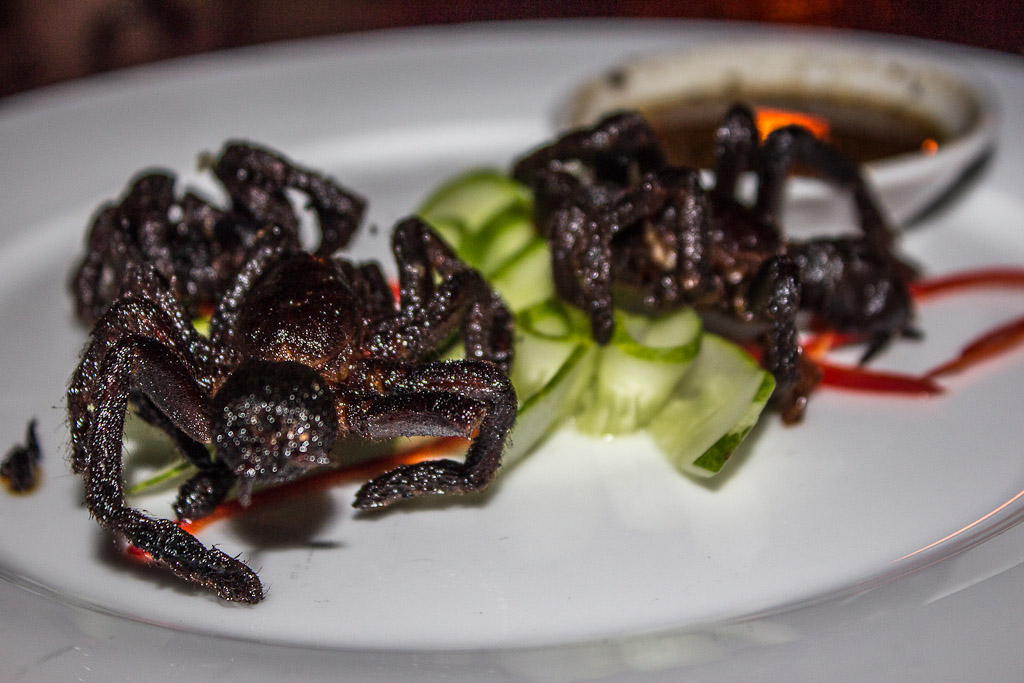
Asian Oddities The Weird Meals Youll Try At Your Own Risk
Imagine a delicacy that could make your taste buds tingle in terror. That's the thrill and trepidation of indulging in Asian oddities like century eggs, stinky tofu, and balut. These dishes, often shrouded in mystery and curiosity, challenge even the most daring eaters.
Century eggs, for example, are steeped in history, originating from ancient Chinese preservation techniques. These blackened eggs can be controversial, yet they remain a cherished staple for many. Combining this with the fact that over 40% of global stinky tofu consumption happens in Taiwan alone, it's clear these oddities have deep cultural roots and an enduring appeal.
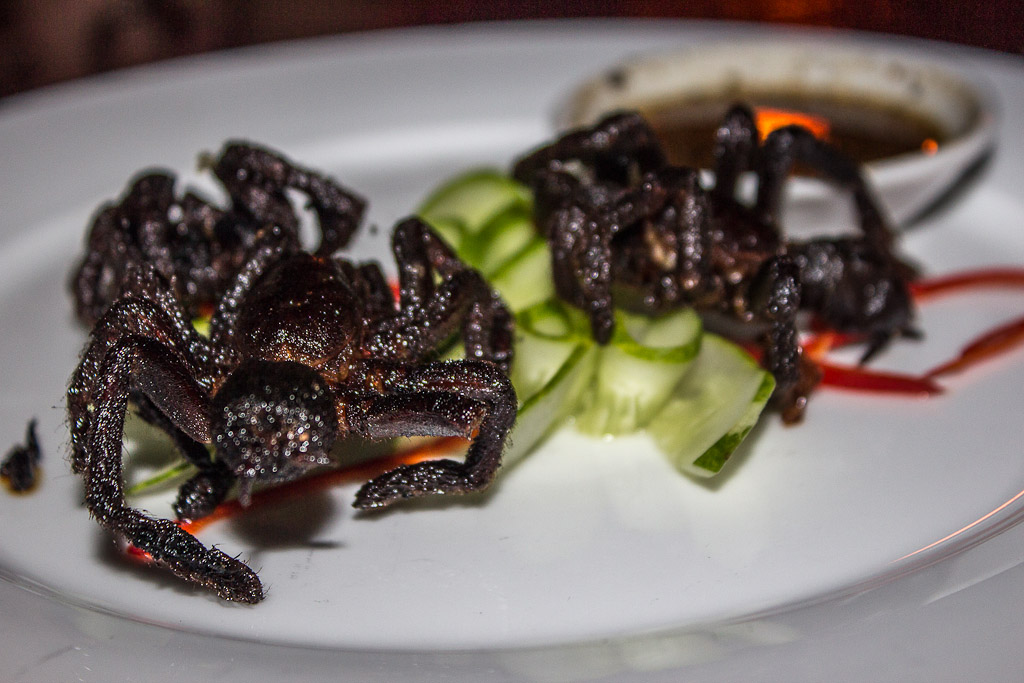
The Adventure of Asian Cuisine: Beyond the Norm
Asian cuisine offers an exciting array of flavors that push the boundaries of traditional taste. From the piquant spices of Thailand to the umami-rich dishes of Japan, every bite is a new experience. These unique meals are not for the faint-hearted.
In exploring these cuisines, you'll find ingredients that may surprise you. Some might even make you cringe. But these dishes have a deep-rooted cultural significance.
For example, fermented foods like kimchi and miso are powerhouses of flavor and nutrition. They provide a distinct, rich taste that's hard to match. Yet, they are everyday staples in their countries of origin.
Those willing to dive into Asian cuisine will uncover a world that's both challenging and rewarding. The adventurous eater is treated to centuries-old culinary traditions. It's a flavorful journey that defies expectations and norms.
Century Eggs: The Blackened Delicacy of China
Century eggs, or preserved eggs, are a cherished delicacy in Chinese cuisine. They have a unique appearance with dark green yolks and translucent black egg whites. Despite their unusual look, these eggs are steeped in tradition and history.
The Preservation Process
Century eggs undergo a unique preservation process involving clay, ash, and quicklime. The process takes several weeks to months, transforming the eggs inside out. This method preserves the eggs while giving them their distinctive flavors and textures.
The result is a creamy texture and a pungent aroma that can be surprising to first-timers. However, many people appreciate the complex flavors that develop over time. It's a true test of adventurous eating.
Cultural Significance
These eggs are more than just food in China; they are a symbol of heritage. Traditionally, they are enjoyed during special occasions like New Year celebrations and family gatherings. They also play a role in traditional Chinese medicine.
Century eggs are believed to cool the body and are often used in soups and porridges. People swear by their health benefits, although the taste might be an acquired one. These eggs reflect deep cultural roots and wisdom.
How to Enjoy Century Eggs
Century eggs can be eaten in various ways, each highlighting their unique flavor. They are often sliced and served with pickled ginger to balance their strong taste. Another popular method is adding them to congee, a type of rice porridge.
For the adventurous, they can be paired with tofu and seasoned with soy sauce and vinegar. This combination is a delicacy that showcases the versatility of century eggs. No matter how they are eaten, they offer an experience worth trying.
Stinky Tofu: A Test for the Nose and the Palate
Stinky tofu is a renowned street food in many parts of Asia, particularly in Taiwan and China. The first thing you'll notice is its strong, pungent smell. Despite this, it's a beloved dish with a huge following.
The tofu is fermented in a brine made from milk, vegetables, and meat. This fermentation process gives it its strong odor. It can take several days to weeks to reach its final, stinky form.
Texture and cooking methods also play a significant role in its flavor. It's often deep-fried until crispy on the outside but remains soft inside. Some variations include grilling or stewing it, each offering a different taste experience.
Stinky tofu is usually served with a variety of condiments. These might include pickled vegetables, soy sauce, or spicy chili oil. No matter how it’s served, it’s a dish that tests your senses.
Balut in the Philippines: A Hard Boiled Challenge
Balut is one of the most infamous delicacies in the Philippines. It's a fertilized duck egg that has been incubated for 14 to 21 days. The sight of a partially developed duck embryo can be quite a challenge to eat.
The taste, however, is what draws people back. It's often described as rich and savory, similar to a custard-like egg yolk. Despite its unappealing appearance, many swear by its flavor.
Balut is usually enjoyed as a snack or street food. Vendors often serve it with a pinch of salt and a splash of vinegar. It's also traditionally paired with a cold beer to wash down the strong flavors.
Eating balut goes beyond just tasting food; it’s an experience deeply rooted in Filipino culture. This dish symbolizes strength and courage, given its challenging nature. It’s often consumed with friends and family, making the experience communal and memorable.
Despite its unusual presentation, balut is packed with nutrients. It's high in protein, vitamins, and minerals, making it a surprisingly healthy snack. Those brave enough to try it will find that it’s an adventure worth taking.
Japan’s Pufferfish Delicacy: A Deadly Risk
Pufferfish, known as fugu in Japan, is a delicacy that comes with serious risks. The fish contains lethal toxins that can kill if not prepared correctly. Only trained and licensed chefs are allowed to serve this dish.
The preparation process is precise and meticulous. Chefs undergo rigorous training, sometimes lasting years, to become certified. Any mistake can be fatal, as the toxins are highly potent.
Despite the dangers, the taste of fugu is prized by many. It’s described as delicate and slightly chewy. Some say the thrill of eating a potentially deadly meal adds to the experience.
The fugu is often served in sashimi style, thinly sliced and arranged beautifully. This presentation highlights the chef's skill and expertise. It’s also enjoyed in hot pots or grilled.
Regulations are strict to ensure safety. The Japanese government monitors and controls every step, from fishing to serving. This makes dining on fugu both a culinary and regulatory adventure.
Korea’s Live Octopus Dish: An Encounter with the Alive
Eating live octopus, or Sannakji, is a daring culinary adventure in Korea. The dish consists of freshly cut octopus tentacles that still move. This unique dining experience requires caution while chewing, as the suction cups can be a choking hazard.
The natural flavor of the live octopus is mild and slightly salty. Many Koreans believe that eating it enhances virility and offers other health benefits. The dish is often seasoned with sesame oil and sprinkled with sesame seeds.
Sannakji is usually served in small portions. It's a popular item in Korean seafood markets and specialized restaurants. The thrill comes not just from eating it but also from the sensation of the tentacles moving in your mouth.
Chefs preparing sannakji must ensure the octopus is fresh. Hygiene and skill are crucial to minimize risks. The preparation is quick, but the experience lasts much longer in your memory.
Those who try sannakji say it’s an unforgettable experience. Many tourists seek it out for the novelty and bravado. If you’re in Korea and feeling adventurous, this live dish might just top your culinary bucket list.
Bugs in Thailand: Crunchy, Creepy, Nutritious?
In Thailand, bugs such as crickets, grasshoppers, and silkworms are common street foods. These insects might look creepy, but they are a rich source of protein. Many locals enjoy them as snacks.
The taste varies from bug to bug. Crickets are often described as having a nutty flavor. Grasshoppers are crunchy and can be quite satisfying to chew.
- Crickets: High in protein
- Silkworms: Rich texture
- Mealworms: Mild flavor
Eaten for centuries, these insects also have cultural significance. They symbolize resourcefulness—making the most of available resources. Eating bugs is seen as healthy and sustainable.
You can find fried bugs at markets across Thailand. Vendors usually season them with soy sauce or chili powder to enhance the taste. Newcomers might find them unusual at first but many develop a liking for their unique flavors.
Nutritional benefits make bugs an appealing choice for health-conscious eaters. They contain essential vitamins and minerals without added fats or sugars. Insects offer an eco-friendly alternative to traditional meat because farming them requires fewer resources.
Overcoming Culinary Shock: A Guide for the Daring Foodie
Trying unconventional dishes can be a shock to the senses. To make the experience enjoyable, start small and work your way up. Tasting new foods gradually will help you adjust to unfamiliar flavors and textures.
Pairing these foods with familiar items can also ease you into the experience. For instance, if trying century eggs, eat them with rice. This balances the strong taste and makes it more palatable.
- Research the dish beforehand.
- Choose a reputable restaurant or vendor.
- Go with friends for moral support.
Keep an open mind and remember that many others enjoy these foods. What seems strange to you might be a delicacy in another culture. Embracing this mindset can make the experience more enriching.
Engage with locals to learn about the dishes. They can offer insights and tips on how to enjoy them best. This not only enhances your experience but also provides a deeper understanding of the culture.
Lastly, have fun and be adventurous. The goal is to expand your palate and experience new cuisines. Stepping out of your comfort zone can be rewarding and educational.
Frequently Asked Questions
Asian oddities offer a unique culinary experience, often intriguing and sometimes daunting. Here are some common questions about these exotic dishes.
1. What is century egg, and how is it made?
Century eggs are preserved duck or chicken eggs. They are made by coating the eggs in a mixture of clay, ash, salt, quicklime, and rice hulls. This preservation process can take several weeks to months.
The result is a dark green yolk and translucent black egg white with a strong flavor. Despite their unusual appearance, century eggs have deep cultural significance and are enjoyed in various dishes.
2. Why does stinky tofu smell so bad?
Stinky tofu gets its strong odor from the fermentation process. The tofu is soaked in a brine made from milk, vegetables, and meat for several days to weeks.
This process allows bacteria to break down proteins and fats, releasing pungent aromas. Although the smell can be off-putting, many people find the taste rich and rewarding.
3. Is it safe to eat balut?
Yes, balut is safe to eat when properly cooked. It is a fertilized duck egg that has been incubated for 14 to 21 days before being boiled or steamed.
The dish has been consumed for centuries in the Philippines with no widespread health issues reported. As always, ensure you buy balut from reputable vendors to avoid any risks.
4. How dangerous is eating fugu (pufferfish)?
Eating fugu can be deadly if not prepared correctly because the fish contains lethal toxins. Only specially trained chefs with licenses are allowed to serve this dish in Japan.
The preparation involves removing toxic parts while ensuring safety for consumption. Despite its risks, those who try fugu find it delicious and enjoy the thrilling experience it offers.
5. What does sannakji taste like?
Sannakji is fresh octopus served live and tastes mild with a slightly salty flavor. The texture is chewy while offering an interesting sensation due to moving tentacles.
The dish is usually seasoned lightly with sesame oil and seeds to enhance its natural flavor without overpowering it. Eating sannakji can be an adventurous culinary experience but also requires caution due to its suction cups.
Conclusion
Exploring Asian oddities like century eggs, stinky tofu, and balut unveils a fascinating culinary landscape. These dishes, while challenging, offer a window into rich cultural traditions and flavors. The thrill of trying something new adds an exciting dimension to your culinary journey.
For the daring eater, these meals provide not just a taste but an experience. They challenge your palate and broaden your understanding of global cuisine. Embracing these unique foods brings both risks and rewards, making every bite an adventure worth taking.
