Are Refried Beans Good For Weight Loss?
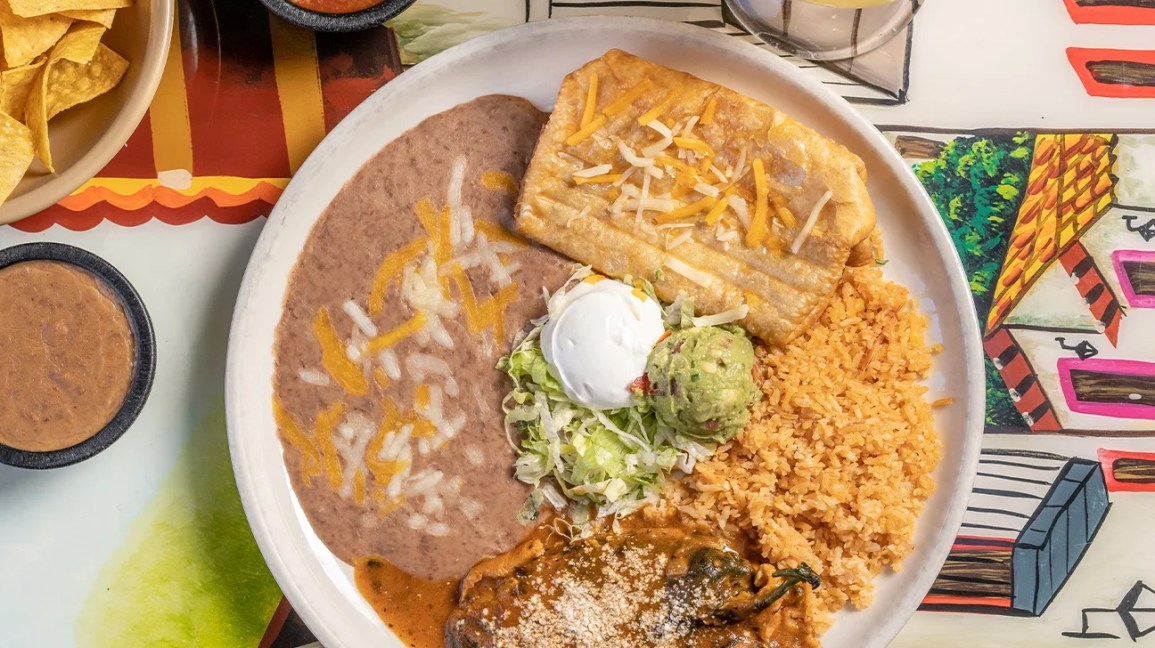
What if one of your favorite side dishes could double as a weight-loss ally? Refried beans, often associated with hearty Mexican cuisine, may surprise you with their potential benefits for weight management. They’re not just delicious but also rich in fiber and protein, which are crucial for feeling full and satisfied longer.
Refried beans have an impressive nutritional profile that includes an abundant amount of dietary fiber and plant-based protein. Historically, beans have been a staple for populations around the world, and recent research suggests that their high fiber content may help in regulating appetite, aiding weight loss. According to a study published in the American Journal of Clinical Nutrition, individuals who consume a high-fiber diet are more likely to lose weight compared to those consuming less fiber, making refried beans a compelling component of a healthier diet plan.
Nutritional Profile of Refried Beans
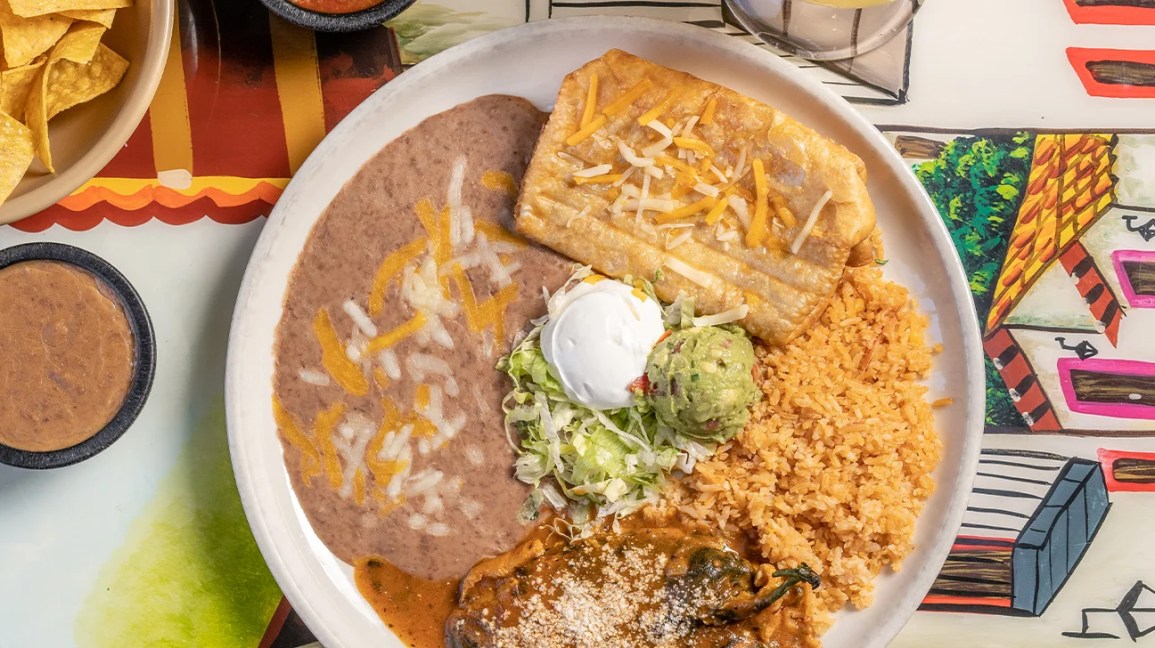
Refried beans are known for their rich nutritional content. They are an excellent source of fiber and protein. These nutrients contribute significantly to their health benefits.
The fiber in refried beans aids digestion and helps manage weight. High fiber keeps you full longer, reducing the urge to snack. This can lead to lower overall calorie intake.
Refried beans are also packed with important vitamins and minerals. These include iron, magnesium, and potassium. All these elements are essential for maintaining overall health.
In addition to fiber and protein, refried beans contain complex carbohydrates. These carbs provide a steady source of energy without causing blood sugar spikes. Including them in meals can support a balanced diet.
The Role of Fiber in Weight Loss
Fiber plays a crucial role in weight management. It helps you feel full without adding extra calories. This can prevent overeating and support weight loss.
Refried beans are especially high in dietary fiber. Consuming them can aid in digestion and regulate your appetite. This makes it easier to stick to a healthy eating plan.
The impact of fiber on weight loss goes beyond just feeling full. Fiber also slows down digestion. This steady digestion helps maintain stable energy levels throughout the day.
Incorporating high-fiber foods like refried beans into your diet can be a smart strategy. This approach promotes a balanced and sustainable way to lose weight. Let's explore some specific ways fiber aids in weight loss.
Fiber and Satiety
One of the key benefits of fiber is its ability to make you feel full. High-fiber foods expand in your stomach and take longer to digest. This helps you stay satisfied between meals.
Eating refried beans can reduce the instances of mindless snacking. This is crucial for managing calorie intake throughout the day. A steady intake of fiber ensures consistent energy, reducing sudden hunger pangs.
Studies have shown that diets high in fiber often lead to lower calorie consumption. This is because fiber-rich foods require more chewing and take up more space in your stomach. Over time, this can contribute to significant weight loss.
Digestive Health and Weight Loss
Good digestive health is a cornerstone of weight management. Fiber helps maintain regular bowel movements and prevents constipation. This is essential for a healthy digestive system.
Refried beans contain both soluble and insoluble fiber. Soluble fiber dissolves in water to form a gel-like substance, while insoluble fiber adds bulk to stool.
Both types of fiber play a role in keeping your digestive tract running smoothly. A healthy digestive system can more efficiently process nutrients and waste. This efficiency helps maintain a healthy weight.
Stable Blood Sugar Levels
Fiber also contributes to stable blood sugar levels. By slowing down the absorption of sugar, it prevents spikes and crashes. This is beneficial for both energy levels and weight management.
Refried beans can be particularly helpful in maintaining stable glucose levels. Consistent blood sugar levels mean fewer cravings for sugary snacks. This helps you avoid unnecessary calories.
Maintaining stable blood sugar is essential for sustained energy and a balanced diet. This makes fiber an invaluable part of a weight loss strategy. Refried beans, owing to their fiber content, are a perfect addition to such a diet.
Protein Content in Refried Beans and Weight Loss
Refried beans are rich in protein, making them an excellent addition to a weight-loss diet. Protein is essential for building and repairing tissues. It also helps maintain muscle mass during weight loss.
Protein in refried beans contributes to feeling full and satisfied. This can reduce overall calorie intake by curbing hunger. As a result, it becomes easier to stick to your diet plan.
Including protein-rich foods like refried beans helps stabilize blood sugar levels. This is important for maintaining energy throughout the day. It also prevents sudden cravings for high-calorie snacks.
Adding refried beans to meals provides a nutritious, filling option. They can be paired with various dishes, enhancing both flavor and nutritional value. This makes them a versatile and valuable part of any diet plan.
Understanding Serving Sizes and Calorie Content
Knowing the correct serving size of refried beans is important for managing calorie intake. A typical serving is about half a cup. This portion contains roughly 120 to 140 calories, making it a moderate addition to any meal.
Accurate portion control can make a significant difference in achieving weight loss goals. Overeating, even with healthy foods, can add up quickly. By sticking to the recommended serving size, it's easier to maintain a balanced diet.
Refried beans are nutrient-dense, which means they offer a lot of nutrition relative to their calorie content. This makes them a smart choice for those looking to lose weight. You get the benefit of essential nutrients without consuming too many calories.
Tracking your food intake can help you stay within calorie limits. Tools like food diaries or apps make this easy and can provide insights into your eating habits. This can aid in making healthier choices over time.
Eating the right amount of refried beans can complement other weight loss strategies. They pair well with vegetables, lean proteins, and whole grains. This can create delicious, balanced meals.
When dining out or consuming packaged refried beans, check labels for serving sizes and calorie counts. Awareness of these details can help in making informed decisions. It’s about enjoying food while staying on track.
Health Benefits of Refried Beans Beyond Weight Loss
Refried beans offer numerous health benefits beyond aiding in weight loss. They're an excellent source of plant-based protein. This is vital for muscle repair and growth.
These beans are also rich in essential vitamins and minerals. You get a good dose of iron, which is crucial for transporting oxygen in the blood. They also provide magnesium and potassium.
Eating refried beans can promote a healthy heart. The fiber content helps lower cholesterol levels. Low cholesterol reduces the risk of heart disease.
Refried beans support digestive health. They contain both soluble and insoluble fiber. This helps maintain regular bowel movements.
Beyond nutrition, they offer antioxidants. Antioxidants help protect your cells from damage. This can contribute to overall wellness and longevity.
Adding refried beans to your diet can boost your energy levels. The complex carbohydrates they contain provide a steady source of energy. This can keep you active and focused throughout the day.
Healthy Ways to Incorporate Refried Beans in Your Diet
Refried beans are incredibly versatile and can be added to various meals. One simple way is using them as a spread. Instead of butter or mayo, try spreading refried beans on toast or in sandwiches.
Another option is incorporating them into salads. Mixed with fresh vegetables, they add both flavor and nutrients. This can turn a basic salad into a satisfying and balanced meal.
Refried beans can also enhance your breakfast. Add them to scrambled eggs or omelets. You get extra protein and fiber to start your day off right.
You can use refried beans as a base for dips. Combine them with salsa or guacamole. This creates a tasty and nutritious snack.
For a hearty dinner, consider adding refried beans to soups or stews. They thicken the broth and add depth to the flavor. This makes the dish more filling and nutritious.
Using them as a side dish is also a great idea. Pair refried beans with grilled chicken or fish. It provides a balanced meal that's both delicious and healthy.
Comparative Analysis: Refried Beans Vs. Other Foods
Refried beans stand out when compared to other common foods. They offer a unique combination of fiber, protein, and healthy carbs. This makes them highly nutritious and versatile.
Let's compare refried beans with white rice. While both are staples in many diets, refried beans provide more fiber and protein. White rice mainly delivers carbohydrates with little nutritional variety.
| Nutrient | Refried Beans (per 1 cup) | White Rice (per 1 cup) |
|---|---|---|
| Fiber | 9 grams | 0.6 grams |
| Protein | 14 grams | 4 grams |
| Total Calories | 220 calories | 205 calories |
The above table highlights the nutritional differences between these foods. Refried beans have higher fiber and protein content with similar calorie counts. This lends to better satiety and balanced nutrition.
If we compare refried beans to mashed potatoes, another common side dish, refried beans come out ahead again. Mashed potatoes are largely made up of simple carbs with fewer fibers or proteins.
- Saturated Fat: Refried Beans contain less saturated fat than mashed potatoes.
- Nutrient Density: They provide more vitamins and minerals.
- Sugar Content: Lower natural sugars make it a healthier choice.
This analysis shows the advantages of choosing refried beans over other common dishes. Their nutrient density supports better health and weight management. Integrating them into your diet provides significant benefits over some alternatives.
Safe Consumption of Refried Beans for Weight Loss
Refried beans can be a healthy addition to a weight loss diet, but it's essential to consume them wisely. Moderation is key. Stick to recommended serving sizes to avoid overeating.
Choosing low-fat or homemade versions is a good practice. Many commercial varieties contain added fats and sodium. Opting for these healthier options ensures fewer empty calories.
It's also important to monitor your sodium intake. High sodium levels can lead to water retention and bloating. Look for low-sodium refried beans or prepare them at home to control the salt content.
Combining refried beans with other nutritious foods enhances their benefits. Pair them with vegetables, lean proteins, or whole grains. This creates balanced meals that support weight loss.
Lastly, keep an eye on overall calorie consumption throughout the day. Even healthy foods can contribute to weight gain if eaten in large quantities. Using a food diary can help track your intake and stay within your daily goals.
For those with dietary restrictions, alternative options like black or pinto beans can be used. They offer similar nutritional benefits. This allows variety while maintaining a healthy diet.
Frequently Asked Questions
Refried beans are a popular food choice with several nutritional benefits. Here are some common questions and comprehensive answers to help you understand more about them.
1. What nutrients do refried beans provide?
Refried beans offer a rich source of fiber, protein, and essential vitamins like iron and magnesium. They also contain important minerals, making them a well-rounded choice for balanced nutrition.
The high fiber ensures digestive health while the protein supports muscle maintenance. These nutrients collectively promote overall well-being.
2. How can I prepare healthier refried beans?
You can make healthier refried beans by using less oil or opting for olive oil instead of lard. Additionally, reducing salt and adding spices like cumin and garlic can enhance flavor without extra calories.
This way, you maintain the nutritious aspects while avoiding unhealthy fats and excessive sodium. Homemade versions allow control over ingredients for better health outcomes.
3. Can refried beans cause digestive issues?
For some people, the fiber content in refried beans might cause bloating or gas initially. However, gradually increasing fiber intake can help your body adjust smoothly over time.
If digestive discomfort continues, it might be helpful to seek advice from a healthcare professional. They can offer personalized guidance on incorporating high-fiber foods into your diet effectively.
4. Are canned refried beans as healthy as homemade ones?
Canned refried beans often contain added preservatives, sodium, and sometimes unhealthy fats to extend shelf life. Homemade versions usually have fewer additives and allow customized seasoning to reduce salt or fat content.
If opting for canned varieties, look for low-sodium options without added fats or preservatives. Always check the labels to make informed choices that align with your dietary goals.
5. Can vegetarians benefit from eating refried beans?
Yes, vegetarians can greatly benefit from consuming refried beans due to their plant-based protein content which supports muscle health and repair. The high fiber in these beans helps in maintaining good digestive health as well.
This makes them an excellent substitute for meat-based proteins in vegetarian diets while ensuring adequate nutrient intake necessary for overall wellness.
Conclusion
Refried beans can be a beneficial addition to a weight loss diet. Their high fiber and protein content help keep you full and satisfied. Choosing low-fat or homemade versions enhances their health benefits.
Beyond weight loss, refried beans offer numerous nutritional advantages. They are rich in essential vitamins and minerals that support overall well-being. Integrating them into balanced meals promotes a healthier lifestyle.
