Are Pancakes Good For Weight Loss?
What if I told you that your favorite breakfast indulgence could actually align with your weight loss goals? Surprisingly, the possibility of enjoying pancakes while shedding some pounds is not entirely out of reach. It all hinges on the ingredients and portion control.
Pancakes, traditionally seen as carb-heavy and sugar-loaded, have evolved. With whole grain flour, protein-rich add-ins, and sugar alternatives, they can become a balanced, nutritious option. For instance, incorporating oat flour and adding Greek yogurt can provide sustained energy and keep you full longer.
Nutritional Breakdown of Traditional Pancakes
Traditional pancakes are often made from white flour, eggs, milk, and sugar. These ingredients contribute to a high-carb, high-sugar outcome. A typical serving provides around 150-200 calories.
The flour used is usually refined, which lacks fiber. Low fiber means they won’t keep you full for long. This can lead to overeating later.
Traditional pancakes also contain little protein. This makes it harder to stay full. Lack of protein affects your energy levels throughout the day.
Here’s a quick snapshot of the nutritional value per pancake:
| Nutrient | Amount |
|---|---|
| Calories | 150-200 |
| Protein | 4 grams |
| Carbs | 30 grams |
| Fiber | 1 gram |
| Sugar | 8 grams |
Tracing Pancakes' Reputation as an Unhealthy Option
Pancakes have gained a reputation as an unhealthy breakfast choice, primarily due to their ingredients. Commonly made with refined flour and sugar, they offer little nutritional value. High in calories and carbs, traditional pancakes often contribute to weight gain.
Another factor is the way pancakes are usually served. Syrup, butter, and sugary toppings add extra calories and sugar. This combination negatively impacts blood sugar levels.
Breakfast foods are often judged by their ability to keep you full. Pancakes, low in fiber and protein, fail to provide lasting energy. This can lead to more snacking throughout the day.
Despite this reputation, not all pancakes are created equal. By making healthier choices in ingredients and portions, pancakes can fit into a balanced diet. Let’s delve into how pancakes' image can be transformed.
History of Pancakes as a Breakfast Staple
Pancakes have been a breakfast favorite for centuries. Originating in ancient Greece, they were originally made with ingredients like wheat flour, olive oil, and honey. Over time, recipes have evolved, often sacrificing nutrition for taste.
In the U.S., pancakes became popular during the 19th century. The availability of refined flour and sugar made them a convenient, tasty option. Today, traditional recipes continue to dominate breakfast menus.
Despite their history, modern nutrition trends are encouraging healthier versions. With a shift towards whole grains and natural sweeteners, pancakes are being reinvented. Ancient ingredients are making a comeback.
Common Pancake Toppings and Their Nutritional Impact
Syrup and butter are the go-to toppings for many. However, they add significant calories and sugar to your meal. One tablespoon of syrup, for example, contains about 52 calories and 14 grams of sugar.
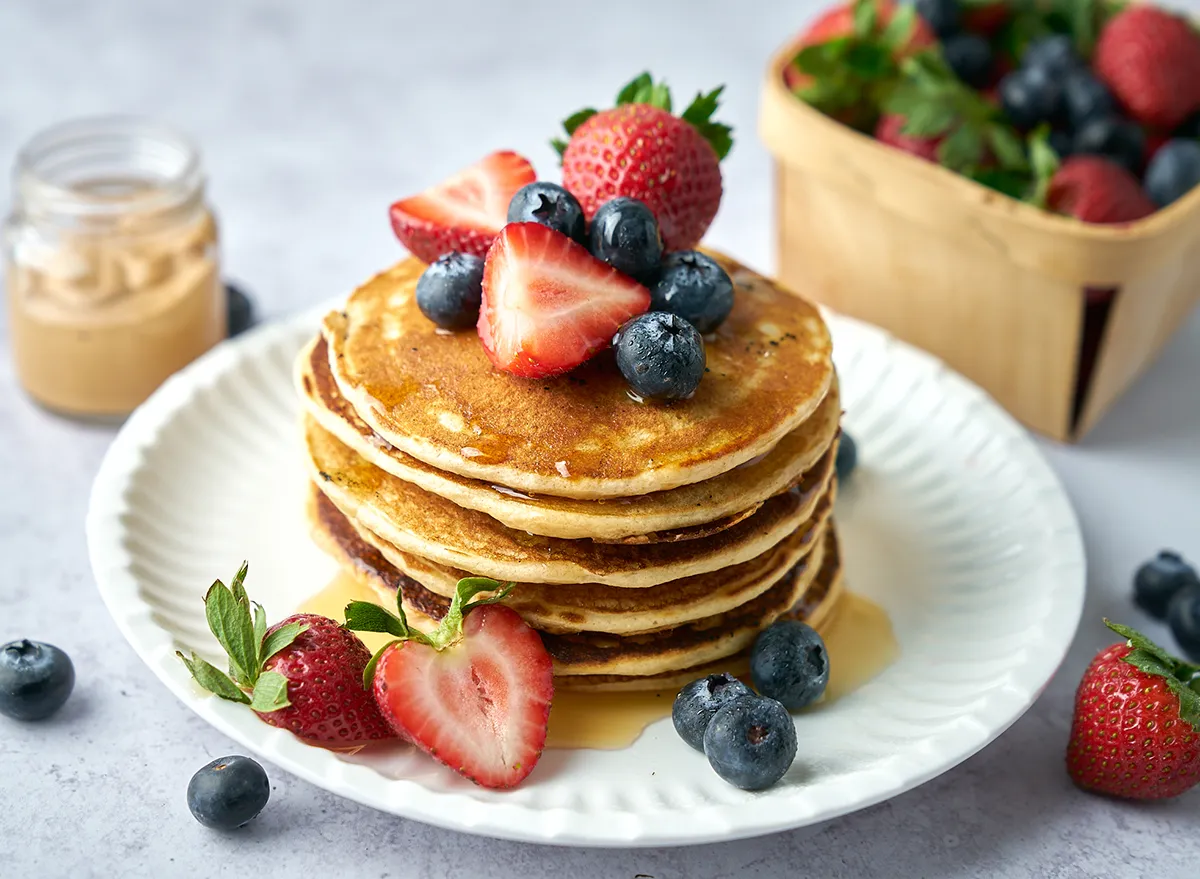
Fruits can be a healthier alternative. Berries, bananas, and apples add natural sweetness and fiber. They also provide essential vitamins and antioxidants.
Nuts and seeds can also enhance nutritional value. Adding chia seeds or almonds introduces healthy fats and protein. These toppings contribute to feeling full and satisfied.
Psychological Factors Contributing to Pancake Choices
Emotional eating plays a role in food choices, often leading to comfort foods like pancakes. The nostalgic feeling associated with a pancake breakfast can be strong. Memories of family gatherings or special weekends influence this preference.
Marketing also impacts our perceptions. Advertisements and restaurant menus often showcase pancakes as a delicious treat. This makes it harder to resist unhealthy versions.
However, awareness and education can shift these perceptions. Knowing the health impacts of traditional pancakes can motivate better choices. Creating a balance between enjoyment and health is the key.
How Pancakes Can Fit into a Weight Loss Plan
Incorporating pancakes into a weight loss plan starts with making smart ingredient choices. Whole grain flours like oat or almond flour are healthier alternatives. These options provide more fiber, making you feel full longer.
Protein is crucial for any weight loss diet. Add ingredients like Greek yogurt, protein powder, or eggs. This boosts the nutritional value and keeps you satisfied.
Pay special attention to portion sizes. Eating smaller pancakes helps control calorie intake. Enjoying pancakes in moderation prevents overeating.
Consider the toppings you choose. Fresh fruit, nuts, and unsweetened yogurt offer nutritious alternatives to syrup and butter. These toppings add flavor without compromising your weight loss goals.
- Whole grain flours
- Protein-rich ingredients
- Smaller portion sizes
- Healthy toppings
Harnessing the Value of Healthy Substitutes in Pancakes
Switching to healthy substitutes can make your pancakes much better for you. For example, using whole grain flours instead of white flour adds fiber. This helps keep you full longer and aids digestion.
Sweeteners are another key adjustment. Instead of using sugar, opt for natural alternatives like honey, maple syrup, or stevia. These options provide sweetness without the negative impacts of refined sugar.
Dairy choices matter too. Replace regular milk with unsweetened almond milk or oat milk. These alternatives are lower in calories and often provide additional nutrients.
Incorporating fruits and vegetables can boost the nutritional profile of your pancakes. Add mashed bananas, shredded zucchini, or pumpkin puree. These ingredients not only add vitamins but also natural sweetness and moisture.
Healthy fats are essential for a balanced diet. Use coconut oil or avocado oil instead of butter. They offer good fats that improve overall heart health.
For easy reference, here's a list of healthy substitutes:
- Whole grain flours
- Natural sweeteners
- Almond or oat milk
- Fruits and vegetables
- Healthy fats
Understanding Whole Grain Pancakes
Whole grain pancakes offer a healthier alternative to traditional pancakes. They use whole grain flours like oat, wheat, or spelt flour. These flours include all parts of the grain, adding essential nutrients and fiber.
The added fiber in whole grain pancakes has numerous benefits. It helps you feel full longer and aids in digestion. This makes it easier to control portion sizes and avoid overeating.
Whole grains also provide more vitamins and minerals. For example, they are rich in B vitamins, iron, and magnesium. These nutrients play crucial roles in energy production and overall health.
Switching to whole grain pancakes can have long-term health benefits. They help stabilize blood sugar levels, reducing the risk of diabetes. Additionally, the higher fiber content supports heart health.
Here are some popular whole grain options for making pancakes:
- Oat flour
- Whole wheat flour
- Spelt flour
- Buckwheat flour
- Quinoa flour
Incorporating whole grain pancakes into your diet can be a delicious way to boost your nutrition. They offer a satisfying texture and flavor, making breakfast both healthy and enjoyable. It's a simple change that can make a big difference.
Pancakes with Protein: An Unexpected Source of Energy
Adding protein to pancakes can transform them into a powerful energy source. Protein helps stabilize blood sugar levels, preventing energy crashes. This makes protein-enriched pancakes a great choice for starting your day.
There are several simple ways to boost the protein content in your pancakes. You can add ingredients like Greek yogurt, protein powder, or cottage cheese. These additions are easy to mix into your batter.
Protein-rich pancakes can help with weight management. They keep you feeling full longer, reducing the likelihood of mid-morning snacking. This benefit is especially important for those focused on weight loss.
Here is a quick comparison of protein content in pancake ingredients:
| Ingredient | Protein per Serving |
|---|---|
| Greek Yogurt | 10 grams |
| Protein Powder | 20 grams |
| Cottage Cheese | 14 grams |
By choosing the right ingredients, you can make your pancakes far more nutritious. The added protein not only boosts energy but also supports muscle health. It's a simple tweak that makes your breakfast both delicious and beneficial.
The Role of Toppings in the Health Aspect of Pancakes
The choice of toppings can significantly impact the healthiness of your pancakes. Traditional toppings like syrup and butter add extra calories and sugar, making them less healthy. Opting for nutritious alternatives can enhance the overall benefits.
Fresh fruits are an excellent topping option. They add natural sweetness without extra sugars. Berries, bananas, and apples offer vitamins, fiber, and antioxidants.
Nuts and seeds boost the nutritional value further. Almonds, walnuts, and chia seeds provide healthy fats and protein. These toppings help keep you full longer, aiding in weight management.
Yogurt is another great choice. Unsweetened Greek yogurt adds a creamy texture along with additional protein. This combination supports digestion and keeps you energized.
Here’s a quick comparison table of pancake topping options:
| Topping | Benefit |
|---|---|
| Berries | High in vitamins and antioxidants |
| Nuts & Seeds | Packed with healthy fats and protein |
| Greek Yogurt | Rich in protein; aids digestion |
| Syrup & Butter (Traditional) | High in sugar; adds unnecessary calories |
Choosing healthier toppings can transform your pancakes from a guilty pleasure into a nutritious meal. By making smart choices, you can enjoy delicious pancakes without compromising your health goals. The right toppings make all the difference.
Pancake Recipes Aligned with Weight Loss
Weight loss-friendly pancake recipes often include healthier ingredients. Using whole grain flours like oat or whole wheat flour is a great start. These flours provide fiber, keeping you full longer.
Adding protein to your pancakes is also essential. Ingredients like Greek yogurt, protein powder, or cottage cheese boost their nutritional value. This helps maintain energy levels and reduces cravings.
Consider using natural sweeteners instead of refined sugar. Options like honey, maple syrup, or stevia provide sweetness without the extra calories. These substitutes make your pancakes healthier.
Here's a simple weight loss-friendly pancake recipe:
- 1 cup oat flour
- 1 scoop vanilla protein powder
- 1 egg
- 1/2 cup Greek yogurt
- 1/2 teaspoon baking powder
- 1/2 teaspoon cinnamon
- 1/2 cup unsweetened almond milk
- 1 tablespoon honey or maple syrup
Healthy toppings can also enhance your weight loss pancake recipe. Fresh fruits, nuts, and yogurt add nutritional value. These toppings ensure your breakfast remains balanced and satisfying.
Frequently Asked Questions
Here are some commonly asked questions regarding the role of pancakes in a balanced diet and how they can fit into a weight loss plan.
1. What kinds of flours can make pancakes healthier?
Whole grain flours like oat, whole wheat, and spelt flour are good choices. They add fiber and nutrients, making pancakes more filling and nutritious.
These flours help stabilize blood sugar levels and keep you satisfied longer. This makes them an excellent option for people focusing on weight management or overall health improvement.
2. How do high-protein ingredients benefit pancake recipes?
High-protein ingredients like Greek yogurt or protein powder can boost the nutritional value of pancakes. Protein helps maintain energy levels and keeps you fuller longer.
This addition reduces the chances of overeating or snacking between meals. It also supports muscle health, which is vital for anyone looking to lose weight sustainably.
3. Are there healthier sweetener options for making pancakes?
Yes, natural sweeteners like honey, maple syrup, or stevia are great alternatives to refined sugar. These options offer sweetness without the extra calories associated with regular sugar.
Using natural sweeteners helps manage your calorie intake while still enjoying delicious pancakes. They provide added nutritional benefits that refined sugar lacks.
4. What toppings should I use to make my pancakes healthier?
Toppings like fresh fruits, nuts, and unsweetened yogurt are excellent choices for making pancakes healthier. Fruits add vitamins, fiber, and antioxidants while keeping the dish naturally sweet.
Nuts and seeds provide healthy fats and protein that contribute to fullness and sustained energy. Unsweetened yogurt adds creaminess along with additional protein benefits.
5. Can gluten-free flour be used in weight loss-friendly pancake recipes?
Absolutely! Gluten-free flours like almond flour or coconut flour work well in weight loss-friendly pancake recipes. These flours add variety to your diet while being low in carbs and high in nutrients.
No gluten means these flours are easier on digestion for those sensitive to it. They also tend to be rich in healthy fats that help keep you full longer.
Conclusion
Pancakes can indeed be part of a weight loss plan if made with thoughtful ingredient choices. Incorporating whole grain flours, protein-rich components, and natural sweeteners turns a traditionally indulgent meal into a nutritious option. This allows enjoyment without guilt.
Healthy toppings like fresh fruits, nuts, and yogurt further enhance their nutritional value. By making these adjustments, pancakes can support your weight loss goals while remaining delicious. It’s all about balance and smart choices.
