Are Apples And Peanut Butter Good For Weight Loss?
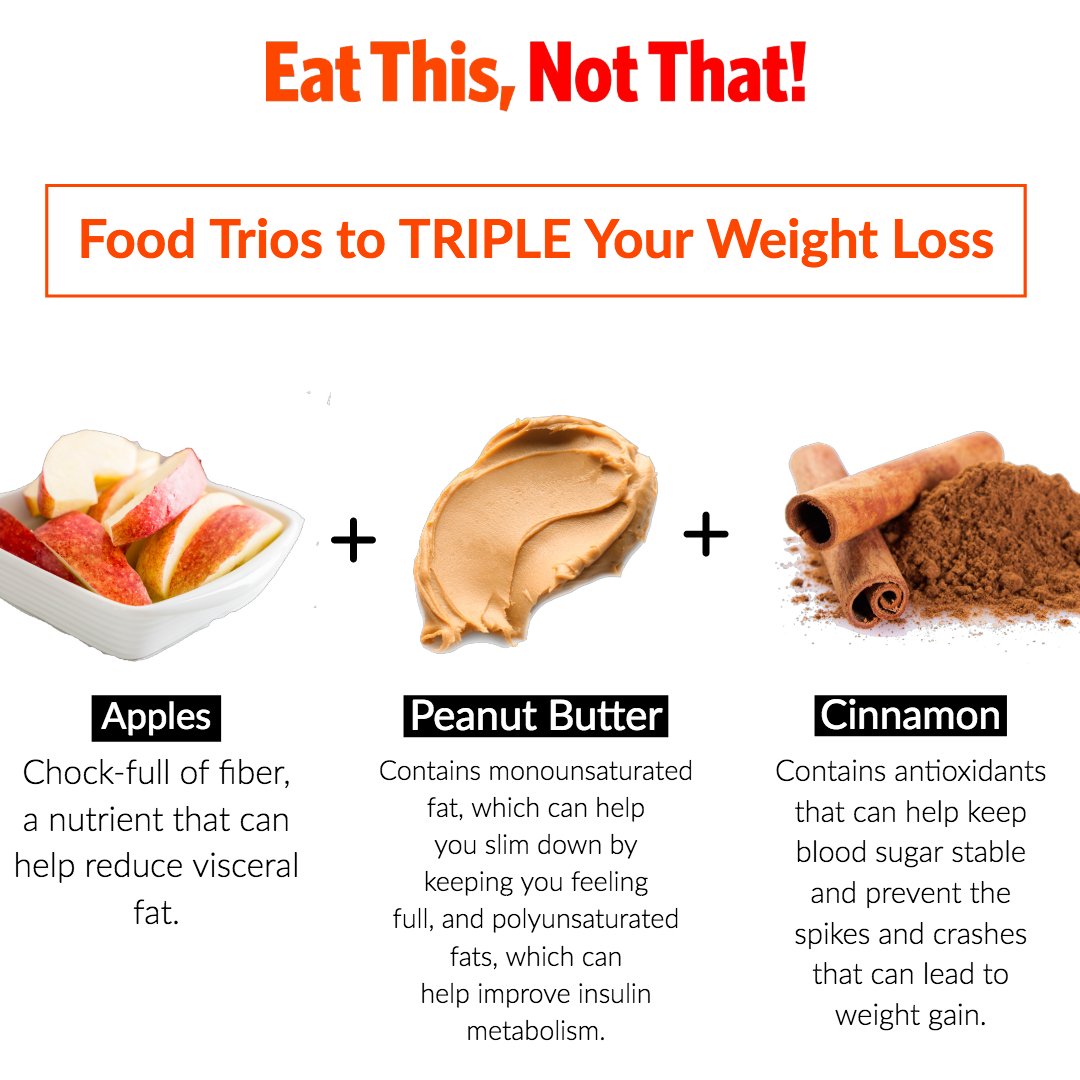
Consider this: combining creamy peanut butter with crunchy apples might be more effective for weight management than you think. This duo isn't just popular for its delightful taste. It actually packs a nutritional punch favorable for those pursuing weight loss.
Apples, rich in fiber and water, promote satiety, curbing the urge to overeat. Peanut butter, despite being calorie-dense, provides healthy fats and protein that can sustain energy levels throughout the day. A 2015 study even highlighted that consuming nuts regularly, including peanut butter, was associated with a lowered risk of weight gain over time.
Exploring the Nutritional Value of Apples and Peanut Butter
Nutrients in Apples
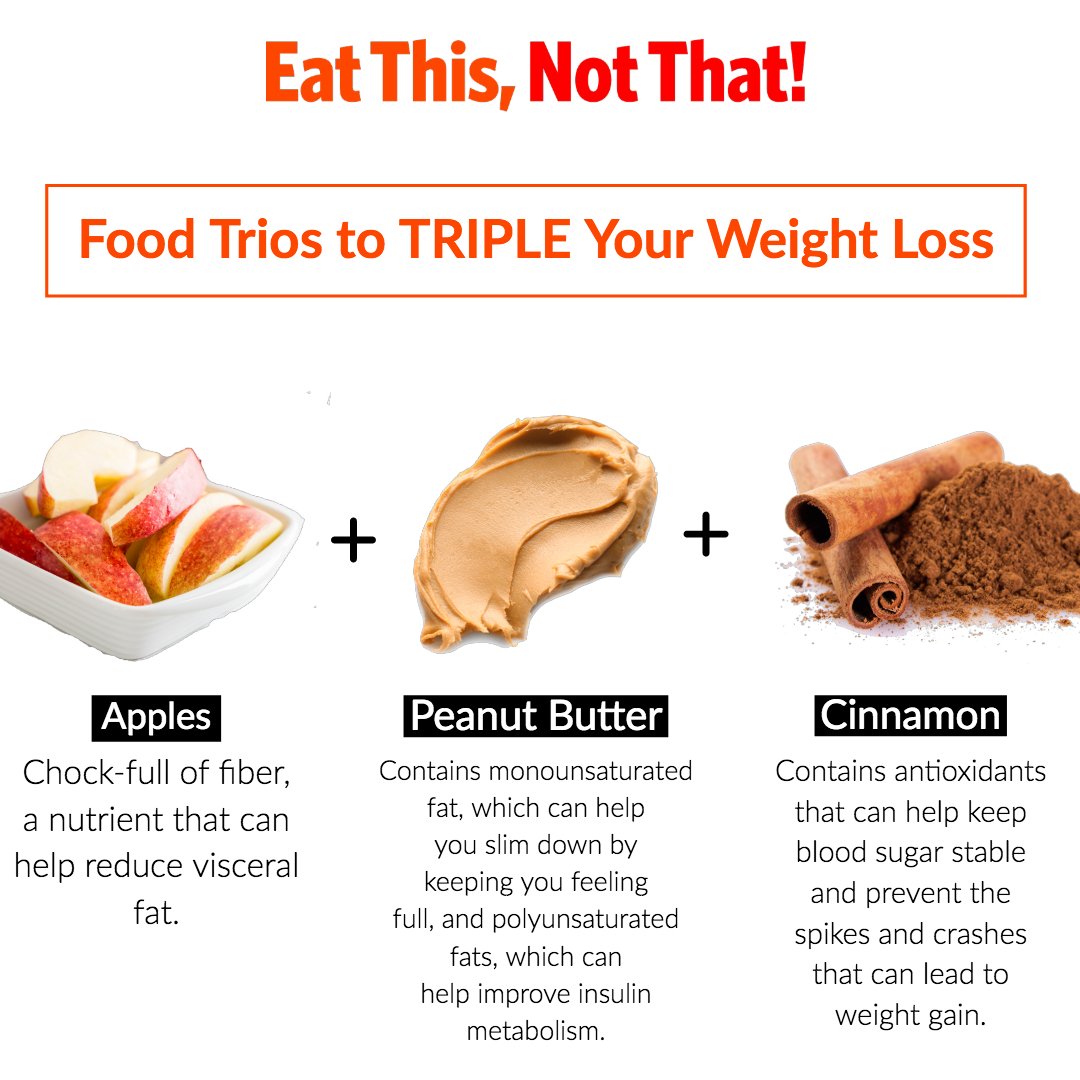
Apples are rich in vitamins and minerals. They have a high content of Vitamin C and fiber. Fiber aids digestion and helps you feel full longer.
Moreover, apples are low in calories. An average apple has about 95 calories. This makes them a great snack for weight loss.
Apart from vitamins, apples also have antioxidants. Antioxidants help in reducing inflammation and improving heart health. They can protect your body from harmful chemicals.
Nutrients in Peanut Butter
Peanut butter is packed with protein and healthy fats. One tablespoon provides about 4 grams of protein. Protein is essential for building and repairing muscles.
Along with protein, peanut butter also contains fiber. Fiber in peanut butter helps keep you full and satisfied. This can prevent overeating and aid in weight management.
Additionally, peanut butter has vitamins like Vitamin E and B6. It also contains magnesium and potassium. These nutrients help maintain overall health and energy levels.
Combined Nutritional Benefits
When you combine apples and peanut butter, you get a balanced snack. The fiber from apples and protein from peanut butter work well together. This combination keeps you full and energized.
Eating apples with peanut butter can help control calorie intake. It's a satisfying snack that's low in unhealthy fats and sugars. This makes it a smart choice for those looking to lose weight.
Furthermore, this combo provides essential vitamins and minerals. It supports overall health while helping in weight management. Adding this duo to your diet can be both tasty and nutritious.
The Science Behind Weight Loss
Weight loss might seem tricky, but it's all about understanding your body's needs. The key is achieving a caloric deficit, meaning you consume fewer calories than you burn. This process forces your body to use stored fat for energy.
The Concept of Caloric Deficit
A caloric deficit occurs when you burn more calories than you consume. This can be achieved by eating less, exercising more, or a combination of both. It's crucial to find a balance that works for you.
Maintaining a caloric deficit helps your body burn stored fat. This leads to gradual weight loss over time. It's important to track your daily calorie intake to stay on target.
However, going too low on calories can be harmful. Always ensure you're consuming enough nutrients. A balanced diet plays a vital role in healthy weight loss.
The Role of High-Fiber Foods
High-fiber foods play a significant role in weight loss. Fiber helps you feel full for longer periods, reducing the urge to snack. Fruits, vegetables, and whole grains are excellent sources of fiber.
Eating fiber-rich foods can also enhance digestion. This prevents bloating and improves your overall gut health. Fiber helps regulate blood sugar levels, too.
Incorporating plenty of fiber into your meals is simple. Opt for apples, oatmeal, or leafy greens. These foods are nutritious and aid in building a balanced diet.
Healthy Fats and Their Importance
Including healthy fats in your diet is crucial as well. Unlike unhealthy fats, which can lead to weight gain, healthy fats support metabolism. Avocado, nuts, and olive oil are good sources.
Healthy fats provide essential fatty acids your body needs. They also help absorb vitamins and minerals. This contributes to overall well-being.
Be mindful of portion sizes when consuming fats. A small amount goes a long way in maintaining health and promoting weight loss. Balance is key in achieving effective results.
Understanding the Satiety Factor of Apples
Apples are fantastic for making you feel full. They are high in fiber and water, which contribute to their ability to satisfy hunger. Eating an apple before a meal can help control portion sizes.
One medium apple provides about 4 grams of fiber. Fiber slows digestion, which keeps you feeling fuller longer. This helps in reducing overall calorie intake throughout the day.
Besides fiber, the water content in apples adds volume without adding extra calories. This means you can eat a larger portion without consuming a lot of calories. This is beneficial for those trying to lose weight or maintain a healthy weight.
The act of chewing also plays a role. Chewing apples takes time and signals your brain that you're eating. This can help you feel more satisfied and less likely to crave additional snacks.
The Role of Peanut Butter in Weight Management
Peanut butter can be surprisingly beneficial for weight management. It is calorie-dense, but in the right amounts, it provides essential nutrients. Healthy fats and protein in peanut butter promote a feeling of fullness.
Protein is crucial for building and repairing muscles. One tablespoon of peanut butter has around 4 grams of protein. This can help keep your body strong and reduce muscle loss during weight loss.
The healthy fats in peanut butter provide sustained energy. These fats help maintain stable blood sugar levels, which reduces hunger pangs. It's important to opt for natural peanut butter without added sugars or oils.
Fiber content in peanut butter also aids in digestion. It adds bulk to your diet, helping you feel full for longer periods. This reduces the chances of overeating or reaching for unhealthy snacks.
Moderation is key when it comes to peanut butter. Too much can add excess calories, but a balanced amount can support a healthy diet. Pair it with fruits like apples for a nutritious and satisfying snack.
Incorporating peanut butter can make your meals more varied and enjoyable. Spread it on whole grain toast or add it to smoothies. This adds flavor without compromising your weight management goals.
Apples and Peanut Butter: A Winning Combo for Weight Loss?
Combining apples with peanut butter provides a balanced snack. The fiber from apples helps keep you full. Meanwhile, peanut butter adds protein and healthy fats, creating a well-rounded treat.
This duo offers a low-calorie yet nutrient-dense option. One medium apple and a tablespoon of peanut butter is both filling and satisfying. This combination can help control cravings and reduce overall calorie intake.
The high fiber content in apples aids digestion. Paired with peanut butter's protein, it makes a powerful team for weight management. This pairing helps maintain energy levels throughout the day.
Eating apples and peanut butter together slows digestion. This means you’ll feel full longer and be less likely to overeat later. A balanced approach like this can support your weight loss goals effectively.
Moreover, this snack is convenient and easy to prepare. It doesn't require any cooking and can be enjoyed anywhere. Such simple solutions make sticking to a healthy diet easier.
Try incorporating this combo into your daily routine. Whether as a mid-morning snack or an afternoon pick-me-up, it fits perfectly. Enjoy the tasty benefits without sabotaging your healthy eating plan.
Healthy Ways to Incorporate Apples and Peanut Butter into Your Diet
There are many easy ways to add apples and peanut butter to your meals. Start your day with apple slices and peanut butter on whole-grain toast. This breakfast is filling and packed with nutrients.
For a quick snack, dip apple slices in peanut butter. This is a convenient option when you’re on the go. Keep a small container of peanut butter and a fresh apple in your bag for a nutritious treat.
You can also add chopped apples and a spoonful of peanut butter to your oatmeal. This combo provides extra fiber and protein for your morning meal. It’s both satisfying and delicious.
Another idea is to make an apple and peanut butter smoothie. Blend an apple, a tablespoon of peanut butter, some yogurt, and ice. This creates a creamy, tasty drink that keeps you full.
For a fun twist, try making apple and peanut butter sandwiches. Use thin apple slices instead of bread and spread with peanut butter. It’s a crunchy, sweet alternative to traditional sandwiches.
Mixing apples and peanut butter into various recipes keeps your diet interesting. Try new ways to enjoy this healthy pairing. Keeping your meals diverse helps you stick to your weight loss goals.
Common Misconceptions About Apples, Peanut Butter, and Weight Loss
One common misconception is that peanut butter is too high in calories to be part of a weight loss plan. While it is calorie-dense, consuming it in moderation can provide valuable nutrients. A tablespoon can fit perfectly into a balanced diet.
Another myth is that all fruits, including apples, are high in sugar and should be avoided. The natural sugars in apples come with fiber that aids digestion and helps you feel full. This means apples can actually support weight loss efforts.
Some people think eating fats like those found in peanut butter will make them fat. However, healthy fats are essential for bodily functions and can help you stay satiated. Eating the right kinds of fats can help control hunger and reduce overeating.
It's also believed that combining foods like apples and peanut butter won't benefit weight loss. In reality, this combination provides a balance of carbohydrates, proteins, and fats. This balance helps maintain energy levels and supports metabolic health.
- Misconception 1: Peanut butter is too caloric
- Misconception 2: Fruits are too sugary
- Misconception 3: All fats lead to weight gain
- Misconception 4: Combining certain foods isn't beneficial
Busting these myths helps create better dietary habits. Embrace nutrient-rich combinations like apples and peanut butter without fear. They add variety and nutrition to any weight management plan.
Complementary Foods for a Balanced Diet alongside Apples and Peanut Butter
Pairing apples and peanut butter with complementary foods can boost your diet. Adding variety ensures you get a wide range of nutrients, which aids in weight loss. Choosing nutrient-dense foods can enhance the benefits of this already powerful duo.
Leafy greens like spinach and kale are excellent additions. They are low in calories and high in vitamins and minerals. This combination supports overall health and promotes effective weight management.
Whole grains such as oatmeal or quinoa can also be included. These foods provide necessary fiber and help maintain steady energy levels. They pair well with the fiber from apples and protein from peanut butter.
- Leafy greens (e.g., spinach, kale)
- Whole grains (e.g., oatmeal, quinoa)
- Lean proteins (e.g., chicken, tofu)
- Berries (e.g., blueberries, strawberries)
- Nuts and seeds (e.g., almonds, chia seeds)
Including lean proteins like chicken or tofu can round out your meals. Protein helps build and maintain muscle mass, which is crucial for weight loss. This ensures you stay full and energized.
Berries such as blueberries and strawberries are great choices. They are rich in antioxidants and add a burst of flavor. These can complement apples and peanut butter for a nutritious, tasty snack.
Nuts and seeds like almonds and chia seeds can be sprinkled on your meals. They offer healthy fats and additional protein. Including these can make your diet more balanced and satisfying.
Frequently Asked Questions
This section aims to answer common queries about the benefits and nutritional aspects of apples and peanut butter. From their impact on weight loss to how they can be included in various diets, we cover it all.
1. What are the nutritional benefits of apples?
Apples are packed with essential nutrients like vitamins A and C, fiber, and antioxidants. These nutrients help boost your immune system and improve overall health.
Additionally, the high fiber content promotes digestive health and helps maintain stable blood sugar levels. Apples are also low in calories, making them an ideal snack for weight management.
2. Can peanut butter fit into a low-carb diet?
Peanut butter can indeed fit into a low-carb diet if consumed in moderation. It's recommended to choose natural peanut butter that does not have added sugar or hydrogenated oils.
A tablespoon of peanut butter typically contains around 4 grams of carbs, which is manageable within a strict low-carb regimen. Pairing it with celery or other veggies makes for a delicious, low-carb snack option.
3. How does the fiber content in apples help with weight loss?
The high fiber content in apples aids digestion by regulating bowel movements and promoting satiety. This means you feel full longer, reducing the urge to snack between meals.
Diets rich in fiber have been shown to aid weight loss by controlling appetite and stabilizing blood sugar levels. Therefore, apples are an effective addition to any weight loss plan.
4. Is eating too much peanut butter bad for you?
While peanut butter is nutritious, eating it excessively can lead to unnecessary calorie intake due to its high-fat content. Consuming large amounts may counteract your weight-loss efforts.
Moderation is key; stick to recommended serving sizes such as one or two tablespoons per day. Balancing it with other nutrient-rich foods ensures you get a well-rounded diet without overdoing the calories.
5. Are there alternatives to pairing apples with peanut butter for a healthy snack?
If you're looking for alternatives, try pairing apples with Greek yogurt or almond butter instead of peanut butter. These options also offer protein while maintaining a balanced nutritional profile.
You could also sprinkle cinnamon on apple slices for added flavor without extra calories or sugars. Each alternative provides unique benefits while keeping the snack both healthy and satisfying.
Conclusion
Incorporating apples and peanut butter into your diet can be a smart strategy for weight loss. Their complementary nutrients, including fiber and protein, help maintain satiety and energy levels. This combination can make sticking to a healthy eating plan easier and more enjoyable.
However, balancing portion sizes and integrating other nutrient-rich foods into your meals is crucial. By doing so, you can create a varied, satisfying, and effective diet plan. Remember, moderation is key to successfully leveraging these foods for weight management.
