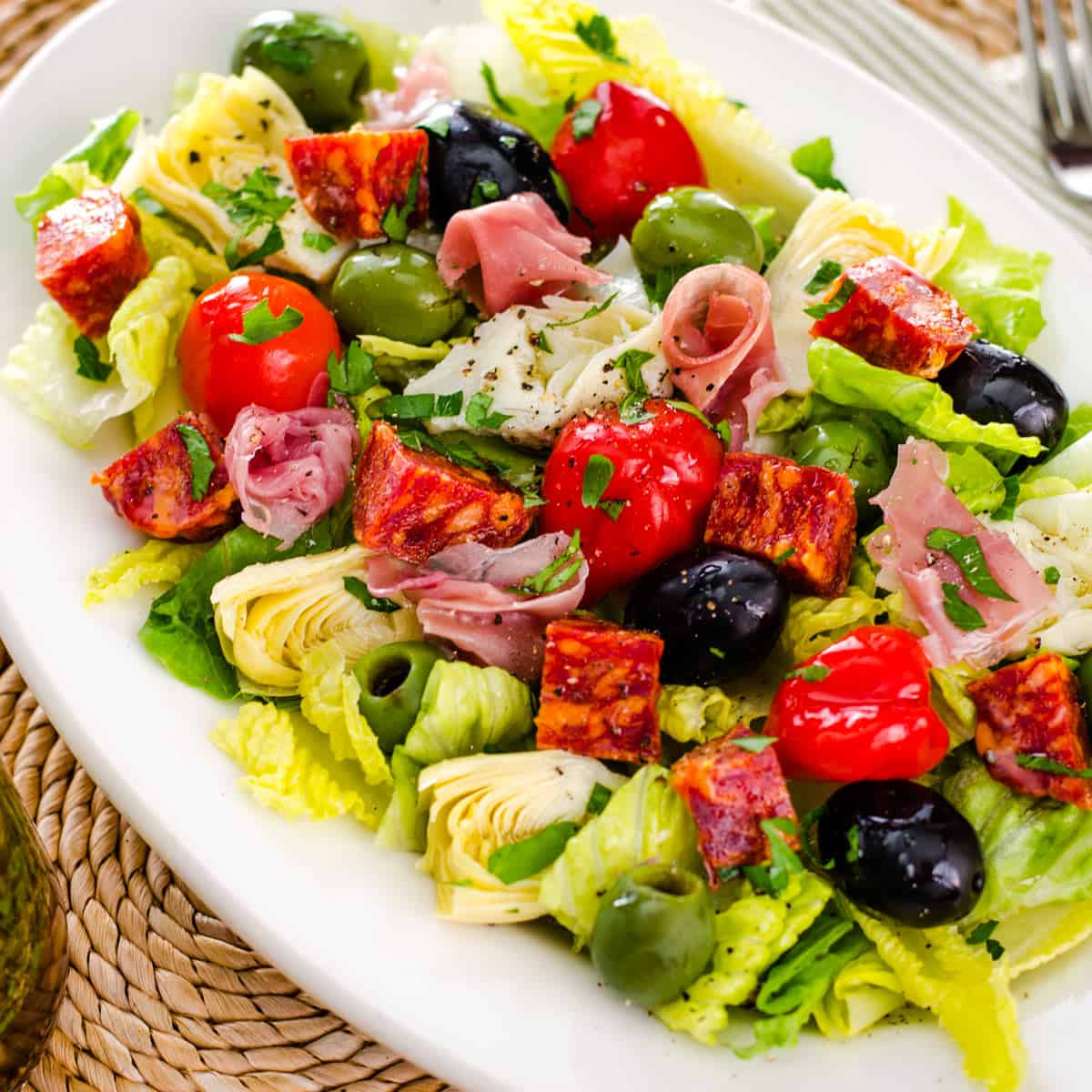
Antipasto Salad With Easy Italian Dressing
Imagine a dish that combines vibrant colors, rich textures, and a symphony of flavors all in one bite: welcome to the delectable world of Antipasto Salad with Easy Italian Dressing. This salad is not just a side dish; it is an experience that encapsulates the essence of Italian cuisine. For anyone looking to elevate their culinary repertoire, mastering this dish is a must.
Rooted in tradition, the Antipasto Salad dates back to 16th-century Italy, where it was served as an appetizer to stimulate the appetite. Its versatility makes it particularly appealing; you can incorporate your favorite Italian meats, cheeses, and vegetables. Coupled with a simple, yet sophisticated Italian dressing, this salad becomes a harmonious blend that's both visually striking and satisfying to the palate.
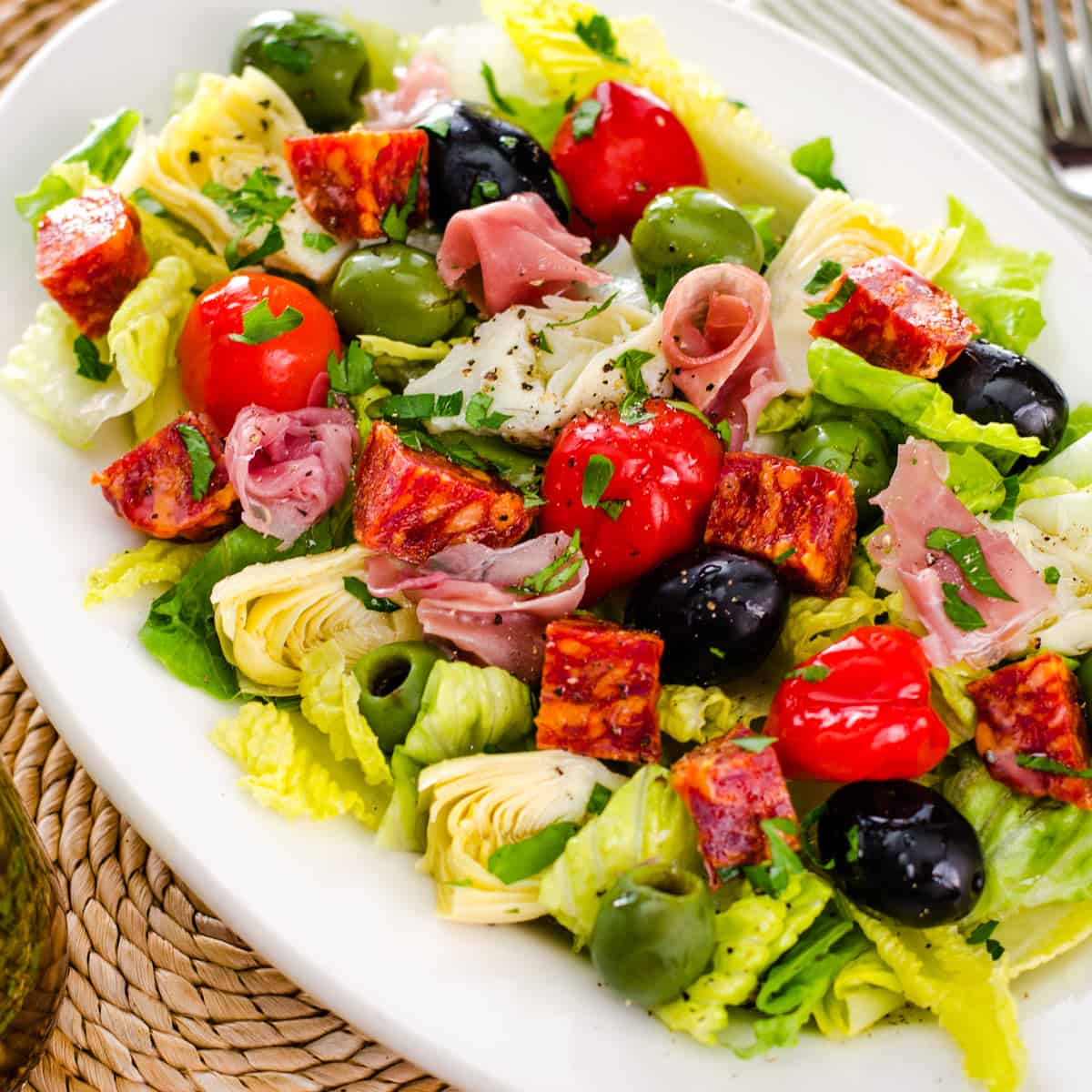
The History and Legacy of Antipasto Salad
The term "antipasto" comes from the Latin words "ante" (before) and "pastus" (meal). This signifies its role as the opening act in an Italian feast. It prepares the palate for the main courses that follow.
Antipasto Salad has its roots in Italian dining traditions dating back to the 16th century. It was originally served to stimulate the appetite and showcase fresh, local ingredients. Over time, it became a celebrated appetizer, representing Italian culinary arts.
This dish typically includes a mix of cured meats, cheeses, and fresh vegetables. Each region in Italy has its own version, incorporating locally available ingredients. The variety and quality of these ingredients are what make the salad unique.
Today, Antipasto Salad is enjoyed worldwide and can be found in many Italian restaurants. It has evolved to include ingredients from other cuisines, making it even more versatile. However, the essence of using fresh, high-quality ingredients remains the same.
Anatomy of Antipasto Salad: Key Ingredients
Antipasto Salad is a vibrant dish made up of several key ingredients, each adding its own unique flavor and texture. From meats to cheeses, and vegetables, every component plays an essential role. The blend of these ingredients makes the salad a culinary delight.
Meats
The foundation of any Antipasto Salad is the variety of cured meats used. Popular choices include salami, prosciutto, and pepperoni, each offering a different flavor profile. These meats provide a savory and slightly salty taste that balances well with the other ingredients.
These meats are typically thinly sliced and can be rolled or folded for presentation. Always opt for high-quality meats to ensure the best flavor.
Cheeses
No Antipasto Salad is complete without a selection of cheeses. Common types include mozzarella, provolone, and Parmesan. These cheeses add a creamy texture and mild taste that complements the robust flavors of the meats.
Cheeses can be cubed, shredded, or sliced depending on your preference. Mix and match different types for a more complex and rich flavor.
Vegetables
Fresh vegetables add color, crunch, and a burst of freshness to the salad. Commonly used vegetables include tomatoes, olives, artichoke hearts, and bell peppers. These ingredients not only enhance flavor but also provide a nutritional boost.
Vegetables can be marinated or fresh, depending on your taste. The wide variety allows for endless customization and keeps the salad exciting.
Understanding Easy Italian Dressing
Italian dressing is a versatile and flavorful addition to many salads, including Antipasto Salad. Its simplicity lies in the use of basic ingredients that come together to create a harmonious blend. Knowing the key elements of this dressing can help you make it from scratch at home.
The primary ingredients in Italian dressing include olive oil, vinegar, and a blend of herbs. This combination creates a tangy and herbaceous flavor that complements a variety of salads. Adding garlic and mustard can give it an extra kick.
A good Italian dressing balances acidity and richness. The ratio of oil to vinegar is crucial for this balance; typically, it's 3 parts oil to 1 part vinegar. Don't forget to season it with salt and pepper to enhance the flavors.
Preparing the dressing is straightforward. Simply whisk the ingredients together until well combined. For a smoother texture, you can use a blender. Store in a clean jar and refrigerate to maintain freshness.
Creating Your Own Antipasto Salad: Preparation Basics
Creating an Antipasto Salad at home is a straightforward process that allows for plenty of customization. Start by selecting high-quality ingredients, as they form the core of the dish's flavor. Opt for fresh vegetables, premium meats, and aged cheeses.
Begin with a base of leafy greens, such as arugula or romaine lettuce. This adds crunch and freshness to the salad. The greens serve as a perfect foundation for the other ingredients.
Next, add a variety of cured meats like salami, prosciutto, and pepperoni. Thinly slice or cube these meats for easier consumption. Remember, the quality of these meats will significantly impact the overall taste.
Cheese is another critical component; choose from mozzarella, provolone, or Parmesan. These can be cubed, shredded, or sliced thinly. Cheese adds a creamy and rich texture to the salad.
Incorporate fresh vegetables such as cherry tomatoes, bell peppers, and olives. These not only add color but also burst with flavor and nutrients. Consider marinating some of the veggies for an added depth of taste.
Finally, drizzle the salad with your homemade Italian dressing. Toss everything together gently to ensure an even coating. Serve immediately to enjoy the full spectrum of flavors.
Making Authentic Easy Italian Dressing at Home
Creating your own Italian dressing at home is simple and rewarding. Using basic pantry ingredients, you can make a dressing that enhances any salad. The process takes just a few minutes.
Start with a good quality olive oil as the base. Combine this with vinegar, either red wine or white wine vinegar works well. The ratio of oil to vinegar should be 3:1 for a balanced flavor.
Next, add in some garlic, either freshly minced or in powder form. Garlic provides a subtle kick and depth of flavor. Incorporate a teaspoon of Dijon mustard for extra tang.
For herbs, use a blend of oregano, basil, and thyme. These herbs give the dressing its classic Italian taste. You can use dried or fresh herbs depending on availability.
Season the mixture with salt and pepper to taste. Whisk all the ingredients together until well combined. For a smoother consistency, blend the dressing using a hand blender.
Store the dressing in a jar with a tight lid and refrigerate. It can last for up to a week. Shake well before each use to mix the ingredients thoroughly.
The Art of Presentation: Serving Antipasto Salad
Presenting an Antipasto Salad beautifully can elevate the entire dining experience. Begin by selecting a large, shallow platter. This allows each ingredient to be displayed prominently.
Arrange the ingredients in sections rather than mixing them. Position the meats, cheeses, and vegetables in clusters. This not only looks appealing but also makes it easy for diners to choose their favorites.
Consider adding garnishes like fresh basil leaves or parsley. These not only add a pop of color but also enhance the aroma. For an extra touch, sprinkle some freshly grated Parmesan on top.
Drizzle the Italian dressing evenly over the salad just before serving. This ensures that all ingredients are well-coated but not soggy. Toss gently if needed to distribute the dressing.
Serve with a side of crusty bread or breadsticks. This allows guests to create their own bruschetta-style bites. Placing small bowls of extra dressing on the side lets diners add more if they wish.
Finally, provide a set of tongs or forks for easy serving. Ensuring ease of serving adds to the overall dining experience. Your visually stunning Antipasto Salad is ready to impress.
Pairing Your Antipasto Salad: Wine and Dine Like an Italian
Pairing the right wine with your Antipasto Salad can elevate your culinary experience. Italians believe in matching regional wines with the foods they love. This time-tested tradition ensures a harmonious dining experience.
White wines are a popular choice for Antipasto Salads rich in vegetables and cheeses. Consider light, crisp options like Pinot Grigio or Vermentino. These wines balance well with the salad’s fresh flavors.
If your salad has more robust meats like salami and prosciutto, opt for a red wine. Sangiovese or Chianti are great choices that won't overpower the dish. Their fruitiness complements the savory notes of cured meats.
For those who prefer something bubbly, Prosecco is an excellent option. Its light fizz adds a fun twist to each bite. Additionally, it cleanses your palate between bites.
Don't forget about rosé wines! A dry rosé can be incredibly versatile, pairing well with both meats and veggies. The gentle acidity of rosé makes it a crowd-pleaser.
While wine is often the go-to, non-alcoholic pairings like sparkling water infused with herbs or citrus can also be delightful. Serve these beverages chilled to keep them refreshing throughout your meal. Enjoying complementary drinks enhances the full flavor spectrum of your Antipasto Salad.
Preserving Flavor: Storing Leftover Antipasto Salad and Dressing
Storing leftovers properly is key to maintaining the freshness and flavor of your Antipasto Salad and dressing. Use airtight containers to keep everything fresh for longer. This prevents exposure to air, which can cause the ingredients to spoil.
When storing Antipasto Salad, keep the dressing separate from the other ingredients. This avoids the greens and other ingredients from becoming soggy. You can add the dressing right before serving next time.
For the salad, place the different components in separate containers if possible. This method keeps flavors distinct and ingredients fresh. Stored this way, your salad can stay fresh for up to three days in the refrigerator.
Storing the Italian dressing involves using a clean, airtight jar. Refrigerate the jar to preserve its flavor. Homemade dressings typically remain fresh for about a week.
Before using leftover dressing, give it a good shake or stir. This helps to re-emulsify the ingredients that may have separated while stored. Always check for any off smell or change in color before use.
If you plan on making the salad in advance, consider chopping the vegetables the night before and storing them separately. This saves time and keeps everything crisp. When ready to eat, simply mix the ingredients and add the dressing.
Frequently Asked Questions
Here are some common questions about Antipasto Salad and Easy Italian Dressing. These will help you better understand how to prepare and enjoy this delicious dish.
1. What are the essential ingredients for an Antipasto Salad?
Antipasto Salad typically includes cured meats like salami and prosciutto, cheeses such as mozzarella and provolone, and a variety of vegetables like olives, tomatoes, and artichokes. These ingredients create a flavorful and visually appealing dish that can serve as an appetizer or light meal.
You can add other items based on preference. Roasted red peppers, marinated mushrooms, or fresh basil leaves can enhance the taste and look of the salad. The key is to use fresh, high-quality ingredients to achieve the best results.
2. How long does homemade Italian dressing last?
Homemade Italian dressing can be stored in the refrigerator for up to one week. It’s essential to keep it in an airtight container or jar to maintain its freshness and flavor over time.
If you notice any changes in smell or color, it's best to discard the dressing. Always shake well before use, as ingredients may separate during storage. Ensuring proper storage conditions will help retain its original taste longer.
3. Can I make Antipasto Salad ahead of time?
Yes, you can prepare certain components of Antipasto Salad ahead of time for convenience. For example, chop vegetables and slice meats a day before but store them separately.
Add the dressing just before serving to prevent sogginess. This approach allows you to quickly assemble a fresh-tasting salad when ready to eat while saving time on preparation.
4. What wines pair well with Antipasto Salad?
The choice of wine often depends on the specific ingredients used in your Antipasto Salad. A light white wine like Pinot Grigio pairs well with vegetable-rich salads due to its crispness.
If using more cured meats, consider a medium-bodied red such as Chianti or Sangiovese which complements savory flavors without overwhelming them. Sparkling wines like Prosecco also work wonderfully for a festive touch.
5.What are some variations of Antipasto Salad?
A classic variation includes swapping traditional cured meats for grilled chicken or shrimp for added protein while keeping other main ingredients unchanged.This makes it suitable even as a main course rather than just an appetizer.
Conclusion
Antipasto Salad with Easy Italian Dressing offers a delightful blend of flavors and textures that can elevate any meal. Its versatility allows for endless customization, making it suitable for various tastes and dietary preferences. The key lies in using fresh, high-quality ingredients.
Pairing it with the right wine or adding unique variations can further enhance the dining experience. Whether serving it as an appetizer or a main course, this dish captures the essence of Italian cuisine. Enjoy exploring this culinary gem in your kitchen.
