6 Rules That Will Help You Organize Your Fridge The Right Way
Imagine opening your fridge and finding everything perfectly in place—no more wasted time looking for ingredients or dealing with spoiled food. Organizing your fridge the right way can make this dream a reality and there is more to it than just arranging items aesthetically. Surprisingly, over 40% of household food waste is attributed to poor fridge organization.
Organizing your fridge effectively can save both time and money, and this isn't a new concept. Historically, proper food storage has been pivotal in food preservation and safety. By following six key rules such as designating specific areas for different food types and practicing FIFO (First In, First Out), you can significantly reduce food waste while ensuring optimal fridge performance.
- Designate zones for different types of food to enhance efficiency.
- Keep raw meat on the lower shelf to prevent cross-contamination.
- Store dairy and leftovers on the middle shelves for optimal cooling.
- Use door shelves for condiments, sauces, and other less perishable items.
- Regularly check for expired items and clean shelves to maintain hygiene.
- Adapt storage practices based on your specific needs and lifestyle.
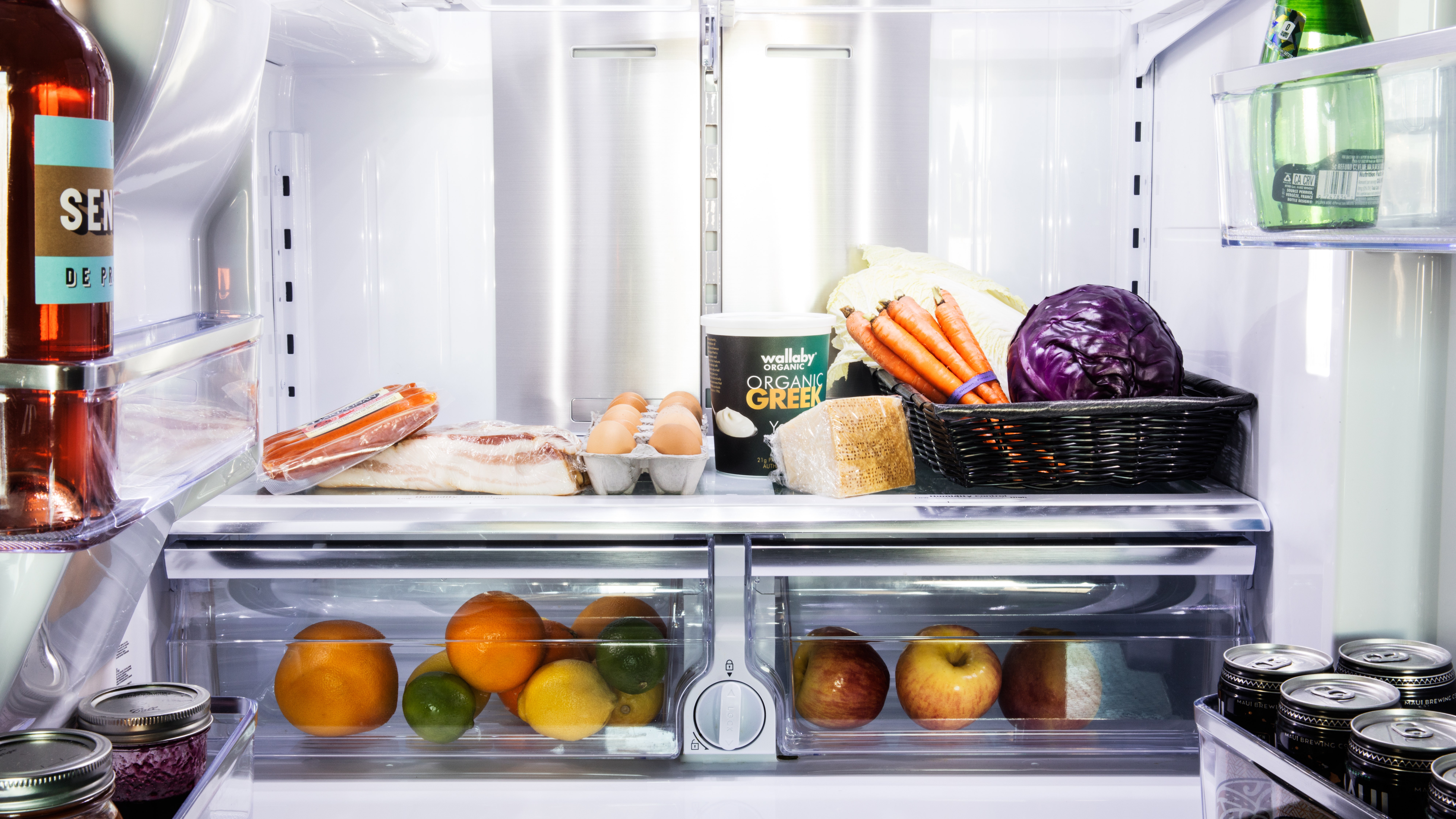
The Importance of Organizing Your Fridge
Properly organizing your fridge is more than just about neatness. A well-organized fridge can actually save you money by reducing food waste. When everything has its place, you won’t overlook ingredients that could spoil before they’re used.
Think of your fridge as being divided into zones, each serving a purpose. Keeping similar items together helps you find them faster. It also helps in maintaining the right temperature for different types of foods.
An organized fridge makes meal prep easier. Imagine having all your veggies prepped and easily accessible. This kind of setup can speed up your cooking process and make healthy eating more convenient.
Health experts recommend maintaining an organized fridge for another reason: food safety. When raw meats are kept on the bottom shelf, they minimize the risk of contamination. This helps ensure that your meals are safe to eat.
Understanding the Concept of Zones in Your Fridge
Fridges have different areas designed to store various types of food. Each zone has an optimal temperature, which helps in keeping food fresh longer. Knowing which zone to use can improve food safety and reduce waste.
The Upper Shelves
The upper shelves are the warmest sections of your fridge. They are ideal for storing leftovers and ready-to-eat foods like deli meats and drinks. Avoid placing raw meat here to prevent the risk of cross-contamination.
Dairy products also do well on the upper shelves. It's easy to grab milk or yogurt from this height. Storing these items here can help them stay fresher for a longer period.
Keep your beverages and ready-to-eat snacks at eye level for easy access. This makes it quick to see what you have available. Keeping frequently used items visible also helps reduce food waste.
Middle Shelves
The middle shelves maintain a steady, cool temperature ideal for foods that need consistent refrigeration. This zone is perfect for storing eggs, dairy, and prepared meals. It’s a great place to keep items that you use frequently in cooking.
Using clear storage containers for leftovers can make it easy to see what’s inside. Proper labeling with dates can also help you track what needs to be used soon. This encourages less food waste.
Keep herbs and delicate produce here as well. Storing them in this cooler zone keeps them crisp and fresh. Remember to place these items towards the front so they don't get forgotten.
Lower Shelves and Bins
The lower shelves are the coldest areas of your fridge, making them ideal for raw meat and seafood. Keeping these items low reduces the risk of drips contaminating other foods. Always use dedicated storage bins for these products.
Fruits and vegetables often have dedicated drawers. Different humidity settings in these bins can cater to the optimal storage conditions for each type. This helps keep produce fresh and reduces spoilage.
Use clear bins or organizers to store smaller items like cheese and deli meats. This setup makes it easier to locate items quickly. Grouping similar products together can also save time during meal prep.
The First Rule: The Top Shelf
The top shelf is one of the warmer areas of your fridge. It’s perfect for storing leftovers and ready-to-eat foods like deli meats and snacks. Keeping these items easily accessible can help reduce meal prep time.
Avoid placing raw meat on the top shelf. This can prevent potentially harmful drips from contaminating other foods. Instead, store dairy products such as cheese and yogurt here.
The easy visibility of the top shelf makes it ideal for foods that need to be used quickly. This reduces the chance of forgetting about them. It can help cut down on food waste and save you money.
Use clear containers to store your leftovers. This makes it easy to see what you have. Proper labeling with dates can also help in keeping track of when to use them.
The Second Rule: The Middle Shelf
The middle shelf in your fridge is one of the most versatile areas. This zone maintains a steady, cool temperature perfect for foods that require consistent refrigeration. It's ideal for storing dairy, eggs, and leftovers.
Using clear storage containers for leftovers on this shelf can simplify your meal prep. You can easily see what you have and thus avoid wasting food. Additionally, labeling these containers with dates ensures you use them in a timely manner.
Place your dairy products like milk and cheese on the middle shelf. Keeping these items at eye level makes them easy to grab. This storage method can help maintain their freshness for a longer period.
Eggs also do well on the middle shelf, as it keeps them at a consistent temperature. Store them in their original carton for best results. This can help prevent them from absorbing any fridge odors.
Avoid crowding the middle shelf to allow proper air circulation. This helps keep the temperature even throughout, ensuring your food stays fresh. Overcrowding can lead to cold spots and uneven cooling.
Reserve some space on the middle shelf for prepped meals and snacks. Having these items easily accessible encourages healthier eating choices. It also makes your daily routine more efficient.
The Third Rule: The Lower Shelf and Bins
The lower shelf in your fridge is the coldest area. This makes it ideal for storing raw meats and fish. Using designated bins for these items can prevent cross-contamination with other foods.
Fruits and vegetables thrive in the dedicated drawers or bins. These compartments often have adjustable humidity settings. Adjusting these settings ensures your produce stays fresh longer.
Keep fruits in one bin and vegetables in another to maximize freshness. Different items have varying humidity needs. Separating them can prolong their shelf life.
Consider using clear bins or organizers for smaller items like cheeses and deli meats. This makes it easy to spot what you need quickly. Grouping similar items together helps save time during meal prep.
The lower shelf offers consistent cold temperatures that are perfect for dairy products as well. Store milk and other dairy items here to maintain their freshness. Keeping these items towards the back ensures they stay the coldest.
Remember to clean these bins and shelves regularly to prevent any potential contamination. A consistent cleaning routine helps maintain a healthier kitchen environment. It also ensures that your food remains safe to consume.
The Fourth Rule: Door Shelves and How to Use Them Effectively
Door shelves are typically the warmest areas of your fridge. This makes them ideal for items that are less perishable. Store condiments, salad dressings, and sauces here for easy access.
Avoid placing milk or eggs on the door shelves. These items require a consistently cold environment. Instead, keep them on the middle or lower shelves to maintain their freshness.
Utilize the door shelves for frequently used items. This helps you grab what you need quickly and efficiently. Having a designated spot for these items helps keep the rest of the fridge organized.
Group similar items together on the door shelves. For example, place all your salad dressings in one section and condiments in another. This helps you find what you need without rummaging through the fridge.
Use clear bins or small organizers to keep smaller jars and bottles in place. This prevents them from tipping over and making a mess. It also helps create more space for other items.
Regularly check the door shelves for expiration dates. Rotate items as needed to ensure fresher items are used first. This practice helps in reducing food waste and ensuring everything is safe to consume.
The Fifth Rule: Maintenance of Fridge Organization
Maintaining a well-organized fridge requires regular effort. Consistently monitoring and cleaning can help preserve food quality. Regular maintenance ensures items remain fresh and safe to eat.
Create a weekly routine to check for expired items. Dispose of anything past its prime to keep your fridge clutter-free. This practice helps make room for new groceries.
Wipe down shelves and bins during your routine check. Use mild cleaning agents that are safe for food storage areas. A clean fridge prevents the growth of bacteria.
Keep an inventory list visible on your fridge door. Update it as you add or remove items. This helps you track what you have and plan meals more efficiently.
- Check expiration dates weekly.
- Wipe shelves and bins regularly.
- Maintain an updated inventory list.
Practice the First In, First Out (FIFO) method by rotating older items to the front. This ensures they are used before newer ones, reducing waste. It also helps in keeping track of what needs to be consumed sooner.
Avoid overfilling your fridge to allow proper air circulation. Proper spacing keeps the temperature consistent throughout the appliance. Overcrowding can lead to uneven cooling and spoilage.
The Sixth Rule: Adapting the Rules to Match Your Lifestyle
While there are general guidelines for fridge organization, it's essential to tailor them to suit your lifestyle. Different households have different needs. Personalizing your fridge organization can make your daily routine more efficient.
If you meal prep, dedicate specific zones for pre-prepared meals and ingredients. This can streamline your busy mornings. Having a designated area helps keep everything you need in one place.
For families with children, consider placing snacks at kid-friendly heights. This can encourage independence and make it easier for them to help themselves. Grouping similar items together can make the process smoother.
Vegetarians might need more space for fresh produce, so customize your bins accordingly. Use adjustable shelves to create the right amount of space. This flexibility can help prevent squishing delicate items.
- Meal preppers: designate zones for meal components.
- Families: place snacks where children can reach.
- Vegetarians: adjust bins to accommodate more produce.
If you often buy large amounts of food, consider adding extra storage solutions like bins and racks. This can help you stay organized even with a full fridge. It also makes finding what you need much easier.
By adapting these rules to your specific needs, you can create a fridge system that truly works for you. This not only makes your life easier but also ensures your food stays fresher longer. Effective organization is about maximizing convenience and efficiency.
Frequently Asked Questions
Organizing your fridge can enhance food safety, reduce waste, and make meal prep easier. Here are some common questions experts ask about effective fridge organization.
1. Why is it important to separate raw meat from other foods in the fridge?
Raw meat should always be stored on the bottom shelf of the fridge to prevent its juices from dripping onto other foods. This simple practice helps avoid cross-contamination that can lead to foodborne illnesses.
Keeping raw meat in sealed containers can add an extra layer of safety. By dedicating a specific area for raw meats, you also make it easier to manage and track these items.
2. What kinds of foods should be kept on the top shelf?
The top shelf of a fridge is generally one of the warmer areas. It’s best suited for ready-to-eat foods like leftovers, beverages, and snacks that don't need very cold temperatures.
Dairy products such as yogurt and cheese can also be stored here for easy access. Having these items at eye level minimizes clutter and helps you find what you need quickly.
3. How often should you clean your fridge?
A thorough cleaning every three to four months is recommended to keep your fridge sanitary. Remove all items, wipe down surfaces with mild soap or a vinegar solution, and ensure shelves are dry before replacing food.
Regularly cleaning spills immediately can help maintain cleanliness between deep cleans. This not only keeps your fridge looking nice but also prevents bad odors and mold growth.
4. Can organizing a fridge actually save money?
Yes, organizing your fridge can reduce food waste by making it easier to see what you have and ensuring items are used before they expire. An organized layout also prevents overbuying since you’ll know exactly what's already available at home.
This efficiency leads to less wasted food and fewer trips to the grocery store. Over time, reducing waste translates into significant financial savings.
5. How do adjustable shelves contribute to better fridge organization?
Adjustable shelves allow you to customize your refrigerator’s interior based on your storage needs which range from large pots during holiday seasons to everyday meal-prepping containers.This flexibility maximizes space utilization.
By adjusting shelves according to the size of ingredients or containers you use most often, finding what you need becomes simpler.An adaptable setup reduces clutter, making it easy for everyone in the household to locate items efficiently.
'Conclusion
Organizing your fridge effectively not only enhances food safety but also maximizes efficiency in your daily routine. By following these six rules, you can make the most out of your fridge space and reduce food waste. Properly stored items stay fresher longer, saving you both time and money.
Adapting these guidelines to fit your lifestyle ensures a tailored approach that meets your specific needs. Whether you're a meal prepper, a family with kids, or someone who buys in bulk, these strategies will help you maintain an organized, hygienic, and efficient refrigerator. An organized fridge leads to a more streamlined kitchen experience.
