4 Natural Ways To Manage Barretts Esophagus
Imagine a world where a natural approach to managing Barrett's Esophagus could significantly improve patients' quality of life. For many, the concept might seem surprising, given the chronic nature of this condition. However, a growing body of evidence supports several natural methods that may help alleviate symptoms and progression.
Historically, lifestyle modifications have shown promise in managing this condition. Incorporating a diet rich in fruits and vegetables, maintaining a healthy weight, and reducing alcohol consumption are highly recommended. A 2020 study revealed that these adjustments significantly reduced the risk of disease progression, offering a glimmer of hope for those affected.
- Adopt a diet rich in fruits, vegetables, and whole grains while avoiding foods that trigger acid reflux like spicy foods and alcohol.
- Engage in regular exercise such as walking or swimming to maintain a healthy weight and reduce pressure on the stomach.
- Incorporate stress management techniques like yoga, meditation, and deep-breathing exercises to help lower stress levels.
- Quit smoking and limit alcohol consumption to prevent further irritation of the esophagus.
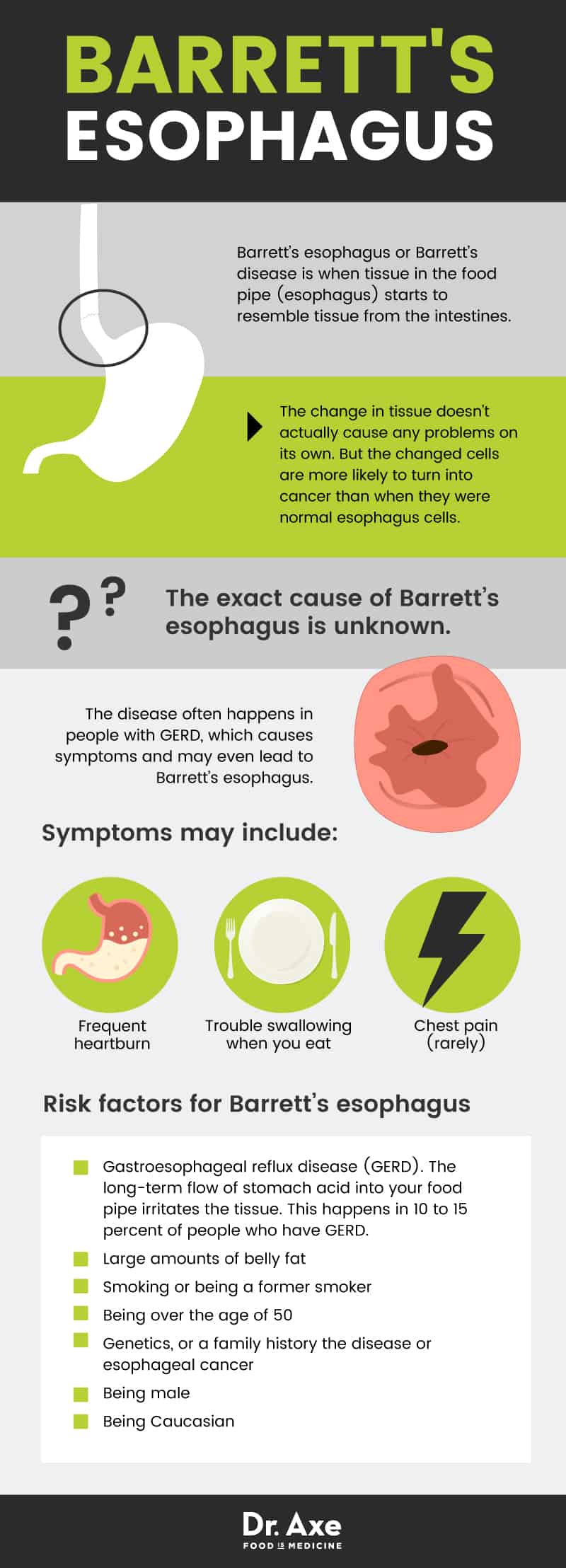
Unveiling Barrett's Esophagus: A Brief Overview
Barrett's Esophagus is a condition where the lining of the esophagus changes. The normal tissues turn into tissues that resemble the lining of the intestine. This happens mainly due to chronic acid reflux.
Chronic acid reflux, also known as GERD, regularly sends stomach acids up into the esophagus. Over time, this can lead to the development of Barrett's Esophagus. This condition doesn't cause immediate symptoms but can increase the risk of esophageal cancer.
Risk factors include obesity, smoking, and having a family history of the condition. Men are more likely to be affected than women. Being aware of these risks can help in early detection and management.
Doctors usually diagnose Barrett's Esophagus through an endoscopy. During this procedure, a flexible tube with a camera examines the esophagus. Identifying the condition early can lead to more effective treatment.
Traditional Approach to Managing Barrett's Esophagus
The traditional approach to managing Barrett's Esophagus involves medications and lifestyle changes. These methods aim to control acid reflux and prevent further damage to the esophagus. Additionally, in severe cases, doctors may recommend surgical procedures.
Medication for Barrett's Esophagus
Medications are a primary tool in managing Barrett's Esophagus. Proton pump inhibitors (PPIs) are often prescribed to reduce stomach acid production. This helps to prevent further irritation of the esophageal lining.
Antacids and H2 blockers are also used to neutralize existing stomach acid. They provide quick relief from acid reflux symptoms. These medications are usually available over-the-counter or by prescription.
Regular follow-ups with a doctor are crucial while taking these medications. It ensures that the treatment is effective and adjusts if needed. Long-term use should be monitored carefully to avoid potential side effects.
Lifestyle Changes
Adopting lifestyle changes can significantly help in managing Barrett’s Esophagus. Maintaining a healthy weight plays a crucial role. Obesity increases the pressure on the stomach, promoting acid reflux.
Avoiding foods that trigger acid reflux is also essential. Spicy foods, citrus fruits, and caffeinated drinks are common culprits. Small, frequent meals can also help manage symptoms better.
It's important to stop smoking and limit alcohol consumption. Both habits can worsen acid reflux and increase complications. A healthier lifestyle contributes to better overall management of the condition.
Surgical Procedures
Surgery is usually considered when medications and lifestyle changes are not enough. One common procedure is fundoplication. It involves wrapping the top part of the stomach around the esophagus to strengthen the lower esophageal sphincter.
Another surgical option is endoscopic resection. This procedure removes damaged cells from the lining of the esophagus. It's minimally invasive and usually performed with an endoscope.
Ablation therapy is another method used to destroy abnormal cells. Techniques like radiofrequency ablation use heat to remove damaged tissue. Consulting with a specialist helps determine the best approach.
Shifting the Paradigm: Natural Ways to Manage Barrett's Esophagus
Exploring natural ways to manage Barrett's Esophagus can offer alternative solutions. These methods often focus on lifestyle and dietary changes. They aim to alleviate symptoms and improve quality of life.
Diet plays a significant role in managing this condition. Consuming a diet rich in fruits, vegetables, and whole grains can help. Avoiding trigger foods like spicy dishes and carbonated drinks is also crucial.
- Eat smaller, frequent meals.
- Stay upright after eating.
- Avoid late-night snacks.
Regular exercise is another important natural technique. Physical activity helps maintain a healthy weight, reducing pressure on the stomach. Simple exercises like walking or swimming can be effective.
Managing stress is equally important. Stress can worsen acid reflux, so adopting relaxation techniques is beneficial. Practices like yoga, meditation, and deep-breathing exercises can make a big difference.
Distinctive Natural Technique: The Power of Diet
Diet can play a crucial role in managing Barrett's Esophagus. Eating the right foods can help reduce acid reflux and prevent further damage. Including plenty of fresh fruits and vegetables in your meals is a good starting point.
Some foods are known to trigger acid reflux and should be avoided. These include spicy foods, caffeine, and carbonated drinks. Monitoring what you eat can help in identifying which foods cause problems.
- Opt for lean proteins like chicken and fish.
- Choose whole grains like oats and brown rice.
- Avoid acidic foods such as tomatoes and citrus fruits.
Eating smaller, more frequent meals can also be beneficial. Large meals put pressure on the stomach, increasing the risk of acid reflux. Smaller portions can help manage this condition more effectively.
Hydration is another key factor. Drinking plenty of water helps with digestion and keeps acid levels in check. However, it's best to avoid drinking large amounts of water during meals.
Lastly, paying attention to meal timing can make a big difference. Avoid eating late at night and try not to lie down immediately after eating. This simple change can significantly reduce symptoms of Barrett's Esophagus.
Focus on Fitness: The Impact of Regular Exercise
Regular exercise offers numerous benefits for managing Barrett's Esophagus. Physical activity helps maintain a healthy weight, which can reduce pressure on the stomach. This decrease in pressure often results in fewer acid reflux episodes.
Different types of exercises can be helpful. Low-impact activities like walking, swimming, or cycling are excellent choices. They prevent unnecessary strain on the body while promoting overall fitness.
- Walking for 30 minutes a day
- Engaging in light aerobics
- Practicing yoga for relaxation
Consistency in exercise is key to seeing benefits. It’s not about doing intense workouts but rather maintaining a regular routine. Gradually increasing the duration and intensity can help manage symptoms effectively.
Exercise also plays a role in stress reduction. Stress often worsens acid reflux, so reducing it is crucial. Techniques like yoga or tai chi combine physical activity with relaxation, addressing both fitness and stress management.
Lastly, considering the timing of workouts is important. Avoid exercising immediately after eating to prevent acid reflux. Opting for exercise sessions before or well after meals ensures better management of Barrett's Esophagus.
Remedy in Relaxation: The Influence of Stress Management
Managing stress can have a significant impact on Barrett’s Esophagus. Stress often exacerbates acid reflux, making symptoms worse. Finding effective ways to relax can help mitigate these effects.
Relaxation techniques like deep-breathing exercises can be very beneficial. They help calm the nervous system and reduce stress levels. This, in turn, can lead to fewer acid reflux episodes.
- Practice deep-breathing for 5 minutes daily.
- Include mindfulness meditation in your routine.
- Try progressive muscle relaxation techniques.
Yoga is another excellent method for stress management. Combining physical postures with breath control, it improves both mental and physical well-being. Even practicing simple poses can make a big difference.
Getting adequate sleep is crucial for stress and acid reflux management. Lack of sleep can increase stress hormones, which may worsen acid reflux. Establishing a regular sleep schedule can promote relaxation and better health.
Engaging in hobbies and activities you enjoy also helps reduce stress. Activities like reading, painting, or gardening can be very calming. These hobbies provide a break from daily stressors, contributing to better overall health.
Breaking Dependencies: Alcohol and Tobacco Cessation
Alcohol and tobacco can significantly worsen Barrett’s Esophagus. These substances are known to increase acid production and weaken the esophageal lining. Therefore, quitting alcohol and tobacco is crucial for better management of this condition.
Quitting smoking can be challenging but highly beneficial. Nicotine in cigarettes relaxes the lower esophageal sphincter, making reflux more frequent. Support groups and nicotine patches can aid in quitting this harmful habit.
- Join a smoking cessation program.
- Use nicotine replacement therapies like patches or gum.
- Avoid triggers that make you want to smoke.
Avoiding alcohol is equally important. Alcohol relaxes the muscles around the esophagus, contributing to acid reflux. Reducing or eliminating alcohol intake can lead to fewer symptoms and less damage.
Finding healthier alternatives to manage stress can also help ease the transition. Activities like exercising, meditating, or engaging in hobbies provide a positive outlet. They serve as great substitutes for smoking or drinking when feeling stressed.
Support from friends, family, or professional counselors makes a big difference. Sharing your goals with those close to you provides emotional support. Professional guidance offers tailored strategies for quitting successfully.
Sustaining the Natural Approach: Strategic Lifestyle Changes
Maintaining a natural approach to managing Barrett's Esophagus requires ongoing lifestyle changes. These changes must be strategically implemented into daily routines for lasting effects. Small, consistent adjustments can significantly improve symptoms.
Diet is a cornerstone of these lifestyle changes. Eating smaller, frequent meals helps prevent pressure on the stomach. Opt for whole foods over processed ones to ensure a balanced intake of nutrients.
- Focus on lean proteins like chicken and fish.
- Include whole grains such as oatmeal and brown rice.
- Avoid foods that trigger acid reflux, like spicy dishes and alcohol.
Physical activity should also be a key part of your routine. Regular exercise helps maintain a healthy weight and reduces acid reflux. Simple activities like walking or stretching can be very effective.
Stress management techniques are equally essential. Practices like yoga, meditation, and deep-breathing exercises can help. These activities lower stress levels and reduce acid reflux episodes.
Hydration is another crucial factor. Drinking plenty of water facilitates better digestion and keeps stomach acid levels in check. Avoid drinking large amounts of water during meals to prevent bloating and discomfort.
Frequently Asked Questions
Here are some common questions related to managing Barrett's Esophagus naturally. These answers aim to provide concise, helpful information for those seeking alternative treatment options.
1. What foods should I avoid with Barrett's Esophagus?
Avoiding certain foods is crucial in managing Barrett's Esophagus effectively. Foods like spicy dishes, citrus fruits, and caffeinated drinks can worsen symptoms. These items tend to increase acid production and irritate the esophagus.
Fatty foods and fried items should also be avoided as they slow down digestion. Additionally, cutting out chocolate and mint is advisable since they relax the lower esophageal sphincter, increasing the risk of acid reflux.
2. How does regular exercise benefit individuals with Barrett's Esophagus?
Regular exercise helps in maintaining a healthy weight, which reduces pressure on the stomach. This lessens the likelihood of acid reflux episodes occurring frequently. Activities like walking or swimming are ideal choices.
Exercise also promotes better digestion and helps manage stress levels. Lower stress directly impacts the frequency of acid reflux attacks, offering added relief for individuals with Barrett’s Esophagus.
3. Are there specific types of yoga beneficial for managing Barrett’s Esophagus?
Yes, certain types of yoga can be specifically beneficial for managing Barrett’s Esophagus. Hatha yoga focuses on gentle movements and breathing exercises that help reduce stress and improve digestion.
Restorative yoga includes poses that promote relaxation, which is essential in lowering stress-induced acid reflux episodes. Incorporating these practices into your routine can provide significant relief.
4. Can quitting smoking help manage Barrett’s Esophagus symptoms?
Quitting smoking can greatly help manage symptoms related to Barrett’s Esophagus by reducing irritation of the esophageal lining. Nicotine weakens the lower esophageal sphincter, allowing more acid to enter the esophagus.
This not only decreases symptom severity but also lowers long-term risks associated with tobacco use such as developing complications or even cancerous changes in affected tissues.
5. What role does hydration play in managing Barrett's Esophagus?
Adequate hydration aids in better digestion and keeps stomach acids diluted, thus preventing them from causing severe damage to the esophageal lining. Drinking enough water throughout the day is key.
Avoid drinking large amounts during meals to prevent bloating or discomfort that may exacerbate acid reflux symptoms. Sipping water between meals ensures you stay hydrated without triggering any adverse effects.
Conclusion
Managing Barrett's Esophagus through natural methods can provide significant relief and improve quality of life. By focusing on diet, regular exercise, stress management, and quitting smoking, individuals can better control their symptoms. These strategies require commitment, but the benefits are well worth it.
It's essential to consult healthcare professionals to tailor these natural methods to individual needs. Combining traditional approaches with natural remedies offers a holistic path to managing Barrett's Esophagus effectively. This balanced approach can lead to long-term health and well-being.
