10 Of The Highest Protein Fruits For A Healthy Diet
It might come as a surprise, but some fruits are packed with more protein than you might think. While they're mainly known for their vitamins and fiber, incorporating these high-protein fruits can significantly boost your nutritional intake. Whether you're vegan, vegetarian, or just looking to diversify your protein sources, these fruits can be a delicious and healthy addition to your diet.
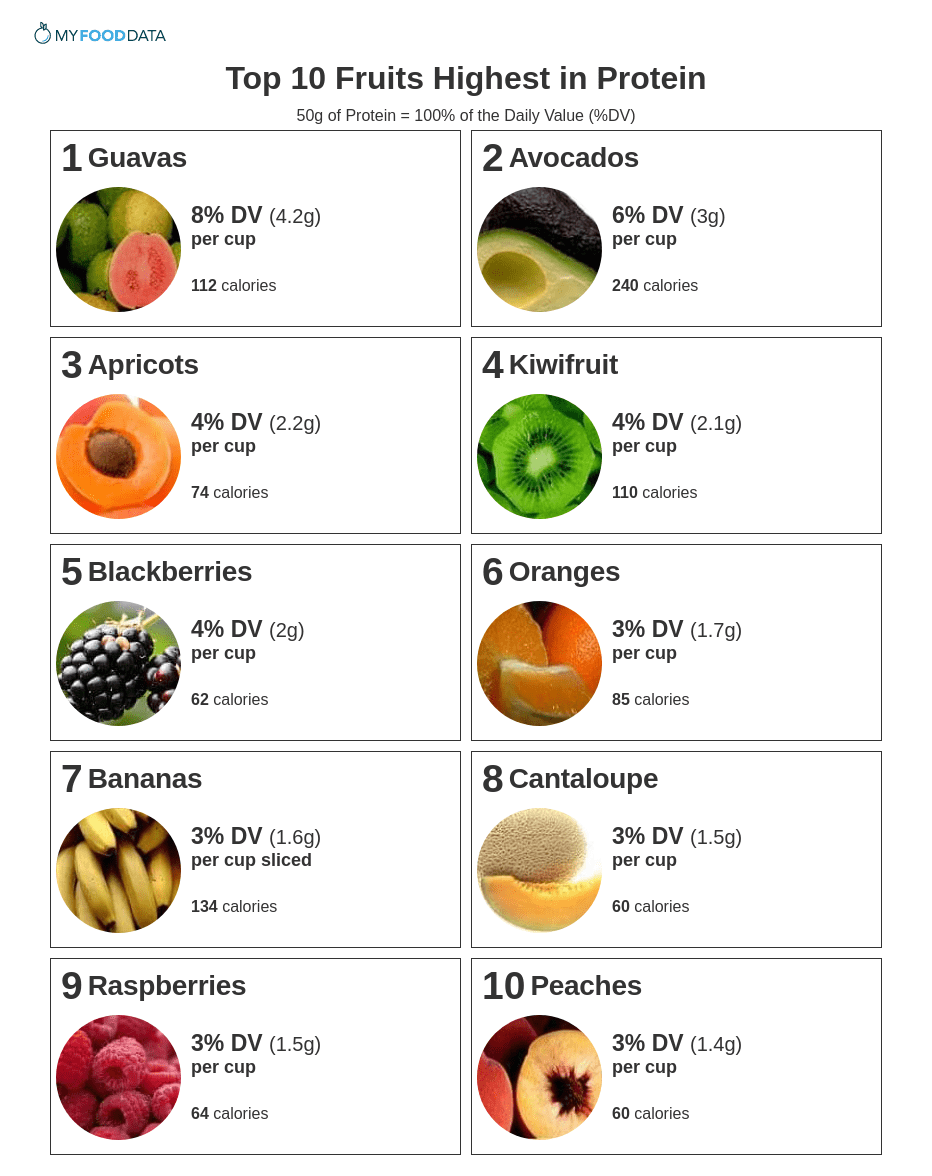
Historically, fruits have been a staple in human diets due to their natural sweetness and rich nutrient profiles. However, research reveals that some fruits, like guava and blackberries, pack as much as 2–4 grams of protein per serving. Such varieties not only satisfy your taste buds but can also support muscle repair and overall wellness.
- Guava: 4.2 grams of protein per cup
- Avocado: 3 grams of protein per fruit
- Blackberries: 2 grams of protein per cup
- Kiwis: 2.1 grams of protein per fruit
- Bananas: 1.3 grams of protein per banana
- Oranges: 1.2 grams of protein per orange
- Cherries: 1.6 grams of protein per cup
- Pomegranates: Offers good protein along with fiber and vitamins
- Apricots: Contains both fresh and dried forms rich in protein
- Berries (general including strawberries, raspberries): All beneficial for a healthy diet with decent levels of protein.
Leading Protein-Rich Fruits
Many people think fruits are just for vitamins and fiber, but some are also packed with protein. Adding these fruits to your diet can boost your protein intake naturally. They offer a tasty and wholesome way to stay healthy.
When choosing protein-rich fruits, it's important to look at their overall nutritional value. Fruits like guava, avocados, and blackberries stand out due to their high protein content. They also come with other essential nutrients and antioxidants.
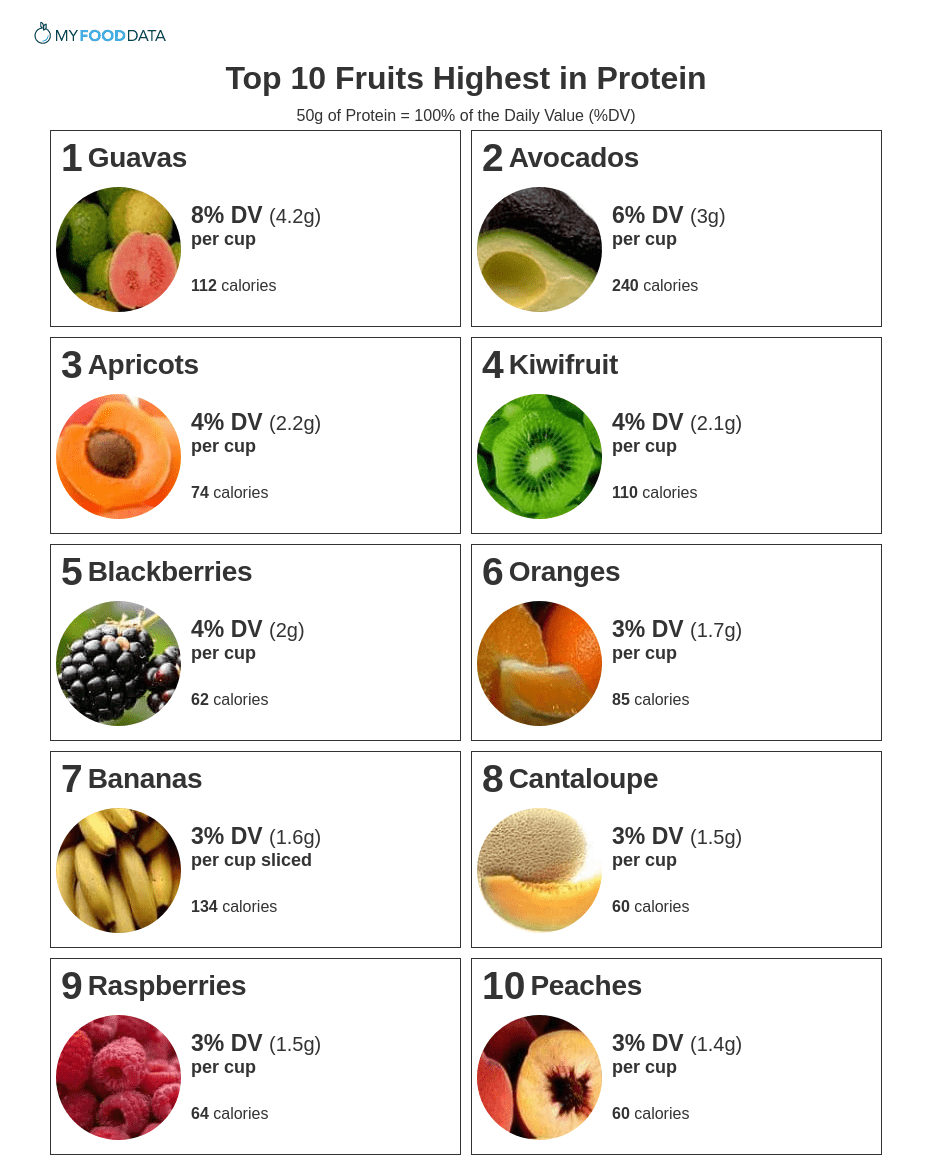
To make things easier, here's a list of some leading protein-rich fruits:
- Guava
- Avocado
- Blackberries
- Kiwis
- Oranges
Consuming these fruits regularly can help meet your daily protein needs. They are versatile, making them easy to include in various meals and snacks. Try blending them into smoothies, adding them to salads, or enjoying them fresh.
Protein Content in Fruits
Different fruits offer varying amounts of protein. For instance, guavas top the list with roughly 4.2 grams of protein per cup. Meanwhile, blackberries deliver about 2 grams per cup.
Below is a simple table to show the protein content in some fruits:
| Fruit | Protein (grams per cup) |
|---|---|
| Guava | 4.2 |
| Blackberries | 2.0 |
| Kiwis | 2.1 |
| Oranges | 1.2 |
Using this information, you can better choose fruits that align with your protein goals. Remember, eating a variety of these fruits ensures you get a range of other nutrients too.
Health Benefits Beyond Protein
These high-protein fruits do more than just boost protein intake. They also provide essential vitamins, minerals, and antioxidants. For example, avocados are rich in healthy fats and fiber.
Fruits like kiwi and oranges are excellent for their vitamin C content. This vitamin boosts your immune system and helps with skin health. Including such fruits in your diet offers multiple health benefits.
Incorporating a mix of these fruits into your daily routine can improve overall well-being. They can help with digestion, energy levels, and even mood. Eating a balanced diet with these protein-rich fruits is a step towards better health.
Guava - The Tropical Protein Powerhouse
Guava stands out as a sweet, tropical fruit that's rich in protein. Commonly found in warm climates, it offers around 4.2 grams of protein per cup. This high protein content makes it a valuable addition to any diet.
Nutrient Profile
Guava is not only high in protein. It’s also packed with essential vitamins and minerals. For instance, it’s a great source of vitamin C, which boosts the immune system.
Additionally, guava contains dietary fiber, which aids in digestion. Its antioxidants help in reducing inflammation and improving skin health. Adding guava to your diet can bring multiple health benefits.
Below is a quick overview of its nutrient content:
| Nutrient | Amount per Cup |
|---|---|
| Protein | 4.2 grams |
| Vitamin C | 377 mg |
| Dietary Fiber | 9 grams |
| Calories | 112 |
Ways to Enjoy Guava
Guava is a versatile fruit that can be enjoyed in many forms. Fresh guava is delicious on its own or sliced into salads. Many people also love making guava juice.
Another popular option is using guava in smoothies. Blend it with other fruits like bananas and strawberries for a nutrient-packed drink. You can also grill guava for a tasty dessert.
Here's a simple recipe idea:
- Guava Salad: Mix diced guava, cucumber, and mint leaves. Add a squeeze of lime for a refreshing touch.
Guava's Health Benefits
Eating guava can significantly improve your overall well-being. Its high vitamin C content strengthens your immune system. Also, the fiber in guava supports a healthy digestive tract.
Moreover, the antioxidants in guava can help fight oxidative stress. This means better skin health and lower inflammation. People with diabetes can also benefit from guava as it helps regulate blood sugar levels.
In summary, guava is more than just a tasty fruit; it's a nutrient powerhouse. Incorporating it into your diet ensures you get a blend of vitamins, proteins, and other essential nutrients.
Avocado - More than Just Good Fats
Avocados are celebrated for their healthy fats, but they're also a good source of protein. Each avocado contains about 3 grams of protein, making it a nutritious choice. This fruit is perfect for those looking to boost their protein intake naturally.
Besides protein, avocados are rich in vitamins and minerals. They provide essential nutrients like potassium, folate, and vitamins C and E. These nutrients support overall health and well-being.
Avocados are incredibly versatile in the kitchen. You can mash them into guacamole, slice them for salads, or even blend them into smoothies. Their creamy texture and mild flavor complement many dishes.
Here are some ways to enjoy avocados:
- Mashed on toast
- Blended into dips
- Sliced in sandwiches
- Mixed in salads
Blackberries – Tiny but Mighty
Blackberries are small, but they pack a big nutritional punch. With about 2 grams of protein per cup, they make a great addition to any diet. These berries are also rich in vitamins, fiber, and antioxidants.
They are an excellent source of vitamin C and vitamin K. These vitamins help support the immune system and bone health. Eating blackberries regularly can enhance your overall well-being.
In addition to vitamins, blackberries are full of dietary fiber. This fiber aids in digestion and helps maintain a healthy gut. Including them in your meals can promote better digestive health.
Here's a quick snapshot of blackberry nutrition:
| Nutrient | Amount per Cup |
|---|---|
| Protein | 2.0 grams |
| Vitamin C | 30 mg |
| Fiber | 8 grams |
| Calories | 62 |
Blackberries can be enjoyed in many delicious ways. You can add them to cereal, smoothies, or salads. They also make a tasty and healthy snack on their own.
Here's a simple idea to enjoy blackberries:
- Blend them into a morning smoothie with yogurt and honey.
- Add them to a fresh fruit salad with mint leaves.
Incorporating blackberries into your diet is easy and beneficial. Their small size and strong flavor make them a favorite for many. Choose blackberries for a protein boost and additional nutrients.
Kiwis – Small Size, Big Protein Punch
Kiwis are small but packed with nutrients, including protein. Each kiwi contains about 2.1 grams of protein. This makes them a fantastic choice for protein-rich snacks.
In addition to their protein content, kiwis are high in vitamin C and dietary fiber. These elements support immunity and digestion. Eating kiwis regularly can help maintain overall health.
Here's a quick look at kiwi nutrition:
| Nutrient | Amount per Kiwi |
|---|---|
| Protein | 2.1 grams |
| Vitamin C | 71 mg |
| Fiber | 2 grams |
| Calories | 42 |
Kiwis are highly versatile. You can blend them into smoothies, chop them for fruit salads, or simply eat them as they are. Their tangy-sweet flavor complements a variety of dishes.
Consider these ways to enjoy kiwis:
- Add slices of kiwi to your morning cereal or yogurt.
- Make a kiwi and berry smoothie.
- Include kiwi in a tropical fruit salad.
Adding kiwis to your diet is easy and beneficial. Their high nutrient content and delicious taste make them a go-to fruit for many. Choose kiwis for a tasty and protein-packed treat.
Know the Protein-Packed Bananas
Bananas are well-known for their quick energy boost and high potassium content. However, they also come with a modest amount of protein. Each banana contains about 1.3 grams of protein, making it a refreshing source of this vital nutrient.
In addition to protein, bananas are rich in dietary fiber and vitamins. They are an excellent source of vitamin B6 and vitamin C. These nutrients contribute to overall health and well-being.
Here's a brief look at banana nutrition:
| Nutrient | Amount per Banana |
|---|---|
| Protein | 1.3 grams |
| Vitamin B6 | 0.4 mg |
| Vitamin C | 10 mg |
| Fiber | 3 grams |
| Calories | 105 |
Bananas can be enjoyed in countless ways. You can add them to smoothies, oatmeal, or even bake them into bread. Their natural sweetness and creamy texture make them a popular choice.
Here are some easy ways to enjoy bananas:
- Slice them over cereal or yogurt for breakfast.
- Blend them with other fruits for a nutritious smoothie.
- Use mashed bananas as a healthier substitute in baking.
Incorporating bananas into your diet is simple and beneficial. Their mix of protein, vitamins, and fiber makes them a go-to fruit for many. Choose bananas for a convenient and nutritious snack.
Oranges – More Than Vitamin C
Oranges are famous for their high vitamin C content, but they also offer other valuable nutrients. Each orange provides about 1.2 grams of protein, adding to its nutrient profile. This makes it more than just a citrus delight.
Apart from vitamin C and protein, oranges are rich in fiber and folate. These elements support heart health and aid in digestion. Regular consumption can offer multiple health benefits.
Here's a quick look at orange nutrition:
| Nutrient | Amount per Orange |
|---|---|
| Protein | 1.2 grams |
| Vitamin C | 70 mg |
| Fiber | 3 grams |
| Folate (B9) | 40 mcg |
| Calories | 62 |
You can enjoy oranges in various ways, making them versatile for many recipes. They are perfect for fresh juices, fruit salads, or even as a refreshing snack. Their tangy and sweet flavor pairs well with different dishes.
Here are some ideas to include oranges in your diet:
- Add freshly squeezed orange juice to smoothies.
- Toss orange segments into a spinach salad.
- Zest the peel for added flavor in baked goods or savory dishes.
Incorporating oranges into your daily diet is easy and beneficial. Their mix of vitamins, protein, and fiber make them an excellent choice for overall well-being. Choose oranges not just for their vitamin C but also for the numerous other nutrients they offer.
Cherries – The Underestimated Protein Source
Cherries are often overlooked when considering protein-rich fruits. With about 1.6 grams of protein per cup, they are a tasty and nutritious choice. Their vibrant color and sweet flavor make them appealing to many.
In addition to protein, cherries are packed with antioxidants and vitamins. They provide vitamin C, potassium, and fiber. These nutrients help protect against inflammation and boost heart health.
Here's a summary of cherry nutrition:
| Nutrient | Amount per Cup |
|---|---|
| Protein | 1.6 grams |
| Vitamin C | 10 mg |
| Fiber | 3 grams |
| Calories | 87 |
There are many delicious ways to enjoy cherries. They can be eaten fresh, added to desserts, or blended into smoothies. Their sweet-tart flavor is a delightful addition to various dishes.
Here are some ideas to include cherries in your diet:
- Add fresh cherries to your morning yogurt or cereal.
- Blend them into a smoothie with other fruits.
- Use dried cherries in salads or trail mix.
Incorporating cherries into your diet is easy and enjoyable. Their unique flavor and rich nutrient content make them a fantastic choice. Choose cherries for a sweet, yet healthy, snack option.
Frequently Asked Questions
If you're curious about protein-rich fruits and including them in your diet, you're in the right place. These questions will help you understand how to make the most out of these nutritious options.
1. Which fruit has the highest amount of protein?
Among all fruits, guava stands out as having the highest protein content. It contains an impressive 4.2 grams of protein per cup, making it a top choice for those looking to increase their protein intake naturally.
Besides being high in protein, guava is also packed with vitamin C, fiber, and other essential nutrients. This makes it a well-rounded option for promoting overall health and wellness in your diet.
2. Can I meet my daily protein needs by eating just fruit?
While high-protein fruits can contribute to your daily protein intake, they may not be enough on their own. Most people need around 50 grams of protein per day, depending on age, sex, and activity level.
To meet your daily requirements solely through fruit would require consuming large quantities. It's best to combine these fruits with other high-protein foods like nuts, seeds, legumes, and lean meats.
3. Are there any other benefits of high-protein fruits besides their protein content?
Yes! High-protein fruits also provide a wealth of vitamins, minerals, and antioxidants that promote overall health. For instance, avocados offer healthy fats along with their protein content.
Kiwis are rich in vitamin C and fiber which boost immunity and aid digestion. Including these multifaceted fruits adds both flavor and health benefits to your meals.
4. How can I incorporate high-protein fruits into my diet easily?
There are many simple ways to incorporate these nutritious fruits into your meals and snacks. You can add sliced bananas or berries to your morning cereal or yogurt.
Mashing avocado onto toast or blending it into smoothies are other delicious options. Be creative—adding these fruits into salads or baking recipes can also enhance taste and nutrition effortlessly.
5. Are dried versions of these fruits also good sources of protein?
Dried versions of certain high-protein fruits like apricots can still offer substantial amounts of this nutrient as well as fiber. However, drying concentrates sugars and calories so it's important to consume them in moderate amounts.
Dried cherries can be added to trail mixes for an easy snack while maintaining nutritional benefits. Always check labels for added sugars which could negate some health advantages associated with whole fresh fruit consumption too rapidly otherwise!
Conclusion
Incorporating high-protein fruits into your diet offers a simple yet effective way to boost your nutritional intake. These fruits not only provide essential proteins but also deliver a host of other vital nutrients. Whether enjoyed fresh, dried, or blended, they add both flavor and health benefits to your meals.
Embracing a variety of these fruits can significantly enhance overall well-being. Guava, avocado, and other protein-packed fruits are versatile and delicious, making them easy to include in diverse dishes. Prioritizing these fruits is a step towards a healthier, more balanced diet.
