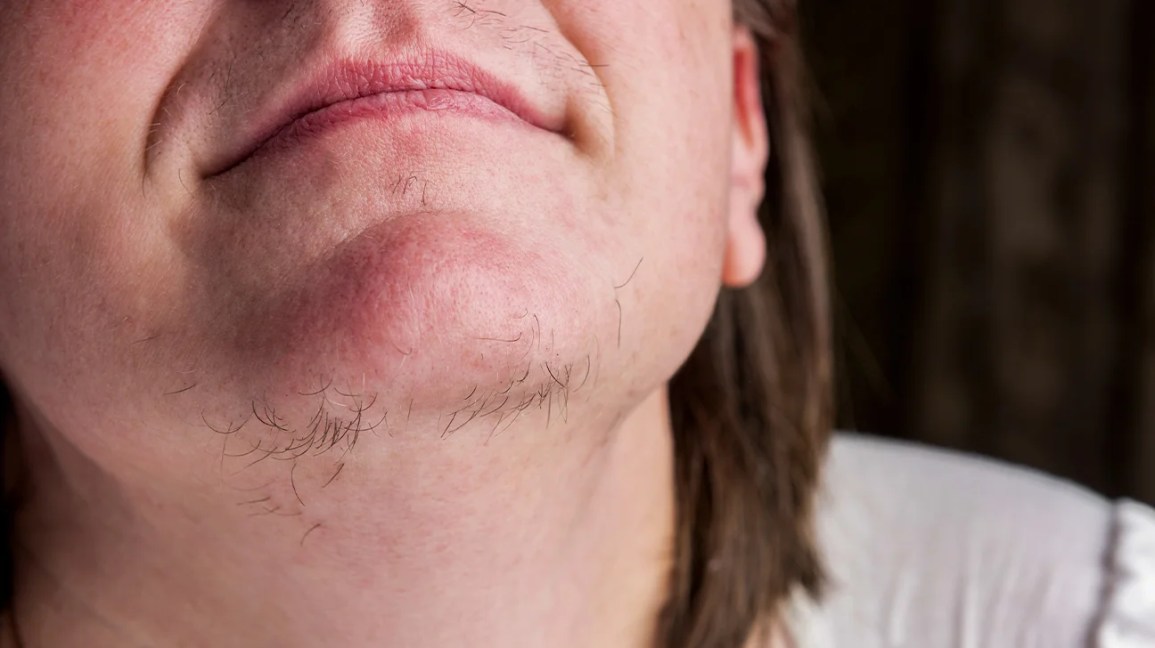
Does Hirsutism Go Away With Weight Loss?
It's fascinating to note that up to 70% of women with polycystic ovary syndrome (PCOS) experience hirsutism. This excessive hair growth can be distressing, often prompting searches for effective treatment. One common query is whether weight loss might mitigate this condition.
Weight loss does indeed play a pivotal role in managing hirsutism, particularly in cases linked to PCOS. Research indicates that even a modest reduction in body weight can lower androgen levels, leading to an improvement in symptoms. However, while weight loss can alleviate hirsutism, it's rarely a complete cure; a combination of lifestyle changes and medical treatments may offer the best outcomes.
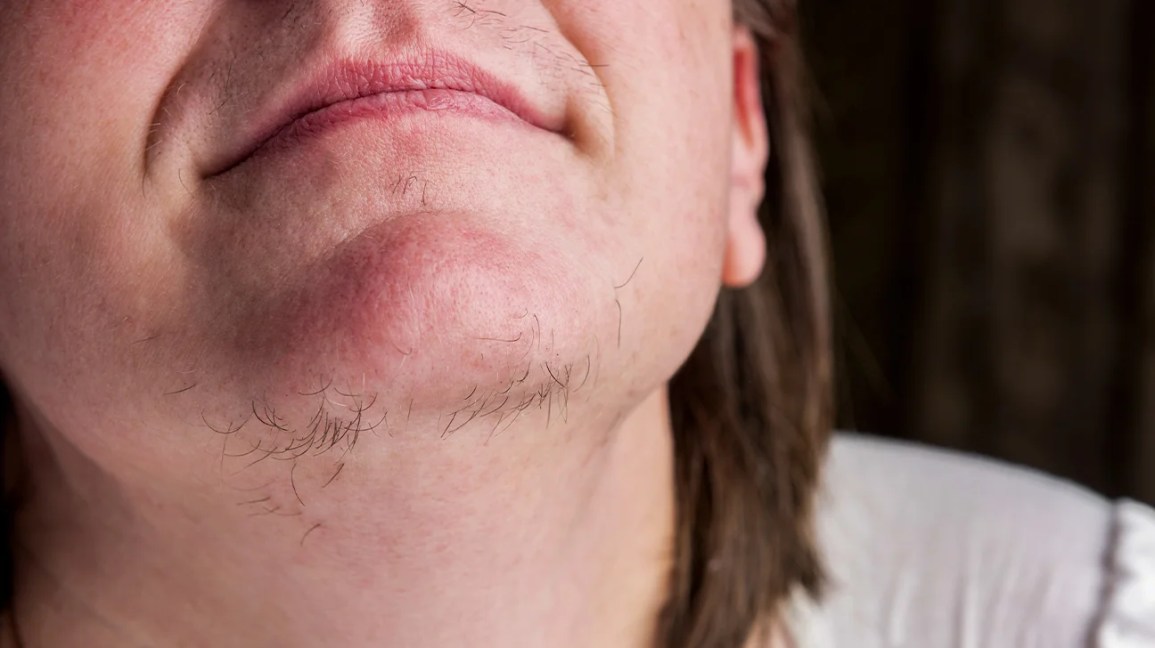
Decoding Hirsutism: An Overview
Hirsutism is a condition where women develop excessive hair growth in areas typically seen in men. This includes the face, chest, and back. Hirsutism can be a source of distress and impact self-esteem.
There are several causes of hirsutism, with hormonal imbalances being the most common. High levels of androgens, such as testosterone, often lead to this condition. Genetics can also play a significant role.
Hirsutism is frequently linked to polycystic ovary syndrome (PCOS), a hormonal disorder. Other causes include certain medications and adrenal gland disorders. Understanding the root cause is essential for effective treatment.
Treating hirsutism often involves a combination of lifestyle changes, medication, and sometimes cosmetic procedures. Weight loss and hormone therapy can help manage symptoms. Consulting with a healthcare provider is crucial for a tailored treatment plan.
The Connection Between Hirsutism and PCOS
Polycystic ovary syndrome (PCOS) is a common hormonal disorder affecting women of reproductive age. A frequent symptom of PCOS is hirsutism, or excessive hair growth. This connection is due to the high levels of androgens found in women with PCOS.
How PCOS Leads to Hirsutism
PCOS leads to an imbalance in the body's hormone production. Women with PCOS often have higher levels of androgens, male hormones present in small amounts in females. This hormonal imbalance triggers excessive hair growth in areas like the face, chest, and back.
Besides androgens, insulin resistance is common in PCOS. Elevated insulin can increase androgen levels. Therefore, insulin resistance exacerbates hirsutism.
Managing PCOS through various treatments can help reduce hirsutism. Lifestyle changes, like diet and exercise, are often recommended. Doctors may also prescribe medications to balance hormones.
Impact of Weight on PCOS and Hirsutism
Weight plays a significant role in managing PCOS symptoms. Excess weight can worsen insulin resistance, increasing androgen levels. This amplifies the symptoms of hirsutism.
Weight loss has shown to improve insulin sensitivity. Improved insulin sensitivity means fewer androgens. This can lead to reduced hair growth.
Even a small amount of weight loss can have positive effects. Losing just 5-10% of body weight can help manage PCOS symptoms. This also includes reducing hirsutism.
Medical Treatments for Hirsutism in PCOS
Several medications are available to manage hirsutism in PCOS. Oral contraceptives are often prescribed to regulate hormones. These can help reduce androgen levels and, in turn, hair growth.
Another option is anti-androgen medications. These work to block the effects of androgens on hair follicles. Examples include spironolactone and flutamide.
In some cases, topical treatments like eflornithine can be used. This cream slows down hair growth when applied to affected areas. Consulting a healthcare professional is essential for the right treatment plan.
Unveiling the Relationship Between Weight and Hirsutism
The link between weight and hirsutism is significant. Excess weight, especially from obesity, can exacerbate hirsutism symptoms. This is because weight gain affects the body's hormone balance.
Obesity can increase insulin resistance. When the body doesn't use insulin effectively, it produces more insulin. Elevated insulin levels, in turn, can raise androgen levels, leading to more hair growth.
Research suggests that losing weight can help reduce hirsutism. Even a modest weight loss of 5-10% can have positive effects. This weight loss can lead to lower androgen levels, easing the symptoms.
Effective weight management includes healthy eating and regular exercise. These lifestyle changes not only help in weight loss but also improve overall hormone balance. It's a holistic approach to managing hirsutism.
Can Weight Loss Alleviate Hirsutism?
Weight loss can indeed play a significant role in alleviating hirsutism. Research shows that reducing body weight can help lower androgen levels. These male hormones are often the culprits behind excessive hair growth.
The degree of improvement in hirsutism symptoms varies among individuals. Some may notice a substantial reduction in hair growth. Others might experience only slight changes.
Even a modest weight loss of 5-10% can lead to significant health benefits. Lowering insulin resistance is one major benefit. This, in turn, can reduce androgen levels.
Combining weight loss with other treatments can be more effective. Lifestyle changes, medications, and cosmetic procedures all work together. Consulting a healthcare provider for a tailored plan is crucial.
The process of losing weight and managing hirsutism requires patience. Results may not be immediate, but persistence pays off. It's a journey towards better health and well-being.
Maintaining a balanced diet and regular physical activity is vital. These habits not only aid in weight loss but also improve overall hormone balance. It’s a holistic approach to managing hirsutism.
How Much Weight Loss is Required to Improve Hirsutism?
Even a modest amount of weight loss can significantly impact hirsutism. Studies suggest that losing just 5-10% of body weight can reduce symptoms. This small percentage can make a big difference.
The effect of weight loss varies from person to person. Some individuals might see noticeable improvements with minimal weight loss. Others might need to lose more weight to achieve similar results.
Weight loss helps by lowering insulin resistance. Improved insulin sensitivity can lead to decreased androgen levels. This hormonal balance is key to reducing excessive hair growth.
A balanced diet and regular exercise are crucial for healthy weight loss. These habits not only help shed pounds but also improve overall health. Consistency is essential for seeing long-term benefits.
Combining weight loss with other treatments can enhance results. Options include hormone therapy and topical treatments. Consulting with a healthcare provider ensures a comprehensive approach.
Weight Loss Approaches to Manage Hirsutism
Different weight loss strategies can help manage hirsutism effectively. Combining various methods often leads to better results. It's essential to choose approaches that suit individual needs and lifestyles.
Healthy eating is the foundation of weight loss. A balanced diet rich in fruits, vegetables, lean proteins, and whole grains is recommended. Avoiding sugary and processed foods is also crucial.
Regular exercise plays a significant role in weight management. Incorporating both aerobic exercises and strength training can be beneficial. Activities like walking, swimming, and yoga are excellent options.
In some cases, behavioral strategies can support weight loss efforts. Setting realistic goals and tracking progress can be motivating. Joining support groups or working with a coach can provide additional encouragement.
Medical interventions might be necessary for some individuals. Options include medications and, in extreme cases, surgery. Consulting a healthcare provider ensures a safe and effective plan.
Consistency and patience are key to successful weight loss. Results may take time, but sustained efforts lead to lasting benefits. Adopting a healthy lifestyle improves overall well-being and helps manage hirsutism.
Complementary Treatments for Hirsutism
In addition to lifestyle changes and weight loss, several complementary treatments can help manage hirsutism. These treatments aim to address symptoms and improve quality of life. Combining methods often yields the best results.
Medications like oral contraceptives are commonly prescribed. They help balance hormones, reducing androgen levels. This can lead to decreased hair growth.
Anti-androgen medications are another option. These drugs block the effects of male hormones on hair follicles. Spironolactone and flutamide are often used.
For topical treatment, eflornithine cream is available. Applied directly to the skin, it slows hair growth in targeted areas. This can be especially useful for facial hirsutism.
Cosmetic procedures like laser hair removal offer longer-lasting results.
- The laser targets hair follicles, leading to reduced growth over time.
- Requiring multiple sessions, but ensuring noticeable improvement.
Electrolysis is another permanent solution, involving tiny electrical currents that destroy hair follicles individually. Consulting with a dermatologist or healthcare provider helps determine the best approach for each person’s needs.<\p>
Setting Realistic Expectations: Weight Loss and Hirsutism
It's crucial to set realistic expectations when it comes to weight loss and hirsutism. Weight loss can help reduce hair growth, but it's rarely a complete cure. Knowing this helps in managing expectations.
Weight loss mainly helps to lower androgen levels. This hormone reduction can minimize hair growth over time. However, results will vary from person to person.
Several factors influence how effective weight loss will be. These include the underlying causes of hirsutism, your overall health, and how much weight you lose. Consistency in maintaining a healthy lifestyle also contributes.
Besides weight loss, other treatments are often needed. Medications, topical treatments, and cosmetic procedures can complement weight loss efforts. A multifaceted approach is usually the most effective.
Patience is key in this journey. Changes won't happen overnight, and results can take time. Staying committed to your weight loss and treatment plans is essential.
Tracking progress can be motivating.
- Keeping a journal of your symptoms and improvements can provide insight.
- Regular check-ins with your healthcare provider are also beneficial.
Frequently Asked Questions
Hirsutism is a common concern for many women and can have various underlying causes. Here, we address some frequently asked questions to provide clarity.
1. What causes hirsutism in women?
Hirsutism in women is often caused by hormonal imbalances, particularly high levels of androgens like testosterone. Conditions such as polycystic ovary syndrome (PCOS) can lead to these hormonal changes.
Genetics also play a significant role in hirsutism. If female relatives have excessive hair growth, you might be more likely to develop the condition too.
2. Can medications help reduce hirsutism?
Yes, medications can be effective in reducing hirsutism symptoms. Doctors often prescribe oral contraceptives to balance hormones, which helps decrease androgen levels and unwanted hair growth.
Anti-androgen drugs like spironolactone or flutamide may also be used to block the effects of male hormones on hair follicles. It's essential to consult with a healthcare provider for the best treatment plan.
3. Are there any natural treatments for hirsutism?
Certain lifestyle changes and natural remedies may help manage hirsutism symptoms. Regular exercise and a balanced diet can improve overall hormone balance and insulin sensitivity.
Some find that spearmint tea helps lower androgen levels when consumed regularly. Always consult with a healthcare professional before starting any new treatment regimen.
4. How long does it take to see results from hirsutism treatments?
The time it takes to see results varies based on the type of treatment used and individual factors. For example, oral contraceptives or anti-androgen medications typically start showing improvements within three to six months.
Cosmetic procedures like laser hair removal might require multiple sessions over several months for lasting effects. Patience and consistency are key when managing this condition.
5. Is laser hair removal safe for treating hirsutism?
Laser hair removal is generally considered safe for treating hirsutism in most individuals. The procedure targets hair follicles with concentrated light, gradually reducing hair growth over time.
However, it's crucial to get the treatment done by certified professionals to minimize risks like skin irritation or pigmentation changes. Consulting a dermatologist beforehand is essential for personalized advice.
ConclusionUnderstanding and managing hirsutism is crucial for improving quality of life. Weight loss can play a significant role in reducing symptoms, especially when combined with other treatments. This holistic approach ensures better overall outcomes.
While weight loss alone might not completely eliminate hirsutism, it significantly aids in symptom management. It's essential to remain patient and consistent in treatment efforts. Consulting healthcare professionals will provide the best guidance and support.
