Is Pancakes Good For Weight Loss?
Consider the last time you indulged in a stack of pancakes drizzled with syrup; were you aware that this breakfast favorite could potentially align with your weight loss goals? It's a nuanced topic. While traditional pancakes laden with sugar and fat are not ideal, there are healthier versions that can be surprisingly beneficial.
The secret lies in ingredient selection. By using whole grains, adding proteins like Greek yogurt or protein powder, and incorporating fruits, you can transform pancakes into a nutritious meal. A study published in the Journal of Nutrition found that diets rich in whole grains can aid in weight loss, adding credibility to the idea that not all pancakes are created equal.
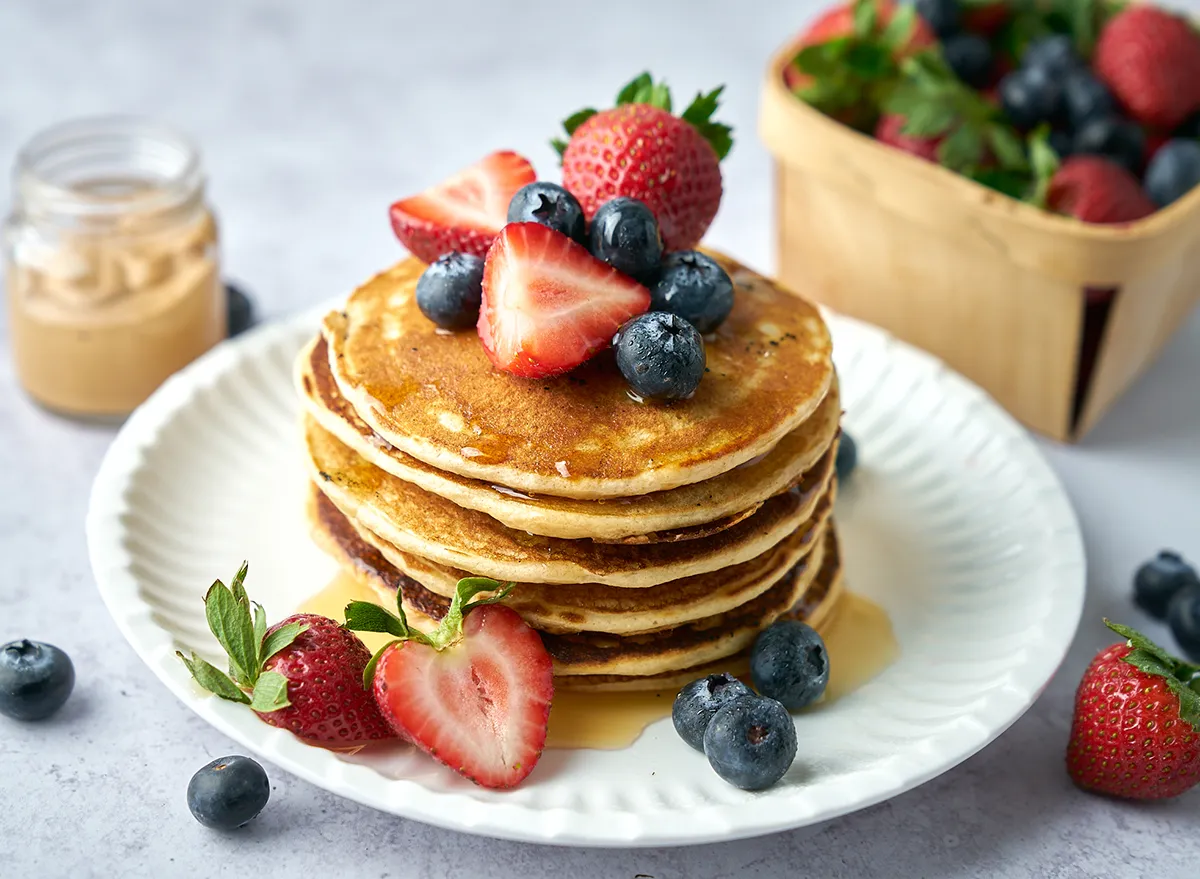
Nutritional facts about pancakes
Calories in Pancakes
Pancakes can be surprisingly high in calories. A standard pancake, made from white flour, eggs, and milk, contains around 100 calories. Add butter and syrup, and the count can easily double or even triple.
The calories from traditional pancakes come mainly from carbohydrates and fats. This high-calorie count can be a setback for those looking to lose weight. It's important to be mindful of portion sizes to avoid overconsumption.
Carbohydrates Content
One of the main components of pancakes is carbohydrates. Carbs provide energy but can lead to weight gain if eaten in large amounts. Traditional pancakes often have about 15 grams of carbs per serving, mostly from refined flour.
Refined carbs can lead to quick spikes in blood sugar. This can result in energy crashes and hunger pangs not long after eating. Choosing whole grain options can offer a better alternative.
Protein and Fat Content
Pancakes aren't just carbs; they also contain protein and fat. Each pancake has around 3 grams of protein, usually coming from eggs and milk. While this isn't high, it's an essential nutrient for muscle repair and growth.
Fat content in pancakes can vary. Traditional recipes can have about 3 grams of fat per pancake, mainly from butter or oil added to the batter or pan. Opting for healthier fats can make a difference.
Micronutrients in Pancakes
Pancakes offer some micronutrients, though not in large quantities. They often contain small amounts of iron and calcium, especially if made with fortified flour and milk. These nutrients are essential for overall health.
Adding fruits or nuts can enhance the micronutrient profile of your pancakes. Bananas, blueberries, or almonds can provide vitamins and minerals while adding natural sweetness and crunch. This makes the meal more balanced and nutritious.
Role of Pancakes in a Traditional Diet
Pancakes have been a staple in many traditional diets around the world. They are easy to make and can be quite filling. Let's explore their role and impact.
Historical Significance of Pancakes
Pancakes date back to ancient times. They were often made with basic ingredients like flour, milk, and eggs, making them accessible to everyone. Historically, pancakes were considered a hearty meal to start the day.
In different cultures, pancakes have unique variations. For example, crepes in France or blini in Russia. These variations highlight the versatility and cultural importance of pancakes.
Even today, pancakes are celebrated in events like Shrove Tuesday. Known as Pancake Day, this event showcases the enduring popularity of this simple dish. It's a reminder of their deep roots in various traditions.
Pancakes as a Comfort Food
For many, pancakes are more than just a breakfast item. They serve as a comfort food linked to family gatherings and cozy mornings. This emotional connection makes pancakes special to many people.
Their simple preparation and delicious taste make them perfect for weekend brunches. Families often have treasured pancake recipes passed down through generations.
However, comfort food often comes with a high-calorie count. This is one reason why traditional pancakes might not be ideal for those aiming for weight loss.
Pancakes and Daily Nutrition
Traditionally, pancakes offer a quick source of energy. They provide ample carbohydrates necessary for a busy day. But, traditional pancakes lack essential nutrients and fiber.
Modern diets focus on nutrient density, highlighting the need to balance pleasure and health. For a healthier twist, many people now use whole grains and add fruits to their pancake recipes.
This way, pancakes can remain part of a balanced diet. It just requires mindful ingredient choices and portion control.
Understanding Weight Loss Basics
Weight loss revolves around the principle of a calorie deficit. This means consuming fewer calories than your body uses. A consistent calorie deficit leads to weight loss over time.
Balancing macronutrients like proteins, fats, and carbohydrates is crucial. Proteins are vital for muscle repair and growth, while fats provide long-lasting energy. Carbohydrates are necessary but should be chosen wisely to avoid unhealthy spikes in blood sugar.
Exercise plays a significant role in weight loss. It helps burn calories and boosts your metabolism. Strength training and cardio are both effective in aiding weight loss.
Besides diet and exercise, staying hydrated and getting enough sleep are key. Sleep affects hormones that control hunger and metabolism. Drinking water also helps control appetite and improves digestion.
Are Traditional Pancakes Good for Weight Loss?
Traditional pancakes are often high in calories and low in nutrients. Made from white flour, sugar, and butter, they pack on carbs and fats. This makes them less ideal for a weight loss diet.
One pancake can contain about 100-200 calories. Adding toppings like syrup and butter increases the calorie count. These extra calories can quickly add up and exceed your daily limit.
The lack of fiber in traditional pancakes is another issue. Fiber helps you feel full and aids in digestion. Without fiber, you might feel hungry soon after eating, leading to overeating.
Refined carbs in traditional pancakes can cause blood sugar spikes. This leads to energy crashes and can affect your metabolism. Consistent blood sugar spikes can also lead to weight gain over time.
Healthy alternatives exist. Using whole grains and natural sweeteners can make pancakes more suitable for weight loss. Adding fruits and proteins can also enhance their nutritional value.
Transforming Pancakes into a Weight Loss-Friendly Meal
Transforming pancakes into a weight-loss-friendly meal starts with ingredient swaps. Choose whole grain or oat flour instead of white flour. This adds fiber and nutrients, which help you feel full longer.
Use natural sweeteners like honey or maple syrup in moderation. Avoid refined sugars, which are empty calories. A touch of these sweeteners can add flavor without excessive calories.
Incorporate protein-rich ingredients. Adding Greek yogurt, egg whites, or protein powder boosts the protein content. Protein helps build muscle and keeps you satiated.
- Add fruits like berries or bananas for natural sweetness and vitamins.
- Include nuts or seeds for healthy fats and extra crunch.
- Top with a dollop of Greek yogurt or nut butter instead of butter.
Healthy fats are crucial for a balanced meal. Use olive oil or coconut oil instead of butter when cooking. These fats offer health benefits and enhance flavor.
Finally, watch your portion sizes. Even a healthier pancake can be high in calories if you eat too many. Stick to 2-3 medium pancakes per serving to stay within calorie limits.
The Impact of Healthy Pancakes on Weight Loss
Switching to healthy pancakes can make a significant difference in weight loss efforts. By using nutrient-rich ingredients like whole grains and fruits, you enhance the meal's nutritional value. This makes it easier to stick to a calorie deficit.
Whole grain pancakes are packed with fiber. Fiber helps you feel full longer, reducing the temptation to snack between meals. This can help you stay within your daily calorie limit.
Adding protein to your pancake batter helps too. Protein not only keeps you full but also supports muscle maintenance. This is crucial for keeping your metabolism active during weight loss.
- Greek yogurt can add a creamy texture and boost protein.
- Egg whites are an excellent low-calorie protein source.
- Protein powder can be mixed into the batter easily.
Healthy pancakes often contain fewer refined sugars. Using fruits for sweetness reduces empty calories. This leads to more stable blood sugar levels, helping you avoid energy crashes.
Making these ingredient swaps doesn't just aid weight loss. It also makes pancakes a more balanced meal, supporting overall health. So, you can enjoy pancakes while still achieving your weight loss goals.
Healthy Pancakes Recipes for Weight Loss
Crafting delicious and healthy pancakes is easier than you think. Let's start with a simple recipe using whole grains. You'll need oat flour, eggs, and almond milk.
- 1 cup oat flour
- 2 eggs
- 1 cup almond milk
- 1 teaspoon baking powder
- A pinch of salt
Mix the dry ingredients in one bowl and wet ingredients in another. Combine them to form a batter. Cook on a non-stick skillet until golden brown.
If you prefer more protein, try adding Greek yogurt or protein powder to your mix. Another excellent option is banana pancakes. Use mashed bananas, eggs, and a bit of cinnamon for flavor.
- 2 ripe bananas
- 4 eggs
- A dash of cinnamon
Mash the bananas and whisk the eggs together. Add cinnamon if you like it spicy. Cook on medium heat until set and enjoy!
Topping these pancakes with berries or nuts can enhance their nutritional profile further. Avoid sugary syrups; instead, use fresh fruit slices or a drizzle of honey for sweetness. This way, your breakfast remains tasty yet weight-loss-friendly.
Pancakes in the Context of a Balanced Diet
Pancakes can fit into a balanced diet if prepared mindfully. Using whole grains instead of white flour adds fiber and nutrients. This makes pancakes more filling and nutritious.
Balance your meal by including healthy toppings. Fruits like berries or bananas add vitamins and antioxidants. A dollop of Greek yogurt or a sprinkle of nuts can provide protein and healthy fats.
Portion control is key. Even healthy pancakes can lead to weight gain if consumed in large amounts. Stick to two or three pancakes per serving to keep your calorie intake in check.
Include other food groups to make your meal complete. Pair your pancakes with a side of scrambled eggs or a smoothie. This ensures you're getting a good mix of protein, fats, and carbohydrates.
- Add a serving of vegetables for extra fiber.
- Drink water or herbal tea instead of sugary drinks.
- Include a small amount of healthy fat like avocado slices.
Making these small adjustments allows pancakes to be part of a balanced diet. Enjoying your favorite foods in moderation supports long-term weight management. Incorporating a variety of nutrients helps you stay healthy and satisfied.
Frequently Asked Questions
If you're curious about how pancakes fit into a healthy diet or weight-loss plan, you're not alone. Here are some common questions and their answers regarding pancakes and nutrition.
1. Can I eat pancakes every day and still lose weight?
Eating pancakes daily while trying to lose weight is challenging due to their high-calorie content. However, by choosing healthier ingredients like whole grains and limiting sugary toppings, you can make them more weight-loss-friendly. Portion control is also crucial in maintaining a calorie deficit necessary for weight loss.
Consider mixing in protein sources like Greek yogurt or egg whites to keep you full longer. Also, adding fruits for natural sweetness can reduce the need for calorie-laden syrups.
2. What are some low-calorie alternatives to traditional pancake ingredients?
Replacing white flour with oat or almond flour can significantly cut calories while adding fiber and nutrients. Using egg whites instead of whole eggs will reduce fat content. Almond milk or other plant-based milks can also be good substitutes for regular milk, lowering calorie intake further.
You can use applesauce or mashed bananas as sweeteners instead of sugar. These alternatives not only make your pancakes lower in calories but also increase their nutritional value with vitamins and minerals.
3. How can I make my pancakes more nutritious?
Add nutrient-dense ingredients like chia seeds, flaxseeds, or nuts to your pancake batter for added fiber and healthy fats. Including fruits such as blueberries or raspberries provides antioxidants and essential vitamins in each bite.
This boosts the overall nutritional profile of your pancakes while keeping them delicious. Whole grains like oatmeal can replace refined flour to make the meal even healthier.
4. Are there any specific recipes that help with weight loss?
Yes, recipes using whole grain flours like oats or buckwheat combined with protein-rich ingredients can aid weight loss efforts. For instance, oat banana protein pancakes: blend rolled oats with a banana, two eggs, and some Greek yogurt for a balanced meal.
This recipe includes complex carbs, proteins, and fibers essential for feeling full and maintaining energy levels without overeating later on. Such recipes often taste just as good but offer more health benefits than standard options.
5. Is it better to eat hotcakes without syrup?
Syrup adds significant calories and sugars which could hinder your weight loss goal if consumed frequently in large amounts. Opting out of syrup doesn't mean compromising on taste; you can top hotcakes with delicious alternatives.
You might try spreading nut butter or layering fresh fruit slices like strawberries or kiwi which provide natural sweetness along with vitamins and minerals increasing both flavor diversity plus boosting overall nutrient intake from each serving!
Conclusion
While traditional pancakes may not be the best choice for weight loss, there are plenty of ways to make them healthier. By using whole grains, adding protein, and including natural sweeteners, you can enjoy a delicious and nutritious meal. Mindful ingredient choices and portion control are key to fitting pancakes into a balanced diet.
Transforming pancakes into a weight loss-friendly option ensures that you don't have to give up foods you love. Understanding weight loss basics and making simple swaps can go a long way. With these changes, you can savor your pancakes while still achieving your health goals.
