
Is Stir Fry Good For Weight Loss?
Consider the fact that nearly 70% of Americans are classified as overweight or obese; one might wonder how practical dietary solutions like stir-fries fit into the equation. Stir fry, with its vibrant mix of lean proteins and colorful vegetables, offers a nutrient-packed, low-calorie meal option. Its high fiber and protein content can enhance satiety, making it easier to maintain a caloric deficit necessary for weight loss.
Historically, stir fry has roots in Asian cuisine, prized for its speedy preparation and health benefits. Modern studies show that consuming meals rich in vegetables and lean proteins can significantly aid in weight management. By using minimal oil and plenty of vegetables, stir fry can be a delicious, calorie-controlled dish that facilitates weight loss while still providing essential nutrients.
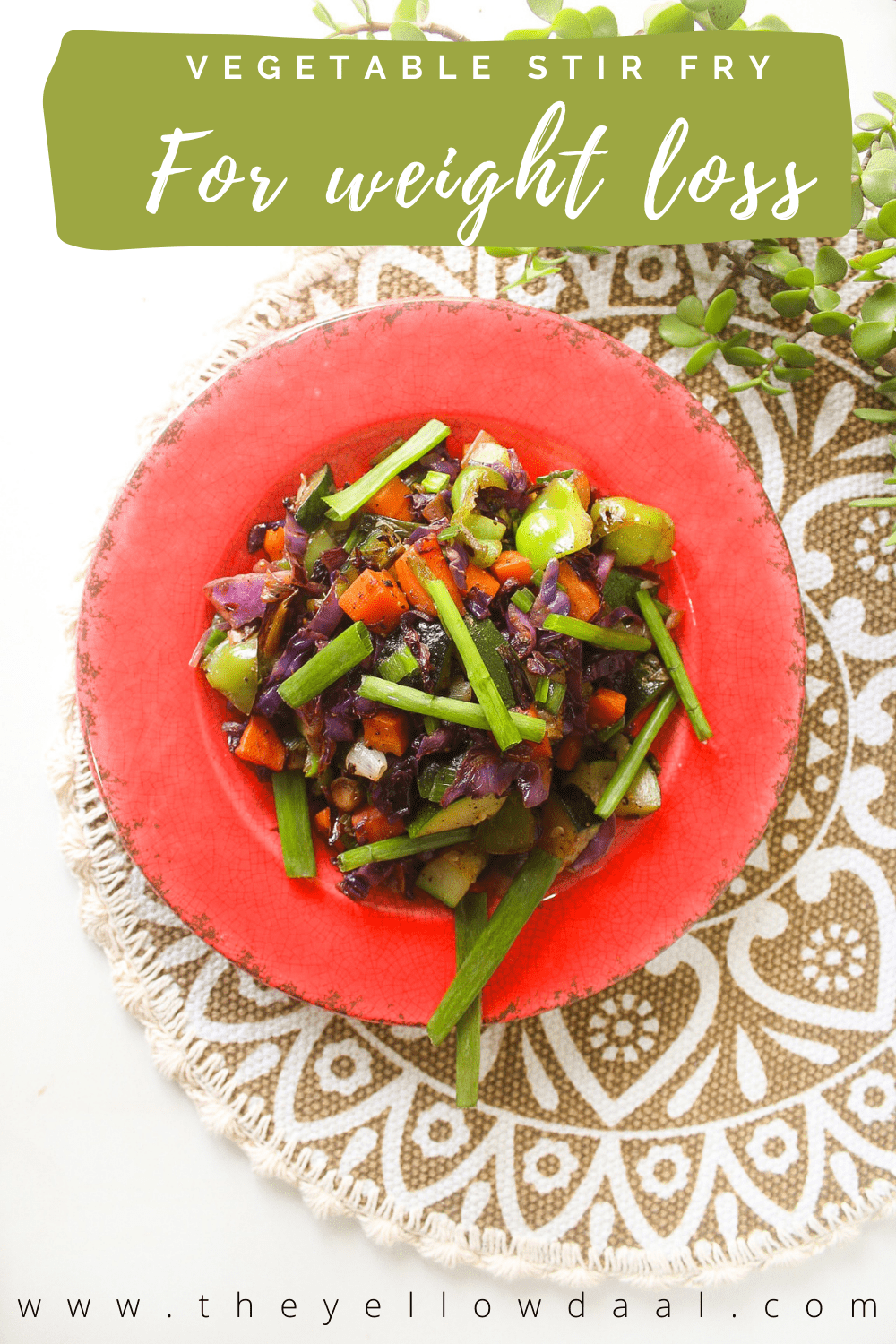
Understanding the Basics of Stir Fry
Stir fry is a quick and easy cooking method. It involves cooking small, uniform pieces of food. The food is usually cooked over high heat in a small amount of oil.
This method originated in China and has spread worldwide. It's known for its ability to retain the nutrients of the ingredients. Stir fry requires constant stirring to cook the food evenly.
A wide variety of ingredients can be used in a stir fry. Common ingredients include meats, seafood, vegetables, and tofu. The key is to cut everything into similar-sized pieces.
Stir fry sauces often use soy sauce, ginger, garlic, and other spices. These sauces add flavor and moisture to the dish. Creating a balanced stir fry involves a mix of protein, vegetables, and a flavorful sauce.
The Nutritional Profile of Stir Fry
Stir fry offers a balanced mix of nutrients. It combines proteins, vegetables, and grains. This meal can be very nutritious if prepared correctly.
Protein Content in Stir Fry
Proteins are essential for muscle repair and growth. Stir fry often includes lean meats, tofu, or seafood. These ingredients provide high-quality protein.
Using lean meats like chicken or tofu can keep the dish healthy. A serving of lean chicken breast provides about 25 grams of protein.
Even without meat, tofu and legumes can offer substantial protein. This makes stir fry a flexible meal option.
Vegetables and Their Benefits
Vegetables are rich in vitamins and minerals. Common stir fry veggies include broccoli, bell peppers, and snap peas. These supply important nutrients like vitamin C and fiber.
The high fiber content helps with digestion and keeps you full longer. Eating a variety of colorful vegetables can enhance the dish's nutritional value.
Cooking vegetables quickly in high heat preserves many nutrients. This makes stir fry a healthy choice for busy individuals.
The Role of Healthy Fats
Using healthy oils is key to making a nutritious stir fry. Opt for oils like olive oil or sesame oil. These provide essential fatty acids.
Using too much oil can add unnecessary calories. Stick to a small amount to keep the dish light but still flavorful.
Healthy fats help with nutrient absorption. They also add a rich flavor to the stir fry, making it delicious.
The Role of Portion Control in Weight Loss
Portion control is crucial for weight loss. Eating large portions can lead to consuming more calories than needed. By controlling portion sizes, you can better manage your calorie intake.
Stir fry is excellent for portion control. You can measure each ingredient before cooking. This helps ensure balanced and consistent servings.
Using smaller plates can aid in portion control. Smaller plates trick your mind into feeling satisfied. This is a simple but effective way to manage food intake.
Monitoring portion sizes also helps you become more aware of what you're eating. Tracking portions can reveal patterns that need adjusting. This awareness is essential for achieving weight loss goals.
The Potential Health Benefits of Stir Fry
Stir fry can be a **nutrient-dense meal**, offering a variety of vitamins and minerals. Cooking with fresh vegetables ensures a high intake of essential nutrients. This is particularly beneficial for maintaining a balanced diet.
Using lean proteins like chicken and tofu makes stir fry a **great source of protein**. Proteins are essential for muscle repair and growth. Including these in your stir fry can help meet daily protein needs.
**Fiber is abundant in most stir fry dishes** due to the vegetables. Fiber aids in digestion and helps regulate blood sugar levels. This makes stir fry an excellent option for those looking to improve gut health.
Healthy oils such as olive oil or sesame oil can be used in stir fry. These oils provide **essential fatty acids** that support heart health. Using these instead of heavier oils keeps the dish light and healthy.
Stir fry can also manage weight due to its low-calorie nature. **Portion control** is easier with stir fry, reducing the risk of overeating. This makes it a practical choice for those aiming to lose weight.
Furthermore, the quick cooking method helps **retain nutrients** in the food. This ensures that vitamins and antioxidants are not lost during the cooking process. Overall, stir fry is a versatile and **healthy meal option**.
Common Mistakes to Avoid When Using Stir Fry for Weight Loss
One common mistake is using too much oil. Even healthy oils can add a lot of calories. Stick to using just a small amount to keep your dish light.
Another mistake is adding too many high-calorie ingredients. Items like nuts and fatty meats can increase the calorie count. Opt for lean proteins and a variety of vegetables instead.
Overcooking the vegetables is another issue. This can cause the loss of vital nutrients. Cook quickly on high heat to preserve those important vitamins and minerals.
- Too much sauce
- Using fatty meats
- Skipping the vegetables
Using heavy, calorie-laden sauces can turn a healthy stir fry into a diet disaster. Always check the label for calorie content. Consider making your own sauce from scratch to control ingredients.
Finally, portion sizes matter. It's easy to eat a large bowl of stir fry without realizing the calorie intake. Measure your portions to make sure you're not overeating.
Incorporating Stir Fry into a Weight Loss Meal Plan
Including stir fry in your meal plan can make weight loss easier. It offers flexibility with ingredients and portion sizes. This helps in tailoring meals to meet your dietary needs.
- Choose lean proteins like chicken, tofu, or shrimp.
- Incorporate a variety of vegetables such as bell peppers, broccoli, and carrots.
- Use minimal oil and opt for healthy options like olive oil.
Stir fry can be prepared in advance for meal prepping. Making a big batch and dividing it into portions can save time. This ensures you have healthy meals ready to go.
Using whole grains like brown rice or quinoa can make the meal more filling. These grains add extra fiber and nutrients. They also help in keeping you full for a longer period.
Experiment with different seasonings and sauces to keep things interesting. Opt for low-sodium soy sauce or homemade options. This way, you can control the calorie count and keep the meal tasty.
Including stir fry in your weight loss meal plan can be beneficial. It offers a balanced mix of protein, veggies, and grains. Plus, it's quick and easy to make!
Healthy Stir Fry Recipes for Weight Loss
Creating delicious and healthy stir fry dishes is easy. Here are a few recipes that can help you on your weight loss journey. Each recipe is balanced with proteins, veggies, and minimal oil.
- Chicken and Broccoli Stir Fry: Use lean chicken breast, broccoli, bell peppers, garlic, and low-sodium soy sauce. Serve over brown rice or quinoa.
- Shrimp and Vegetable Stir Fry: Combine shrimp with snow peas, carrots, bell peppers, ginger, and a splash of sesame oil. Serve over zoodles (zucchini noodles).
- Tofu and Spinach Stir Fry: Tofu cubes with spinach, mushrooms, garlic, and tamari sauce served over cauliflower rice.
The key to a healthy stir fry is using fresh ingredients. Avoid pre-packaged or frozen items that contain preservatives. This ensures maximum nutrition while keeping the meal light.
You can also experiment with different seasonings to add more flavor without extra calories. Try using herbs like basil or cilantro. This keeps the dish exciting without compromising health benefits.
Preparing these recipes in bulk can save time during busy weeks. Simply store them in sealed containers in the fridge or freezer. This way, you always have a nutritious meal ready.
A good stir fry doesn't just support weight loss; it promotes overall wellness.
This mix of lean protein sources and vegetables makes it an excellent addition to any diet plan focused on losing weight effectively yet nutritiously.The Bigger Picture: Lifestyle Changes for Weight Loss
Losing weight involves more than just eating stir fry. You must consider other lifestyle changes. These can make your weight loss journey more effective.
Regular exercise is critical. Combining cardio and strength training can help burn calories. It also boosts your metabolism.
Staying hydrated is another key aspect. Drinking plenty of water helps control hunger and maintain energy levels. Aim for at least 8 glasses a day.
Focus on getting enough sleep every night. Lack of sleep can affect your hormones and appetite. This makes it harder to lose weight.
Mindful eating practices are also valuable. Pay attention to what and how much you're eating. Chew slowly and enjoy your meals.
Building a support system can be beneficial. Friends or family can offer motivation. Joining weight loss groups can also provide accountability.
Frequently Asked Questions
Stir fry is a popular dish worldwide due to its versatility and health benefits. Below are some common questions about stir fry, especially concerning weight loss and nutrition.
1. What ingredients should I use in a healthy stir fry?
A healthy stir fry should include a balance of lean proteins, fresh vegetables, and whole grains. Lean proteins like chicken breast, tofu, or shrimp provide essential nutrients without excess fat.
Fresh vegetables such as bell peppers, broccoli, and carrots add fiber and vitamins. Whole grains like brown rice or quinoa can make the dish more filling and nutritious.
2. How much oil should be used when making a stir fry?
It's best to use only a small amount of oil, about one to two tablespoons per serving. Oils like olive oil or sesame oil are healthier options due to their beneficial fats.
Using too much oil can add unnecessary calories, making it harder to achieve weight loss goals. Remember that even healthy oils should be used in moderation for the best results.
3. Can I eat stir fry every day for weight loss?
You can eat stir fry regularly if it's balanced with various proteins and vegetables. Changing the ingredients daily helps maintain interest and ensures you get different nutrients.
However, balance it with other meals rich in diverse food groups to meet all nutritional needs. Eating a variety of foods helps in maintaining overall health during weight loss.
4. Are store-bought stir fry sauces good for weight loss?
Store-bought sauces often contain high amounts of sugar, salt, and preservatives that may hinder weight loss efforts. It's better to make your own sauce with low-sodium soy sauce, garlic, ginger, and spices.
This allows you to control the ingredients while enhancing flavor without adding extra calories. Homemade sauces are generally healthier choices for effective weight management.
5. How do I keep the vegetables crispy in my stir fry?
The key is cooking them on high heat for a short time while constantly stirring. This method preserves their texture and nutrients.
An easy tip is cutting vegetables into similar-sized pieces so they cook evenly. Also, avoid overcrowding the pan; this ensures each piece gets enough heat without becoming soggy.
Conclusion
Incorporating stir fry into your diet can be a smart choice for weight loss. Its balance of lean proteins, vegetables, and controlled portions make it a nutritious option. Moreover, it's easy to prepare and customize.
By avoiding common mistakes and focusing on portion control, stir fry can be an effective part of a weight loss meal plan. Along with other lifestyle changes, it provides a tasty, healthy way to achieve your weight goals. This versatile dish truly has the potential to support overall wellness.
