Are Rice Krispies Cereal Good For Weight Loss?
Have you ever pondered how a ubiquitous breakfast staple like Rice Krispies cereal could impact weight loss efforts? Surprisingly, many count on light cereals as a part of their calorie-conscious diets. However, the reality behind their health benefits is more complex.
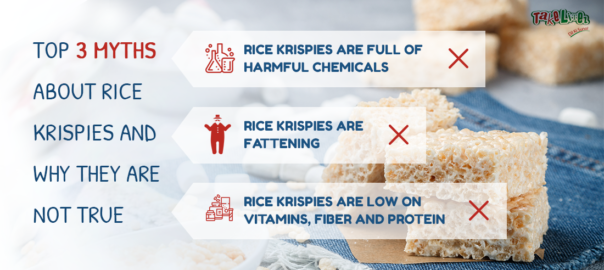
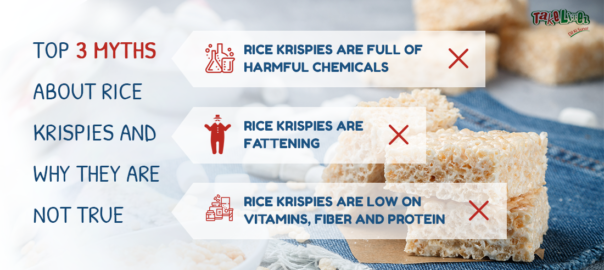
Rice Krispies, known for their simple ingredients and iconic "snap, crackle, pop," are low in fat. But, they are also low in fiber and protein, which are critical for satiety and maintaining muscle mass during weight loss. Interestingly, a study in the American Journal of Clinical Nutrition found that high-fiber, high-protein breakfasts significantly aid in weight management compared to low-fiber options like Rice Krispies.
Understanding Rice Krispies Cereal
Rice Krispies cereal has been a breakfast favorite for many years. It was introduced by Kellogg's in 1928. Today, it remains popular among various age groups.
The cereal is made from puffed rice and is known for its crisp texture. The famous "snap, crackle, pop" sound it makes when milk is added is well-loved. This unique characteristic sets it apart from other cereals.
Nutritionally, Rice Krispies are low in fat and calories. However, they are also low in fiber and protein. This makes them less filling than some other breakfast options.
Despite its lower nutritional value, many people enjoy Rice Krispies as an occasional treat. Some even use it in recipes for snacks and desserts. The simplicity of its ingredients has a timeless appeal.
The Origin of Rice Krispies
Kellogg's is the brand behind Rice Krispies cereal. It was created during a time when puffed cereals were becoming popular. This new type of breakfast food quickly became a hit.
The simplicity of Rice Krispies helped it gain a strong following. Made mainly of rice, it was seen as a wholesome and light option. It was also considered innovative for its texture and sound.
Over the years, Rice Krispies have been marketed in various ways. The iconic characters Snap, Crackle, and Pop debuted in the 1930s. These mascots have helped maintain the cereal's popularity.
Nutritional Information
A standard serving of Rice Krispies is one cup. This serving size contains around 100 calories. It has minimal fat content.
However, Rice Krispies also lack significant amounts of fiber and protein. This can make them less effective at keeping you full. It's essential to pair them with other nutrient-rich foods.
To make a more balanced meal, consider adding fruits or nuts. This can enhance both the taste and nutritional value. Combining foods can help you stay satisfied longer.
Evaluating Rice Krispies for Weight Loss
While Rice Krispies is a popular breakfast option, evaluating its effectiveness for weight loss is crucial. Rice Krispies are low in calories, which can make them appealing. However, there are other factors to consider for a balanced diet.
Nutritional Value and Weight Loss
Rice Krispies are low in fat and sugar, making them a low-calorie option. However, they lack fiber and protein, which are essential for feeling full. This can lead to hunger soon after eating.
A study in the American Journal of Clinical Nutrition indicated that high-fiber foods help with weight management. Therefore, opting for cereals with more fiber can be more beneficial. Adding fruits or nuts to your Rice Krispies can help.
| Nutrient | Amount per Serving |
|---|---|
| Calories | 100 |
| Protein | 2g |
| Fiber | 0g |
Portion Control
Portion control is essential when evaluating any cereal for weight loss. Eating large portions, even of low-calorie foods, can add up. Stick to the recommended serving size of one cup.
Using a measuring cup can help you maintain portion sizes accurately. This practice ensures you don't overeat. Pairing Rice Krispies with a source of protein, like Greek yogurt, can also be beneficial.
A balanced breakfast keeps your energy levels stable. It prevents overeating later in the day. Maintaining portion control is key.
Alternatives and Enhancements
If you are focused on weight loss, there might be better cereal options. Look for cereals high in fiber and protein. These components are more filling and support weight loss goals.
Enhancing Rice Krispies with fruits, nuts, or seeds can add nutritional value. Doing so can make it more satisfying. You might also consider switching to whole-grain cereals.
- Oatmeal
- Whole grain cereals
- Granola with nuts
Daily Caloric Intake and Rice Krispies
Understanding daily caloric intake is key to managing weight. Rice Krispies have about 100 calories per cup. Knowing how this fits into your daily calorie budget can help you make informed decisions.
Considering that most adults need between 1,800 and 2,400 calories a day, a cup of Rice Krispies is relatively low-calorie. However, this doesn't account for added milk or toppings. These extras can quickly increase the total calorie count.
- 1 cup Rice Krispies: 100 calories
- 1 cup skim milk: 90 calories
- 1 tablespoon sugar: 45 calories
While low in calories, the lack of fiber and protein in Rice Krispies means they may not keep you full for long. This could lead to eating more later, affecting your total daily caloric intake. Including a mix of nutrient-dense foods can help balance your diet.
Role of Fiber and Protein in Weight Loss
Fiber and protein are crucial when it comes to losing weight. They help you feel full longer, which reduces the urge to snack. This can be especially helpful in controlling total calorie intake.
Fiber slows down digestion, which means your stomach stays full longer. This not only helps with satiety but also regulates blood sugar levels. It's found in foods like vegetables, fruits, and whole grains.
Protein is another important element for weight loss. It helps build and repair tissues and is essential for muscle maintenance. More muscles mean a higher metabolism, which aids in burning calories.
Compared to Rice Krispies, cereals high in fiber and protein are more beneficial. These options help keep hunger at bay for extended periods. They also provide essential nutrients that support overall health.
- Oatmeal - rich in fiber
- Greek yogurt - high in protein
- Nuts and seeds - good source of both
In summary, including fiber and protein in your diet can make weight loss more effective. These nutrients help manage hunger and maintain muscle mass. Choosing foods rich in these components can make a big difference.
Healthy Eating Habits for Weight Loss
Developing healthy eating habits is essential for weight loss. It’s not just about cutting calories but also about creating a balanced diet. Choosing nutrient-dense foods can help you stay full longer.
One effective habit is eating a variety of fruits and vegetables. These are low in calories but high in vitamins and minerals. They also add color and flavor to your meals.
- Include leafy greens like spinach and kale
- Add berries and citrus fruits for a vitamin boost
- Incorporate root vegetables like carrots and beets
Another key habit is portion control. Even healthy foods can lead to weight gain if eaten in large amounts. Use smaller plates and measure portions to keep your intake in check.
Don't skip meals, especially breakfast. A nutritious breakfast sets the tone for the day and keeps you from overeating later. Opt for high-fiber and high-protein options to start your day right.
| Meal | Suggested Food |
|---|---|
| Breakfast | Oatmeal with fruit |
| Lunch | Grilled chicken salad |
| Dinner | Quinoa and vegetables |
Staying hydrated is also crucial. Sometimes thirst is mistaken for hunger, leading to unnecessary snacking. Drink plenty of water throughout the day to keep your body balanced.
Physical Activity and Weight Loss
Physical activity plays a crucial role in weight loss. Engaging in regular exercise helps burn calories and boosts your metabolism. Combining both diet and exercise can lead to more effective weight loss.
Cardio exercises, like running and cycling, are excellent for burning calories. They also improve heart health and endurance. Aim for at least 30 minutes of cardio most days of the week.
- Running or jogging
- Swimming
- Brisk walking
Strength training is also essential. Lifting weights or doing body-weight exercises helps build muscle. More muscle mass means a higher resting metabolic rate.
Incorporate flexibility exercises, such as yoga or stretching. These activities improve mobility and prevent injuries. They also promote a sense of well-being.
| Exercise Type | Frequency |
|---|---|
| Cardio | 5 times a week |
| Strength Training | 2-3 times a week |
| Flexibility | Daily |
Remember, consistency is key. Find activities you enjoy to make exercise a regular part of your routine. Staying active not only aids weight loss but also enhances your overall health.
Expert Opinions on Rice Krispies and Weight Loss
Many nutritionists agree that while Rice Krispies are low in calories, they may not be the best choice for weight loss. Their lack of fiber and protein makes them less filling, which can lead to overeating later in the day. Opting for cereals with more nutritional value is often recommended.
| Criterion | Rice Krispies | Whole Grain Cereal |
|---|---|---|
| Calories per serving | 100 | 120 |
| Fiber content | 0g | 3g |
| Protein content | 2g | 5g |
A dietitian from the American Dietetic Association suggests mixing Rice Krispies with a high-fiber cereal. This combination can help make the meal more satisfying. Adding fruits like berries or bananas also provides extra nutrients.
Nutritional experts also highlight the importance of variety in one’s diet. Eating the same type of cereal every day can lead to nutrient deficiencies. Including different types of grains, fruits, and proteins ensures a well-rounded diet.
Younger athletes or active teenagers may benefit from higher-calorie options. These individuals require more energy throughout their active days. In such cases, pairing Rice Krispies with other nutrient-rich foods could be beneficial.
Nutritionally balanced meals contribute significantly to successful weight management. Professionals recommend making informed choices based on individual health needs and goals. Consulting a registered dietitian for personalized advice can be invaluable.
Demystifying Common Myths about Cereal and Weight Loss
Many believe that all cereals are healthy, but that's not always the case. Not all cereals are created equal. Some are high in sugar and low in nutrients, which can hinder weight loss.
One common myth is that eating cereal will automatically help you lose weight. While some cereals are low in calories, they can also be low in fiber and protein. This can leave you feeling hungry soon after eating.
- Myth: All cereal is good for you.
- Fact: Choose high-fiber, high-protein options.
- Myth: Cereal always keeps you full.
- Fact: Some cereals can leave you hungry quickly.
Another myth is that you can eat as much cereal as you want if it's low in calories. However, portion control is crucial. Overeating even low-calorie foods can add up.
People also often think that adding fruit to cereal makes it a complete meal. While fruits add vitamins and minerals, they don't add protein. Pairing cereal with protein sources like milk or yogurt can make it more balanced.
Lastly, some assume that skipping breakfast, including cereal, can help with weight loss. However, skipping meals can actually slow down your metabolism. Eating a balanced breakfast is still one of the best ways to start your day.
Frequently Asked Questions
Discover simple answers to common questions about Rice Krispies cereal and its relation to weight loss. These insights will help guide your dietary choices effectively.
1. What nutritional value do Rice Krispies offer?
Rice Krispies are low in calories, with about 100 calories per cup, and they contain minimal fat. However, they lack essential nutrients like fiber and protein, which are crucial for satiety and overall health.
Because of this, while they can fit into a balanced diet, it's often recommended to pair them with other nutrient-rich foods to ensure you get a well-rounded meal.
2. Can Rice Krispies be part of a healthy breakfast?
Yes, Rice Krispies can be part of a healthy breakfast if combined with other foods that provide fiber and protein. Adding fruits, nuts, or yogurt can improve the nutritional profile of your breakfast.
This combination helps keep you full longer and provides essential vitamins and minerals that Rice Krispies alone may lack.
3. Are there healthier cereal options for weight loss?
Yes, cereals higher in fiber and protein are generally better for weight loss as they keep you fuller longer. Examples include whole grain cereals like oatmeal or bran flakes.
These options not only aid in weight management but also offer additional benefits such as improved digestion and sustained energy levels throughout the day.
4. How does portion control impact the effectiveness of Rice Krispies in weight loss?
Portion control is critical when consuming any type of food, including Rice Krispies. Overeating, even low-calorie foods, can lead to an increased caloric intake that may hinder weight loss efforts.
Sticking to recommended serving sizes ensures you don't eat more than needed and allows you to balance your diet more effectively with other nutrient-rich foods.
5. What are some ways to enhance the nutritional value of Rice Krispies?
You can boost the nutritional value of your bowl of Rice Krispies by adding ingredients rich in fiber or protein. Consider topping them with fruits like berries or bananas and incorporating seeds or nuts for added nutrition.
This not only enhances the flavor but also makes your breakfast more filling and nutritionally balanced, aiding in better overall health management.
Conclusion
Incorporating Rice Krispies into your diet while aiming for weight loss requires a balanced approach. While low in calories, they lack the fiber and protein needed for sustained fullness. Pairing them with nutrient-dense foods can enhance their nutritional value.
Ultimately, the key to effective weight loss lies in a well-rounded diet and regular physical activity. Expert opinions suggest combining low-calorie foods like Rice Krispies with diverse, nutrient-rich options. This strategy ensures a more balanced and satisfying eating experience.
