Are Clif Bars Good For Weight Loss?
Can a snack bar really be the key to shedding those extra pounds? CLIF Bars, originally designed for athletes needing quick energy, have found their way into the hands of dieters everywhere. It's an interesting transition for a product that’s packed with calories.
Introduced in 1992, CLIF Bars became popular for their convenience and nutrient density. However, clarity in their high-calorie and carbohydrate content is essential, comprising around 250 calories and 40 grams of carbohydrates per bar. While they are beneficial for energy before a workout, their role in a weight loss plan should be weighed carefully.
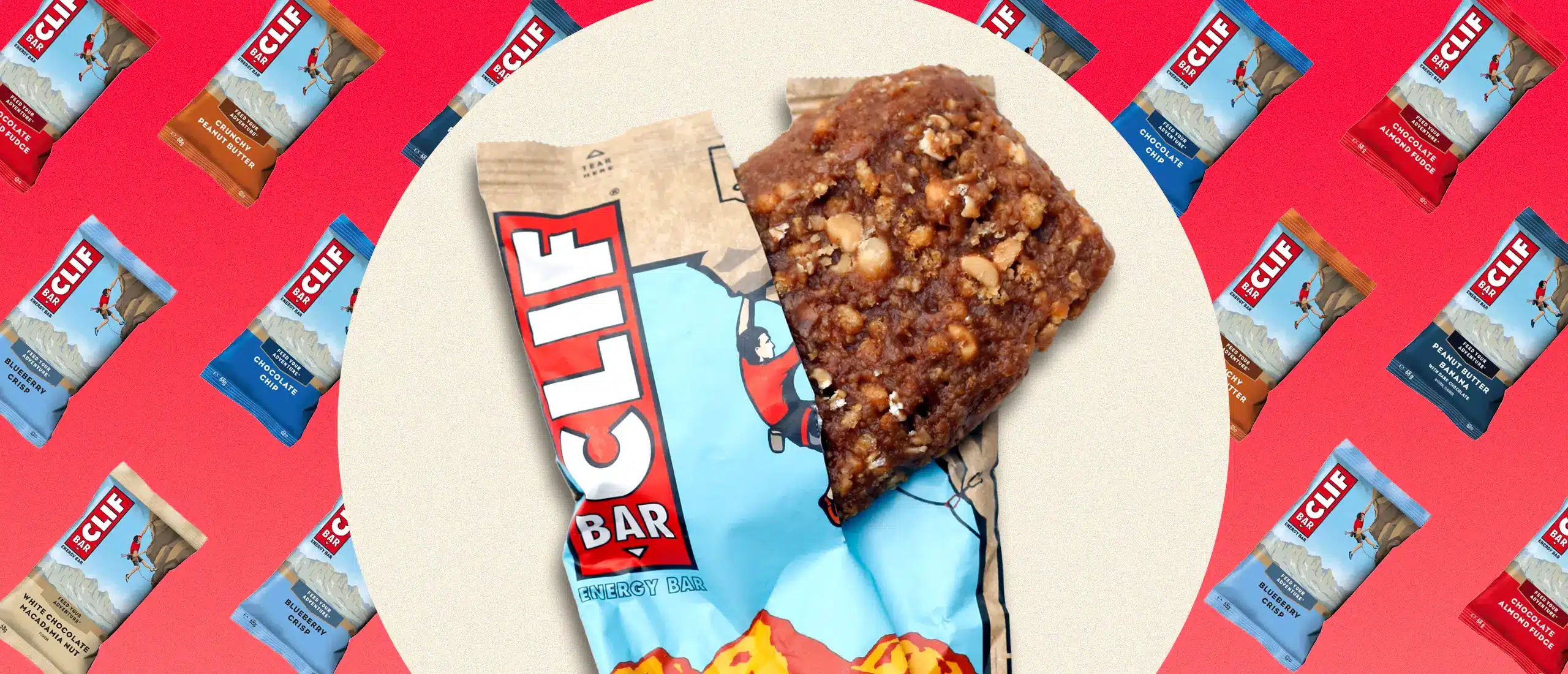
What Are CLIF Bars?
CLIF Bars are a popular type of energy bar, created to provide a quick burst of energy. They were initially intended for athletes who need fuel during intense activities. Created in 1992 by Gary Erickson, these bars have grown in popularity.
Each CLIF Bar is packed with a mix of whole ingredients. Commonly, these include rolled oats, nuts, and dried fruits. They also contain a mix of carbohydrates, proteins, and fats.
One reason for their popularity is the convenience and accessibility they offer. You can find them in most grocery stores and online retailers. They're an easy grab-and-go option for busy individuals.
Besides their convenience, many enjoy the variety of flavors. From chocolate chip to peanut butter, there's something for every taste. Their diverse range makes them an appealing snack choice.
Nutritional Composition of CLIF Bars
CLIF Bars are known for their nutrient-packed profile. Each bar typically contains a mix of carbohydrates, proteins, and fats, making them a balanced snack for energy. They are designed to keep you fueled and satisfied.
Macronutrients
Carbohydrates make up the majority of a CLIF Bar's calories. Usually, a bar contains around 40-50 grams of carbs, including sugars and fiber. This high carb content helps provide quick energy.
Proteins and fats are also significant in each bar. You can expect around 10 grams of protein and about 6 grams of fat. These nutrients support muscle repair and provide sustained energy.
Micronutrients
In addition to macronutrients, CLIF Bars contain various vitamins and minerals. These include B vitamins, calcium, and iron, important for different bodily functions. Each bar often provides a good portion of your daily nutrient needs.
These micronutrients help in myriad ways. For instance, B vitamins are crucial for energy production. Calcium and iron are essential for bone health and oxygen transport, respectively.
Additional Ingredients
CLIF Bars often incorporate other beneficial ingredients. These can include nuts, seeds, and dried fruits, adding extra nutrients and flavors. These natural ingredients make the bars both tasty and nutritious.
Moreover, many bars are fortified with organic oats and soy protein. These ingredients not only add to the nutritional value but also enhance the texture. This blend contributes to the bar’s chewy consistency.
How CLIF Bars Can Influence Weight?
CLIF Bars can significantly impact your weight, depending on how and when you consume them. Each bar contains around 250 calories, which can quickly add up if eaten frequently. Overeating these high-calorie snacks can lead to weight gain.
However, they can be beneficial if used correctly. For those with an active lifestyle, a CLIF Bar can provide needed energy and nutrition without unhealthy weight gain. It's about balance and knowing when to incorporate them into your diet.
In a weight loss regimen, timing is everything. Eating a CLIF Bar before a workout can give you the energy boost you need without adding excess calories. The key is to align your intake with your activity levels.
Use of CLIF Bars in Diet Regimes
CLIF Bars can be a valuable asset in various diet plans. Their balanced mix of carbohydrates, protein, and fats make them versatile. Whether you’re on a high-protein or moderate-carb diet, they can fit in.
For athletes, CLIF Bars serve as a reliable energy source. Eating one before or after a workout can help provide the necessary fuel. It aids in muscle recovery and sustains energy levels.
In weight management, they can act as meal replacements. When there’s no time for a full meal, a CLIF Bar can be a quick solution. This can prevent unhealthy snacking and ease calorie tracking.
Those on the go often find CLIF Bars convenient. Busy schedules can make it challenging to maintain a balanced diet. Having a CLIF Bar handy ensures you won’t skip meals.
Being rich in fiber, they can also aid in digestion. Fiber keeps you full longer, reducing the urge to snack frequently. This makes them useful for those watching their weight.
However, moderation is key. Even healthy snacks can add up in calories. Make sure to balance CLIF Bars with other nutritious foods in your diet.
CLIF Bars and Physical Activity
CLIF Bars are a favorite among active individuals. They provide a quick source of energy, making them perfect for pre-workout snacks. Their balanced nutrition supports both endurance and strength training.
During intense activities, your body needs a steady supply of carbs. CLIF Bars contain around 40 grams of carbohydrates. This helps sustain energy levels throughout your workout.
- Before Exercise: Eat 1-2 hours prior to activity.
- During Exercise: Consume if a session lasts over an hour.
- After Exercise: Have one within 30 minutes for muscle recovery.
In addition to carbs, they offer protein, essential for muscle repair. Each bar provides about 10 grams, aiding muscle recovery after strenuous activity. This can help mitigate muscle soreness and promote faster healing.
They are also convenient. For hikers or runners, carrying a CLIF Bar is an easy way to ensure you have fuel on hand. They’re light, portable, and don't require refrigeration.
Overall, CLIF Bars are beneficial for anyone with an active lifestyle. Their nutritional profile supports various types of physical activity. Including them in your fitness routine can improve your performance and recovery.
Important Considerations Before Including CLIF Bars in Your Diet
Before adding CLIF Bars to your diet, it's important to consider your individual nutritional needs. These bars are high in calories, so they may not be suitable for everyone. Check if their caloric content aligns with your dietary goals.
You should also be mindful of sugar content. Some CLIF Bars contain up to 20 grams of sugar per bar. Excessive sugar intake can impact your health, particularly if you consume these bars regularly.
Ingredient sensitivity is another factor. Some may find certain ingredients in CLIF Bars, like soy or gluten, problematic. Always read the label to ensure there are no allergens.
- Check Caloric Value
- Monitor Sugar Intake
- Beware of Potential Allergens
If your goal is weight loss, think about how these bars fit into your overall meal plan. Using them as occasional supplements rather than meal replacements might be more effective. Balance them with other low-calorie, nutritious foods.
Lastly, consider your level of physical activity. CLIF Bars are designed for people who need a quick energy boost. If you’re less active, consuming these bars might result in more calories than your body needs.
Are There Better Alternatives to CLIF Bars for Weight Loss?
While CLIF Bars offer convenience and balanced nutrition, there are other options that may be better suited for weight loss. Low-calorie snacks can be more beneficial if you're watching your weight. These alternatives often have fewer carbohydrates and sugars.
Greek yogurt is a good option. It's high in protein but low in calories, making it ideal for those trying to lose weight. Add some fresh fruit for extra nutrients and flavor.
- Low-Calorie Snacks
- Greek Yogurt with Fruit
- Nuts and Seeds
Nuts and seeds are another excellent choice. They provide essential fats and keep you full longer. Just remember to eat them in moderation due to their high caloric content.
You might also consider raw vegetables as an alternative. Veggies like carrots, celery, and bell peppers are low in calories but packed with vitamins. Pair them with a bit of hummus for added flavor.
If you're looking for something sweet, try whole fruits like apples or oranges. They offer natural sugars and fiber, which can help control hunger without adding many calories.
Final Thought: Weighing the Pros and Cons of CLIF Bars in Weight Loss
Evaluating CLIF Bars for weight loss involves considering both benefits and drawbacks. One advantage is their convenience. These bars are easy to carry, making them a quick and practical snack.
They also provide balanced nutrition. The mixture of carbs, protein, and fats ensures you get essential nutrients. This makes them suitable for those who maintain an active lifestyle.
On the flip side, high calorie and sugar content can be problematic. Each bar contains around 250 calories and up to 20 grams of sugar. This can add up quickly if you're not mindful.
- Benefit: Convenient and Practical
- Benefit: Balanced Nutrition for Active Individuals
- Drawback: High Caloric and Sugar Content
Another concern is portion control. These bars are quite dense, making it easy to consume excess calories. Monitoring how often you eat them is crucial for weight management.
Ultimately, CLIF Bars can fit into a weight loss plan if used wisely. Pairing them with other low-calorie foods and staying active can help. Balance and awareness of your overall diet are key.
Frequently Asked Questions
Here are some common questions experts often ask about CLIF Bars and their impact on diet and weight management. We provide detailed answers to help you make informed decisions.
1. Who should consume CLIF Bars?
CLIF Bars are best suited for athletes, active individuals, and those needing a quick energy boost. They are designed with balanced nutrients that help sustain energy during workouts or busy schedules.
If you're sedentary, they should be consumed sparingly due to their high calorie and carbohydrate content. However, they can serve as occasional meal replacements if you're on the go.
2. Can CLIF Bars replace a meal?
In some cases, CLIF Bars can act as meal replacements, especially when you're in a hurry. They contain sufficient calories and nutrients to keep you full for a while.
However, relying solely on them for meals isn't recommended due to their sugar content. It's better to pair them with other nutritious foods for a balanced diet.
3. Do CLIF Bars contain any allergens?
Yes, many CLIF Bars contain common allergens such as soy, nuts, and gluten. It's crucial to read the ingredient label if you have food sensitivities or allergies.
You can also find specific allergen-free varieties of CLIF Bars tailored for different dietary needs. Always double-check the packaging for any precautionary statements.
4. How do CLIF Bars benefit endurance sports?
CLIF Bars provide long-lasting energy due to their mixture of carbs, fats, and proteins. This is perfect for endurance sports like cycling or long-distance running.
Their compact form makes them easy to carry during activities. Consuming one mid-event can help maintain your performance levels without weighing you down.
5. Are there vegan options available in CLIF Bars?
Yes, many CLIF Bar flavors are vegan-friendly, containing no animal products or by-products. The company clearly labels these varieties to assist vegan consumers in making informed choices.
This makes them an excellent option for vegans seeking convenient and nutritious snacks during their busy day or workout sessions.
Conclusion
CLIF Bars offer a convenient and nutritious option for those with an active lifestyle. However, their high calorie and sugar content make them less suitable for weight loss if not consumed mindfully. Understanding your own dietary needs is key.
Incorporating CLIF Bars into a balanced diet can be beneficial, especially when used strategically around physical activities. Ultimately, the combination of a well-rounded meal plan and mindful snacking will lead to better weight management and overall health. Balance and moderation are essential.
