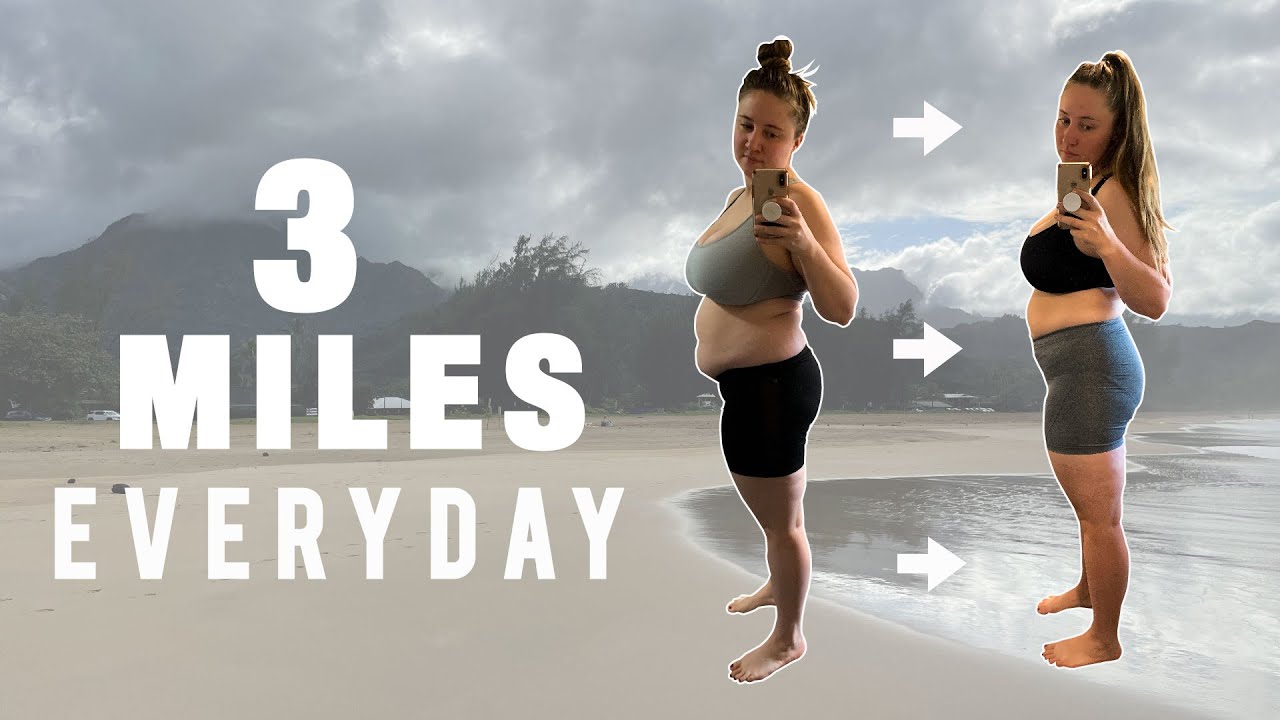
Is Walking 3 Miles A Day Good For Weight Loss?
Walking three miles a day could be the simple, sustainable solution you've been seeking for weight loss. This low-impact exercise burns approximately 300 calories for an average person, depending on pace and body weight. With consistency, the cumulative effect is compelling, transforming walking from a mere activity to a strategic approach for shedding those extra pounds.
The historical roots of walking as a primary mode of exercise are deeply embedded in various cultures worldwide. Statistics show that people who consistently include walking in their daily routines report not only weight loss but various other health benefits. By incorporating a three-mile walk daily, individuals tap into a time-tested method that aligns well with both modern lifestyles and health goals.
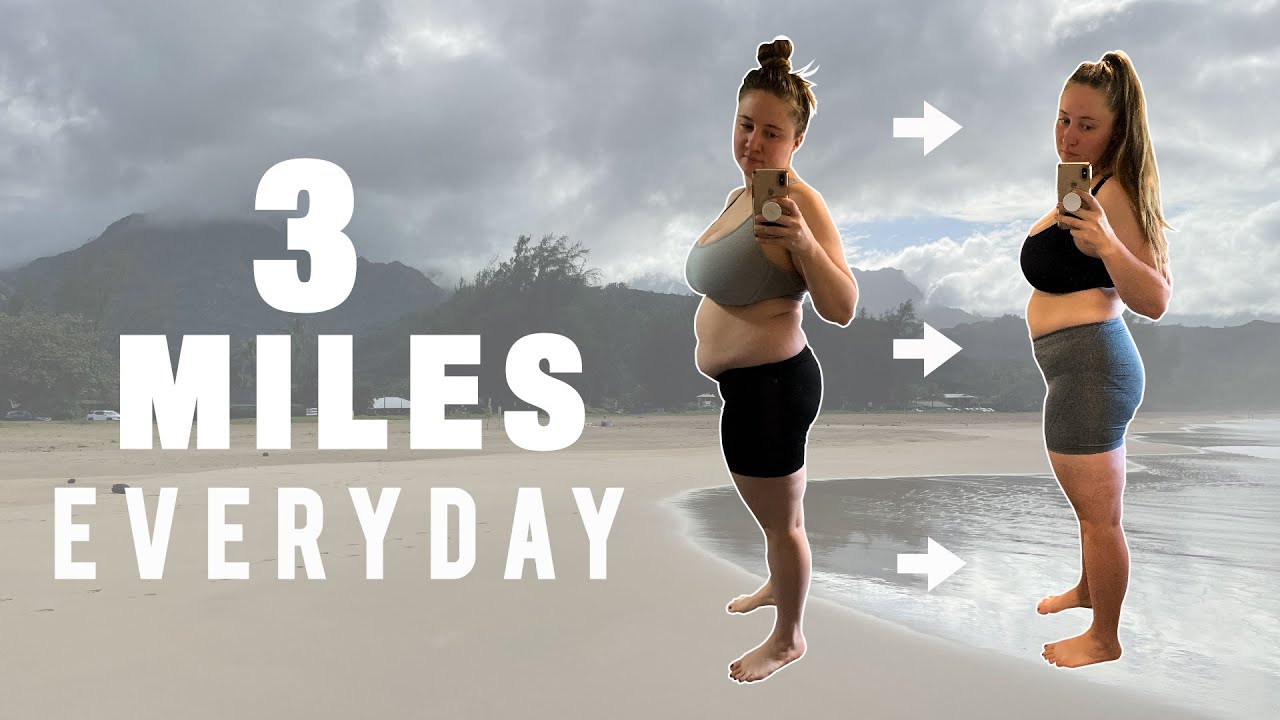
The Science Behind Walking and Weight Loss
Calories Burned Through Walking
Walking is a gentle but effective way to burn calories. On average, walking 3 miles can burn about 300 calories. This amount can vary based on factors like pace and body weight.
When you walk at a faster pace, your body uses more energy. This means you will burn even more calories. Keeping a brisk pace is key to maximizing your calorie burn.
By burning calories, walking helps to create a calorie deficit. This deficit is essential for weight loss, as it forces the body to use stored fat for energy. Therefore, the simple act of walking can be a powerful tool for shedding pounds.
Improved Metabolism
Regular walking can boost your metabolism. A higher metabolism means your body burns more calories even when at rest. This is beneficial for long-term weight management.
Engaging in daily walks helps to increase muscle mass. More muscle mass also contributes to a higher metabolic rate. The combination of calorie burning and metabolism boost makes walking a double-benefit exercise.
Furthermore, walking has been shown to improve insulin sensitivity. This can help the body manage blood sugar levels more efficiently. Maintaining a balanced blood sugar level is crucial for preventing weight gain and supporting overall health.
Role of Consistency
The key to seeing significant results from walking is consistency. It's important to make walking a regular part of your daily routine. Sporadic exercise won't yield the same benefits.
Aiming for 3 miles a day can keep you on track. It sets a clear, achievable goal. Consistent walking builds good habits, which are crucial for sustained weight loss.
Moreover, consistent walking can lead to gradual but steady progress. Slow weight loss is often more sustainable. It is less likely to result in the yo-yo effect, where weight is quickly gained back.
Long-term Health Benefits
Walking does more than just aid in weight loss. It improves cardiovascular health by increasing heart rate and circulation. This reduces the risk of heart disease.
Additionally, walking 3 miles a day can strengthen bones and muscles. This is especially important as we age, helping to prevent conditions like osteoporosis. Stronger muscles also mean better overall body function.
The mental health benefits of walking shouldn't be overlooked. Walking can reduce stress and improve mood. The combination of physical and mental health improvements makes walking a holistic approach to well-being.
Benefits of Walking 3 Miles per Day
Walking 3 miles a day offers diverse benefits beyond weight loss. This simple exercise improves both physical and mental well-being. Regular walking can enhance your overall quality of life.
Physical Health Benefits
Walking regularly helps maintain a healthy weight. It strengthens your heart, lowering the risk of heart disease. Consistent walking also boosts your immune system, keeping you healthier overall.
Additionally, walking can improve your muscular endurance and strength. Stronger muscles contribute to better balance and reduced fall risk. Walking is also gentle on the joints, suitable for most ages and fitness levels.
Furthermore, walking aids in better digestion. It can help regulate bowel movements, reducing issues like constipation. This makes for a more comfortable and healthier daily routine.
Mental Health Benefits
Walking can significantly improve your mental health. Exercise releases endorphins, which make you feel happier and reduce stress. This natural boost in mood can make a big difference in daily life.
Walking outside adds the benefit of fresh air and nature. Being in nature can further uplift your mood and reduce anxiety. Spending time outdoors is a simple yet effective way to improve mental well-being.
Consistent walking also helps improve sleep quality. Better sleep contributes to better mental and physical health. It helps you feel more refreshed and focused each day.
Social Benefits
Walking can be a social activity. You can walk with friends, family, or even join a walking group. This offers a chance to socialize while staying active.
Walking with others can also provide motivation. Having a walking buddy makes it easier to stay consistent. It turns exercise into an enjoyable social experience.
Moreover, walking in your community helps you explore your surroundings. You might discover new places and meet new people. This adds an element of adventure to your daily routine.
Integrating a 3-Mile Walk in Your Daily Routine
Finding time for a daily 3-mile walk might seem challenging, but it's doable with some planning. Break it into smaller sessions, like three 1-mile walks, spread throughout the day. This approach makes it easier to fit into a busy schedule.
Consider walking to work or school if possible. If not, getting off public transport a few stops early can add extra steps. Using breaks at work or lunchtime for short walks can also contribute to reaching the 3-mile goal.
Having a set walking time each day can make it easier to stay consistent. Early mornings or late evenings are often quieter and more pleasant for walking. Adding the walk to your calendar like any other appointment can help ensure you don't skip it.
Making the walk enjoyable can boost your motivation. Listen to music, podcasts, or audiobooks while you walk. Inviting a friend or family member along can also make the experience more enjoyable and social.
Pacing and Intensity: Key Factors in Walking for Weight Loss
Your walking pace directly affects calorie burning. A brisk walk, typically around 4 miles per hour, burns more calories than a slower pace. Speeding up your walking pace can significantly enhance weight loss.
Varying the intensity of your walks is another effective strategy. Try incorporating intervals by alternating between fast walking and a slower pace. This technique, known as interval training, helps to boost metabolism.
Walking uphill adds intensity without the need to increase speed. Inclines force your muscles to work harder, which burns more calories. Including some hill walks or incline treadmill sessions can optimize weight loss results.
Walking with added weights can also improve intensity. Holding small hand weights or wearing a weighted vest can make your walk more challenging. This additional resistance helps to burn more calories and build muscle.
Monitoring your heart rate can ensure you are walking at the right intensity. Aim to reach 50-70% of your maximum heart rate for effective weight loss. Using a heart rate monitor or fitness watch can help track this.
Lastly, incorporate rest days into your routine. Muscles need time to recover to grow stronger. Balancing walking intensity with sufficient rest is key for sustainable weight loss.
Expected Weight Loss from Walking 3 Miles a Day
Walking 3 miles a day can lead to noticeable weight loss over time. On average, you can expect to burn around 300 calories per 3-mile walk. This means a weekly calorie deficit of 2,100 calories, which can translate to approximately 0.6 pounds of fat loss per week.
However, individual results can vary based on factors like walking speed, body weight, and diet. For instance:
- A heavier person might burn more calories per mile.
- A faster walking pace will also increase calorie burn.
- Combined with a healthy diet, the results could be even more impressive.
It's important to note that slow and steady weight loss is often more sustainable. Rapid weight loss can lead to muscle loss and nutrient deficiencies. Aiming for 1 to 2 pounds of weight loss per week is considered healthy by many health experts.
Tracking your progress can help keep you motivated. Use a journal, app, or fitness tracker to log your walks and any changes in weight. Monitoring these metrics can provide valuable insights and encourage you to stay on track.
Nutrition: The Other Half of the Weight Loss Equation
While walking 3 miles a day can jumpstart weight loss, nutrition plays a crucial role too. Balancing your diet ensures you get the best results. Eating healthy foods complements your exercise routine, helping you lose weight more effectively.
Focus on consuming nutrient-dense foods. These are foods rich in vitamins, minerals, and other essential nutrients but low in calories. Examples include fruits, vegetables, lean proteins, and whole grains.
Avoiding processed and sugary foods is also important. These foods are often high in calories but low in nutritional value. Switching to healthier alternatives can make a significant difference in your weight loss journey.
| Food Type | Healthy Options | Unhealthy Options |
|---|---|---|
| Proteins | Chicken, Fish, Tofu | Fried meats, Sausages |
| Carbohydrates | Quinoa, Brown rice, Oats | White bread, Sugary cereals |
| Fats | Avocados, Nuts, Olive oil | Trans fats, Fried foods |
Portion control is another essential aspect. Even healthy foods can lead to weight gain if eaten in large amounts. Using smaller plates and paying attention to hunger cues can help manage portion sizes.
Lastly, staying hydrated is crucial. Drinking enough water supports overall health and helps control hunger. Sometimes, what feels like hunger is just thirst.
Making the Most Out of Your Walks
To maximize the benefits of your walks, consider varying your routes. Exploring different paths can keep your walk interesting and engage different muscle groups. This variety keeps you motivated and prevents boredom.
Adding some strength exercises during your walk boosts its effectiveness. For instance, you can stop at a park bench to do tricep dips or step-ups. Combining cardio with strength training enhances overall fitness.
Use technology to track your progress and stay motivated. Fitness apps or wearable devices help monitor distance, pace, and calorie burn. These tools provide valuable feedback and encourage consistency.
- Set daily or weekly walking goals using an app
- Track calories burned during each walk
- Monitor improvements in pace over time
Incorporating mindful walking can enhance the mental benefits of your exercise. Pay attention to your surroundings, breathing, and body movements. Mindfulness adds a layer of mental relaxation to physical activity.
If possible, walk with a buddy or join a local walking group. Social interaction makes the experience more enjoyable and provides accountability. Having someone to walk with encourages regular participation.
Dressing appropriately for the weather ensures comfort during your walks. Wear breathable fabrics in summer and layer up in winter. Proper clothing keeps you comfortable, making it easier to stick to your routine.
Staying Motivated on Your Walking Journey
Staying motivated to walk 3 miles every day can be a challenge, but setting clear goals can help. Having a target to work towards keeps you focused and gives you a sense of accomplishment. Start with smaller goals and gradually increase them as you progress.
Listening to music, audiobooks, or podcasts can make your walks more enjoyable. It keeps your mind engaged and makes the time pass quickly. Curate a playlist that energizes you and keeps you moving.
A walking journal can be a powerful motivator. Record each walk, noting the distance, time, and how you felt. Reflecting on your progress provides a sense of achievement and encourages you to keep going.
- Set weekly walking goals and track them
- Reward yourself when you meet your targets
- Share your achievements with friends or on social media for added encouragement
Mixing up your routes can add excitement and variety to your walks. Explore local parks, trails, and neighborhoods. This variety can keep things interesting and prevent your routine from becoming monotonous.
Walking with a friend or joining a walking group can make the experience more enjoyable. Social interactions provide additional motivation and accountability. Having a walking buddy ensures you stick to your routine even on days when you feel less motivated.
Lastly, remember to celebrate your successes, no matter how small they may seem. Each step forward is a step towards better health and a reminder that your efforts are paying off. Keep in mind that maintaining a positive attitude is key to staying motivated on your walking journey.
Frequently Asked Questions
Walking is a simple yet powerful exercise. Here are some common questions and answers about the benefits and techniques of walking for weight loss.
1. How many calories can you burn by walking 3 miles?
The number of calories burned while walking 3 miles varies by person. On average, it ranges from 210 to 300 calories, depending on your pace and body weight. A faster pace and heavier weight result in more calories burned.
Pedometers or fitness trackers can provide more accurate estimates tailored to your specific data. Walking at different intensities also changes the calorie burn rate, making each walk unique in its effectiveness.
2. What should you eat before a 3-mile walk?
A light snack rich in carbohydrates and some protein is ideal before a walk. Examples include a banana with peanut butter, yogurt with fruit, or a small smoothie.
This combination provides quick energy and sustains blood sugar levels during your exercise. Avoid heavy or greasy foods that could cause discomfort or sluggishness while walking.
3. Is it better to walk fast or slow for weight loss?
Walking at a brisk pace is generally more effective for weight loss as it burns more calories in less time. However, consistency and duration are also crucial factors for long-term results.
If you're new to exercise, starting slow and gradually increasing your speed will help build endurance without causing injury. Mixing different speeds can also keep your routine interesting and challenging.
4. Can walking help tone muscles?
Yes, walking can help tone muscles, especially in the legs, glutes, and lower back. Engaging in uphill walks or incorporating resistance training strengthens these muscle groups further.
For added toning benefits, try adding short bursts of speed or carrying light weights while you walk. This not only increases calorie burn but also enhances muscle engagement throughout your workout.
5. How can you stay motivated to walk every day?
Setting realistic goals and tracking your progress can keep you motivated to walk daily. Using apps or joining social media groups dedicated to walking can offer additional support and encouragement.
You might also enjoy listening to music, podcasts, or audiobooks during your walks for added enjoyment. Changing your route frequently can make each walk feel like a new adventure and prevent boredom.
Conclusion
Walking 3 miles a day is a sustainable and effective way to support weight loss and improve overall health. This simple exercise fits easily into any schedule and offers both physical and mental benefits. Consistency and a balanced diet are key to maximizing results.
Adapting your walk with varying intensities and inclines can boost calorie burn and muscle tone. Staying motivated through goal-setting and social support ensures long-term success. Embrace the journey and enjoy the numerous perks that come with a regular walking routine.
