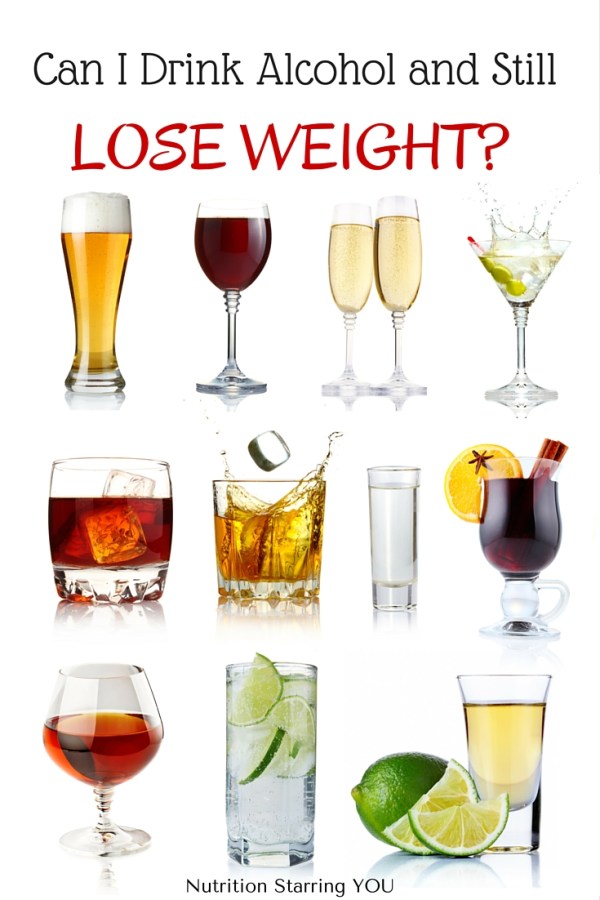
Is Vodka Or Wine Better For Weight Loss?
Considering that a glass of wine or a shot of vodka can brighten up a social event, the impact of these beverages on weight loss might be unexpected. Interestingly, a moderate serving of vodka, which is typically 1.5 ounces, contains around 90-100 calories. Compare this to a standard 5-ounce glass of wine, with a calorie count that ranges from 120-130, and you might start thinking that vodka is the better option.
The historical background reveals that wine has been a staple in many cultures for centuries, often celebrated for its flavor and potential health benefits. However, recent studies indicate that providing only 0.47 grams of sugar per ounce, vodka holds an edge over wine in terms of lower calorie and sugar content. This distinction is particularly crucial for those meticulously managing their calorie intake for weight loss purposes. Maintaining a balance, however, is key.
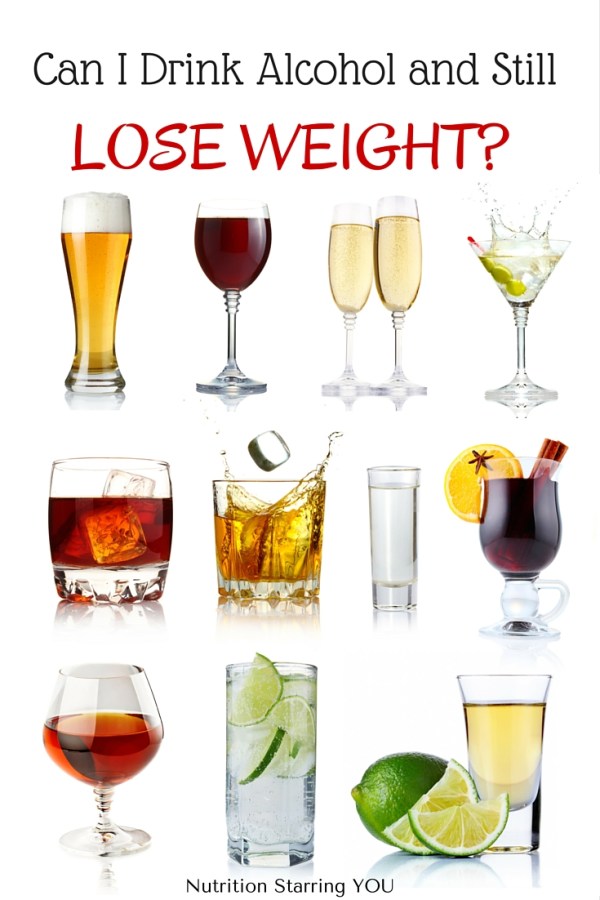
Exploring the Caloric Content of Vodka and Wine
When it comes to watching our weight, understanding the caloric content of our favorite beverages is crucial. A standard serving of vodka, which is about 1.5 ounces, contains roughly 90-100 calories. This makes vodka seem like an appealing option for those counting calories.
In contrast, a 5-ounce glass of wine contains between 120-130 calories. This difference might make you think twice before pouring that extra glass of wine. However, the type of wine, whether red or white, can affect the total calorie count.
To clarify these differences, let's look at a simple table:
| Beverage | Serving Size | Calories |
|---|---|---|
| Vodka | 1.5 ounces | 90-100 |
| Wine | 5 ounces | 120-130 |
While the calorie difference between vodka and wine might seem slight, it can add up quickly, especially if you're having more than one drink. Focusing on serving sizes helps maintain control over calorie intake. Moderation is vital for both weight loss and overall health.
Understanding the Sugar Content in Vodka and Wine
While calories are often the first thing people think about when choosing a drink, sugar content is equally important for weight loss. Vodka is known for having very little to no sugar, making it a popular choice for those on low-carb diets. On the other hand, wine can vary significantly in its sugar content, depending largely on its type and sweetness level.
Sugar Levels in Vodka
Pure vodka, often celebrated for its simplicity, typically contains no sugar. This makes it a favorite for those looking to avoid extra carbs. Flavored vodkas, however, may have added sugar, so it's essential to check the label when counting carbs and calories.
Despite having no sugar, vodka contains alcohol, which the body processes differently. The absence of carbohydrates and sugars is a key reason many choose vodka in their weight-loss journey. Including vodka in moderation can help maintain a low-sugar diet.
Sugar Levels in Wine
Wine, especially sweet varieties, can have varying amounts of sugar. A standard glass of dry wine may contain 1 to 2 grams of sugar, while a dessert wine can have upwards of 8 grams or more. Red wine usually has less sugar than white wine, but this isn't a strict rule.
For those managing sugar intake, selecting a dry wine is generally the better option. It's also helpful to refer to wine labels for precise sugar content. Choosing the right type of wine makes a difference in maintaining a balanced diet.
Comparing Sugar Content in Various Wines
Below, a simple table compares the sugar content in different wines:
| Wine Type | Sugar Content (grams) |
|---|---|
| Dry Red Wine | 1-2 |
| Dry White Wine | 1-2 |
| Sparkling Wine | 6-12 |
| Sweet Dessert Wine | 8+ |
This comparison reveals the wide variety in sugar content among wine types. Being informed about these differences is crucial for those looking to control their sugar intake. When in doubt, opt for wines with lower sugar levels to support your weight management goals.
No Sugar Added: The Case for Vodka
Vodka's appeal for those on a low-sugar diet lies in its lack of sugar and carbohydrates. This characteristic makes it an ideal choice for people seeking to manage their weight. Without additional sugars, vodka helps keep calorie intake lower compared to other alcoholic drinks.
Additionally, vodka blends well with other low-calorie mixers, enhancing its popularity among health-conscious drinkers. Common mixers like soda water and lemon have negligible calories, keeping the overall drink light. This flexibility makes vodka a versatile base for various low-calorie cocktails.
If you opt for flavored vodka, be mindful of added sugars. Some brands enhance flavors by incorporating sugars, altering the caloric content. Always check the label to ensure you are choosing a product free from unnecessary sugars.
For further variety, consider these low-calorie mixer options:
- Soda water
- Fresh lime or lemon juice
- Diet tonic water
- Herbal teas
Using these mixers can help maintain your low-sugar diet while still enjoying a refreshing drink. The simplicity and low sugar content of vodka make it a strong contender for those focused on weight loss. Moderation, as always, is key to reaping these benefits.
The Light Side of Wine: Benefits of Moderate Wine Consumption
Wine enthusiasts often cite various health benefits associated with moderate wine consumption. One of the most well-known is the presence of antioxidants like resveratrol in red wine. These antioxidants play a role in protecting the heart and reducing inflammation.
Additionally, moderate wine drinking has been linked to a lower risk of heart disease. This is because wine can help raise HDL cholesterol, also known as the "good" cholesterol. Increasing HDL levels supports a healthier cardiovascular system.
Moderate wine consumption can also have positive effects on mental health. Studies suggest that those who drink wine in moderation may experience lower levels of stress and anxiety. The key is to enjoy wine responsibly.
To keep track of how much wine you consume, consider this helpful table:
| Measure | Servings |
|---|---|
| 1 glass | 5 ounces |
| 1 bottle | 5 glasses |
Having this visual aid helps ensure you don't exceed recommended limits. For women, the suggested amount is one glass per day, while men can enjoy up to two. Sticking to these guidelines lets you enjoy wine's benefits without the downsides.
Incorporating wine into your diet doesn't have to derail your weight loss efforts. Balance and moderation are paramount. By understanding and respecting serving sizes, you can enjoy the positive aspects of wine while maintaining your health goals.
Nutritional Aspects: Comparing Vodka and Wine
When comparing vodka and wine from a nutritional standpoint, it's essential to examine their different components. Vodka is often celebrated for its simplicity, containing primarily water and ethanol. This purity leaves out many of the additional nutrients you might find in wine.
Wine, especially red wine, contains various nutrients besides alcohol. It offers vitamins and minerals such as potassium, calcium, and iron. The presence of antioxidants in wine also makes it unique in the nutritional landscape.
To illustrate these differences, consider the following table:
| Component | Vodka | Wine |
|---|---|---|
| Calories (per serving) | 90-100 | 120-130 |
| Sugar Content | 0 grams | 1-8 grams |
| Antioxidants | None | High (especially in red wine) |
| Minerals | Minimal | Present |
While vodka is a low-calorie and low-sugar choice, wine provides additional nutrients that can benefit overall health. Most notably, red wine contains resveratrol, an antioxidant linked to heart health. Understanding these differences can help you make informed choices based on your health goals.
Consider your diet and what you hope to achieve when choosing between these two drinks. Both can fit within a balanced lifestyle if enjoyed in moderation. The choice between vodka and wine ultimately depends on your nutritional priorities and personal preference.
Exploring the Alcohol Content: Vodka Vs. Wine
The alcohol content in beverages often influences our drinking choices. Vodka, known for its high alcohol concentration, typically contains 40% alcohol by volume (ABV). This makes it one of the stronger spirits available.
In comparison, wine has a much lower alcohol content. Most wines range between 12-15% ABV. This lower concentration means you would need to drink more wine to consume the same amount of alcohol found in vodka.
Here's a clear comparison:
| Beverage | Typical ABV |
|---|---|
| Vodka | 40% |
| Wine | 12-15% |
For those monitoring their alcohol intake, understanding these differences is crucial. High ABV drinks like vodka can lead to increased effects with less volume. Conversely, wine can be sipped more leisurely, offering a more gradual experience.
Given these insights, making smart choices about alcohol consumption becomes easier. Knowing how strong your drink is helps you manage your intake better. Remember, moderation is key in enjoying these beverages responsibly.
The Influence of Drinking Habits on Weight Loss
When considering weight loss, drinking habits play a crucial role. Frequent alcohol consumption can add up in calories, often leading to weight gain. Conversely, moderate and mindful drinking can help maintain or even achieve weight loss goals.
The type of drink also impacts your results. Vodka, with its low sugar and carb content, might be less detrimental compared to sugary cocktails or high-calorie wines. Choosing mixers without added sugars can further support your dietary needs.
Here's how different drinks stack up calorie-wise:
| Beverage | Calories per Serving |
|---|---|
| Vodka (1.5 ounces) | 90-100 |
| Wine (5 ounces) | 120-130 |
| Sugary Cocktail | 200+ |
The frequency and quantity of alcohol you consume are equally important. Even low-calorie options like vodka can hinder weight loss when consumed in large amounts. Keeping track of your drinking habits ensures better control over your overall intake.
Mental awareness also affects drinking choices. Stress or social settings can lead to higher consumption without realizing it. Being mindful about why and how much you drink helps in sticking to your weight loss plan.
A balanced approach to alcohol is essential for those serious about losing weight. Limiting both the amount and frequency while choosing lower-calorie options makes a significant difference over time. Always remember that moderation is the best strategy for achieving long-term success.
Final Verdict: Vodka or Wine for Weight Loss?
The debate between vodka and wine for weight loss hinges on several factors. Vodka offers the advantage of being low in sugar and carbohydrates. Its high alcohol concentration means fewer drinks to achieve the same effect.
Wine, particularly red wine, provides additional nutrients and antioxidants. These can offer health benefits beyond weight management. However, wine's higher calorie content might require more careful monitoring.
Depending on individual dietary needs, both beverages have their pros and cons. For those strictly counting calories and sugars, vodka might be the better choice. For those interested in added health benefits, moderate wine consumption could be ideal.
Here's a quick comparison:
| Aspect | Vodka | Wine |
|---|---|---|
| Calories (per serving) | 90-100 | 120-130 |
| Sugar Content | Minimal | Varies (1-8 grams) |
| Nutritional Benefits | Few | Rich in antioxidants, minerals |
| Alcohol Content | High (40% ABV) | Moderate (12-15% ABV) |
Ultimately, the choice depends on personal preference and health goals. Both vodka and wine can be part of a balanced diet if consumed in moderation. Always remember that mindful drinking and portion control are key factors in supporting weight loss efforts.
Frequently Asked Questions
Understanding the impact of vodka and wine on weight loss can be complex. Here, we address common queries to provide clarity on this topic.
1. What factors determine the calorie content in alcoholic beverages?
The calorie content in alcoholic beverages depends on the alcohol content, sugar levels, and serving size. Drinks with higher alcohol percentages generally have more calories per serving.
Sugar also adds to the total calories, making certain cocktails and sweet wines higher in caloric value. Being aware of these factors helps maintain a balanced intake.
2. How does alcohol affect metabolism?
Alcohol affects metabolism by slowing down fat burning while your body processes it as a toxin. This temporary halt can hinder weight loss efforts, especially if you consume alcohol frequently.
The liver prioritizes breaking down alcohol over other metabolic processes, leading to reduced efficiency in burning fats and carbohydrates during this time.
3. Is there a significant nutritional difference between red and white wine?
Red wine contains more antioxidants like resveratrol compared to white wine due to the grape skins used in its production. These antioxidants offer heart-protective benefits.
White wine usually has fewer antioxidants but still provides some nutritional value. Both types contain similar calorie counts when consumed in moderation.
4. Can drinking vodka limit weight gain risks compared to other spirits?
Vodka's low sugar content makes it a better option for limiting weight gain compared to sugary drinks like rum or flavored liqueurs. Choosing no-calorie mixers enhances its advantages further.
However, it's essential to drink responsibly since excessive consumption negates any potential benefits by adding empty calories to your diet.
5. Are there any health benefits of moderate wine consumption aside from weight management?
Moderate wine consumption has been linked to several health benefits, including improved heart health and reduced inflammation. Red wine is particularly noted for its high levels of beneficial polyphenols.
An added advantage is potential protection against certain diseases due to these compounds' anti-inflammatory properties; however, moderation remains key in reaping such benefits without adverse effects on health or weight.
Conclusion
In the debate between vodka and wine for weight loss, the choice ultimately depends on individual goals and preferences. Vodka generally offers a lower calorie and sugar content, making it a favorable option for those focused strictly on weight management.
However, wine provides unique nutritional benefits like antioxidants, especially in red wine. Balancing these factors with moderation and mindfulness ensures that both vodka and wine can fit into a healthy lifestyle. The key is to make informed choices tailored to your personal needs and goals.
