Is Rice Or Potatoes Better For Weight Loss?
Every diet has its champions and foes, but did you know a medium-sized potato has just about 110 calories? That's fewer than a cup of cooked rice. The difference in their impact on weight loss, however, lies more in nutritional content than raw calorie count.
Historically, both rice and potatoes have served as staples in various cultures. Rice is often lauded for its versatility, while potatoes provide more fiber and satiety. A study from the Journal of the American Dietetic Association suggests high-fiber foods, like potatoes, can better aid weight loss by keeping you fuller longer and stabilizing blood sugar levels.
The Basic Nutritional Content: Rice VS Potatoes
When comparing the basic nutritional content of rice and potatoes, it's clear that both have unique benefits. A cup of cooked rice has about 200 calories, while a medium-sized potato has around 110 calories. This makes potatoes lower in calories per serving than rice.
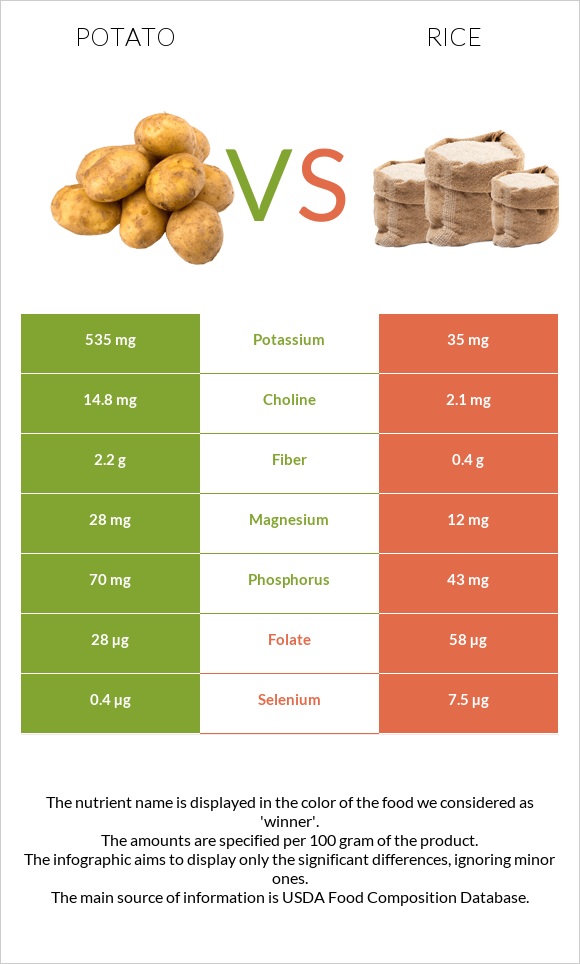
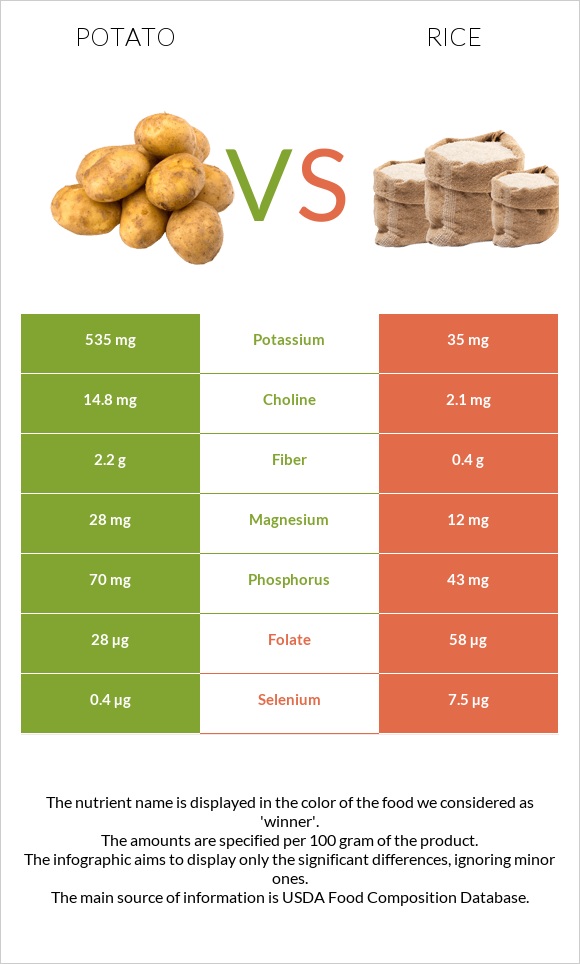
Potatoes are known for their fiber content, offering around 2 grams per medium potato. Fiber aids in digestion and helps you feel fuller. On the other hand, white rice contains less than 1 gram of fiber per serving.
Rice and potatoes both contain essential vitamins and minerals. Potatoes are rich in vitamin C and potassium. Rice, especially brown rice, is a good source of B vitamins and magnesium.
To illustrate, here's a simple table comparing their nutritional values per 100 grams:
| Nutrient | Rice | Potatoes |
|---|---|---|
| Calories | 130 | 77 |
| Fiber (grams) | 0.4 | 2.2 |
| Vitamin C (%) | 0 | 32% |
The Nutritional Advantages of Potatoes
Potatoes offer numerous nutritional benefits, making them an excellent addition to any diet. They are rich in vitamins and minerals like vitamin C, vitamin B6, and potassium. These nutrients are essential for overall health and well-being.
One significant advantage of potatoes is their high fiber content. Fiber aids in digestion and helps maintain a feeling of fullness, which can assist in weight management. Furthermore, a medium-sized potato provides about 2 grams of fiber.
Potatoes are also a versatile food that can be cooked in various ways. Whether mashed, baked, or boiled, they retain most of their nutritional value. This flexibility makes them a favorite in many households.
Moreover, potatoes are naturally fat-free and cholesterol-free. This makes them a heart-healthy option. Their low-calorie content further emphasizes their suitability for weight loss diets.
Vitamins and Minerals in Potatoes
Potatoes are packed with essential vitamins and minerals. For instance, they are an excellent source of vitamin C, which supports immune function. They also contain vitamin B6, vital for brain health.
Another important mineral found in potatoes is potassium. Potassium helps regulate blood pressure. A medium potato provides more potassium than a banana.
Here's a quick list of nutrients in a standard medium-sized potato:
- Vitamin C: 32% of daily requirement
- Vitamin B6: 15% of daily requirement
- Potassium: 15% of daily requirement
Fiber Content and Digestive Health
High fiber content is one of the key benefits of consuming potatoes. Fiber aids in digestion and helps keep you feeling full longer. This can greatly assist in weight loss efforts.
Dietary fiber in potatoes helps prevent constipation and promotes gut health. It also stabilizes blood sugar levels.
By including potatoes in your diet, you can ensure you are getting a good amount of dietary fiber. This contributes to overall digestive health.
Potatoes in Various Diets
Potatoes fit well into many dietary plans. They can be included in vegan, vegetarian, and gluten-free diets. Their high nutrient content supports balanced nutrition.
Cooking methods can also affect their nutritional value. For example, baking retains more nutrients compared to frying. This versatility makes potatoes a staple in various cuisines.
By incorporating potatoes healthily, you can reap their nutritional benefits without compromising on taste. This balance makes them a versatile option for different meal plans.
The Glycemic Index Gap: Rice VS Potatoes
The glycemic index (GI) measures how quickly a food raises blood sugar levels. Foods with a high GI can cause spikes in blood sugar, which may lead to weight gain. Rice generally has a higher GI than potatoes.
White rice, for instance, has a GI of about 70, whereas boiled potatoes have a GI of roughly 50. This means that potatoes have a lower impact on blood sugar compared to rice. It also means that eating potatoes can lead to more stable energy levels.
Basmati rice, a popular alternative, has a lower GI of about 50. This makes it a better choice compared to regular white rice. However, even basmati rice is higher on the GI scale than most types of potatoes.
The table below summarizes the GI values of different foods:
| Food | Glycemic Index (GI) |
|---|---|
| White Rice | 70 |
| Basmati Rice | 50 |
| Boiled Potatoes | 50 |
The Nutritional Advantages of Rice
Rice is a staple food in many cultures and for good reason. It offers a range of nutritional benefits that make it a valuable part of a balanced diet. Different types of rice provide varying nutrients and health benefits.
Brown rice is particularly nutritious. It contains all parts of the grain, including the bran and germ. This makes it high in fiber, aiding digestion and promoting a feeling of fullness.
White rice, although less nutrient-dense than brown rice, is still a good source of energy. It's often enriched with essential vitamins like folic acid and iron. This makes it an excellent option for people looking to fortify their diet.
Additionally, rice is naturally gluten-free. This makes it a safe food choice for those with celiac disease or gluten sensitivities. It's a versatile grain that can be included in almost any diet.
Here's a quick comparison of the nutritional content of brown and white rice:
| Nutrient | Brown Rice | White Rice |
|---|---|---|
| Calories (per cup) | 218 | 204 |
| Fiber (grams) | 3.5 | 0.6 |
| Magnesium (mg) | 83 | 19 |
Another advantage of rice is its ease of digestion. Its relatively simple structure makes it easy for the stomach to process. This is especially beneficial for those who have sensitive digestive systems.
Moreover, rice serves as a great base for balanced meals. It pairs well with proteins, vegetables, and healthy fats. This versatility helps ensure a balanced intake of macro and micronutrients.
The Role of Cooking Methods in Weight Loss
The way you cook food can significantly impact its nutritional value and your ability to lose weight. Baking, boiling, and steaming are considered some of the healthiest cooking methods. These methods help retain nutrients and add minimal calories.
Frying, on the other hand, adds extra fat and calories. This can hinder weight loss efforts. Deep-fried foods often contain unhealthy trans fats that can harm your health.
Grilling is another excellent option as it allows excess fat to drip away from the food. This makes it a healthier choice compared to frying. It also adds a delicious smoky flavor without extra calories.
Microwaving is quick and retains nutrients well if done correctly. Just remember to use minimal water to avoid nutrient loss. It’s convenient for busy individuals looking to eat healthy.
Here’s a simple comparison of different cooking methods:
| Method | Health Impact |
|---|---|
| Baking | Retains nutrients and adds no extra fat |
| Frying | Adds extra fat and calories; can be unhealthy |
| Grilling | Allows fat to drip away; adds flavor |
| Microwaving | Quick and retains nutrients |
Steaming is particularly great for vegetables. It helps preserve color, flavor, and nutrients. This method is not only healthy but also easy to do.
Boiling can sometimes lead to nutrient loss, especially water-soluble vitamins like vitamin C. However, it’s a simple method that requires no added fats. Use the cooking water in soups to recover some of the lost nutrients.
The Digestibility Factor
Digestibility is an important aspect when choosing foods for weight loss. Foods that are easy to digest tend to be gentler on the stomach and can help maintain steady energy levels. Rice and potatoes differ in terms of digestibility.
White rice is highly digestible and often recommended for people with digestive issues. It has a simpler structure, which makes it easier for the body to break down. This also means that it's quickly converted into glucose, providing a fast energy source.
Potatoes, especially when cooked and cooled, contain resistant starch. Resistant starch acts like fiber and is less digestible, meaning it takes longer to break down. This slower digestion process can help you feel full longer, aiding in weight management.
Below is a table comparing the digestibility of white rice and potatoes:
| Food | Digestibility |
|---|---|
| White Rice | Highly digestible, fast energy source |
| Potatoes | Slower to digest due to resistant starch |
The way potatoes are prepared can also affect digestibility. Boiled or mashed potatoes are easier to digest compared to fried versions. This makes them a suitable option for those with sensitive stomachs.
In contrast, brown rice is less digestible than white rice because it contains more fiber. While this is beneficial for gut health, it might not be suitable for everyone. People with digestive issues might find white rice a better option.
The Role of Portion Sizes in Weight-loss
Portion size plays a crucial role in weight loss. Even the healthiest food can contribute to weight gain if consumed in large quantities. Rice and potatoes are no exception to this rule.
Understanding proper portion sizes can help you control your calorie intake. A standard serving size for cooked rice is about 1/2 cup, which contains around 100 calories. For potatoes, a medium-sized potato is typically considered one serving.
The challenge often comes from underestimating how much we eat. Using smaller plates can trick your brain into feeling satisfied with less food. This simple change can significantly impact your weight loss journey.
A great way to manage portions is by pre-measuring your servings. Avoid eating directly from large containers or bags. This practice makes it easier to keep track of what you consume.
Here’s an example of suitable portion sizes:
- 1/2 cup of cooked rice
- 1 medium-sized potato
Controlling portion sizes doesn't mean you have to feel hungry all the time. Focus on filling, nutrient-dense foods that keep you satisfied longer. By managing portions effectively, you can enjoy a variety of foods while working towards your weight loss goals.
How to Incorporate Both Rice and Potatoes in a Weight Loss Diet
Incorporating both rice and potatoes in a weight loss diet can be simple and effective. The key is to focus on portion control and cooking methods that retain nutrients without adding excess calories. Integrating these foods wisely can help you enjoy variety while managing your weight.
Start by choosing healthier cooking methods such as boiling, steaming, or baking. Avoid frying, which adds extra fats and calories. For instance, you can enjoy a baked potato with a sprinkle of herbs instead of deep-fried fries.
Balancing your meals with other nutrient-rich foods is essential. Pair rice or potatoes with lean proteins like chicken, fish, or tofu and plenty of vegetables. This combination enhances satiety and provides a well-rounded, nutritious meal.
Here’s an example of a balanced meal plan:
- Grilled chicken breast with 1/2 cup of steamed rice and a side of steamed broccoli
- Baked potato topped with salsa and a serving of grilled fish
- Vegetable stir-fry with tofu and a small serving of brown rice
Additionally, consider incorporating complex carbs like brown rice instead of white rice. Brown rice is richer in fiber and nutrients, which can help you feel fuller longer. This can support your weight-loss goals by preventing overeating.
Lastly, remember to adjust your portion sizes based on your activity level and daily calorie goals. Listening to your hunger cues and eating until you're satisfied, not stuffed, can make a big difference. By following these tips, you can enjoy both rice and potatoes while staying on track with your weight loss journey.
Frequently Asked Questions
If you're interested in weight loss and dietary choices, understanding the differences between rice and potatoes can help. Here, we answer some common questions to guide you on your journey.
1. How many calories are in potatoes compared to rice?
A medium-sized potato contains about 110 calories, whereas a cup of cooked rice has around 200 calories. This makes potatoes lower in calorie density, which can be beneficial for weight loss.
Choosing foods with lower calorie density allows you to eat more volume without consuming too many calories. Therefore, including potatoes in your diet might help maintain a calorie deficit while feeling satisfied.
2. Which is higher in fiber: rice or potatoes?
Potatoes generally contain more fiber than rice. A medium potato provides approximately 2 grams of fiber, while white rice offers less than 1 gram per cup.
Dietary fiber is essential for digestion and helps keep you full longer. Including high-fiber foods like potatoes can aid in managing hunger and supporting weight loss efforts.
3. Can eating potatoes stabilize blood sugar levels better than rice?
Yes, due to their lower glycemic index (GI), potatoes can stabilize blood sugar levels better compared to most types of rice. Boiled potatoes have a GI of approximately 50, while white rice usually has a GI around 70.
A lower GI means the food causes a slower rise in blood sugar levels, reducing insulin spikes and the risk of hunger pangs shortly after meals. This makes potatoes a suitable option for maintaining stable energy levels during weight loss.
4. Are there specific types of rice that are better for weight loss?
Basmati and brown rice are better options for weight loss compared to white rice. Basmati has a lower glycemic index around 50, similar to boiled potatoes, making it easier on blood sugar levels.
brown rice is also high in fiber—about 3.5 grams per cup—and provides lasting satiety. Incorporating these types of rice can help balance your diet while aiding weight management.
5. How does cooking method impact the health benefits of potatoes and rice?
The way you cook these foods greatly impacts their nutritional value and suitability for weight loss. Steaming or boiling retains nutrients without adding extra calories from fats, making them healthier options compared to frying or sautéing.
Baking is another favorable method as it preserves nutrients while creating minimal added fat content. Choosing appropriate cooking methods contributes significantly to achieving your weight-loss goals by ensuring maximum nutrition with fewer empty calories.
Conclusion
Incorporating both rice and potatoes into a weight loss diet can offer a balanced approach to achieving your health goals. The key lies in portion control, healthy cooking methods, and the selection of nutrient-dense varieties. Both foods have their unique advantages, allowing you to enjoy a diverse and satisfying diet.
By understanding the nutritional benefits and adjusting your meal plans accordingly, you can make informed decisions that support weight loss. Whether you prefer the fiber-rich qualities of potatoes or the versatile benefits of rice, a well-rounded diet will help you reach your goals effectively.
