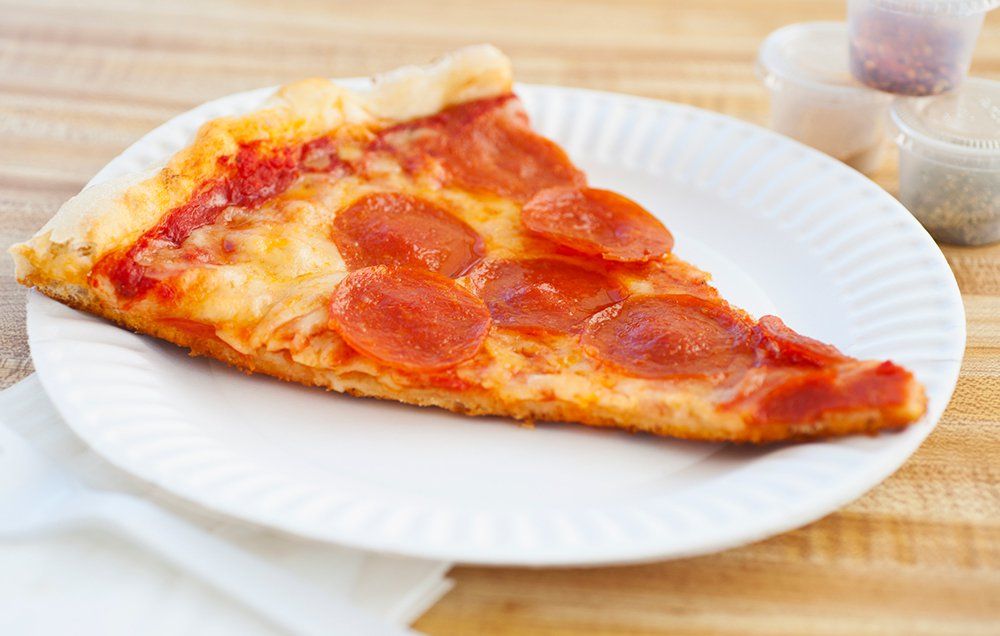
Is Pizza Healthy For Weight Loss?
Consider the idea: can a popular indulgence like pizza align with weight loss goals? With various dietary plans often villainizing this beloved dish, it might be surprising to know that pizza, when made thoughtfully, can actually fit into a healthy eating regimen. After all, the right balance of ingredients can transform pizza into a nutrient-packed meal.
Modern nutritional strategies suggest that by choosing whole grain crusts, lean proteins, and a variety of vegetables, pizza can be quite a healthful option. Even the Mediterranean diet, renowned for its health benefits, includes flatbreads similar to pizza. According to a National Institutes of Health study, mindful modifications can turn pizza into a viable component of a weight loss plan, offering not just flavor but balanced nutrition.
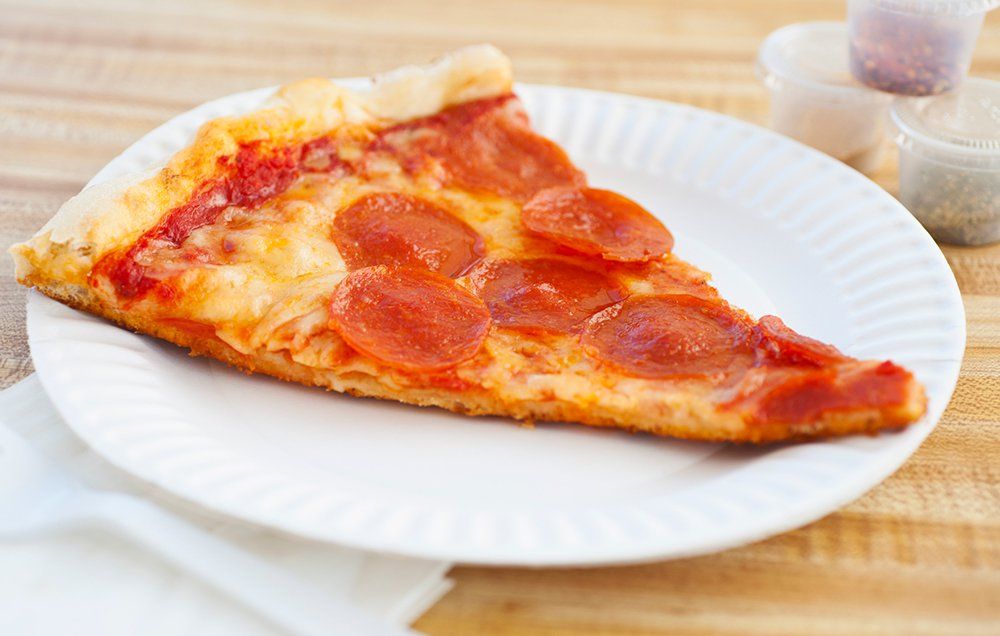
Defining 'Healthy' in the Context of Weight Loss
When we talk about being "healthy" while losing weight, we look at more than just shedding pounds. Health encompasses balanced nutrition, sufficient physical activity, and mental well-being. It's essential to consume enough nutrients while keeping the calorie intake in check.
Calorie intake plays a significant role in weight loss. Consuming fewer calories than we burn leads to weight loss. But it's crucial that these calories come from nutrient-dense foods rather than empty-calorie foods.
Nutrient density means the foods provide vitamins, minerals, and other essential nutrients with fewer calories. Examples of nutrient-dense foods include fruits, vegetables, lean proteins, and whole grains. Incorporating these into meals ensures the body receives adequate nutrition.
Portion control is another key factor. Eating appropriate portions helps maintain a balance between calorie consumption and energy needs. Smaller portions also help prevent overeating, making it easier to stay within daily calorie limits.
Importance of Balanced Nutrition
Balanced nutrition means getting a variety of nutrients from different food groups. Each group offers different benefits. For example, proteins help build muscles, while carbohydrates provide energy.
Combining different food groups ensures the body functions well. Consuming a variety of foods also helps prevent nutrient deficiencies. This balanced approach keeps our diet interesting and enjoyable.
Strong nutrients like vitamins and minerals support many bodily functions. Iron, for instance, helps carry oxygen through the blood, while calcium strengthens bones. Eating a diverse range of foods ensures we get all necessary nutrients.
Role of Physical Activity
Physical activity complements a healthy diet. Regular exercise helps burn calories and build muscle. It also boosts mood and energy levels. Both strength training and cardio are beneficial.
Strength training builds muscle, which increases metabolism. This means you burn more calories even at rest. Activities like weightlifting, yoga, or resistance bands are great options.
Cardio exercises, like running or swimming, improve heart health. They help burn calories quickly. Consistent cardio workouts enhance endurance and overall fitness.
The Psychological Aspect of Weight Loss
The mental component of weight loss is often underestimated. Maintaining a positive outlook helps keep motivation high. Stress management is crucial for success.
Techniques like mindfulness and meditation can aid in stress reduction. Finding healthy coping mechanisms prevents emotional eating. A supportive environment also makes a significant difference.
Healthy eating and weight loss are lifelong commitments. Keeping a bigger picture in mind helps navigate setbacks. Consistency and patience are key.
The Nutritional Content of a Typical Pizza
Pizza is a popular food, but what's in it? A typical pizza consists of three main elements: crust, sauce, and toppings. Each component has different nutritional values.
The crust is primarily made of flour. This means it's rich in carbohydrates. Carbohydrates provide energy but can also contribute to high calorie intake if overconsumed.
The sauce, often made from tomatoes, can be a source of vitamins. Tomato sauce provides Vitamin C and antioxidants. However, it can be high in sugar and sodium.
Toppings vary greatly but usually include cheese and meats. Cheese adds protein and calcium but also contains saturated fat. Meats like pepperoni or sausage increase protein but add extra fats and calories.
Carbohydrates in Pizza
Carbohydrates in pizza mainly come from the crust. A regular pizza crust usually means refined flour. Refined flour can spike blood sugar levels.
Alternative crusts use whole grains or cauliflower. These options offer more fiber and nutrients. Whole grain crusts release sugar into the bloodstream more slowly.
Cauliflower crusts are becoming popular. They are lower in carbs and calories. This makes them a good choice for weight loss.
Protein and Fats in Pizza
Pizza toppings like cheese and meats add protein to the meal. Protein is essential for muscle building and repair. It also helps you feel full longer.
However, these toppings can be high in saturated fat. Saturated fat is linked to heart disease. Choosing lean meats and reduced-fat cheese can help.
Vegetable toppings are a healthier alternative. They add flavor and nutrients without the extra fat. Options include bell peppers, spinach, and mushrooms.
Vitamins and Minerals in Pizza
Tomato sauce provides several vitamins and minerals. Vitamin C and potassium are commonly found in tomatoes. These nutrients support immune function and heart health.
Cheese is a good source of calcium. Calcium strengthens bones and teeth. However, it's best to consume cheese in moderation due to its fat content.
Adding vegetables to your pizza can boost its nutritional profile. Vegetables provide essential vitamins and fiber. They help balance the meal, making it healthier overall.
Pizza: A Villain in Disguise?
Many people view pizza as a guilty pleasure. It's often associated with unhealthy eating due to its high calorie and fat content. But is pizza really as bad as it seems?
A lot depends on the type of pizza you choose. Commercial pizzas can be loaded with excessive cheese, fatty meats, and refined flour crusts. This combination makes them calorie-dense and low in nutrients.
However, not all pizzas fit this stereotype. Homemade pizzas or health-focused brands offer healthier versions. Using whole grain crusts, light cheese, and lots of vegetables can make a big difference.
Choosing better ingredients can turn pizza into a more balanced meal. It's all about the choices we make. Therefore, pizza doesn't have to be a villain; it can be part of a healthy diet with mindful modifications.
Making Pizza a Healthier Option
One easy way to make pizza healthier is by changing the crust. Opt for whole grain or cauliflower crusts instead of regular white flour dough. These alternatives provide more fiber and nutrients while lowering the calorie count.
The type of cheese used can also make a big difference. Choose reduced-fat mozzarella or other low-fat cheeses. These options cut down on saturated fats and calories.
Toppings are where you can add a lot of nutritional value. Fresh vegetables like bell peppers, onions, mushrooms, and spinach add vitamins and minerals. Lean proteins such as chicken or turkey sausage enhance the meal's nutritional profile.
You can also experiment with plant-based toppings. Ingredients like tofu, tempeh, and legumes are excellent protein sources. They are also lower in fat compared to traditional meat toppings.
Using a tomato sauce with no added sugars enhances the healthiness of your pizza. Many store-bought sauces contain added sugar, which increases calorie content. Homemade sauce or carefully selected brands can lower unnecessary sugar intake.
Portion control is essential when eating pizza. Limit yourself to one or two slices and pair them with a side salad. This approach helps balance calorie intake and ensures you get enough vegetables in your meal.
The Positive Aspects of Eating Pizza
Despite its reputation, pizza can offer some nutritional benefits. When prepared with the right ingredients, it provides a balanced meal. Whole grain crust and vegetable toppings contribute valuable nutrients.
Pizza can be a great source of protein. Toppings like lean meats, chicken, or even plant-based proteins like tofu add to its protein content. This helps in muscle repair and keeps you feeling full longer.
The tomatoes used in pizza sauce provide essential vitamins. Tomatoes are rich in vitamins A and C, which support immune health. Additionally, they contain antioxidants like lycopene, beneficial for heart health.
Cheese is another beneficial component when consumed in moderation. It provides calcium, which is vital for strong bones and teeth. Opting for low-fat cheese can deliver these benefits without excessive fat intake.
Eating pizza can also be a social and enjoyable experience. Sharing a pizza with friends and family creates a sense of community. This social interaction can have mental health benefits, like reducing stress.
Making your own pizza at home allows you to control the ingredients. Home-cooked meals often have fewer preservatives and additives. This means you get all the taste with healthier ingredients.
Pizza and the Mediterranean Diet: A Comparison
The Mediterranean diet is known for its health benefits. It emphasizes whole grains, fruits, vegetables, and lean proteins. This diet has been linked to a lower risk of chronic diseases.
Pizza can be adapted to fit the Mediterranean diet. By using whole grain crust, fresh vegetables, and lean meats, you align it with Mediterranean principles. Olive oil instead of butter can further enhance its healthiness.
In the Mediterranean diet, moderation is key. Portion control and balanced eating are vital. Similarly, enjoying pizza in moderation can make it a part of a healthy lifestyle.
Let's compare typical pizza ingredients to those in the Mediterranean diet:
| Ingredient | Typical Pizza | Mediterranean Diet |
|---|---|---|
| Crust | Refined flour | Whole grains |
| Sauce | Tomato sauce | Fresh tomatoes |
| Cheese | Full-fat mozzarella | Feta or reduced-fat cheese |
| Toppings | Pepperoni, sausage | Vegetables, lean meats |
Both pizza and the Mediterranean diet can include delicious flavors. Using herbs and spices enhances flavor without adding unhealthy fats or sugars. This approach boosts both taste and nutritional value.
Incorporating pizza into a Mediterranean-style diet can provide enjoyment and health. It's all about making smart ingredient choices. This balance ensures that you can relish pizza guilt-free.
Pizza in the Context of Popular Diet Trends
Pizza's adaptability makes it suitable for various popular diets. With some adjustments, it can fit into Keto, Paleo, or even plant-based diets. The key is to modify ingredients according to each diet's guidelines.
For the Keto diet, reducing carbohydrates is crucial. A cauliflower crust is a great low-carb option. Topping with high-fat cheese and meats aligns the pizza with Keto principles.
In the Paleo diet, grains and dairy are avoided. Using an almond flour crust and skipping cheese can make pizza Paleo-friendly. Opt for toppings like vegetables and lean proteins.
Vegans can also enjoy pizza by using plant-based ingredients. Dairy-free cheeses, vegetable toppings, and legume-based crusts are good options. This way, pizza remains delicious without animal products.
- Low-carb crust options: cauliflower, almond flour
- High-protein toppings: chicken breast, tofu
- Vegan alternatives: dairy-free cheese, legumes
Intermittent Fasting (IF) focuses on eating windows rather than restricting specific foods. Pizza can fit into IF during eating periods if portion control is maintained. This makes it easier to include favorite foods without breaking dietary rules.
Adapting pizza for different diet trends shows its versatility. Making smart ingredient choices keeps it both tasty and compliant with dietary guidelines. This allows many people to enjoy pizza within their chosen eating plans.
The Verdict: Can Pizza Be a Part of a Weight Loss Regime?
Many wonder if pizza can fit into a weight loss plan. The good news is, with mindful choices, it can. The key lies in selecting the right ingredients and controlling portions.
Opting for a whole grain or cauliflower crust lowers calorie intake. These alternatives provide more fiber, keeping you full longer. They also offer additional nutrients compared to regular crusts.
Choosing healthy toppings is another crucial factor. Vegetables, lean meats, and reduced-fat cheese make pizza a more balanced meal. Avoiding high-fat meats like pepperoni can significantly reduce calorie and fat content.
It's also important to be mindful of portion sizes. Eating one or two slices paired with a side salad can keep calorie intake in check. This approach helps maintain a balanced diet without feeling deprived.
Including pizza in a weight loss regime is possible with these adjustments. Smart ingredient choices and portion control are essential. This way, you can enjoy pizza without hindering your weight loss goals.
Here's a comparison table to see the differences easily:
| Traditional Pizza | Healthier Pizza |
|---|---|
| White flour crust | Whole grain or cauliflower crust |
| Pepperoni or sausage | Chicken, turkey, or tofu |
| Full-fat cheese | Reduced-fat cheese |
Frequently Asked Questions
Here are some common questions related to pizza and its impact on a healthy lifestyle. From ingredient choices to dietary trends, these answers will help illuminate how you can enjoy pizza while maintaining good health.
1. What makes a pizza unhealthy?
Pizza becomes unhealthy when it includes high-calorie toppings, excessive cheese, and a refined flour crust. These components add extra calories and saturated fats, which can lead to weight gain if consumed in large quantities.
Additionally, store-bought or fast-food pizzas often contain added sugars and preservatives. These additives offer little nutritional value and can contribute to various health issues over time.
2. Can I eat pizza if I am on a Keto diet?
Yes, you can enjoy pizza on a Keto diet by using alternative ingredients like cauliflower crust. This low-carb option fits the Keto guidelines while giving you the full experience of eating pizza.
For toppings, focus on high-fat cheeses and meats that align with your diet plan. Avoid traditional crusts made from wheat flour as they are high in carbohydrates.
3. How can I make my homemade pizza healthier?
To make homemade pizza healthier, start by using whole grain or cauliflower crusts. These options add more fiber and nutrients compared to regular white flour crusts.
Choose fresh vegetables for toppings instead of processed meats like pepperoni or sausage. Opt for reduced-fat cheese to lower calorie intake while still enjoying delicious flavors.
4. Are there any low-calorie alternatives for traditional pizza ingredients?
Yes, there are several low-calorie alternatives you can use for traditional pizza ingredients. Cauliflower crust is a popular choice that significantly reduces carbohydrate intake.
Other options include using lean proteins like chicken breast instead of fatty meats and selecting reduced-fat mozzarella cheese for fewer calories but retained taste.
5. Is frozen pizza as healthy as freshly made pizza?
Frozen pizzas often contain high levels of sodium and preservatives, making them less healthy than freshly made pizzas. They may also include lower-quality ingredients compared to what you would use at home.
< Freshly made pizzas provide an opportunity to control what goes into each slice carefully. By choosing whole grains, fresh vegetables, and lean proteins, you make a much healthier meal option.Conclusion
Pizza can indeed be part of a healthy diet and weight loss plan, provided you make thoughtful choices. Opting for whole grain or cauliflower crusts and topping your pizza with fresh vegetables and lean proteins can make a substantial difference. Portion control is equally essential for maintaining balance.
By adapting pizza to fit various dietary trends, you can enjoy this beloved dish without compromising your health goals. With the right modifications, pizza transforms from a guilty pleasure into a nutrient-rich meal. Remember, smart ingredient choices are key to enjoying pizza while staying on track with your wellness journey.
