Is Macaroni Salad Good For Weight Loss?
Can a dish typically laden with mayonnaise and refined pasta be a friend to your waistline? Exploring the nutritional profile of macaroni salad might leave you wondering. Historically, macaroni salad has been a popular side dish at barbecues and picnics, but its health implications are more nuanced.
Traditional macaroni salad often contains high-calorie ingredients which can pose challenges for weight loss. However, with some recipe modifications such as using whole grain pasta, subbing mayo with Greek yogurt, and adding a variety of fresh vegetables, it can be made more diet-friendly. According to nutrition experts, choosing the right ingredients can make this popular dish a more balanced option.
Exploring the Traditional Macaroni Salad
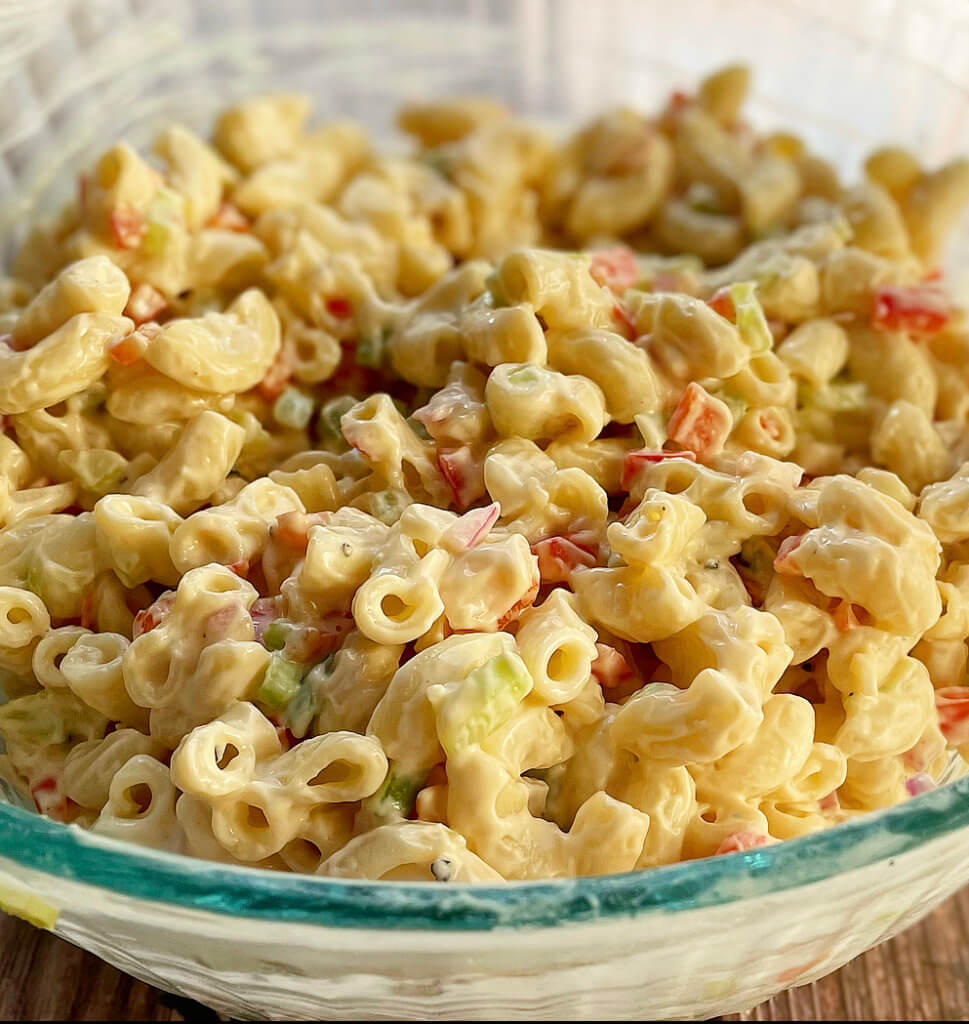
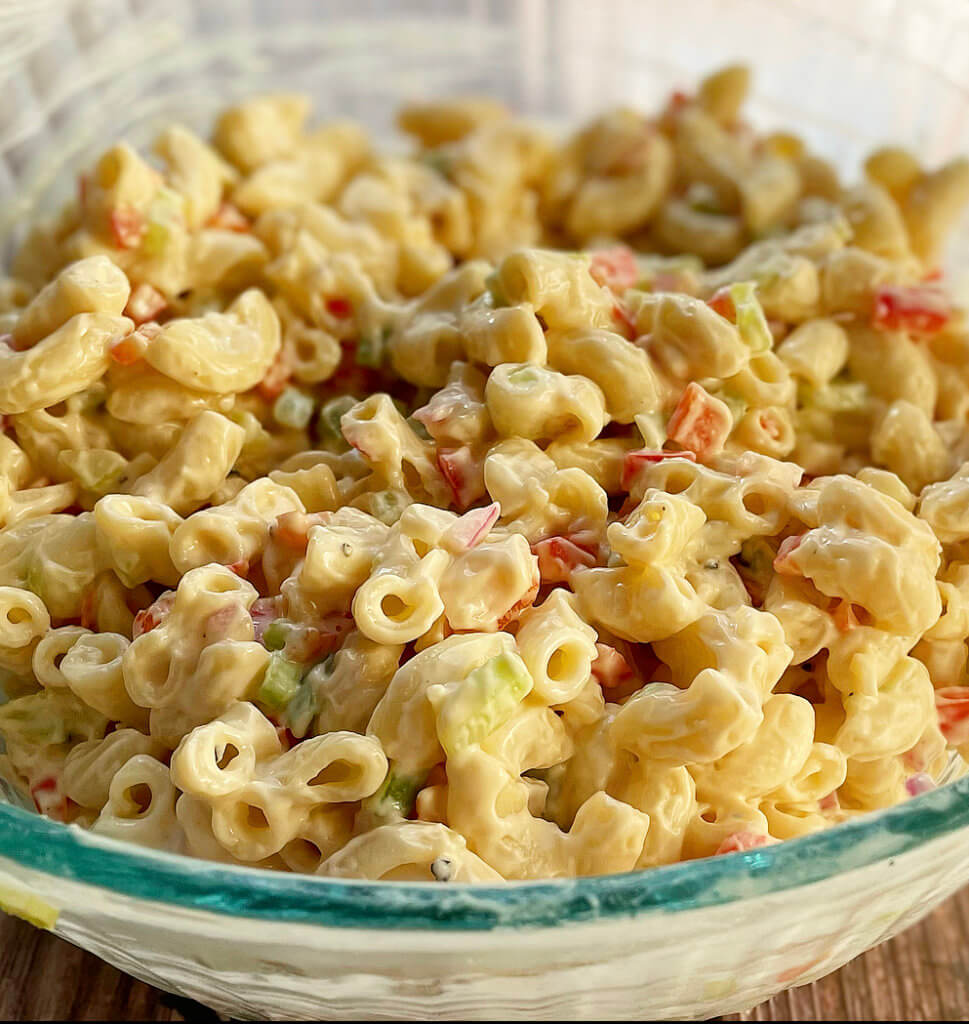
The traditional macaroni salad is a staple at many gatherings. Tangy, creamy, and rich in flavor, it often shines as a favorite side dish. Its main components include cooked elbow macaroni, mayonnaise, and various vegetables.
Popular vegetables added to macaroni salad are carrots, celery, and onions. Some variations also incorporate pickles or relish, adding a tangy twist. The salad is typically seasoned with salt, pepper, and sometimes mustard or vinegar.
Mayonnaise is the key ingredient that gives macaroni salad its creamy texture. But it’s also one of the main culprits for its high calorie content. Traditional recipes don’t focus much on nutritional value.
The dish’s origin is deeply rooted in American cuisine. It's particularly popular at barbecues, picnics, and potluck events. This popularity stems from its easy preparation and broad appeal.
Nutritional Profile of Macaroni Salad
Macaroni salad is known for its rich and creamy taste. However, this dish often comes with a hefty calorie count. Understanding its nutritional makeup is essential for those watching their weight.
Calories and Macronutrients
Traditional macaroni salad can be high in calories. A standard serving typically offers a significant amount of fat and carbohydrates. This can be a concern for anyone on a weight loss journey.
The primary sources of these calories are the mayonnaise and pasta. Mayonnaise contributes around 90 calories per tablespoon, mainly from fat. Refined pasta adds carbohydrates that can quickly increase calorie intake.
| Nutrient | Amount per Serving |
|---|---|
| Calories | 200-300 |
| Fat | 15-20g |
| Carbohydrates | 20-30g |
| Protein | 3-5g |
Vitamin and Mineral Content
Macaroni salad also offers some vitamins and minerals, mainly from added vegetables. Ingredients like carrots and celery provide vitamin A, vitamin C, and potassium. However, the benefits may be minimal in traditional recipes due to small vegetable portions.
- Carrots: Rich in vitamin A and antioxidants
- Celery: Provides vitamin K and folate
- Onions: Source of vitamin C and fiber
Add more veggies to enhance nutritional value. These additions can increase vitamins and minerals while keeping calories in check. More vegetables mean more nutrients and fiber.
Possible Additives and Preservatives
Store-bought macaroni salads often contain additives. These additives extend shelf life but may not be great for health. Common preservatives include sodium benzoate and potassium sorbate.
These chemicals ensure the salad stays fresh longer but can add extra sodium. High sodium intake is not good for blood pressure. Opting for homemade versions can help avoid these additives.
Avoiding store-bought versions also allows for better ingredient control. You can choose healthier alternatives and reduce salt. This makes homemade macaroni salad a better option for weight loss.
Challenges for Weight Loss
When trying to lose weight, traditional macaroni salad poses several challenges. One major challenge is its high calorie content. The mayonnaise and pasta can quickly add up to more calories than anticipated.
Another issue is the high-fat content from the mayonnaise. This can make it hard to stick to a low-fat diet. Consuming too much fat can slow down your weight loss progress.
Sugar and carbs in the refined pasta are also problematic. These ingredients can spike insulin levels, leading to increased fat storage. Controlling carbohydrate intake is crucial for effective weight loss.
Lastly, store-bought versions often come with hidden additives and preservatives. They can contain high levels of sodium and sugar, making it even harder to manage your weight. Opting for homemade is a healthier choice.
Versioning for Weight Loss: A Healthier Macaroni Salad
Transforming macaroni salad into a healthier option requires a few simple tweaks. Start by switching to whole grain or whole wheat pasta. This provides more fiber and nutrients compared to refined pasta.
Next, replace mayonnaise with Greek yogurt. Greek yogurt is lower in calories and contains protein. It also offers a creamy texture that's similar to mayonnaise.
Add more vegetables to boost the salad's nutritional value. Incorporate ingredients like bell peppers, tomatoes, and cucumbers. These veggies add vitamins and a satisfying crunch.
- Bell peppers: High in vitamin C
- Tomatoes: Provide antioxidants
- Cucumbers: Low in calories and hydrating
Consider using herbs and spices for flavor. Fresh dill, parsley, and chives can enhance taste without adding extra calories. Using herbs also reduces the need for salt.
Finally, mind your portion sizes. Even the healthiest macaroni salad can contribute to weight gain if eaten in large quantities. Serve in smaller bowls to help control portions.
Role of Portion Control
Portion control plays a crucial role in weight management. Even healthy foods can lead to weight gain if consumed in large amounts. Understanding portion sizes helps prevent overeating.
Using smaller plates and bowls is a simple trick to manage portions. This visual cue can make a serving look larger, helping you feel satisfied. Measuring food with cups or weighing it can also be effective.
- Use smaller dishware
- Measure servings accurately
- Be mindful of restaurant portion sizes
Restaurants often serve larger portions than necessary. Splitting a meal or taking half home can prevent overeating. Being mindful of portion sizes is especially important when dining out.
Listening to your body's hunger cues is essential. Eat slowly and stop when you feel full. This practice can help you enjoy your food more and prevent overeating.
Finally, keeping a food diary can raise awareness about portions. Recording what you eat helps identify areas for improvement. It's a helpful tool for maintaining a balanced diet.
Evidence-Based Dietary Recommendations for Weight Loss
Adopting evidence-based dietary practices is key for successful weight loss. These recommendations are backed by scientific research and provide a reliable approach. They help ensure that weight loss is both effective and sustainable.
Focus on eating whole, minimally processed foods. Fresh fruits, vegetables, lean proteins, and whole grains should form the base of your diet. These foods are nutrient-dense and lower in calories.
- Consume more fruits and vegetables
- Choose lean proteins like chicken and fish
- Opt for whole grains over refined grains
Regular physical activity is another crucial factor. Aim for at least 150 minutes of moderate exercise per week. This can include activities like walking, swimming, or cycling.
Hydration is also important. Drinking water before meals can help control hunger and reduce calorie intake. Avoid sugary drinks and opt for water or herbal teas instead.
Monitoring your intake can make a big difference. Keeping a food diary or using a mobile app can help track what you eat. This can make you more aware of your eating habits and areas to improve.
Communal Food and Diet Culture
Food has always played a significant role in bringing people together. Shared meals are a cornerstone of social gatherings. However, this can pose challenges for those trying to maintain a healthy diet.
Dishes served at communal events are often rich and calorie-dense. Think barbeques, potlucks, and holiday feasts. While these foods are delicious, they can derail weight loss goals if consumed without control.
- Pies and cakes at family gatherings
- High-calorie casseroles at potlucks
- Sugary drinks during celebrations
Navigating diet culture in social settings requires planning. Bringing your own healthier dish to share can help. This ensures you have an option that aligns with your dietary goals.
Participating in food choices gives you control. Opt for smaller portions of high-calorie items if you want to enjoy them. This allows you to partake without going overboard.
Lastly, focus on the social aspect rather than just the food. Engage in activities or conversations rather than constantly snacking. Building connections doesn't have to revolve around eating.
Finding a Balance: Enjoying Macaroni Salad and Promoting Weight Loss
Balancing the enjoyment of macaroni salad with weight loss goals can be tricky but achievable. It’s about making smart choices and mindful eating. You don't have to give up your favorite dishes entirely.
One effective strategy is modifying the recipe to make it healthier. Use whole grain pasta, swap mayonnaise with Greek yogurt, and add plenty of fresh vegetables. This way, you can still savor the taste while cutting down on calories.
Portion control remains crucial. Even healthier versions should be enjoyed in moderation. Serving smaller amounts can help prevent overeating.
- Use smaller plates
- Share your meal with someone
- Pack leftovers for another day
Incorporating macaroni salad into a balanced diet is possible. Pair it with lean proteins and other nutritious foods. This way, you maintain variety and nutrient intake while keeping calories in check.
Lastly, regular physical activity can complement your dietary efforts. Exercise not only burns calories but also boosts overall well-being. Together, these strategies make it feasible to enjoy macaroni salad without compromising on weight loss.
Frequently Asked Questions
Macaroni salad is a beloved dish in many households. Here are some common questions about its preparation and impact on health, particularly when considering weight loss.
1. How can I make macaroni salad healthier?
To make macaroni salad healthier, start by using whole grain or whole wheat pasta instead of refined pasta. This swap increases fiber content, making you feel fuller longer.
You can also replace mayonnaise with Greek yogurt for fewer calories and added protein. Adding more fresh vegetables like carrots, bell peppers, and cucumbers will boost vitamins and minerals.
2. Is it possible to enjoy macaroni salad on a low-carb diet?
Yes, you can adapt macaroni salad for a low-carb diet. One option is to use low-carb or keto-friendly pasta available in stores.
You could also substitute the pasta entirely with spiralized vegetables like zucchini or cucumber noodles, reducing carbs while maintaining flavor and texture.
3. What are the main nutritional benefits of adding vegetables to macaroni salad?
Adding vegetables to your macaroni salad increases its nutritional value significantly. Vegetables provide essential vitamins such as A, C, and K, and also offer dietary fiber that aids digestion.
These additions help balance the dish by lowering its calorie density while providing necessary nutrients that support overall health and weight management.
4. Can store-bought macaroni salads be part of a healthy diet?
Store-bought macaroni salads often contain additives, preservatives, and higher levels of sodium and sugar. These factors can make them less ideal for a healthy diet compared to homemade versions.
If you do opt for store-bought options occasionally, look for brands that offer cleaner labels with fewer additives or consider portion control strictly to minimize the intake of unwanted ingredients.
5. Are there any protein-rich ingredients I can add to my macaroni salad?
Certain protein-rich ingredients can easily be added to your macaroni salad. Examples include grilled chicken pieces, hard-boiled eggs, or even chickpeas for plant-based protein sources.
Additions like these not only increase satiety but also contribute crucial amino acids necessary for muscle repair and growth while keeping the dish nutritious.
Conclusion
Macaroni salad can be modified to align with weight loss goals through thoughtful ingredient swaps and portion control. Using whole grain pasta, Greek yogurt, and adding vegetables transforms this dish into a healthier option. It's possible to enjoy this classic favorite without compromising your diet.
Balanced eating and regular physical activity are keys to successful weight management. With a few adjustments, macaroni salad fits well within a nutritious diet. The focus should always be on making sustainable and enjoyable dietary changes.
